Mastering Tropical Bonsai Care in Colder Climates
Discover essential strategies for tropical bonsai care, ensuring your miniature trees thrive even when temperatures drop. Learn how to protect your delicate plants and maintain their vibrancy year-round.
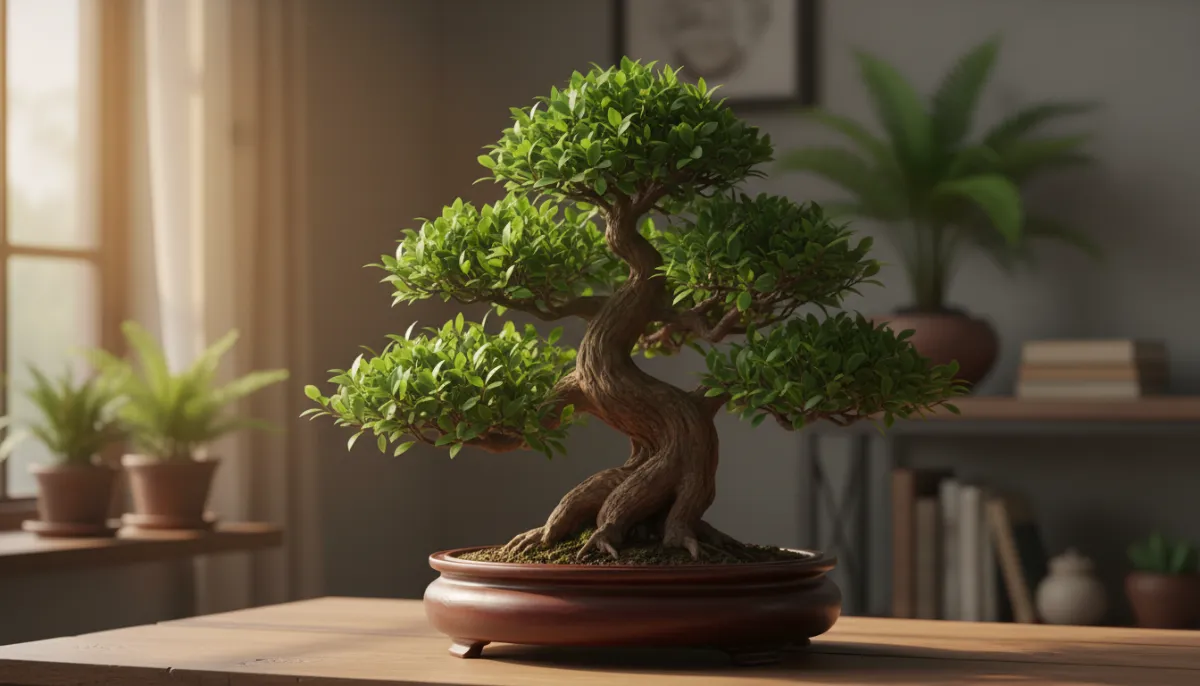
Table of Contents
Understanding Tropical Bonsai Needs
Tropical bonsai trees bring a piece of the exotic into our homes. Unlike their temperate cousins, these species originate from warm, humid regions. This means they cannot tolerate freezing temperatures. Their unique requirements for light, warmth, and humidity are crucial for their survival, especially when grown outside their natural habitat.
Proper tropical bonsai care involves mimicking their native environment as closely as possible. This includes providing stable temperatures, ample light, and high humidity levels. Understanding these fundamental needs is the first step to successful cultivation and ensures your bonsai remains healthy and vibrant throughout the year. For comprehensive strategies that cover the full annual cycle, including specific advice for crucial growth periods, delve into Spring Care for Bonsai SH. Beyond basic care, mastering artistic elements like Bonsai Wiring Techniques: Step-by-Step Guide are also crucial for shaping your miniature trees into living works of art, including specialized methods for Wiring & Pruning NZ Natives: Shaping for Optimal Health & Aesthetics. For those interested in conifers, mastering techniques like those detailed in Pine Bonsai Care: Needles, Candles & Wiring is also essential. To achieve professional results, it’s essential to invest in the right equipment; learn more about Choosing the Best Bonsai Tools for Styling.
Essential Winter Protection Strategies
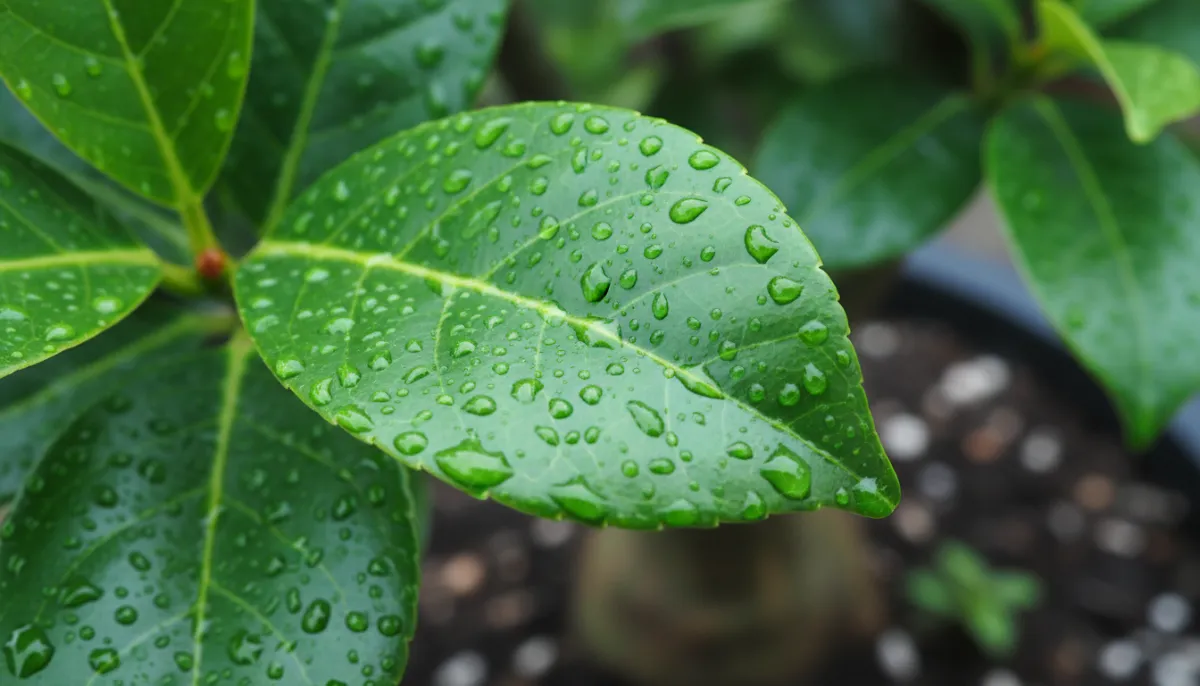
When cold weather approaches, providing adequate winter protection for your tropical bonsai is paramount. Freezing temperatures can quickly damage or kill these sensitive plants. The key is a timely transition indoors and creating an optimal indoor environment that sustains their health until spring. For more in-depth strategies, explore our guide on Winterizing Bonsai Trees: Protecting from Cold.
Begin by moving your bonsai indoors before nighttime temperatures consistently drop below 50°F (10°C). Choose a location in your home that offers consistent warmth and is free from cold drafts. This proactive tropical bonsai care prevents thermal shock. Windowsills, especially south-facing ones, can be ideal if they don’t experience drastic temperature swings.
Indoor Environment Setup
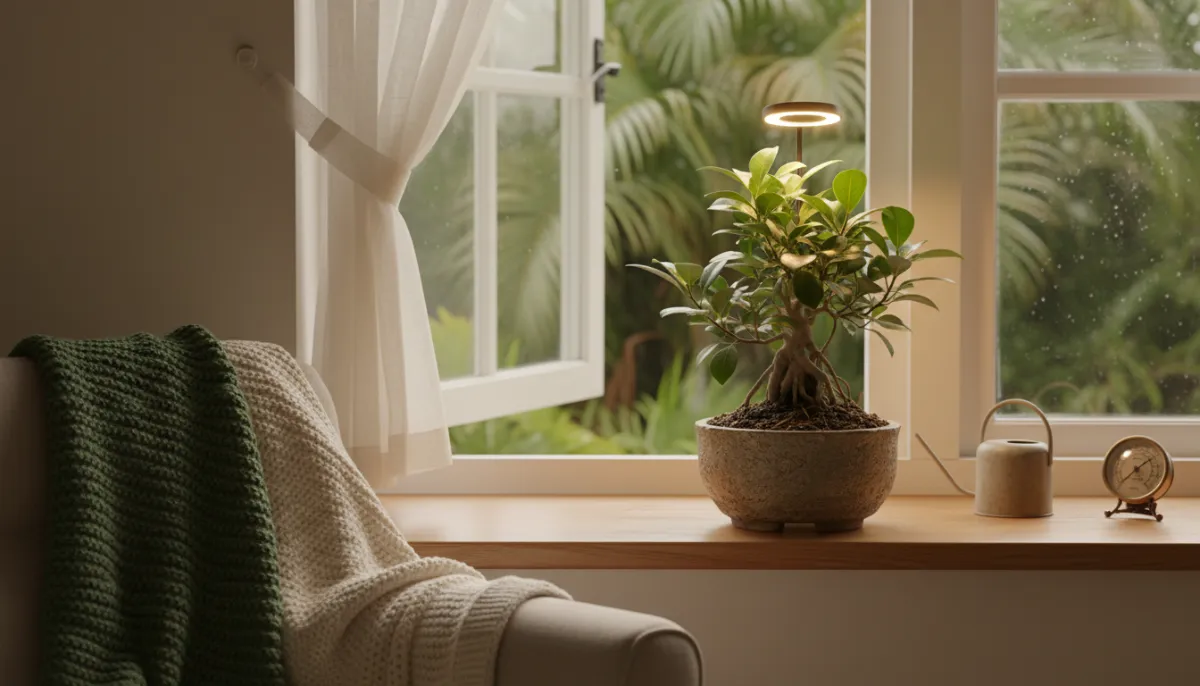
Once indoors, light becomes a critical factor. Natural light through windows may not be enough, especially during shorter winter days. Consider using supplemental grow lights to provide 12-16 hours of light daily. LED grow lights are energy-efficient and effective. Place them a few inches above the foliage to maximize light absorption.
Maintain consistent room temperatures, ideally between 60-75°F (15-24°C). Avoid placing your bonsai near heating vents or radiators, as these can dry out the air rapidly. Watering also changes in winter; reduce frequency but ensure the soil never completely dries out. Check the soil moisture daily and water thoroughly when the top inch feels dry to the touch. The right Bonsai Soil Reviews: Akadama, Pumice, Lava Rock can significantly impact drainage and aeration, which are vital for root health during indoor periods. For comprehensive guidance on soil composition, fertilization, and overall plant nutrition, refer to our detailed guide on Bonsai Soil, Fertilization & Nutrition.
Monitoring for Pests
Indoor conditions can sometimes encourage pests like spider mites or mealybugs. Inspect your tropical bonsai regularly, paying close attention to the undersides of leaves and branch crotches. Early detection is vital for effective treatment. A gentle spray with insecticidal soap or neem oil can help manage infestations.
Ensuring good air circulation around your plant can also deter pests. Running a small fan nearby for a few hours daily can be beneficial. Remember, vigilant observation is a cornerstone of excellent tropical bonsai care, especially during the colder months when plants are more susceptible to stress.
Humidity Requirements for Tropical Bonsai
High humidity is non-negotiable for most tropical bonsai species. Indoor heating systems drastically reduce humidity, creating a dry environment that can stress your plants. Low humidity leads to crisping leaves, stunted growth, and increased susceptibility to pests. Replicating their humid native climate is essential.
There are several effective methods to increase humidity around your tropical bonsai. Combining a few of these approaches will provide the best results. Constant monitoring of your plant’s response to these humidity levels will help you fine-tune your strategy for optimal health and growth.
Humidity Trays and Misting
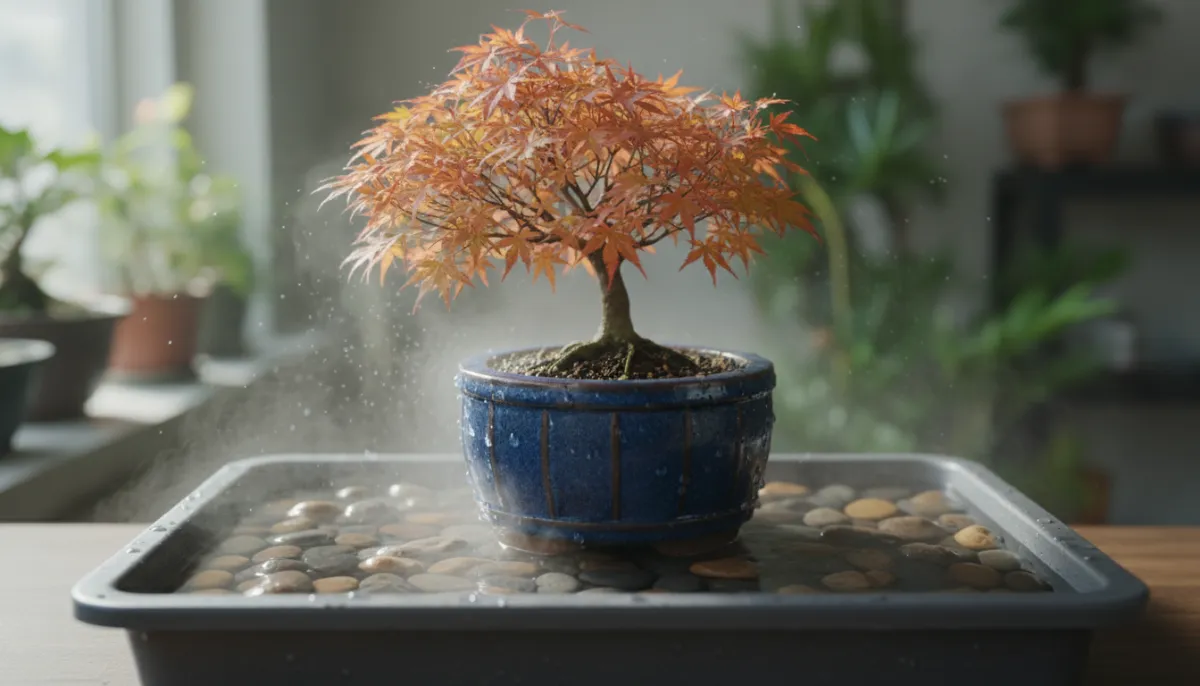
A simple and effective solution is a humidity tray. Fill a shallow tray with pebbles and water, ensuring the bottom of the bonsai pot does not sit directly in the water. As the water evaporates, it creates a localized humid microclimate around the plant. This method works wonders for continuous moisture release.
Misting your bonsai regularly, perhaps once or twice daily, can also temporarily boost humidity. However, misting alone is often insufficient for long-term humidity needs. It’s best used in conjunction with other methods. For consistent, higher humidity, consider a small room humidifier, especially in very dry environments. Position it close enough to benefit your bonsai without making the surrounding area damp.
Selecting the Right Tropical Bonsai Species
Choosing the right species is fundamental for successful tropical bonsai care, especially if you live in a colder climate. Some tropical species are more forgiving and adaptable to indoor conditions than others. Starting with a resilient variety increases your chances of success and builds confidence in your bonsai journey.
Consider the specific needs of each species regarding light, watering, and temperature tolerance. Researching potential candidates before purchasing will save you time and effort in the long run. Look for species known for their robust nature and ability to withstand slight variations in their environment.
Resilient Tropical Species
Several tropical species are well-suited for beginners and those in colder regions. Ficus species (like Ficus microcarpa, also known as Ginseng Ficus) are extremely popular due to their hardiness and attractive aerial roots. They can tolerate a range of indoor conditions and are relatively forgiving of watering mistakes.
Dwarf Jade (Portulacaria afra) is another excellent choice. It’s drought-tolerant and stores water in its leaves, making it resilient. For specific tips on its cold-weather needs, see our guide on Jade Bonsai Winter Care. Expanding your knowledge and connecting with fellow enthusiasts can further enrich your bonsai experience. Consider exploring the local Bonsai Community & Events to share insights, participate in workshops, and find inspiration for your next tree. To truly complete your display, discover how to select Companion Plants & Display Elements for a True NZ Bonsai Scene, enhancing the aesthetic appeal of your bonsai. For those specifically interested in indigenous varieties, further your expertise with Rata Bonsai Cultivation: Techniques for a Hardy Native. Expanding your knowledge to other popular bonsai types, such as Cherry Blossom Bonsai Care, can also provide valuable insights into diverse cultivation practices.