Totara Bonsai Care Guide
Master Totara bonsai care with our expert guide! Learn about soil, watering, pruning, and seasonal tips for your ancient Southern Hemisphere conifer. Elevate your bonsai journey.

bonzai.co.nz
What You Will Learn
Master Totara bonsai care with our expert guide! Learn about soil, watering, pruning, and seasonal tips for your ancient Southern Hemisphere conifer. Elevate your bonsai journey.
Totara Bonsai Care Guide: Cultivating New Zealand’s Ancient Spirit
The Totara (Podocarpus totara) stands as a venerable giant in New Zealand’s native forests, renowned for its incredible longevity, towering stature, and a wood so durable it was cherished by Māori for millennia. Bringing the spirit of this ancient conifer into the miniature world of bonsai is a profoundly rewarding journey. Unlike many exotic species, cultivating Totara bonsai offers a unique connection to the Southern Hemisphere’s indigenous flora, presenting both unique challenges and unparalleled aesthetic rewards. This comprehensive guide will equip you with the expert knowledge needed to nurture a thriving, majestic Totara bonsai, reflecting its inherent strength and beauty.
“Cultivating Totara bonsai isn’t just about horticulture; it’s about preserving a piece of natural heritage, fostering patience, and connecting with the profound resilience of the Southern land.”
Table of Contents
Soil Requirements for Totara Bonsai
The foundation of any healthy bonsai lies in its soil, and for Totara, excellent drainage is paramount. While naturally tolerant of a range of soil types in the wild, in a confined bonsai pot, Totara roots are susceptible to rot if the medium retains too much moisture. A well-draining, aerated substrate promotes strong root development, which is crucial for nutrient uptake and overall tree vigor.
The Ideal Totara Bonsai Soil Mix
- Akadama: Provides good water retention while allowing for excellent aeration.
- Pumice: Enhances drainage and aeration, prevents compaction.
- Lava Rock (Scoria): Similar to pumice, offers structural stability and drainage.
- Composted Pine Bark: Adds organic matter, improves water retention, and helps maintain a slightly acidic pH.
A recommended mix is typically a 1:1:1 ratio of Akadama, Pumice, and Composted Pine Bark (or fine orchid bark). Always ensure the components are sieved to remove fine dust and large chunks, creating a uniform particle size suitable for bonsai.
Repotting Your Totara Bonsai
Young Totara (under 10 years) may need repotting every 2-3 years, while older, more established specimens can go 3-5 years. The best time for repotting is in late winter to early spring, just before new growth begins. During repotting, gently remove about 1/3 of the old root ball, focusing on removing circling or overly long roots, and replace with fresh soil mix. This process revitalizes the tree and encourages fine feeder root development.
Watering Schedule and Techniques
Proper watering is perhaps the most critical aspect of Totara bonsai care. While Totara is somewhat drought-tolerant in the ground, in a bonsai pot, it requires consistent moisture without being waterlogged. The frequency will depend on factors like pot size, soil mix, climate, and time of year.

Step-by-Step: Effective Totara Bonsai Watering
- Assess Soil Moisture: Before watering, always check the soil. Stick your finger about an inch deep into the soil. If it feels slightly damp, wait. If it feels almost dry, it’s time to water. You can also lift the pot to gauge its weight.
- Water Thoroughly: When watering, do so until water drains freely from the bottom of the pot. Water in stages, allowing the first pour to soak in, then re-watering a second or even third time to ensure the entire root ball is saturated.
- Avoid Waterlogging: Never let your Totara bonsai sit in a tray of standing water for extended periods. This can lead to root rot, which is often fatal. Ensure good drainage from the pot and air circulation around the base.
- Consider Environmental Factors: Hot, windy conditions will dry out the soil much faster than cool, humid conditions. Adjust your watering frequency accordingly. In peak summer, some Totara bonsai may need watering daily, or even twice daily, especially if they are in small pots.
Fertilizing Totara Bonsai
Fertilizer provides the essential nutrients your Totara needs for healthy growth, especially when its root system is restricted in a bonsai pot. However, over-fertilizing can be detrimental. The goal is steady, moderate growth, not rapid expansion.
When and How to Fertilize
- Growing Season: Begin fertilizing in early spring (after the first flush of growth) and continue through to late autumn. Totara generally has two main growth flushes: one in spring and another in late summer/early autumn.
- Fertilizer Type: Use a balanced organic liquid fertilizer (e.g., a NPK ratio like 6-4-4) diluted to half strength, applied every 2-4 weeks. Alternatively, a slow-release organic pellet fertilizer can be used. Many bonsai enthusiasts prefer organic fertilizers as they nourish the soil microbiology and release nutrients slowly.
- Reduce in Winter: Halt or significantly reduce fertilization during the cooler winter months when the tree’s growth slows down.
- Never Fertilize a Sick Tree: Only fertilize healthy, actively growing trees. A stressed or recently repotted tree needs time to recover before receiving nutrients.
Pruning and Shaping Totara
Pruning and shaping are the artistic heart of bonsai, allowing you to define the tree’s form and ramification. Totara responds well to pruning, back-budding on older wood, and can be wired effectively to achieve various classic bonsai styles.
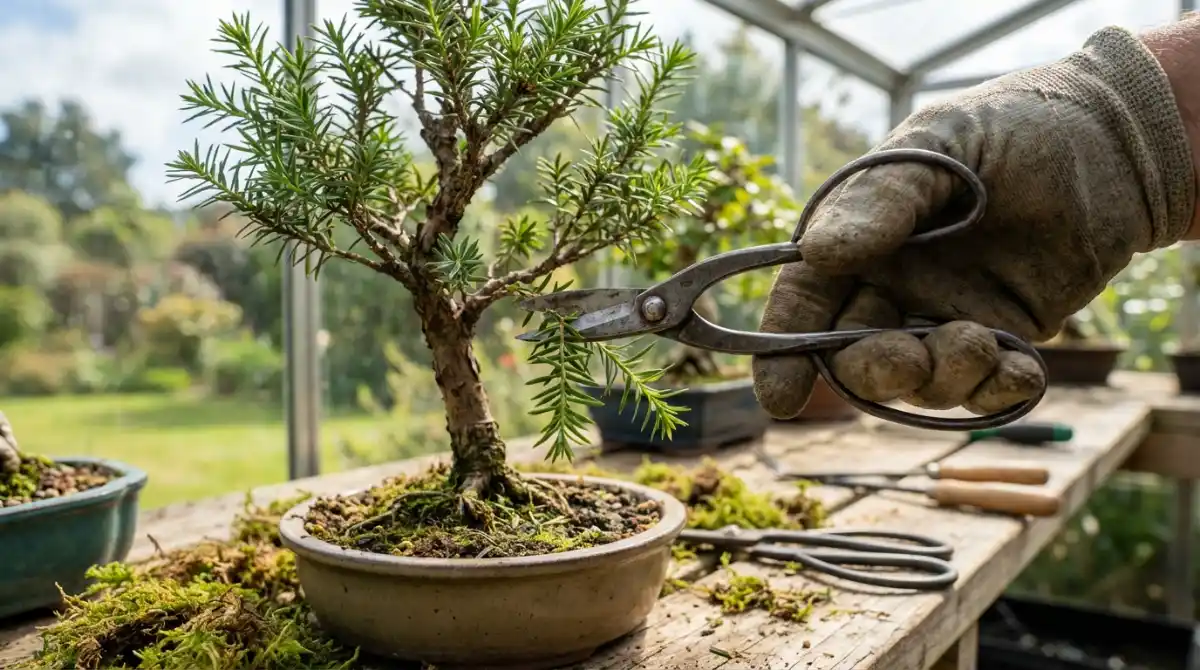
Step-by-Step: Pruning and Wiring Your Totara Bonsai
- Structural Pruning (Early Spring): This is for establishing the overall silhouette. Remove strong, unwanted branches, crossing branches, and any growth that detracts from your desired design. Totara can back-bud on old wood, making it suitable for significant structural changes.
- Maintenance Pruning (Throughout Growing Season): Pinch back new shoots to encourage denser foliage and ramification. Allow shoots to extend a bit, then cut back to one or two sets of needles. This promotes inner bud development.
- Branch Selection and Thinning: Regularly thin out congested areas to improve light penetration and air circulation. Remove weak or poorly placed branches. Aim for a clear, defined branch structure.
- Wiring Techniques (Any Time): Totara branches are pliable, especially when young, and can be wired effectively. Use anodized aluminum or copper wire. Apply wire snugly but not too tightly to avoid cutting into the bark. Check wire regularly (every few weeks) and remove it before it bites in, especially during active growth.
- Deadwood (Jin and Shari): Totara’s naturally rugged bark and durable wood lend themselves beautifully to deadwood techniques. Exposed sections of wood (jin – dead branches, shari – dead trunk sections) can enhance the tree’s ancient appearance. Seal cut ends to prevent fungal intrusion.
Pest and Disease Management
While Totara is generally robust, it can occasionally encounter pests or diseases. Vigilance and early intervention are key to keeping your bonsai healthy.
Common Pests and Solutions
- Scale Insects: Small, immobile bumps on branches and undersides of leaves. They suck sap, weakening the tree. Scrape off by hand, use a soft brush with horticultural oil or neem oil spray.
- Aphids: Small, soft-bodied insects clustering on new growth. Wash off with a strong stream of water or use insecticidal soap.
- Spider Mites: Tiny pests that cause fine webbing and stippling on leaves. Increase humidity and spray with insecticidal soap or horticultural oil.
Disease Prevention
- Root Rot: Primarily caused by overwatering and poor drainage. Symptoms include yellowing leaves, wilting, and ultimately, dieback. Prevent by ensuring excellent drainage and proper watering techniques. If severe, repot and prune affected roots.
- Fungal Issues: Can sometimes occur in overly humid, poorly ventilated conditions. Ensure good air circulation around your tree.
Regular inspection of your Totara bonsai, especially the undersides of leaves and branch crotches, will help you spot any issues before they become severe.
Seasonal Care for Totara in NZ/AU
Understanding the seasonal needs of your Totara bonsai within the Southern Hemisphere climate (New Zealand/Australia) is crucial for its long-term health and development. Totara is a hardy species, but as a bonsai, it benefits from specific care tailored to the changing seasons.
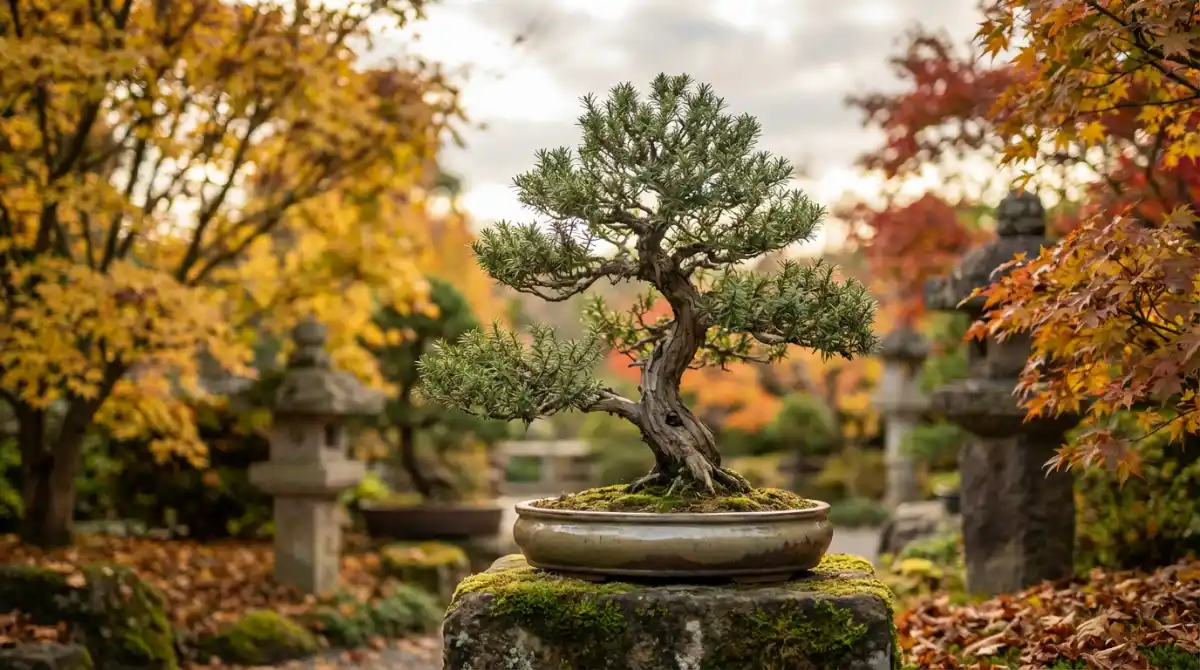
Action Checklist: Year-Round Totara Bonsai Care
- Spring (September – November):
- Repotting: Perform main repotting work for younger trees.
- Structural Pruning: Undertake heavy pruning to define shape before strong growth.
- Fertilize: Begin regular feeding after the first flush of new growth appears.
- Watering: Increase frequency as temperatures rise and growth accelerates.
- Summer (December – February):
- Watering: Water daily, sometimes twice, especially during hot, dry, or windy spells.
- Pinch & Trim: Continue maintenance pruning to refine shape and encourage ramification.
- Protection: Provide some afternoon shade during extreme heat to prevent foliage burn.
- Pest Check: Regularly inspect for spider mites and scale, which can be active in warmer weather.
- Autumn (March – May):
- Reduce Fertilization: Taper off feeding by the end of autumn to prepare for dormancy.
- Maintenance Pruning: Light pruning can be done, but avoid heavy cuts.
- Wiring: Good time for wiring as growth slows, reducing chances of wire biting.
- Preparation: Ensure trees are healthy and strong going into winter.
- Winter (June – August):
- Watering: Reduce watering significantly; only water when the soil surface is almost dry.
- Protection: Protect from severe frosts, especially in colder regions. A cold frame or sheltered spot is ideal.
- Monitoring: Keep an eye on moisture levels and protect roots from freezing if kept outdoors in very cold areas.
Frequently Asked Questions (FAQ)
Q: How fast does Totara bonsai grow?
A: Totara bonsai generally exhibits moderate growth. With proper care, including regular feeding and adequate light, it will put on new growth flushes in spring and late summer/early autumn, allowing for steady development of its structure and foliage density.
Q: Is Totara bonsai suitable for beginners?
A: While Totara is hardy, its care requirements, particularly regarding watering and specific pruning techniques for developing ramification, might present a slight learning curve for absolute beginners. However, with dedication and adherence to this guide, an enthusiastic beginner can certainly succeed.
Q: Can Totara bonsai be kept indoors?
A: Totara is an outdoor species and thrives with exposure to natural light and seasonal changes. It will not do well indoors long-term. If absolutely necessary for very short periods (e.g., display), ensure it receives maximum natural light and good humidity, but always return it outdoors promptly.
Q: Why are my Totara bonsai leaves turning yellow?
A: Yellowing leaves can indicate several issues. The most common causes are overwatering (leading to root rot), underwatering, or nutrient deficiencies. Check your soil moisture and drainage first. If repotting is overdue, it could also be a factor. Ensure balanced fertilization during the growing season.
References/Sources
- Bonsai Empire. (n.d.). Podocarpus (Podocarpus macrophyllus) Bonsai. (While this references a different Podocarpus species, general care principles for the genus are often similar.)
- New Zealand Plant Conservation Network. (n.d.). Podocarpus totara.
- Bonsai NZ (Local Bonsai Clubs and resources). (Accessed 2023).