The Art & Philosophy of NZ Bonsai: Culture, Community & Future
Explore the captivating world of NZ bonsai culture, from its unique native species to its thriving community and future vision for high-end aesthetic refinement.
bonzai.co.nz
What You Will Learn
Explore the captivating world of NZ bonsai culture, from its unique native species to its thriving community and future vision for high-end aesthetic refinement.
The Art & Philosophy of NZ Bonsai: Culture, Community & Future
Discover the unique spirit of NZ bonsai culture, where ancient art meets the breathtaking beauty of Aotearoa’s native flora.
Imagine a miniature world, meticulously crafted, embodying the grandeur of New Zealand’s landscapes within a single pot. This is the essence of NZ bonsai, an art form that transcends mere horticulture to become a profound expression of cultural identity and connection to the land. It’s a journey of patience, precision, and an intimate understanding of nature’s subtle rhythms.
In Aotearoa, the timeless practice of bonsai has found a truly unique home, evolving to embrace the distinct character of indigenous species. This article delves into the vibrant NZ bonsai culture, exploring its historical roots, the passionate community that nurtures its growth, and the exciting vision for its future, particularly with high-end native aesthetic refinement.
Table of Contents
Exploring the Unique Spirit of NZ Bonsai
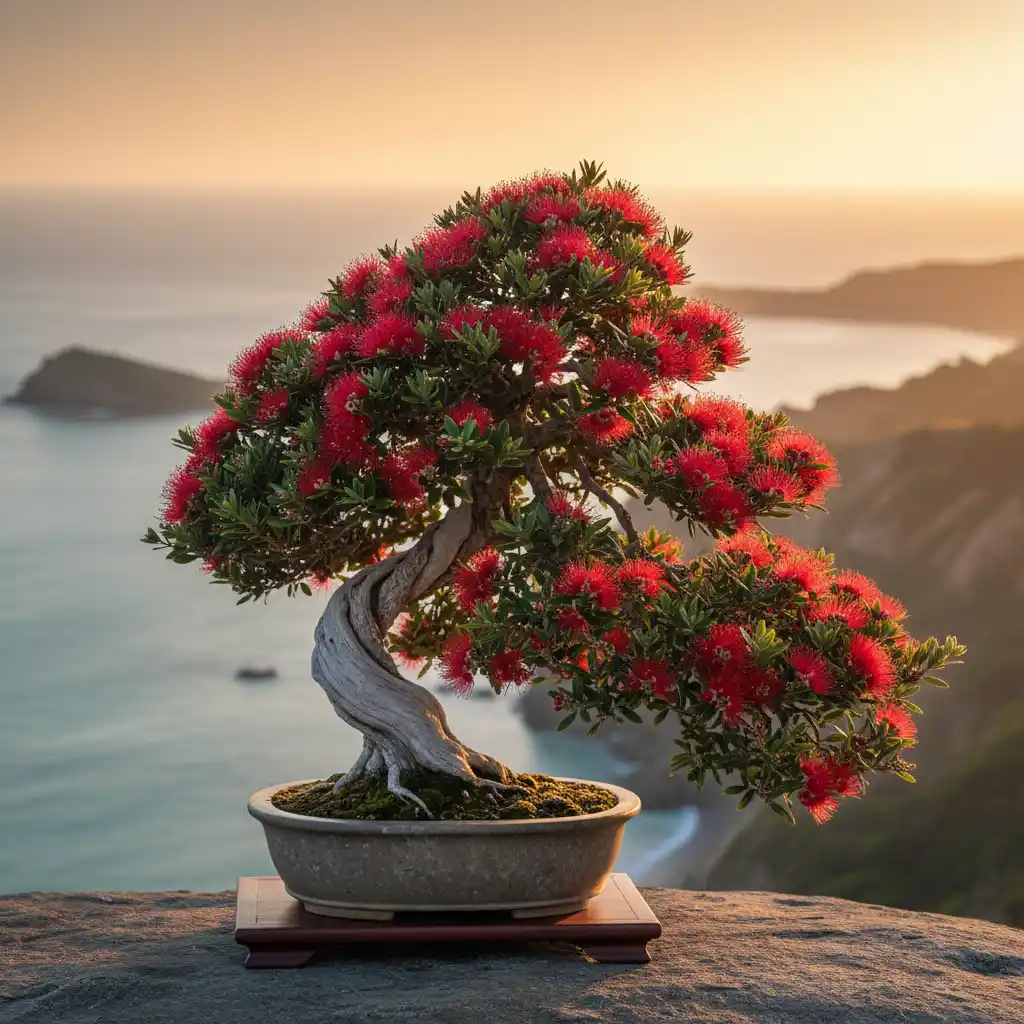
What truly sets NZ bonsai culture apart is its deep embrace of native flora. Unlike traditional bonsai which often focuses on imported species, New Zealand artists are pioneering the cultivation of indigenous trees such as Pōhutukawa, Rimu, Kauri, and Totara. These species, with their distinct growth habits and cultural significance, present both unique challenges and unparalleled opportunities for artistic expression.
Working with native trees requires an intimate understanding of their specific needs, from soil composition to pruning techniques that respect their natural forms. This approach fosters a profound connection to the local environment, allowing the bonsai to tell a story of Aotearoa itself. The result is not merely a tree in a pot, but a living sculpture that reflects the wild beauty and untamed spirit of the land.
“NZ native bonsai isn’t just about growing a tree; it’s about honouring the whenua (land) and interpreting its spirit through a living art form.”
This dedication to native species elevates the craft beyond replication, positioning it as a distinct and globally recognized facet of the broader bonsai world. It speaks to a desire for authenticity and a celebration of New Zealand’s unique biodiversity.
Historical Context of Bonsai in New Zealand
The art of bonsai first arrived in New Zealand through international influences, primarily from Japan and later via Western enthusiasts. In its early days, the practice largely mirrored traditional Japanese techniques and utilized commonly available exotic species. However, as the local scene matured, a growing desire emerged to incorporate New Zealand’s unique natural heritage.
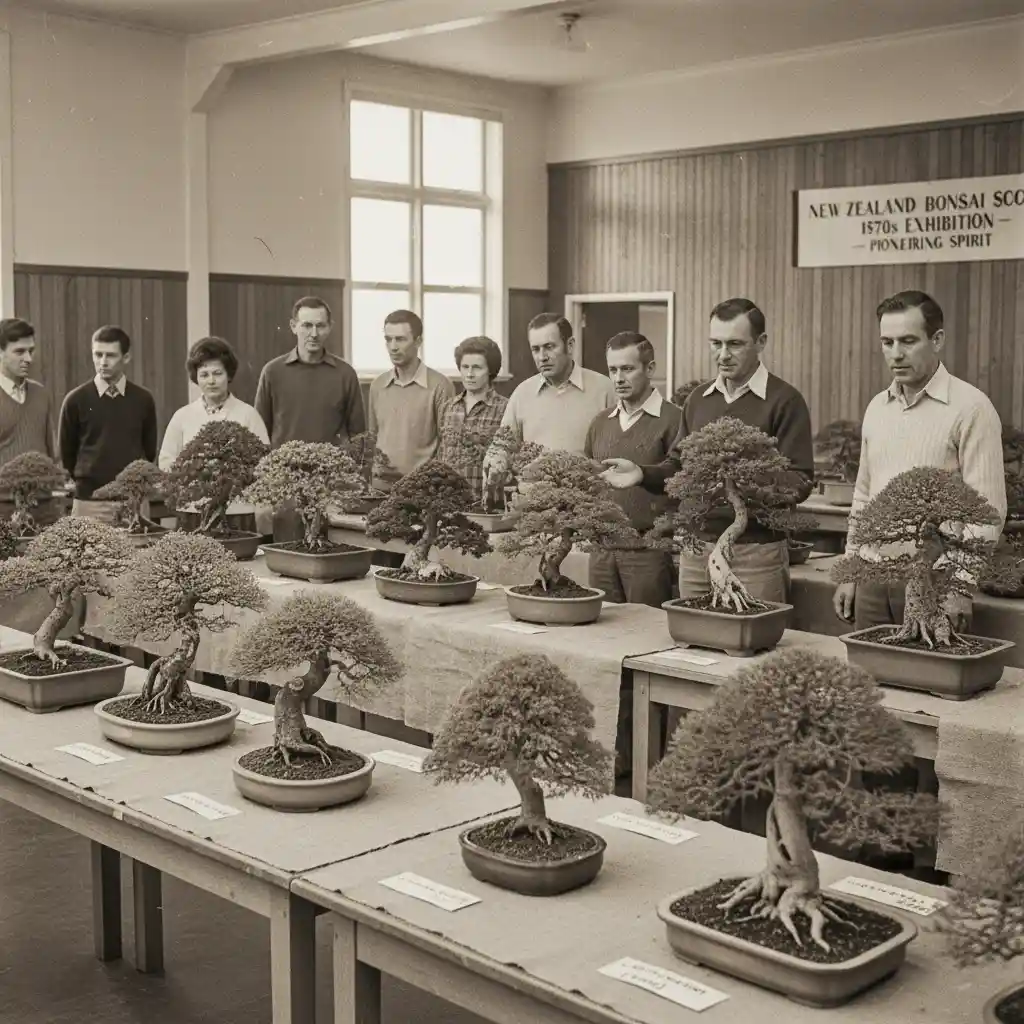
Pioneers in the NZ bonsai culture began experimenting with native trees, often through trial and error, to unlock their potential for miniaturization. This shift marked a pivotal moment, transforming bonsai from an imported hobby into a truly localized art form. Early clubs and societies played a crucial role in sharing knowledge, adapting techniques, and fostering a unique aesthetic that respected both the principles of bonsai and the individuality of native species.
Today, this historical journey is evident in the depth of expertise within the community and the stunning variety of native bonsai showcased across the country, a testament to decades of dedication and innovation.
The Role of Creativity and Expression in NZ Bonsai
Bonsai is often described as living sculpture, and nowhere is this more apparent than in New Zealand, where artists are constantly pushing boundaries. While traditional bonsai adheres to strict aesthetic guidelines, the embrace of native species invites a fresh wave of creativity and individual expression.
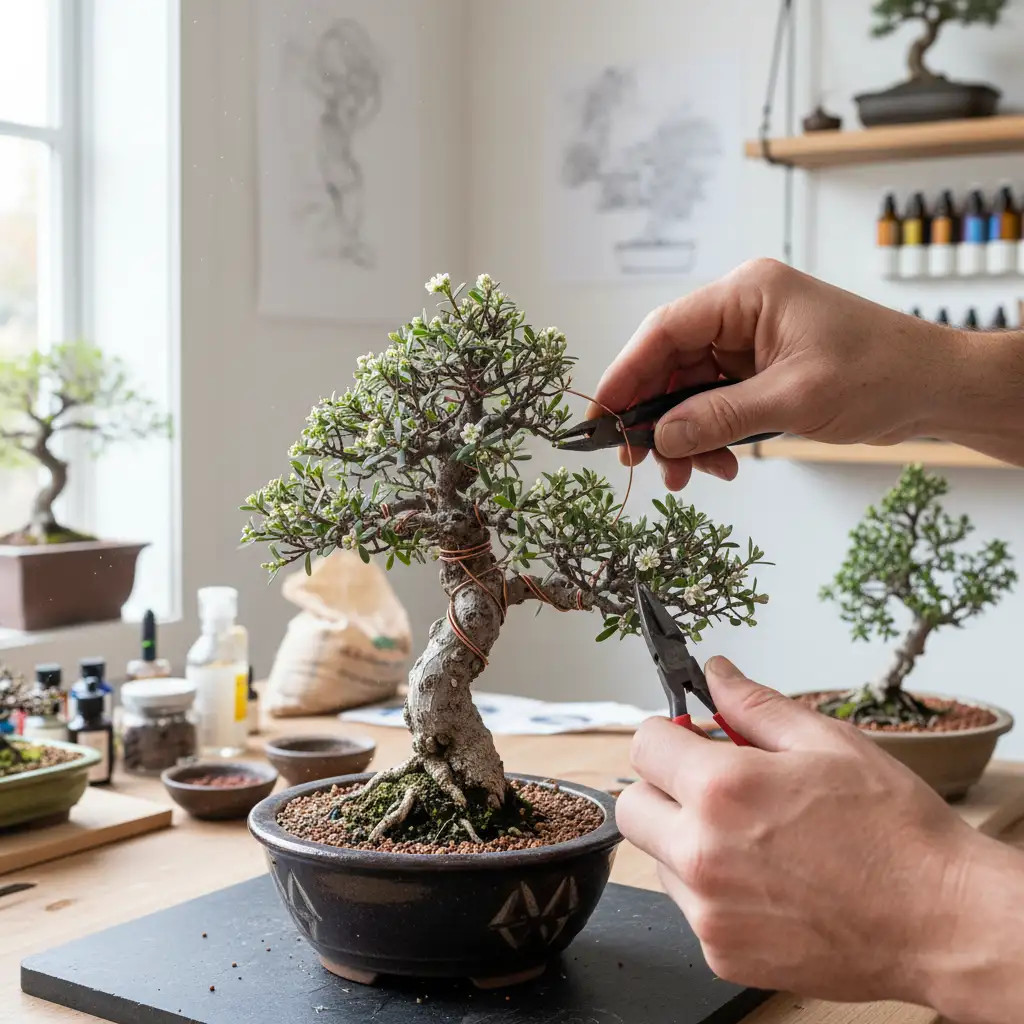
Artists interpret the raw material of a native tree, envisioning its future form and guiding its growth with both technical skill and artistic intuition. This process involves careful pruning, wiring, and repotting, transforming a sapling into a miniature masterpiece that evokes age, resilience, and natural beauty. Each tree becomes a canvas for the artist’s personal philosophy and connection to the New Zealand landscape.
The emphasis on high-end aesthetic refinement means more than just a well-shaped tree; it signifies a deep understanding of horticultural science, an artistic eye for balance and proportion, and a commitment to showcasing the inherent elegance of each individual specimen. This blend of scientific knowledge and artistic flair defines the pinnacle of NZ bonsai culture.
Building a Thriving NZ Bonsai Community
The heart of NZ bonsai culture beats strongest within its vibrant and supportive community. Across the country, numerous bonsai clubs and societies serve as hubs for enthusiasts of all levels, from curious beginners to seasoned masters. These groups are instrumental in fostering knowledge sharing, mentorship, and a deep sense of camaraderie.
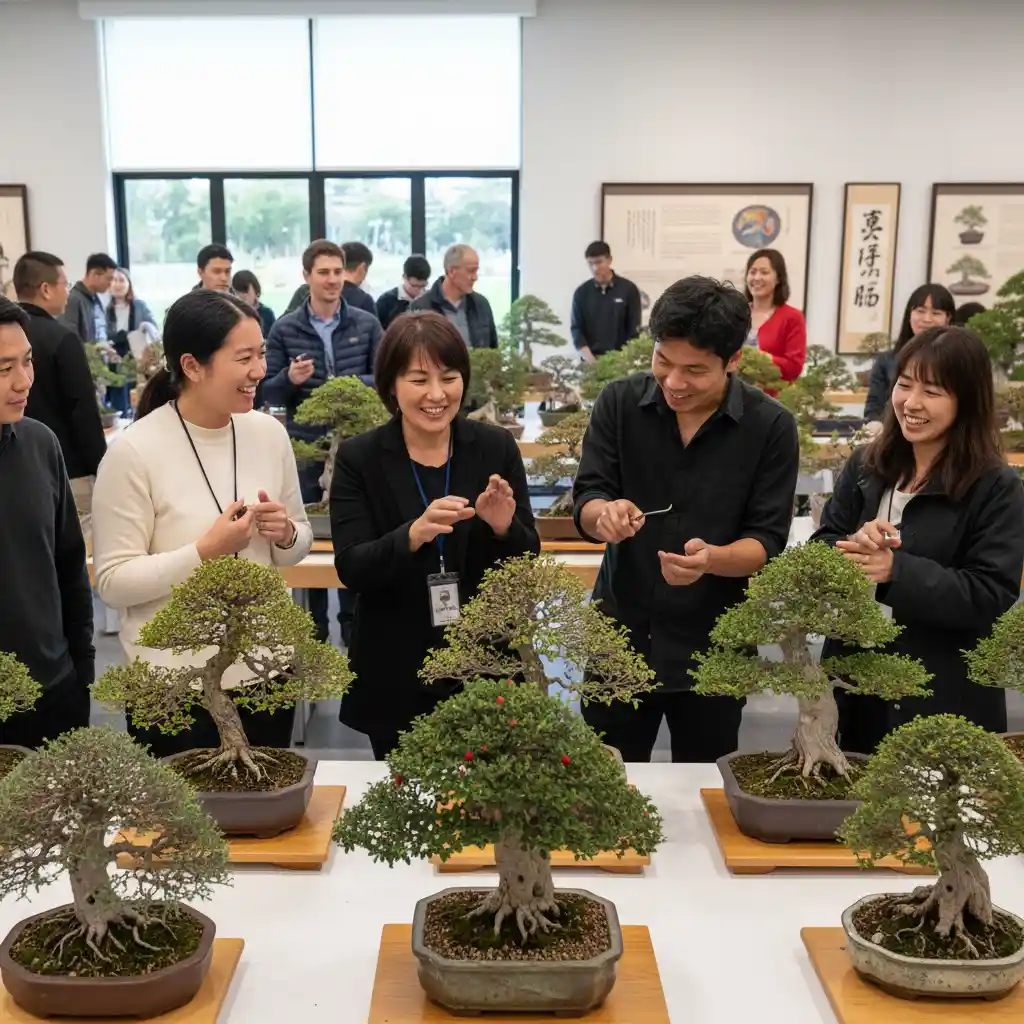
Workshops, annual exhibitions, and regular meetings provide invaluable opportunities for members to learn new techniques, receive feedback on their trees, and engage with visiting international experts. The communal aspect is vital, creating a network where experiences are shared, challenges are overcome collectively, and the passion for bonsai flourishes.
Insight:
New Zealand boasts over 30 active bonsai clubs, with membership growing steadily year-on-year, reflecting a flourishing interest in both traditional and native bonsai styles. Annual national shows attract thousands of visitors, demonstrating the art form’s increasing popularity and cultural significance.
This collaborative spirit ensures that the art form continues to evolve, drawing new talent and perspectives while preserving the wisdom of generations past. It is this community that truly defines the unique and welcoming nature of NZ bonsai culture.
Vision for the Future of Native Bonsai Art
The future of native bonsai in New Zealand is bright, promising continued innovation, international recognition, and a deeper connection to conservation efforts. As awareness grows, there’s an increasing focus on sustainable practices, including propagating native species specifically for bonsai and minimizing impact on wild populations.
Education will play a crucial role, with initiatives aimed at introducing the art to younger generations and expanding public understanding of the ecological importance of native trees. Imagine a future where beautifully refined native bonsai are not only celebrated in New Zealand but also recognized globally as a unique contribution to the art form, showcasing the distinct aesthetic of Aotearoa to the world.
The pursuit of high-end aesthetic refinement will continue to drive artists to push the boundaries of what is possible with native species, fostering a legacy of exquisite living art for generations to come. This vision sees NZ bonsai culture not just preserving trees, but nurturing a deep appreciation for New Zealand’s natural heritage, one miniature masterpiece at a time.
Frequently Asked Questions About NZ Bonsai
What makes NZ native bonsai unique?
NZ native bonsai is unique due to its primary focus on indigenous New Zealand tree species like Pōhutukawa, Rimu, and Kauri. These trees have distinct growth patterns and aesthetic qualities that challenge artists to develop new techniques and styles, resulting in a bonsai art form deeply connected to the landscapes and culture of Aotearoa.
How do I get started with NZ native bonsai?
To get started, it’s recommended to join a local bonsai club in New Zealand. These clubs offer workshops, mentorship, and access to experienced artists who can guide you on species selection, propagation, styling techniques specific to native trees, and overall care. Begin with readily available native species that are known to respond well to bonsai training.
Are there specific challenges with native species?
Yes, native species often present specific challenges. Some can be slow-growing, sensitive to root disturbance, or have unique branch structures that require tailored wiring and pruning approaches. Understanding their natural habitat and replicating suitable growing conditions is crucial for their health and development as bonsai. However, overcoming these challenges leads to incredibly rewarding and unique results.
Where can I find an NZ bonsai community?
You can find an NZ bonsai community by searching for local bonsai clubs or societies in your region. Many clubs have websites or social media pages. Attending national bonsai exhibitions or local garden shows where bonsai are displayed is also a great way to connect with enthusiasts and learn about community events.
What is the significance of “high-end aesthetic refinement” in NZ bonsai?
“High-end aesthetic refinement” in NZ bonsai refers to the meticulous attention to detail, advanced styling techniques, and deep artistic vision applied to create a truly exceptional and sophisticated living art piece. It signifies a pursuit of perfection in form, balance, and health, showcasing the tree’s natural beauty while adhering to the highest standards of bonsai artistry, particularly with the challenging yet rewarding native species.