Starting Bonsai in Australia & New Zealand
What You Will Learn
Discover bonsai for beginners in Australia & NZ! Learn about native species, how to find your first tree, essential potting tips, and connect with local communities to start your journey today.
Key Takeaways for Bonsai Beginners in Australia & NZ (TL;DR)
- Choose Local Species: Start with resilient Australian natives like Ficus, Leptospermum, Melaleuca, or the NZ Pohutukawa for better adaptation.
- Source Wisely: Look for healthy material with strong trunks and good root flair at specialist nurseries.
- Potting Essentials: Use well-draining soil and a suitable training pot for initial development.
- Strategic Placement: Place your newly potted bonsai in a sheltered spot with bright, indirect light to recover.
- Connect with Community: Join local bonsai clubs and online forums for invaluable support, advice, and learning opportunities.
Are you captivated by the miniature worlds of bonsai but unsure where to begin your journey Down Under? You’re in luck! Starting bonsai in Australia and New Zealand offers a unique and rewarding experience, thanks to a diverse range of suitable local species and a passionate community. This comprehensive guide is designed specifically for those looking to delve into the art of bonsai for beginners Australia and New Zealand, providing you with the foundational knowledge and practical tips to cultivate your first living masterpiece.
The allure of bonsai lies in its blend of horticulture and artistry, transforming ordinary trees into stunning, scaled-down representations of nature. While it may seem daunting at first, with the right guidance and a little patience, anyone can learn to shape and nurture these beautiful trees. For those interested in specific care techniques for popular species, a guide like Maple Bonsai Care: Seasonal Needs & Pruning offers in-depth insights into their seasonal needs and pruning methods. You might also find our guide on Spring Care for Bonsai SH beneficial for specific seasonal advice. Let’s embark on your journey into the world of Southern Hemisphere bonsai!
Choosing Local Species for Beginners
One of the most crucial steps for new enthusiasts in Australia and New Zealand is selecting the right tree. While many traditional bonsai species thrive here, opting for local native varieties or well-adapted exotics can significantly ease your learning curve. These trees are naturally suited to our climate, often more resilient, and readily available.
Recommended Australian Native & Adapted Bonsai Species:
- Ficus (Fig species): Many Ficus varieties (e.g., Ficus microcarpa, Ficus rubiginosa) are excellent. They are hardy, tolerate various conditions, respond well to pruning, and develop aerial roots.
- Leptospermum (Tea Tree): With delicate foliage, attractive bark, and often abundant small flowers, Tea Trees make beautiful bonsai. They are hardy and versatile in styling.
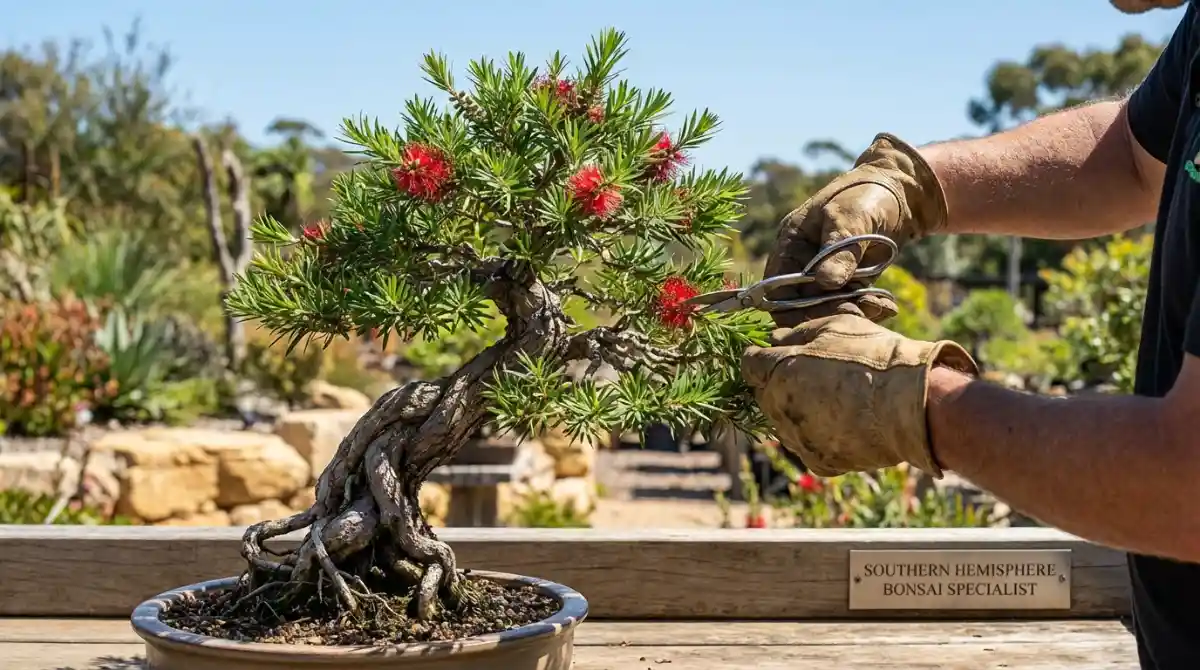
- Melaleuca (Paperbark): Known for their distinctive paper-like bark and often vibrant bottlebrush flowers, Melaleucas are tough and respond well to bonsai techniques.
- Callistemon (Bottlebrush): Another iconic Australian plant, Bottlebrush species have striking flowers and develop interesting bark. They are forgiving and grow vigorously.
- Portulacaria afra (Dwarf Jade / Elephant Bush): While technically from South Africa, this succulent is incredibly popular and adaptable in Australian climates. It’s extremely forgiving, easy to propagate, and grows rapidly, perfect for practicing styling.
Recommended New Zealand Native Bonsai Species:
- Pohutukawa (Metrosideros excelsa): New Zealand’s ‘Christmas Tree’ offers beautiful foliage, striking red flowers, and a robust nature. It adapts well to bonsai styling.
- Kanuka and Manuka (Kunzea ericoides, Leptospermum scoparium): Similar to Australian Tea Trees, these produce small leaves, textured bark, and a dense canopy, ideal for miniature landscapes.
“Starting with a species that naturally thrives in your local environment significantly reduces the initial challenge, allowing you to focus on learning the art of bonsai rather than battling climatic issues.”
When choosing, consider your local climate zone. Coastal areas, arid regions, and temperate zones all have specific plants that will fare better. For a broader perspective on how various species adapt to different environmental conditions, consider our Bonsai Species Comparison for Different Climates. Don’t hesitate to ask your local nursery or bonsai club for recommendations tailored to your exact location. This foundational step ensures a greater chance of success for your first bonsai for beginners Australia project.
Finding Your First Bonsai Tree
Once you have an idea of suitable species, the next exciting step is acquiring your first tree. You have several options, each with its own advantages for a beginner:
Where to Look:
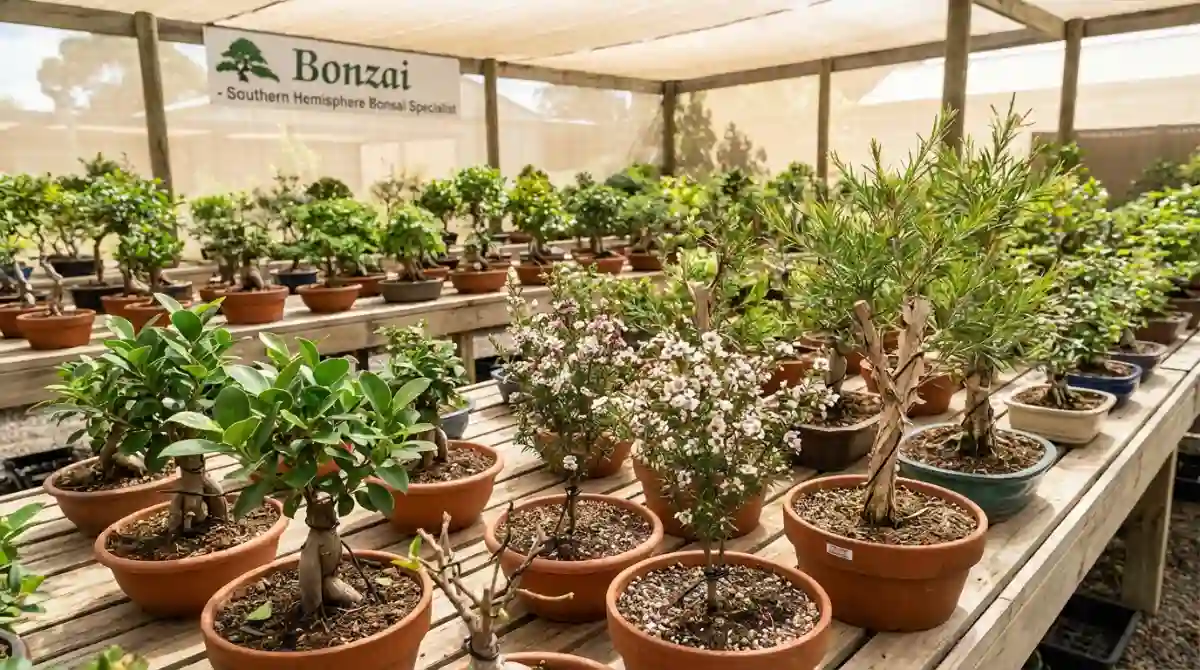
- Local Nurseries & Garden Centres: Great places to find young, healthy plants that can be styled into bonsai. Look for trees with interesting trunks and good branch distribution at the base.
- Specialist Bonsai Nurseries: Dedicated bonsai nurseries will have a range of pre-bonsai material and sometimes even finished bonsai. Staff offer expert advice.
- Online Retailers: Many reputable online stores cater to the Australian and NZ bonsai community, offering a wide selection and convenient delivery.
- Bonsai Club Sales/Swaps: Joining a local club often provides access to member sales or swaps, where you can find unique material and get advice directly from experienced enthusiasts.
What to Look For in a Beginner Tree:
- Strong, Tapered Trunk: A thick trunk that tapers towards the top creates a sense of age and stability.
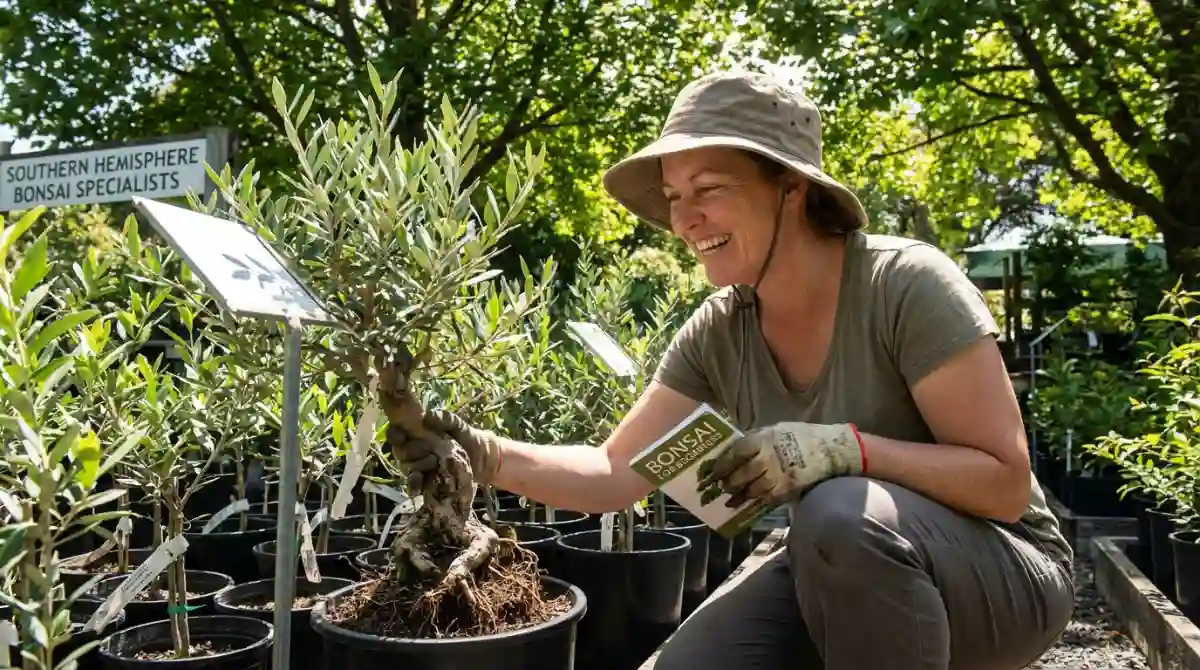
- Good Nebari (Root Flair): The visible surface roots fanning out from the base of the trunk are crucial for a convincing miniature.
- Healthy Foliage: Look for vibrant, pest-free leaves. This indicates a healthy root system.
- Branching Potential: Aim for a tree with branches relatively low on the trunk that can be styled to create a canopy.
- Overall Vigor: The tree should look strong and established, not weak or stressed.
Don’t feel pressured to buy an expensive, perfectly formed bonsai. For a beginner, a robust nursery plant with potential is often a more rewarding starting point. It allows you to learn the techniques from the ground up and develop your own styling vision. This hands-on approach is key to mastering bonsai for beginners Australia.
Initial Potting and Placement Tips
Once you’ve brought your first potential bonsai home, the initial potting and placement are critical for its health and future development. This step-by-step guide will walk you through the process, setting your tree up for success.
1. Choosing the Right Pot
For your first repotting, especially from nursery stock, a slightly deeper training pot or even a larger grow pot can be beneficial for root development. Ensure it has ample drainage holes. Traditional shallow bonsai pots are usually chosen once the tree has developed a more defined form.
2. Potting Mix Essentials
The right soil is paramount. Bonsai require a fast-draining, well-aerated, moisture-retentive, but not waterlogged, substrate. A good beginner mix in Australia and NZ often includes:
- Akadama: A hard-baked clay granule that absorbs water and releases it slowly.
- Pumice: Lightweight volcanic rock, provides excellent drainage and aeration.
- Lava Rock: Similar to pumice, offers structure and trace minerals.
- Pine Bark Fines: Adds some moisture retention and nutrients, but use sparingly to avoid compaction.
A common beginner ratio is 1:1:1 of Akadama, Pumice, and Lava Rock, or similar inorganic components, with a small percentage of organic matter. Avoid regular garden soil, which compacts easily and retains too much water for bonsai. For a comprehensive guide on creating the perfect environment for your tree’s roots, including detailed fertilization schedules, explore our article on Bonsai Soil, Fertilization & Nutrition.
3. The Potting Process
- Prepare the Tree: Carefully remove the tree from its original container. Gently untangle and prune any thick, circling, or damaged roots. Aim to reduce the root ball by about 20-30% for vigorous species. Should you encounter signs of decay, learning about Root Rot Treatment Bonsai can be invaluable.
- Prepare the Pot: Place drainage screens over the holes to prevent soil loss. Consider threading anchoring wires through the holes before adding soil to secure the tree.
- Add Base Layer of Soil: Place a thin layer of your chosen bonsai mix at the bottom of the pot.
- Position the Tree: Centre your tree, considering its ‘front’. Spread the roots radially over the base layer of soil.
- Anchor the Tree: If using wires, secure the tree firmly in place to prevent movement, which can damage new root growth.
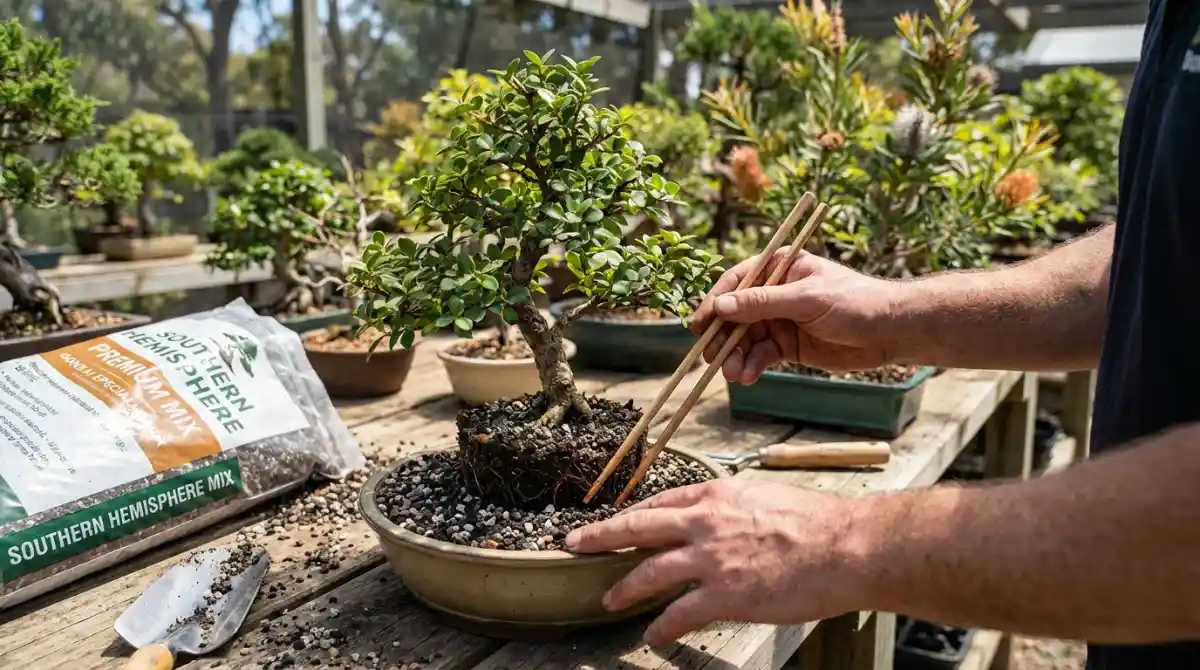
- Fill with Soil: Gently work the bonsai mix into and around the roots using a chopstick or similar tool to eliminate air pockets. Ensure the soil level is slightly below the rim.
- Water Thoroughly: Water until it drains freely from the bottom. Repeat a few times to settle the soil.
4. Initial Placement & Aftercare
After repotting, place your bonsai in a sheltered location that receives bright, indirect light, away from strong winds and intense midday sun. This allows the tree to recover. For the first few weeks, ensure the soil remains consistently moist but not waterlogged. Avoid fertilising immediately; wait until you see signs of new growth, typically 4-6 weeks after repotting. Consistent care in these early stages is vital for bonsai for beginners Australia.
Community Resources for New Enthusiasts
One of the most valuable resources for any beginner in bonsai is the community itself. Australian and New Zealand bonsai enthusiasts are known for their welcoming and supportive nature. Connecting with others can accelerate your learning, provide encouragement, and open doors to new material and techniques.
Bonsai Clubs & Societies:
- Local Expertise: Clubs offer a wealth of local knowledge, crucial for understanding which species thrive in your specific area and how to care for them.
- Workshops & Demonstrations: Many clubs host regular workshops, bringing in experienced artists to teach fundamental and advanced techniques.
- Mentorship: Senior members are often happy to share their wisdom and guide newcomers through their first projects. For more structured learning, consider exploring Bonsai Mentorship Programs: Finding a Teacher, or find broader guidance on community connections in Finding Bonsai Mentors & Clubs in NZ: Connect with Your Community.
- Tree Sales & Swaps: Clubs often have opportunities to purchase or swap pre-bonsai material and tools at member-friendly prices.
Search online for “bonsai club near me Australia” or “bonsai society New Zealand” to find your closest group, or refer to resources like Finding Local Bonsai Clubs and Societies for comprehensive listings. Attending a meeting is a fantastic way to gauge if it’s the right fit for you.
Online Forums & Social Media Groups:
The digital world offers a global yet localized network of bonsai lovers. Facebook groups dedicated to Australian or New Zealand bonsai, and international forums with active Southern Hemisphere members, provide platforms to ask questions, share progress, and receive constructive feedback. These can be particularly useful for visual learners, as photos and videos are easily shared.
Workshops & Special Events:
Beyond regular club meetings, keep an eye out for larger regional or national bonsai conventions and workshops. These events often feature renowned international artists, offering unique learning opportunities and a chance to see truly exceptional bonsai. Many nurseries also host beginner-friendly workshops to kickstart your journey into bonsai for beginners Australia.
Conclusion: Your Bonsai Journey Begins Here
Embarking on the art of bonsai in Australia and New Zealand is a deeply rewarding endeavour. By choosing appropriate local species, carefully sourcing your first tree, understanding the fundamentals of potting, and actively engaging with the vibrant local bonsai community, you’re well on your way to cultivating not just beautiful trees, but also patience, creativity, and a profound connection to nature. Remember, every master was once a beginner. Embrace the learning process, enjoy the journey, and watch your miniature landscapes flourish!
Frequently Asked Questions about Bonsai for Beginners Australia & NZ
What are the easiest bonsai trees for beginners in Australia?
For beginners in Australia, Ficus species (like Green Island Ficus), Portulacaria afra (Dwarf Jade), Leptospermum (Tea Tree), and Melaleuca (Paperbark) are highly recommended. They are resilient, adapt well to local climates, and respond forgivingly to beginner mistakes, making them ideal choices for learning.
How often should I water my new bonsai in Australia?
Watering frequency depends on the species, pot size, soil mix, and local climate. Generally, you should water your bonsai when the top inch or two of soil feels dry to the touch. In Australia’s warmer months, this might be daily or even twice a day, while in cooler periods, it could be every few days. Always water thoroughly until it drains from the bottom.
Can I use regular garden soil for my bonsai in New Zealand?
No, regular garden soil is generally not suitable for bonsai. It tends to compact, retain too much water, and lack the aeration that bonsai roots need to thrive. Bonsai require a specific, fast-draining, well-aerated soil mix, often composed of inorganic components like Akadama, pumice, and lava rock, mixed with a small amount of organic matter.
Where can I find a bonsai club in Australia or New Zealand?
Bonsai clubs and societies are active across both Australia and New Zealand. A simple online search for “bonsai club [your city/region] Australia” or “bonsai society New Zealand” will typically yield local groups. Many national bonsai organisations also list affiliated clubs on their websites, providing a great starting point for beginners.
Is it expensive to start a bonsai hobby in Australia?
Starting bonsai doesn’t have to be expensive. You can begin with inexpensive nursery stock, basic tools, and easily accessible potting mix components. While specialist bonsai trees and advanced tools can be an investment later on, a beginner can get started with minimal outlay, focusing on learning the fundamentals before investing heavily. Many clubs offer affordable workshops and material as well.