Ultimate Guide to Bonsai Species Care
Understanding specific bonsai species care is essential for a thriving, beautiful miniature tree. This comprehensive guide provides detailed insights into the unique needs of various bonsai types, ensuring your beloved plant flourishes through every season.
Bonsai species care refers to the specialized techniques and knowledge required to cultivate specific types of bonsai trees, such as Junipers, Maples, or Azaleas. This individualized approach respects each species’ unique needs for watering, light, soil, and pruning, ensuring optimal health and artistic development.
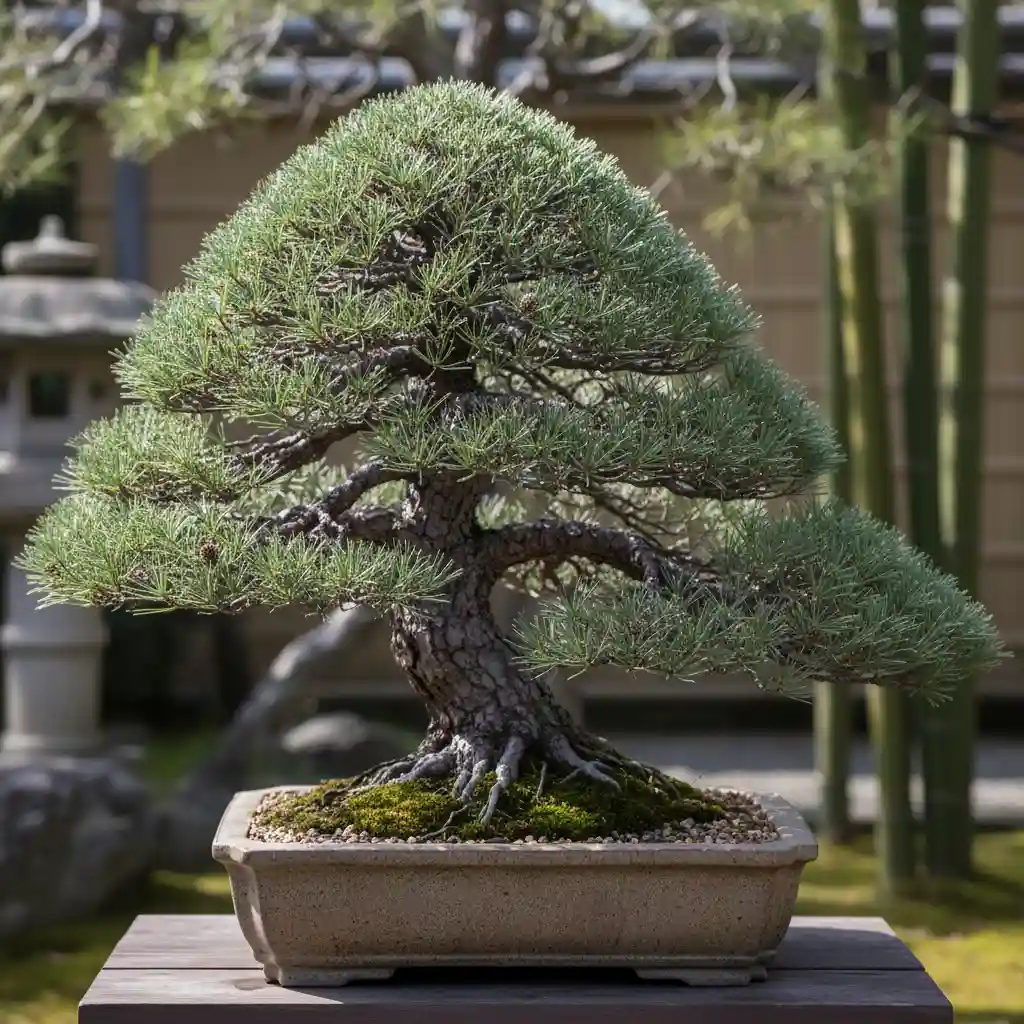
Table of Contents
Understanding Your Bonsai’s Unique Needs
Just like humans, every bonsai species has its own personality and specific requirements. What works for a resilient Juniper might harm a delicate Azalea. True mastery in bonsai cultivation begins with a deep appreciation for these individual differences. Ignoring them often leads to stress or decline in your miniature tree.
This foundational knowledge is key to moving beyond basic care. By understanding the native environment and growth habits of your specific tree, you can replicate ideal conditions. This personalized approach to bonsai species care ensures vibrant health and robust growth, transforming a simple plant into a living work of art.
Essential Bonsai Species Care Guides
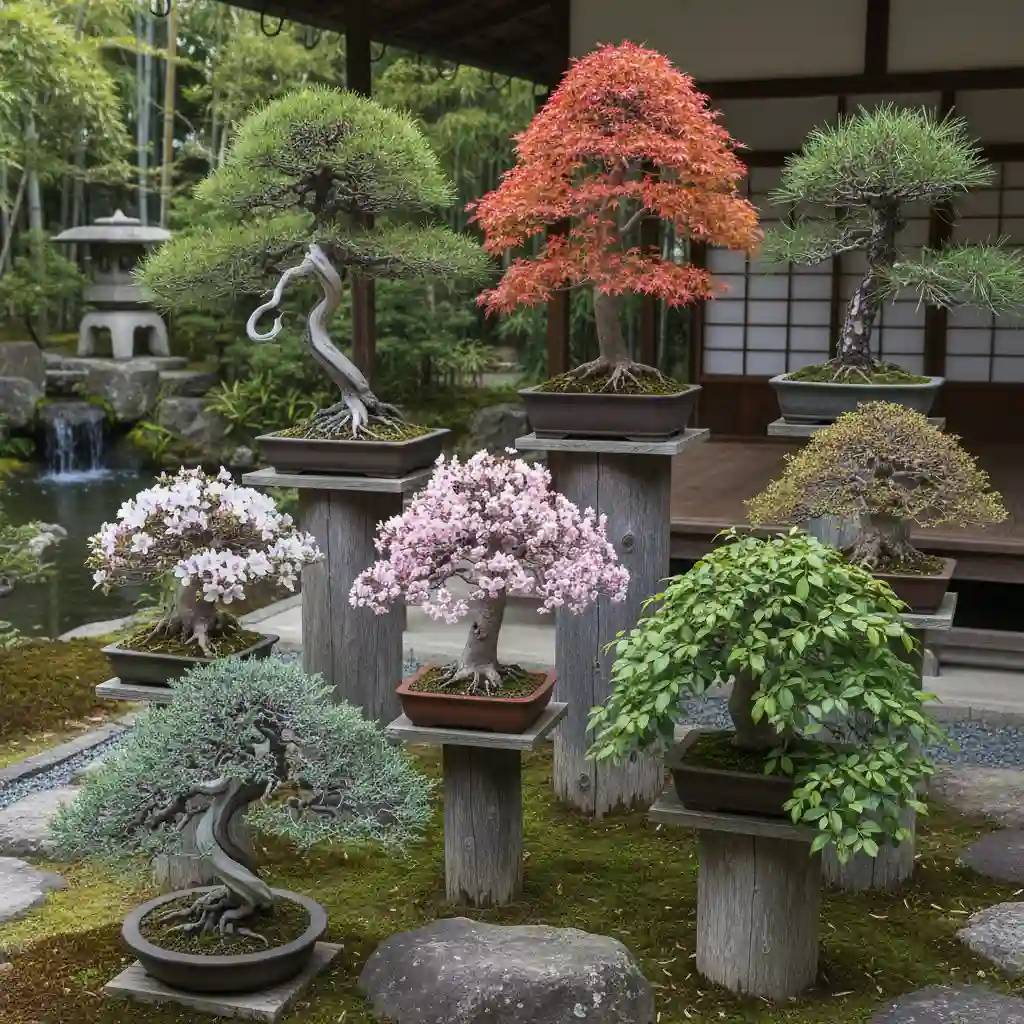
The world of bonsai is rich with diverse species, each offering unique challenges and rewards. Our experts have compiled comprehensive guides to help you navigate the specific requirements for popular types.
Whether you’re caring for a resilient evergreen or a vibrant flowering deciduous, understanding their distinct needs for things like winter dormancy, pest resistance, and feeding cycles is crucial. This section provides an overview of key considerations for different bonsai species care categories.
Deciduous Bonsai: Maples and Elms
Deciduous bonsai, like Japanese Maples and Chinese Elms, are prized for their seasonal beauty. They demand specific care routines that change with the seasons. Their vibrant autumn foliage and intricate bare branches in winter are highlights, but require careful management.
- Watering: Consistent moisture is vital, especially during growth periods. Reduce significantly in winter dormancy.
- Light: Prefer full to partial sun, protecting from intense afternoon heat in summer.
- Soil: Well-draining soil mix is essential to prevent root rot.
- Pruning: Structural pruning in late winter; leaf pruning in summer for ramification.
Understanding their dormancy cycle is critical. Proper winter protection ensures they return with vigor in the spring.
Coniferous Bonsai: Pines and Junipers
Coniferous bonsai, such as Pines and Junipers, are evergreen, offering year-round beauty. Their care differs significantly from deciduous varieties, often requiring more nuanced techniques for shaping and needle reduction.
- Watering: Allow soil to dry slightly between waterings. Overwatering is a common killer.
- Light: Thrive in full sun, needing ample light to maintain dense foliage.
- Soil: Very free-draining soil is paramount to prevent waterlogging.
- Pruning: Pinching and candle cutting for Pines; clip-and-grow or wiring for Junipers, avoiding hard pruning on old wood.
These species often respond well to wiring for precise shaping, but care must be taken to avoid scarring the bark.
Flowering Bonsai: Azaleas and Wisteria
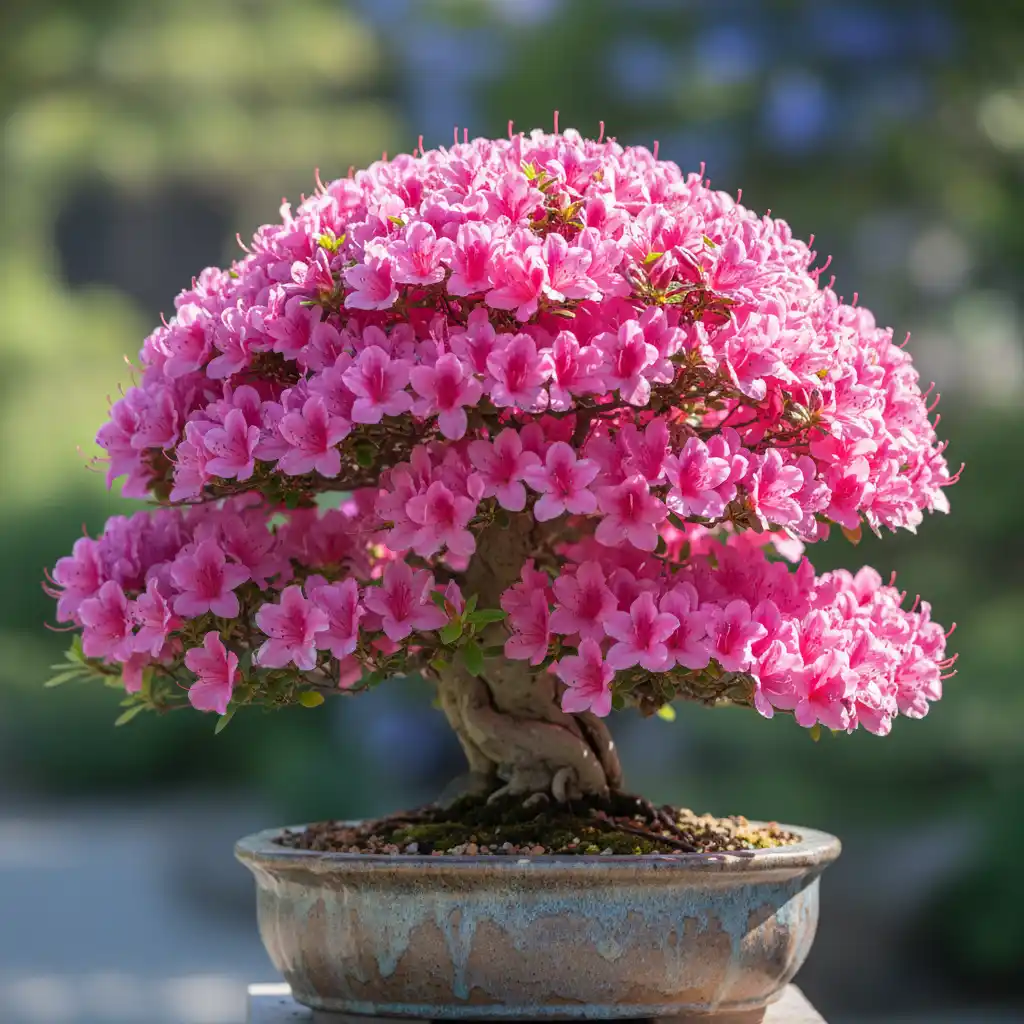
Flowering bonsai bring bursts of color and fragrance to your collection. Azaleas and Wisteria are popular choices, but their flowering cycles dictate specific timing for pruning and feeding.
- Watering: Require consistent moisture, especially during bloom. Azaleas prefer acidic water.
- Light: Partial shade is often ideal, protecting delicate blooms from direct, harsh sun.
- Soil: Azaleas need acidic soil. Wisteria prefers rich, well-draining soil.
- Pruning: Prune after flowering to encourage next year’s blooms. Avoid pruning too late.
Fertilizing correctly to support both foliage and flower production is a delicate balance.
Mastering Watering, Light, and Soil
These three elements form the bedrock of successful bonsai cultivation. Incorrect watering, inadequate light, or poor soil are the most common reasons for bonsai decline. Understanding how to tailor these factors to your specific bonsai species care needs is paramount.
Watering Techniques for Different Species
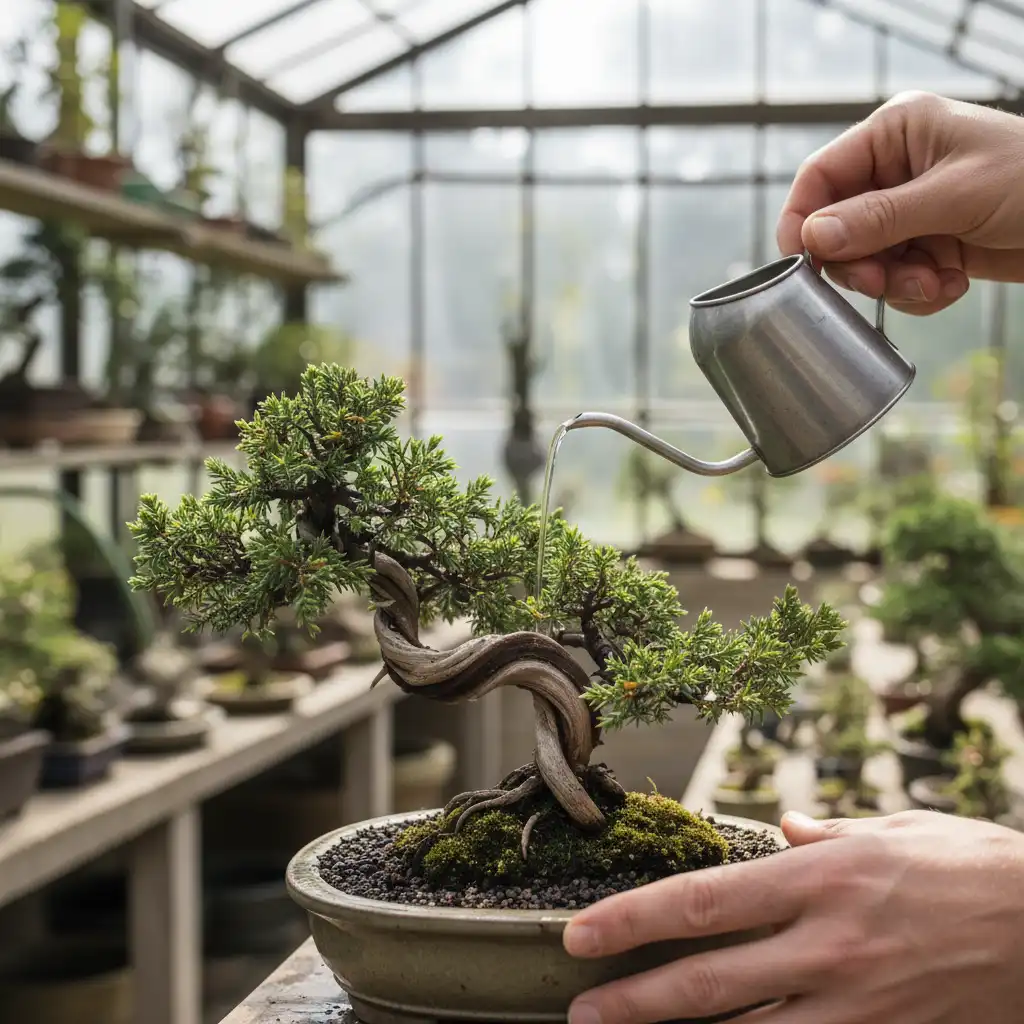
Watering isn’t a “one-size-fits-all” task. Some species, like many deciduous trees during summer, prefer consistent moisture. Others, particularly many conifers, thrive when their soil dries slightly between waterings. Always check the soil moisture before watering. Water thoroughly until it drains from the bottom.
Factors like pot size, soil composition, and local climate heavily influence watering frequency. For comprehensive guidance on caring for your bonsai, it’s always beneficial to consult dedicated resources.
Optimizing Light Exposure
Light is food for plants. Most bonsai thrive in bright, indirect light or full sun for part of the day. However, some delicate species, especially flowering ones, may require protection from harsh midday sun to prevent leaf scorch or faded blooms. Rotate your tree periodically to ensure even growth.
Choosing the Right Soil Mix
The ideal bonsai soil promotes excellent drainage, good aeration, and sufficient water retention. A common mix includes akadama, pumice, and lava rock. However, specific species might benefit from slight adjustments. For instance, Azaleas prefer a more acidic mix. Always ensure your chosen mix matches your tree’s requirements to prevent root issues.
Precision Pruning and Shaping Techniques
Pruning and shaping are the artistic heart of bonsai. These techniques allow you to guide your tree’s growth, create desired forms, and maintain its miniature size. Precision in these tasks is what truly defines a stunning bonsai.
Understanding Different Pruning Types
There are two main types of pruning:
- Structural Pruning: Involves removing larger branches to establish the overall form and taper of the trunk. This is often done less frequently.
- Maintenance Pruning: Regular trimming of new growth to maintain the established shape, encourage ramification (fine branching), and promote smaller leaves. This is a continuous process.
The timing and intensity of pruning vary significantly by species. For example, some conifers can be damaged by extensive hard pruning on old wood, while deciduous trees tolerate it well during dormancy.
The Art of Wiring and Styling
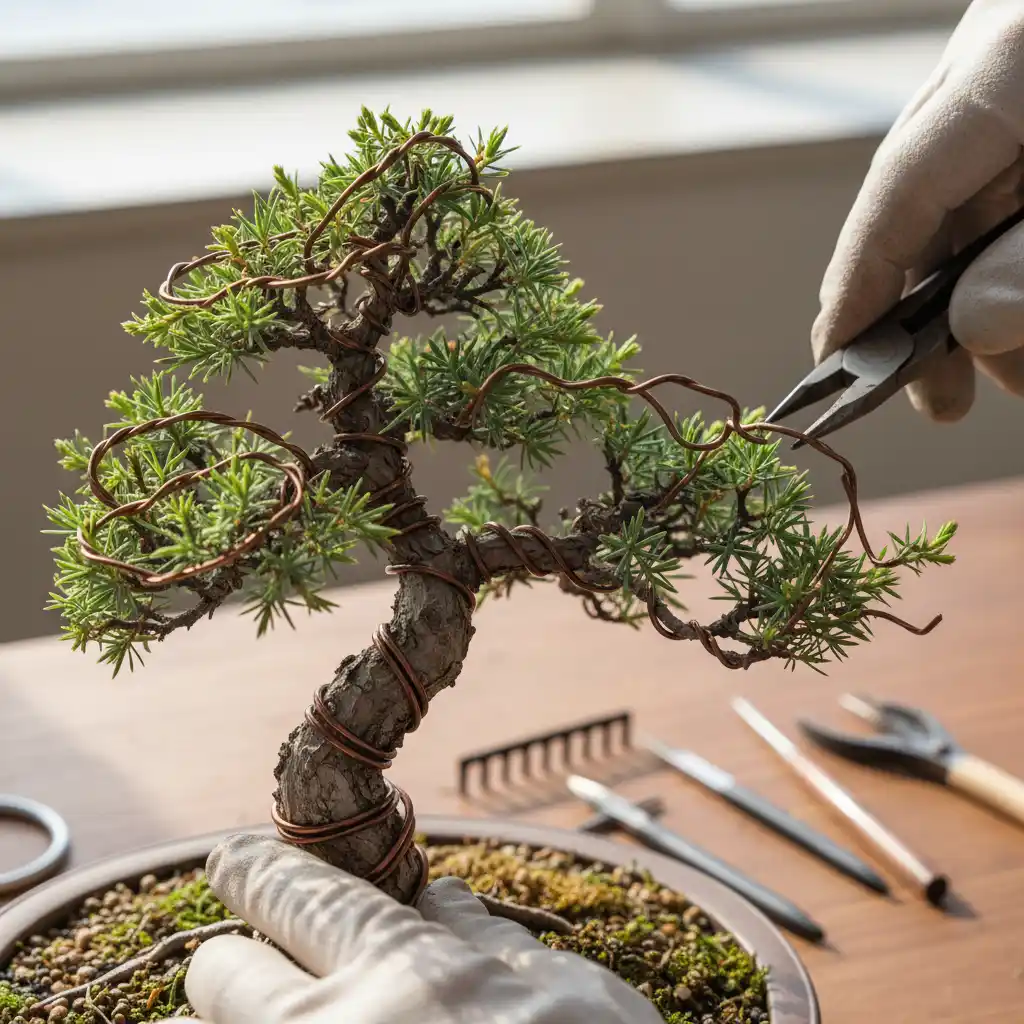
Wiring is another fundamental technique used to bend and position branches and trunks to achieve a desired style. Aluminum or copper wires are carefully applied to branches, holding them in place as they grow. Wires should be checked regularly and removed before they bite into the bark, which can cause unsightly scarring. Proper wiring techniques, combined with thoughtful pruning, are crucial for sculpting your bonsai species care masterpiece.
Troubleshooting Common Bonsai Problems
Even with the best bonsai species care, problems can arise. Recognizing symptoms early and knowing how to respond is vital for your tree’s survival. Common issues include yellowing leaves, pests, diseases, and stunted growth.
Many problems stem from incorrect watering or light. For example, yellowing leaves could indicate overwatering or underwatering, depending on the species. Knowing your specific tree’s needs will guide your diagnosis. Always inspect your tree regularly for any signs of distress, and adjust its environment or care routine accordingly. Early intervention can prevent minor issues from becoming critical.
Our comprehensive resources at Bonzai cover detailed troubleshooting guides for a wide array of common ailments and specific species challenges, helping you find solutions quickly.
Elevating Your Bonsai Journey
The journey of bonsai cultivation is one of continuous learning and deep satisfaction. By focusing on detailed bonsai species care and expanding your knowledge, you can elevate your skills from a novice enthusiast to an expert practitioner. Embracing advanced techniques and understanding seasonal care deeply will transform your approach.
Bonzai is dedicated to being your ultimate resource, offering guides on everything from basic needs to advanced styling and problem-solving. We invite you to explore our extensive content, connect with our community, and continue to grow your passion for these living works of art. Keep learning, keep growing, and watch your bonsai thrive!