Southern Hemisphere Specific Bonsai Care
Unlock thriving Southern Hemisphere bonsai with our expert guide. Learn specific care, seasonal adjustments, and native plant tips for Australia & NZ.

bonzai.co.nz
What You Will Learn
Unlock thriving Southern Hemisphere bonsai with our expert guide. Learn specific care, seasonal adjustments, and native plant tips for Australia & NZ.
Southern Hemisphere Specific Bonsai Care: Thriving in Reverse Seasons
Embarking on the journey of bonsai cultivation in the Southern Hemisphere presents a unique set of challenges and immense rewards. Far from the conventional wisdom often derived from Northern Hemisphere traditions, successful bonsai care southern hemisphere demands a deep understanding of our distinct seasonal cycles and the specific needs of native flora. This comprehensive guide is crafted to empower enthusiasts, offering authoritative yet approachable insights into nurturing your miniature trees with precision and confidence.
Forget what you thought you knew about spring being in April or autumn leaves falling in October. Here, we embrace a world where December heralds summer and July brings the chill of winter. Understanding these fundamental differences is the cornerstone of developing a thriving Southern Hemisphere bonsai collection, especially when working with our incredible array of native species from Australia, New Zealand, South Africa, and beyond.
Understanding Unique Climates & Seasons
The most fundamental aspect of bonsai care southern hemisphere is recognizing the inverted seasons. When it’s summer in the Northern Hemisphere, it’s winter here, and vice-versa. This isn’t just a calendar swap; it dictates everything from growth cycles to dormancy periods for our trees. Beyond this, the Southern Hemisphere boasts an incredible diversity of climates:
- Temperate Zones: Regions like much of New Zealand, Tasmania, and parts of Victoria experience four distinct seasons, albeit with milder winters than many Northern Hemisphere counterparts.
- Subtropical/Tropical: Areas of Queensland, Northern Territory, and coastal New South Wales have warm, humid conditions, often with a wet and dry season rather than traditional spring/summer/autumn/winter.
- Arid/Semi-Arid: Inland Australia faces extreme heat and drought, requiring specific species selection and advanced watering strategies.
Each microclimate demands tailored attention. A ‘one-size-fits-all’ approach simply won’t work.
General Care Principles for Native Species
While exotic species can thrive, native Southern Hemisphere plants often offer resilience and beauty perfectly suited for bonsai. Consider species like the:
- New Zealand Pohutukawa (Metrosideros excelsa): Known for its vibrant red flowers and aerial roots.
- Australian Tea Tree (Leptospermum spp.): Delicate foliage and prolific flowers.
- Port Jackson Fig (Ficus rubiginosa): Robust, excellent for creating banyan styles.
- Various Acacias and Eucalypts: Offering unique foliage and bark textures, though some can be challenging.
These species are already adapted to local conditions, often requiring less intervention once established. Key principles include:
“Understanding a native species’ natural habitat — its light, water, and soil preferences — is the single most important step in successful Southern Hemisphere bonsai care.”
Adapting Northern Hemisphere Advice
Many classic bonsai texts originate from Japan, China, or Europe, assuming a Northern Hemisphere seasonal calendar. Directly applying their advice on bonsai care southern hemisphere without adjustment is a common pitfall. The golden rule is simple: Reverse the seasons.
- Spring tasks (e.g., repotting, heavy pruning) typically performed in March-April in the North, should be done in September-October here.
- Winter dormancy care (e.g., reduced watering, protection) for deciduous trees in December-January becomes June-July.
Always consider the *purpose* of the task in relation to the tree’s growth cycle, rather than simply the calendar month.
Key Differences in Watering, Feeding & Pruning
These three pillars of bonsai care are profoundly influenced by Southern Hemisphere seasonality.
Watering
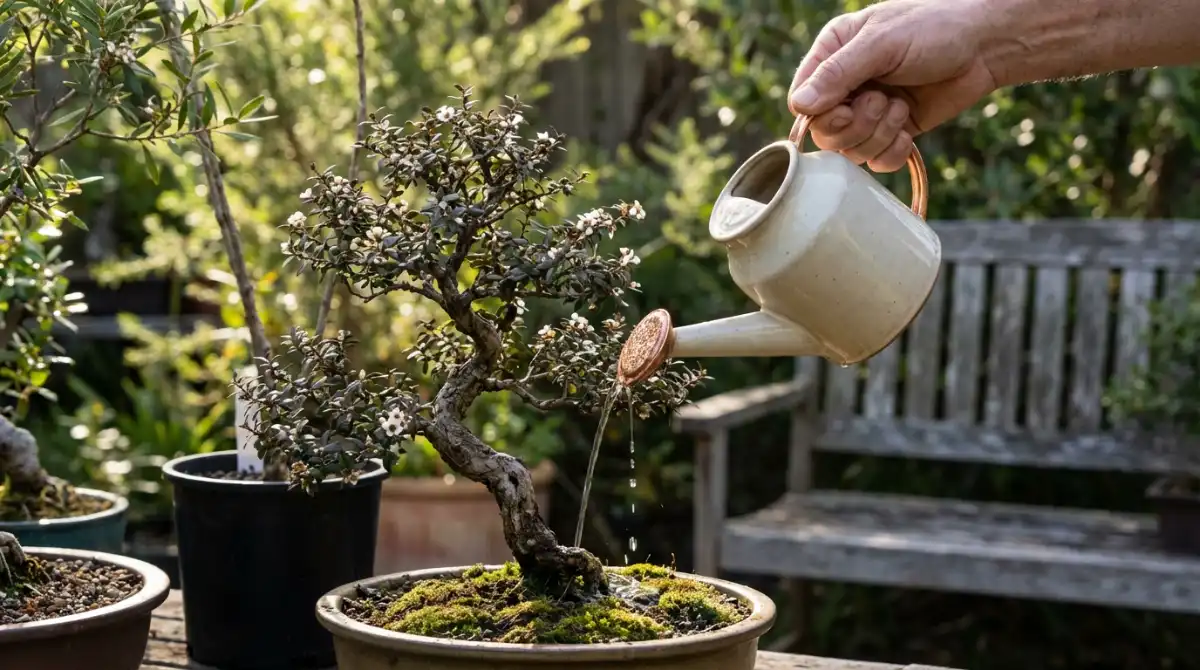
With hotter summers and potentially milder winters, watering schedules need careful attention. Trees often dry out faster during our intense summer heat (Dec-Feb) and may require more frequent watering than their Northern counterparts. Conversely, during winter (Jun-Aug), watering should be significantly reduced, especially for dormant deciduous species.
Feeding
Fertilization should align with active growth periods. For most species, this means a strong feeding regimen throughout our spring (Sep-Nov) and summer (Dec-Feb), tapering off in autumn (Mar-May) and ceasing almost entirely during winter dormancy. Tropical and subtropical natives might require a more consistent, year-round lighter feed, adjusting for their less pronounced dormancy.
Pruning
Structural pruning (heavy branch removal, initial shaping) is best done in late winter/early spring (August-October), allowing the tree to heal and push new growth into the warmer months. Maintenance pruning (trimming shoots to maintain shape) can be done throughout the growing season, adjusting frequency based on species vigor. Defoliation, if practiced, is typically performed in early to mid-summer (December-January) for temperate deciduous species, allowing a full flush of new, smaller leaves before autumn.
Regional Climate Impact on Bonsai Health
Specific regional challenges necessitate proactive strategies for optimal bonsai care southern hemisphere:
- Coastal Areas (e.g., Sydney, Auckland): Salt spray can damage foliage. Consider protective barriers or more salt-tolerant species. High humidity might increase fungal risk.
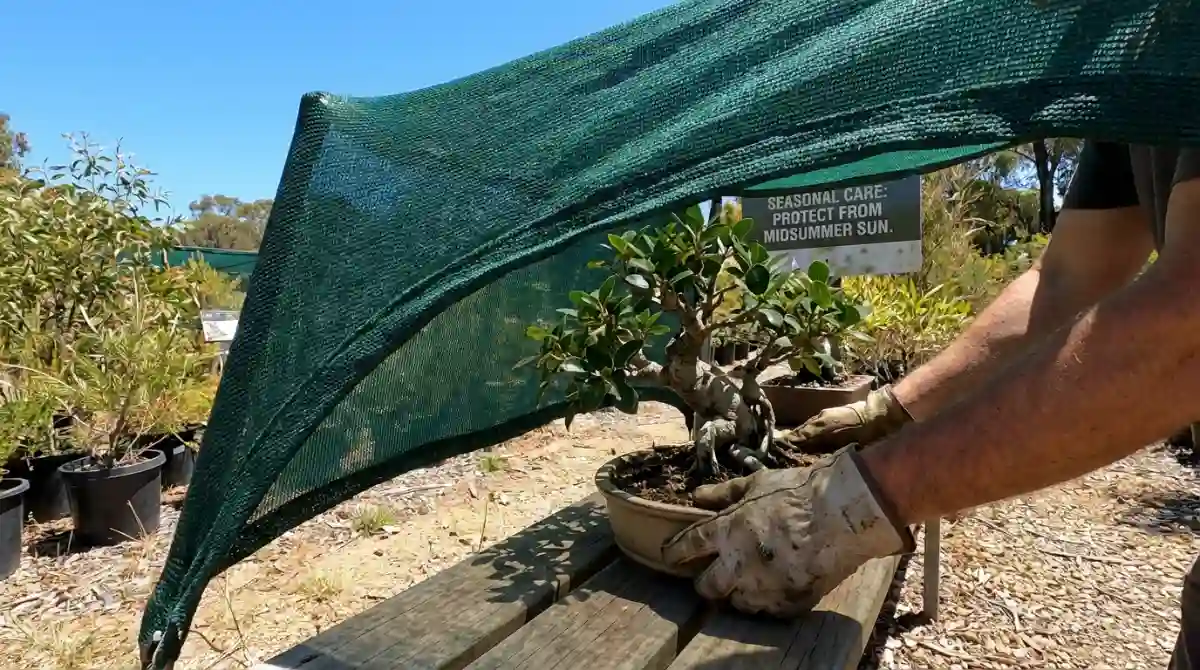
- Arid Zones (e.g., inland Australia): Intense sun and low humidity are major stressors. Shade cloth in summer, humidity trays, and careful watering are crucial. Drought-tolerant native species are highly recommended.
- Frost-Prone Areas (e.g., inland Canterbury, NZ; higher altitudes in Australia): Winter protection is essential for tender species. Move trees indoors or into frost houses/cold frames.
Visual-First Guides: What to Look For
Your trees will tell you what they need if you learn to listen. Become a keen observer:
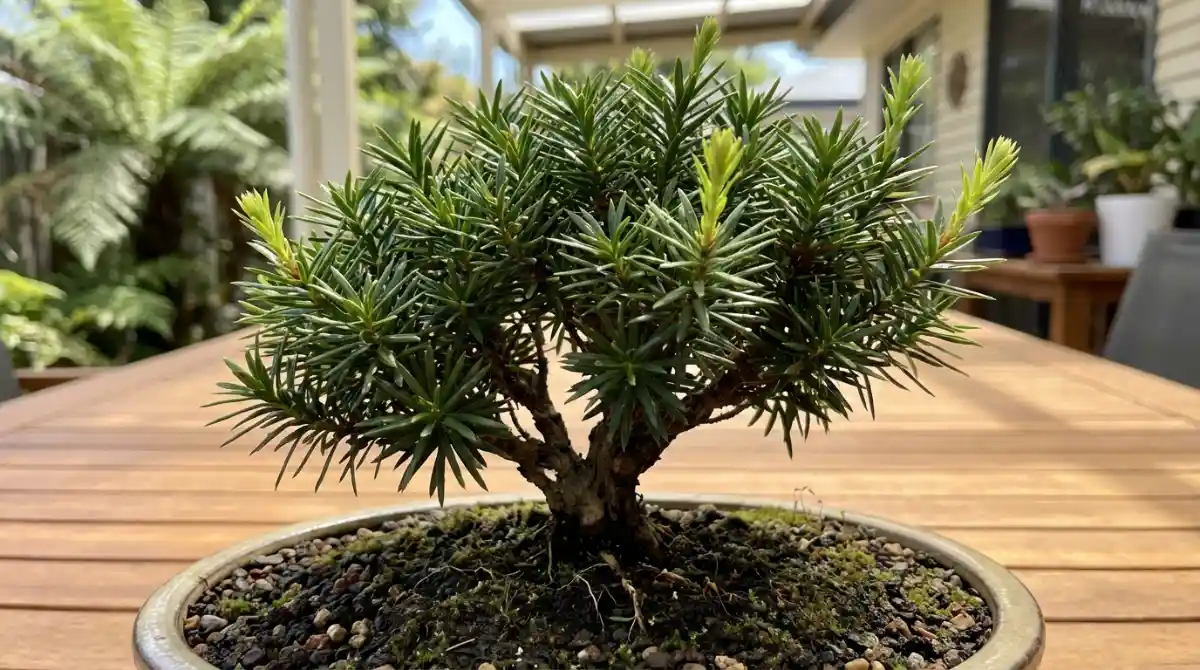
- Foliage: Drooping, yellowing, or browning leaves often indicate watering issues (too much or too little), nutrient deficiencies, or pest attacks. Healthy leaves are vibrant and turgid.
- New Growth: Strong, vigorous new shoots in spring/summer are a sign of health. Weak, leggy growth might suggest insufficient light or nutrients.
- Bark: Cracking or peeling can be normal for some species, but unusual lesions or discolouration could indicate disease.
- Soil Surface: Dry, crumbly soil indicates a need for water. Green algae or persistent dampness suggests overwatering or poor drainage.
Southern Hemisphere Bonsai Seasonal Care Checklist
Use this action checklist as a general guide for bonsai care southern hemisphere. Adjust timings based on your specific microclimate and species.
- Spring (Sept-Nov):
- Repotting deciduous and most evergreen species.
- Heavy structural pruning.
- Increase watering and begin consistent feeding.
- Wiring and initial styling.
- Summer (Dec-Feb):
- Daily or twice-daily watering in hot periods.
- Maintain feeding regime.
- Maintenance pruning to refine shape.
- Protect from extreme sun (shade cloth).
- Monitor closely for pests and diseases.
- Autumn (Mar-May):
- Reduce watering as temperatures drop.
- Taper off fertilization.
- Continue maintenance pruning.
- Prepare for winter (clean up fallen leaves, ensure good drainage).
- Winter (Jun-Aug):
- Significantly reduce watering; only water when soil is almost dry.
- Cease feeding for most species.
- Protect tender species from frost.
- Planning for spring tasks.
- Hardening off collected stock for next spring.
Expert Resources & Community
The best way to refine your bonsai care southern hemisphere skills is through hands-on experience and community involvement. Seek out:
- Local Bonsai Clubs: These are invaluable for tailored advice, workshops, and access to local knowledge.
- Specialist Nurseries: Look for nurseries that understand and stock native bonsai material.
- Online Forums & Groups: Many dedicated Southern Hemisphere bonsai communities exist where you can share experiences and ask questions.
Frequently Asked Questions
Q: Can I use Northern Hemisphere bonsai soil mixes in the Southern Hemisphere?
A: While many basic components (akadama, pumice, lava rock) are universal, it’s crucial to adjust ratios based on your local climate. For example, in very hot Southern Hemisphere summers, you might need a mix that retains slightly more moisture or use larger particle sizes to improve drainage and aeration, especially for native species adapted to specific local soils.
Q: When is the best time to collect native material for bonsai in the Southern Hemisphere?
A: The ideal time for collecting native material (yamadori) is typically in late winter or early spring (August to October) when the tree is dormant or just beginning to show signs of awakening. This allows the tree to recover and establish new roots before the intense summer heat. Always ensure you have permission to collect from private land and adhere to local regulations for public lands.
Q: How do I protect my bonsai from extreme Southern Hemisphere summer heat?
A: Intense summer heat (December-February) is a significant challenge. Strategies include moving trees to semi-shaded locations, using shade cloth (30-50% block-out), placing trees on humidity trays, ensuring optimal watering, and avoiding repotting or heavy pruning during peak heat periods. Consider heat-tolerant native species for these conditions.
References & Further Reading
- Australian Bonsai Community Forum. (Ongoing). Discussions on native species and regional care.
- New Zealand Bonsai Society Publications. (Various). Articles on New Zealand native trees for bonsai.
- Grant, K. (2002). Bonsai: The Australian & New Zealand Book. Kangaroo Press. (Specific regional guide).
- The Art of Bonsai Project. (Ongoing). Online resource with articles by international artists, including some from the Southern Hemisphere.