Southern Hemisphere Bonsai Fundamentals: Adapting to NZ Climate
Master Southern Hemisphere bonsai techniques adapted for NZ’s unique climate. Learn seasonal care, microclimate strategies, essential tools, and design principles for your native New Zealand bonsai collection.
bonzai.co.nz
What You Will Learn
Master Southern Hemisphere bonsai techniques adapted for NZ’s unique climate. Learn seasonal care, microclimate strategies, essential tools, and design principles for your native New Zealand bonsai collection.
Southern Hemisphere Bonsai Fundamentals: Adapting to NZ Climate
Embarking on the art of bonsai in the Southern Hemisphere presents a unique set of challenges and exhilarating opportunities. For enthusiasts in Aotearoa, New Zealand, understanding the distinctive rhythms of our seasons is paramount. This comprehensive guide will equip you with the essential Southern Hemisphere bonsai techniques, tailored specifically to thrive in the diverse and dynamic New Zealand climate. Dive in to transform your approach and cultivate breathtaking native and exotic bonsai with expert precision.
Why Southern Hemisphere Bonsai is Different
The fundamental difference for Southern Hemisphere bonsai techniques lies in the inversion of seasons. While Northern Hemisphere guides might advise repotting in spring (March-April), for New Zealand growers, our spring arrives in September-November. This simple shift dictates everything from watering schedules to pruning times and greatly influences how we apply traditional bonsai principles.
This seasonal flip isn’t just a matter of timing; it’s about re-calibrating your entire horticultural mindset. Species that might go dormant in winter in Europe might be preparing for their main growth flush here. Successfully cultivating bonsai in NZ means deeply understanding these inversions and how they affect tree physiology.
“Mastering bonsai in the Southern Hemisphere isn’t about mere translation of techniques, but a profound reinterpretation through the lens of local climate and seasonality.”
Seasonality & Timing for NZ Growers
One of the most crucial aspects of Southern Hemisphere bonsai techniques is precision in seasonal timing. Here’s a step-by-step guide to year-round care in New Zealand.

1. Late Winter & Early Spring (August – September): The Awakening
- Repotting: This is prime time for repotting most deciduous and many evergreen species, just as buds begin to swell.
- Heavy Pruning: Structural pruning can be done now, as the tree prepares for a strong growth spurt.
- Fertilizing: Start with a low-nitrogen fertilizer as active growth resumes.
2. Spring & Early Summer (October – December): Growth & Shaping
- Wiring & Shaping: Young, flexible branches are ideal for wiring and initial shaping. Monitor wire to prevent biting into bark.
- Pinching & Trimming: Regular pinching and trimming will manage vigorous growth and refine canopy shape.
- Watering: Increase watering frequency as temperatures rise and growth accelerates.
3. Mid-Summer (January – February): Protection & Refinement
- Shade: Protect sensitive species from intense afternoon sun to prevent scorching.
- Watering: Daily, sometimes twice daily, watering is crucial. Ensure good drainage.
- Minor Pruning: Only light pruning to maintain shape; avoid heavy work that could stress the tree.
- Pest & Disease Control: Monitor closely for pests and diseases, which can be active in warm, humid conditions.
4. Autumn (March – May): Preparation for Dormancy
- Reduced Fertilizing: Switch to a low-nitrogen, high-potassium fertilizer to encourage hardening off.
- Last Repotting: Some species, particularly evergreens, can be repotted in early autumn if absolutely necessary, but spring is generally safer.
- Defoliation (Selective): For some deciduous species, selective defoliation can encourage ramification.
5. Winter (June – July): Rest & Planning
- Protection: Protect frost-sensitive species. While much of NZ has mild winters, specific microclimates can experience hard frosts.
- Reduced Watering: Water only when the soil surface begins to dry. Overwatering is a common winter killer.
- Planning: Use this dormant period to plan your next season’s work, including design changes and material acquisition.
Understanding Microclimates in New Zealand
New Zealand’s geography is famously diverse, leading to a myriad of microclimates. From the subtropical Northland to the alpine regions of the South Island, the conditions your bonsai experiences can vary wildly even within a few kilometers. This makes adapting your Southern Hemisphere bonsai techniques crucial.
Factors like proximity to the coast, elevation, prevailing winds, and even the orientation of your own garden can create unique environments. A sheltered courtyard might offer frost protection that an open, exposed site lacks. Coastal areas often benefit from higher humidity but must contend with salt-laden winds, while inland areas might experience more extreme temperature swings.
“Successful NZ bonsai cultivation hinges on a keen observation of your local microclimate and adjusting care routines accordingly.”
Consider where your trees are placed. Move delicate species to more sheltered spots in winter or to partial shade in summer. Grouping trees can also create a beneficial microclimate, increasing humidity and offering mutual protection.
Essential Tools & Materials for NZ Bonsai
While many fundamental bonsai tools are universal, sourcing quality materials adapted for NZ conditions is key. Investing in good tools makes the intricate work of Southern Hemisphere bonsai techniques more enjoyable and effective.
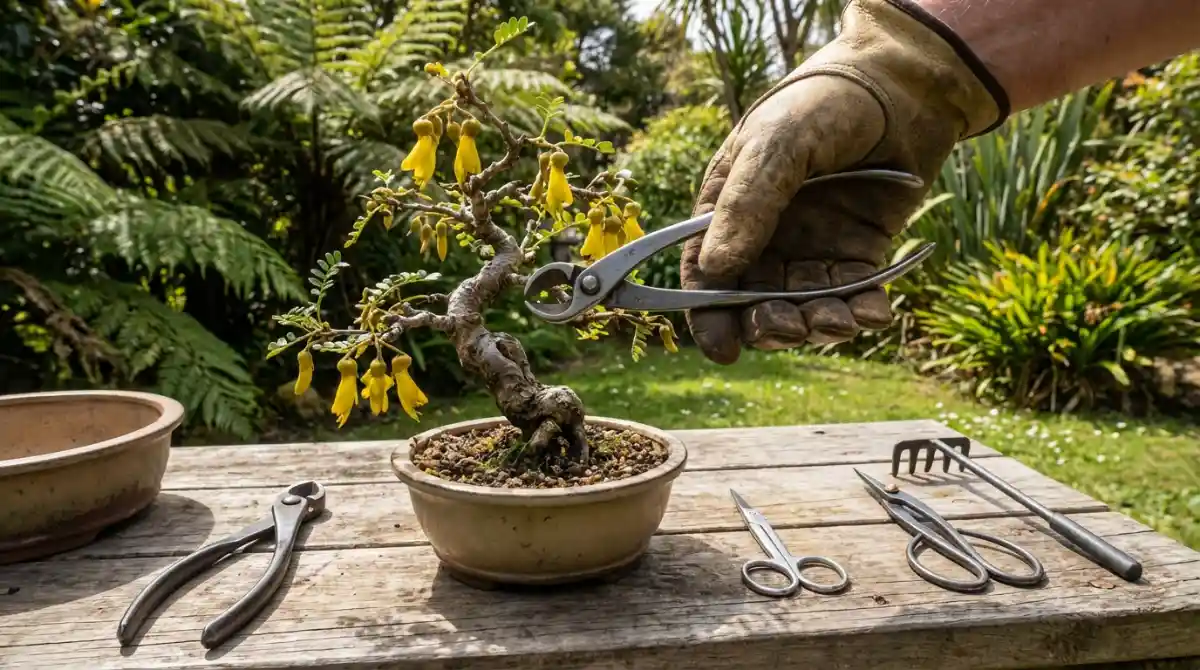
- Concave Cutters: Indispensable for clean cuts that heal flush with the trunk, minimizing unsightly scars.
- Wire Cutters: Essential for safely removing wiring without damaging bark or branches.
- Shears: Various sizes for fine branch trimming and defoliation.
- Root Hooks/Chopsticks: For teasing apart roots during repotting without causing undue damage.
- Bonsai Soil: A well-draining, air-retentive mix is critical. Many NZ growers create their own blends using local pumice, bark, and akadama substitutes. Avoid heavy garden soil which retains too much moisture.
- Bonsai Wire: Anodized aluminum or annealed copper wire, in various gauges, for shaping branches.
Basic Principles of Design & Aesthetics
Bonsai is not merely growing a small tree; it’s a living art form rooted in principles of natural beauty and balance. When applying Southern Hemisphere bonsai techniques, especially with NZ native species, these aesthetic guidelines remain paramount.
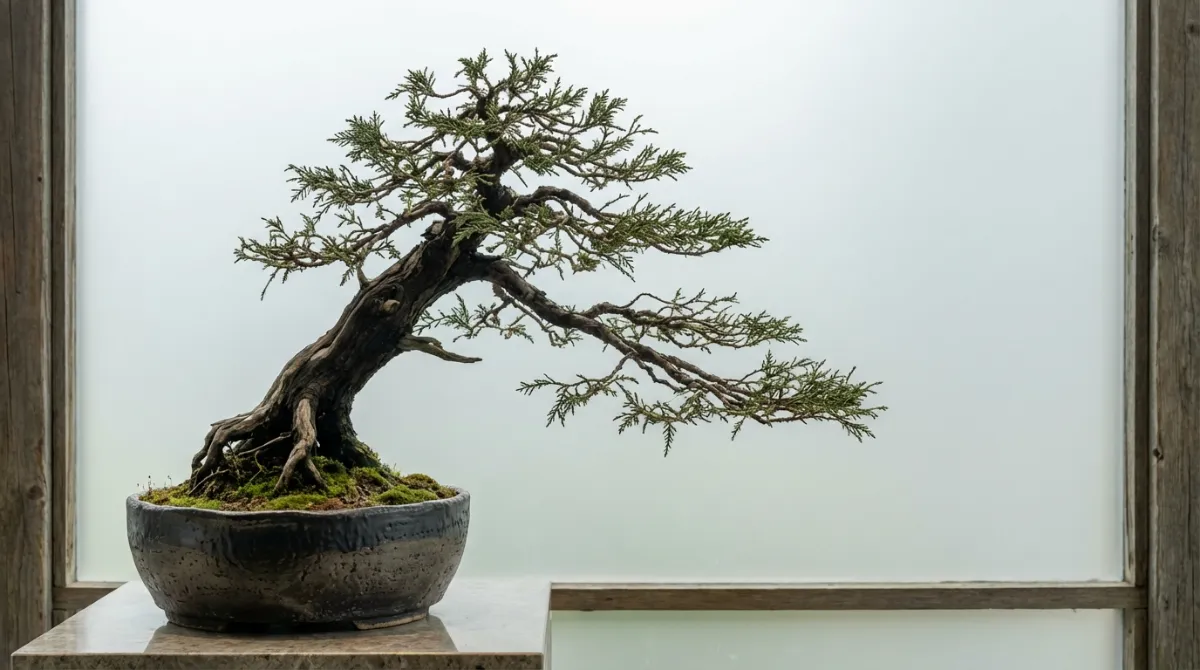
- Balance & Harmony: The tree, pot, and stand should form a unified composition. This doesn’t necessarily mean symmetry but rather a visual equilibrium.
- Taper: A strong, tapering trunk gives the illusion of age and strength. This is achieved through careful pruning and initial styling.
- Root Flare (Nebari): Visible surface roots radiating from the trunk’s base anchor the tree visually, conveying stability and age.
- Branch Placement: Branches should alternate, filling space without crossing or appearing too dense. The lowest branches are often the thickest, gradually thinning towards the apex.
- Negative Space: Just as important as the tree itself, the empty spaces in and around the canopy contribute to the design’s lightness and natural feel.
- Front & Back: Every bonsai has a designated ‘front’ that best showcases its strongest features and overall design.
NZ Bonsai Master’s Action Checklist
To solidify your journey in Southern Hemisphere bonsai, use this actionable checklist:
- Observe Your Seasons: Keep a journal of local weather patterns and how your trees respond throughout the NZ year.
- Research Native Species: Understand the specific needs of indigenous trees like Totara, Pohutukawa, Miro, or Kahikatea for bonsai.
- Master Repotting Timing: Align your repotting with the early spring growth flush for optimal recovery.
- Create a Tailored Soil Mix: Experiment with local aggregates like pumice to create a fast-draining, air-rich substrate.
- Protect from Extremes: Be prepared to shield trees from harsh summer sun and winter frosts, especially for non-native varieties.
- Join a Local Club: Connect with experienced NZ bonsai artists to share knowledge and gain practical advice.
Conclusion
Cultivating bonsai in New Zealand is a rewarding journey that merges ancient artistry with local horticultural wisdom. By diligently applying these Southern Hemisphere bonsai techniques and remaining attentive to your unique climate, you can nurture miniature masterpieces that truly reflect the beauty and resilience of Aotearoa. Embrace the seasonal shift, observe your trees closely, and enjoy the profound connection to nature that bonsai offers.
Frequently Asked Questions (FAQ)
When is the best time to repot bonsai in New Zealand?
The ideal time for repotting most bonsai in New Zealand is late winter to early spring (typically August-September), just as the buds begin to swell and before the vigorous spring growth truly kicks in. This allows the tree to quickly recover and establish new roots.
Can I use native New Zealand trees for bonsai?
Absolutely! Many native New Zealand species make excellent bonsai subjects. Popular choices include Totara (Podocarpus totara), Pohutukawa (Metrosideros excelsa), Miro (Prumnopitys ferruginea), and Kahikatea (Dacrycarpus dacrydioides). They require understanding of their specific growth habits and care requirements.
How do I protect my bonsai from the intense summer sun in NZ?
During New Zealand’s hot summer months (January-February), protect sensitive bonsai species, especially those with delicate leaves, from direct afternoon sun. Provide partial shade using shade cloth, by placing them under larger trees, or by moving them to a location that receives morning sun but is shaded in the afternoon. Ensure adequate watering to prevent drought stress.
What are the common pests and diseases affecting NZ bonsai?
Common pests in New Zealand include aphids, scale insects, spider mites, and mealybugs. Fungal diseases can also occur, especially in humid conditions. Regular inspection, good air circulation, and appropriate organic or chemical treatments are essential for prevention and control. Healthy trees are generally more resistant.