Seasonal Care Calendar for NZ Bonsai: A Month-by-Month Guide
What You Will Learn
Master bonsai seasonality NZ with our month-by-month care guide for New Zealand native bonsai. Learn expert tips for repotting, watering, pruning, and winter protection for stunning results.
Embarking on the journey of cultivating New Zealand native bonsai is a profoundly rewarding experience, offering a living testament to patience, artistry, and a deep connection to nature. For those looking to connect with a broader community, exploring Social Media for Bonsai Enthusiasts: Groups & Hashtags can offer invaluable shared insights and inspiration. Unlike traditional bonsai species, NZ native flora presents unique characteristics and demands a nuanced understanding of its indigenous growth cycles. To truly master the art, understanding bonsai seasonality NZ is paramount. This comprehensive guide will equip you with a month-by-month care calendar, ensuring your precious specimens thrive through every turn of the Southern Hemisphere year, reflecting the robust beauty of our unique landscape.
From the vibrant burst of spring growth to the serene dormancy of winter, each season brings its own set of tasks and considerations. By aligning your care regimen with the natural rhythm of New Zealand’s climate, you’ll foster stronger, healthier, and more aesthetically refined bonsai.
Table of Contents
Spring Tasks: Repotting & Initial Shaping (September – November)
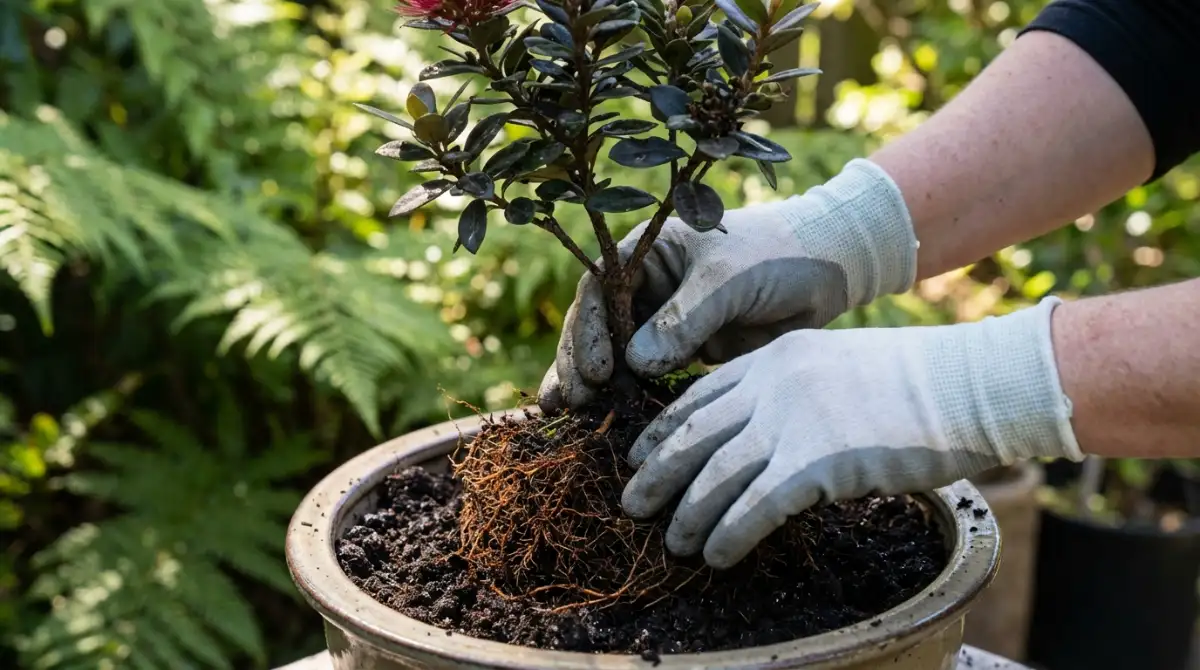
Spring in New Zealand heralds a period of explosive growth and renewed vigour. For your NZ native bonsai, this is arguably the most critical season, offering prime opportunities for repotting, major structural pruning, and initial shaping. The warming soil and lengthening days stimulate root development and shoot elongation, making plants highly responsive to intervention. To truly master Spring Care for Bonsai SH during this period sets the stage for a spectacular year of growth and refinement, ensuring you understand bonsai seasonality NZ.
1. Repotting for Vitality (Early Spring: September – October)
- Identify Needs: Younger, vigorous bonsai may need repotting annually, while older, established trees might only require it every 2-3 years. Look for signs like roots circling the pot, slow drainage, or reduced vigour.
- Soil Mix Selection: Use a fast-draining, aerated substrate specifically formulated for bonsai, often including components like pumice, scoria, or crushed bark. Many native species, particularly forest dwellers, thrive in a slightly acidic, organic-rich mix.
- Gentle Root Pruning: Carefully untangle and prune back up to 1/3 of the root mass, focusing on thick, circling roots. Preserve the finer feeder roots, as these are crucial for water and nutrient uptake. This practice encourages a dense, healthy root ball.
- Anchoring Securely: After repotting, secure the tree in its new pot using wire. Considerations like Bonsai Pot Selection for Aesthetic Harmony are also important for the tree’s overall presentation. This prevents movement, which can damage delicate new feeder roots and hinder establishment.
2. Initial Structural Pruning & Wiring (Mid to Late Spring: October – November)
- Major Pruning: With new growth emerging rapidly, the tree’s energy levels are high, allowing it to recover quickly from significant branch removal. Prune away unwanted branches, crossing branches, and those growing inward to define the primary structure. Mastering Pruning for Bonsai Shape and Health is key during this period.
- Wiring for Form: Apply anodized aluminum wire to gently guide branches into desired positions. Be exceptionally vigilant during this period of rapid growth; wire can bite into bark quickly. Check weekly and remove or re-position as soon as necessary.
- Pinch Back New Shoots: To promote ramification and prevent leggy, coarse growth, pinch back new shoots, leaving 1-2 sets of leaves. This encourages secondary branching and contributes to a denser, more refined canopy.
“Spring is the artist’s canvas for NZ native bonsai, a season of bold strokes and foundational changes that define the tree’s future silhouette and embody the essence of bonsai seasonality NZ.”
Summer Care: Watering, Feeding & Protection (December – February)
New Zealand summers can be intensely dry and hot, especially in regions with strong sunshine and prevailing winds. This period demands consistent attention to watering and nutrient supply to sustain the vigorous growth initiated in spring. Protection from extreme elements is also crucial for maintaining plant health and preventing stress, a key aspect of managing bonsai seasonality NZ. If you ever notice issues like Yellow Leaves Bonsai Fix, prompt investigation is advised.
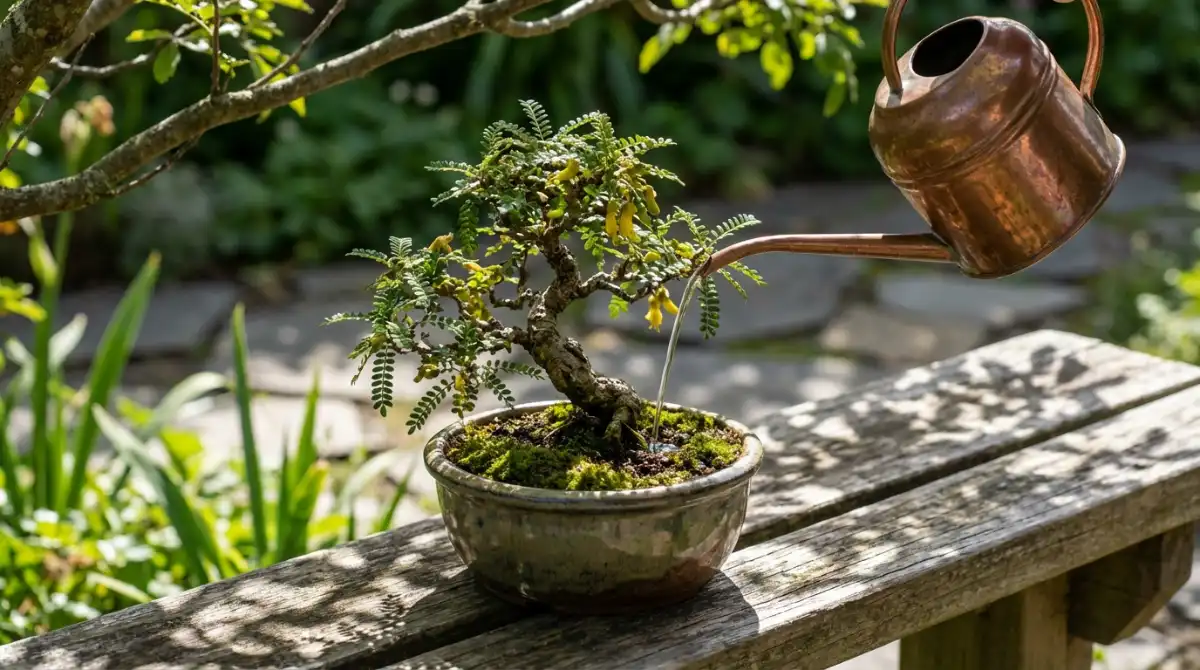
1. Rigorous Watering Regimen (Daily to Multiple Times Daily)
- Frequency is Key: During hot, dry, and windy conditions, your bonsai may need watering once, twice, or even three times a day. The critical rule is to water thoroughly until water drains freely from the bottom of the pot.
- Check Moisture Levels: Never rely solely on a fixed schedule. Always check the soil moisture before watering by sticking your finger into the soil or using a moisture meter. The top layer might be dry, but the core could still be damp.
- Optimal Watering Times: Water early in the morning and/or late in the afternoon/early evening to minimise evaporation and allow foliage to dry before nightfall, which reduces the risk of fungal issues. Having the right tools, such as those highlighted in Bonsai Watering Cans & Misters: Top Picks, can significantly aid in this crucial task.
2. Consistent Feeding for Growth (Weekly to Bi-weekly)
- Meeting Nutrient Demand: Active growth periods require ample nutrients. Use a balanced liquid fertiliser at half strength every week or two. For many native species, especially those adapted to leaner soils, consider lower nitrogen options to avoid overly lush, unnatural growth.
- Application Best Practice: Always apply fertiliser to damp soil, never dry, to prevent root burn and ensure even absorption.
3. Sun Protection & Pest Control (Throughout Summer)
- Shade Cloth Application: In intensely hot or exposed locations, consider using 30-50% shade cloth to protect delicate foliage from scorching and reduce water stress.
- Pest Vigilance: High temperatures can encourage outbreaks of pests like scale, aphids, and spider mites. Inspect your trees regularly – checking undersides of leaves and branch crotches – and treat any infestations promptly with appropriate organic or systemic solutions.
Autumn Preparations: Hardening Off & Styling (March – May)
As the days shorten and temperatures begin to cool, your NZ native bonsai will start to prepare for dormancy. Autumn is a crucial period for consolidating growth, refining the tree’s structure, and ensuring it’s robust enough to withstand the colder months. This is when the hard work of spring and summer begins to pay off in visual refinement, an essential stage in understanding bonsai seasonality NZ.
1. Reduced Feeding & Watering (Gradually through Autumn)
- Wean Fertiliser: Gradually reduce the frequency and strength of feeding. By late autumn, cease nitrogen-rich fertilisers entirely to avoid encouraging tender new growth that would be vulnerable to early frosts. Consider a low-nitrogen, high-potassium feed to promote root hardiness and prepare for winter.
- Water Less: Allow the soil to dry out slightly more between waterings. The plant’s metabolic rate slows significantly, and excessive moisture can lead to root rot, especially as temperatures drop.
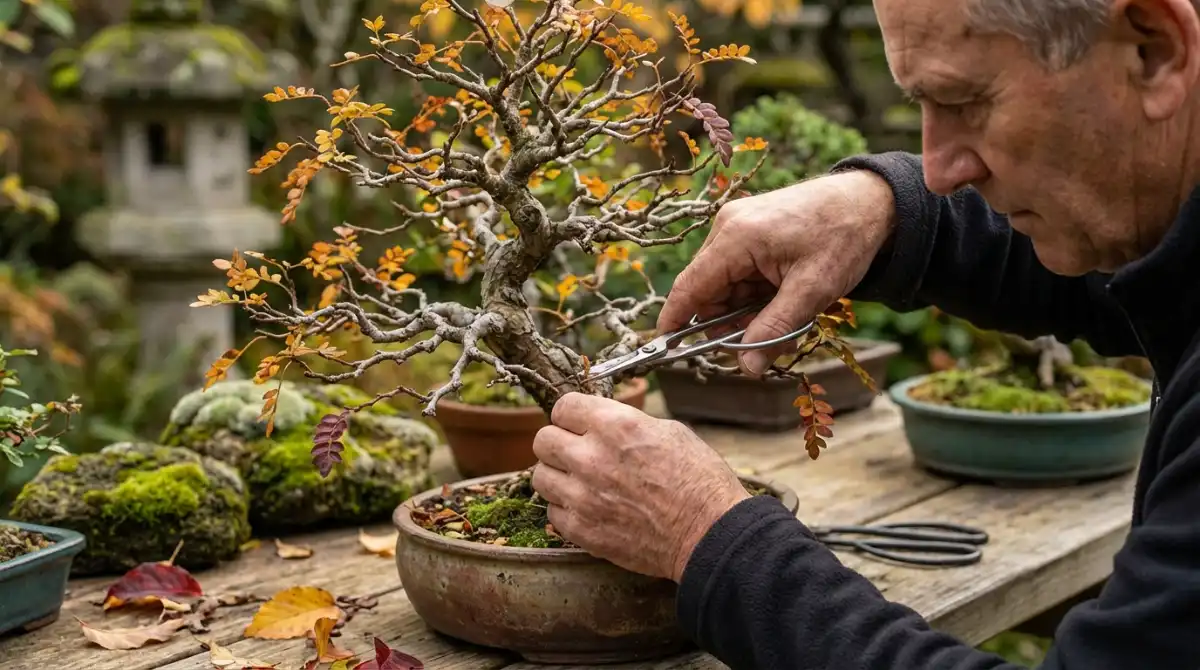
2. Fine Pruning & Wiring Adjustments (Mid-Autumn: April)
- Refinement Pruning: This is an excellent time for detailed structural pruning, removing small unwanted shoots, refining the tree’s silhouette, and addressing any branches that spoil the overall design before dormancy. For inspiration on different aesthetics, exploring Classic Bonsai Styling Forms Explained can guide your refinement.
- Wire Removal & Re-wiring: Check all wired branches. As the tree grows, wire can easily scar the bark and permanently damage the aesthetic. Remove any wire that is biting in or no longer needed. If branches haven’t set their position, carefully re-wire, ensuring proper padding.
- Clean-up: Remove dead leaves, fallen debris, and any weeds from the pot surface to prevent fungal growth and pest harborage during the dormant season.
3. Site Selection & Hardening Off (Late Autumn: May)
- Prepare for Winter: Begin considering optimal winter placement for your bonsai. Hardier species may remain outdoors in a sheltered spot, while more sensitive natives will need protected positions to avoid frost damage.
- Gradual Acclimatisation: If moving indoors or to a more sheltered location, do so gradually to allow the tree to acclimatise to changing light and temperature conditions.
Winter Protection & Dormancy Management (June – August)
Winter in New Zealand can range from mild coastal conditions to harsh inland frosts. While many native species are remarkably resilient in their natural environment, their shallow root systems in bonsai pots make them particularly susceptible to freezing and cold damage. Effective winter protection is key to ensuring your trees emerge healthy and ready for spring, a crucial final step in understanding bonsai seasonality NZ.

1. Frost Protection & Sheltering (Throughout Winter)
- Optimal Location: Move sensitive species (e.g., warmer climate natives) to a frost-free, sheltered location. This could be a cold frame, an unheated garage, under a veranda, or against a south-facing (in the Southern Hemisphere) wall that receives some winter sun but is protected from prevailing prevailing winds.
- Group Trees: Grouping trees closely together can create a beneficial microclimate, offering some mutual protection against cold snaps and wind.
- Root Protection: Insulate pots by burying them in bark chips, sand, or wrapping them in burlap or bubble wrap. The roots are generally the most vulnerable part of a bonsai to freezing temperatures.
2. Minimal Watering & No Feeding (Throughout Winter)
- Water Sparingly: Water only when the soil is dry to the touch, and crucially, on days when temperatures are above freezing. Overwatering in winter, combined with cold temperatures, can quickly lead to lethal root rot.
- Cease Fertiliser: Stop all fertilising during dormancy. The tree is not actively growing and cannot effectively utilise the nutrients; feeding at this time can actually harm the roots.
3. Observation & Preparation (Late Winter: August)
- Monitor Health: Even in dormancy, periodically check your trees for signs of disease, mould, or pest issues. Address any problems promptly before the vigorous growth of spring begins.
- Tool Maintenance: Utilize the quieter winter months to clean, sharpen, and oil your bonsai tools. Proper tool maintenance ensures clean cuts and prevents disease transmission when the busy spring season arrives.
“Winter is not an end, but a deep breath. For NZ native bonsai, it’s a period of quiet resilience, ensuring the energy for spectacular spring rebirth, truly mastering bonsai seasonality NZ.”
Frequently Asked Questions (FAQ)
Q: How often should I water my NZ native bonsai in summer?
A: During hot, dry, and windy New Zealand summers, your bonsai may need watering daily, sometimes even two or three times a day. Always check the soil moisture first; water thoroughly until it drains from the pot.
Q: When is the best time to repot my NZ native bonsai?
A: Early spring (September-October in NZ) is generally the best time for repotting, as the warming temperatures and increased light stimulate root growth, allowing the tree to recover quickly from the process.
Q: Do all NZ native bonsai need winter protection?
A: Most NZ native bonsai, especially those in shallow pots, benefit from some winter protection from harsh frosts and strong winds. Hardier species may tolerate being outdoors, but sensitive ones or those in colder regions should be moved to a sheltered, frost-free location.
Q: What type of soil is best for NZ native bonsai?
A: A well-draining, aerated bonsai substrate is crucial. A mix typically includes components like pumice, scoria, akadama (or similar), and a small amount of organic material. Many native species appreciate a slightly acidic mix. For a deeper dive into optimal Bonsai Soil, Fertilization & Nutrition, consult our detailed guide.
Q: Can I use regular garden fertiliser for my bonsai?
A: It’s generally not recommended. Regular garden fertilisers are often too strong and not balanced correctly for bonsai. Use a diluted, balanced liquid fertiliser specifically designed for bonsai, adjusting for native species’ needs (often lower nitrogen).