Repotting Bonsai: Your Complete Guide for Healthy Trees
Understanding the art of repotting bonsai is crucial for any enthusiast, whether you’re a beginner or an experienced grower. This essential maintenance task keeps your miniature trees vibrant and thriving year after year. Without proper repotting, your bonsai can become root-bound, leading to stunted growth and a decline in health. Let’s explore when, why, and how to give your bonsai the fresh start it deserves.

Table of Contents
- Understanding the Importance of Repotting Bonsai
- When is the Best Time for Repotting Bonsai?
- Essential Tools and Preparation for Repotting
- The Art of Root Pruning During Bonsai Repotting
- Choosing the Right Soil and Pot for Your Bonsai
- The Step-by-Step Repotting Bonsai Process
- Crucial Post-Repotting Care for Thriving Bonsai
- Common Mistakes to Avoid When Repotting Bonsai
Understanding the Importance of Repotting Bonsai
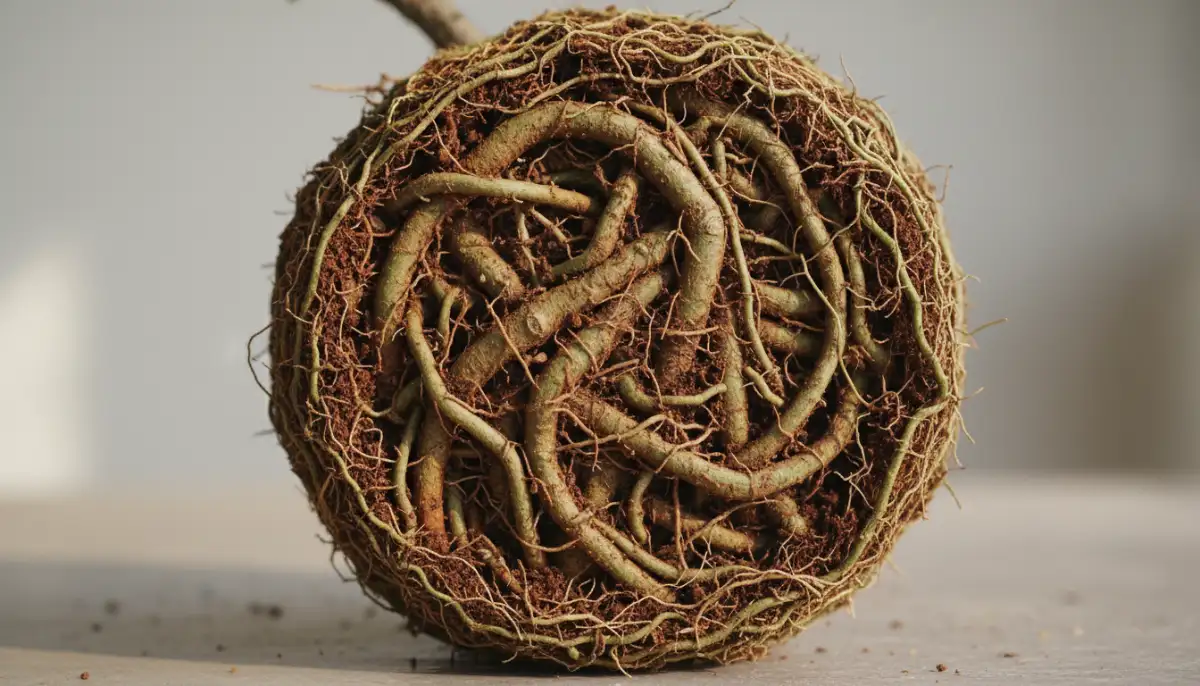
Repotting is more than just changing a pot. It’s a vital procedure that ensures the long-term health and development of your bonsai tree. Over time, a bonsai’s roots fill its container, consuming all available nutrients and space. This leads to a root-bound condition that starves the tree.
When roots become too dense, they can no longer absorb water and nutrients efficiently from the soil. This impairs growth, weakens the tree, and can even lead to its demise. Understanding potential issues such as Bonsai Branch Dieback Causes can further enhance your tree’s longevity. Regular repotting rejuvenates the root system, provides fresh soil, and allows for essential root pruning.
Think of it as giving your bonsai a fresh start. It encourages new feeder roots to grow, which are crucial for nutrient uptake. It also maintains the aesthetic balance between the roots and the above-ground canopy, a hallmark of beautiful bonsai.
When is the Best Time for Repotting Bonsai?
Timing is everything when it comes to repotting. The general rule of thumb is to repot just before the tree enters its active growing season. For most species, this means late winter or early spring, as the buds begin to swell.
During this period, the tree is dormant enough to handle the stress of root disturbance but will soon enter a growth phase, allowing it to recover quickly. Repotting too late in the season can hinder its growth for the entire year.
The frequency of repotting depends on the tree’s age and species. Younger, fast-growing trees often need repotting every one to two years. Older, slower-growing trees might only need it every three to five years, or even longer. Deciduous trees usually need more frequent repotting than conifers. Observe your tree for signs like roots emerging from drainage holes or water draining slowly.
For success in 2026 and beyond, always check your specific species requirements. For a more detailed guide on specific species and year-round maintenance, including Spring Care for Bonsai SH, you might find the Seasonal Care Calendar for NZ Bonsai: A Month-by-Month Guide invaluable. Additionally, consult resources like Wikipedia’s bonsai cultivation guide.
Essential Tools and Preparation for Repotting
Before you begin the process of repotting your bonsai, gather all your necessary tools. Having everything ready minimizes stress on the tree and makes the job smoother. You’ll need:
- Root Hook or Chopstick: For detangling roots.
- Root Scissors or Shears: Specifically designed for clean root cuts.
- Concave Cutters: Useful for larger, tougher roots if needed.
- Drainage Mesh: To cover drainage holes and prevent soil loss.
- Bonsai Wire: To secure the tree in its new pot.
- Fresh Bonsai Soil: The right mix for your tree species.
- New or Cleaned Pot: Ensure it has good drainage.
- Watering Can: For post-repotting hydration. For optimal hydration tools, explore Bonsai Watering Cans & Misters: Top Picks and learn about Basic Bonsai Watering Techniques.
Prepare your new pot by placing drainage mesh over the holes and securing it with wire if necessary. Also, have your fresh soil mix ready. Being organized will make the entire repotting bonsai experience much more efficient.
The Art of Root Pruning During Bonsai Repotting
Root pruning is perhaps the most critical part of repotting. Its purpose is to remove old, thick, non-absorbent roots and encourage the growth of new, fine feeder roots. These fine roots are vital for nutrient and water uptake.
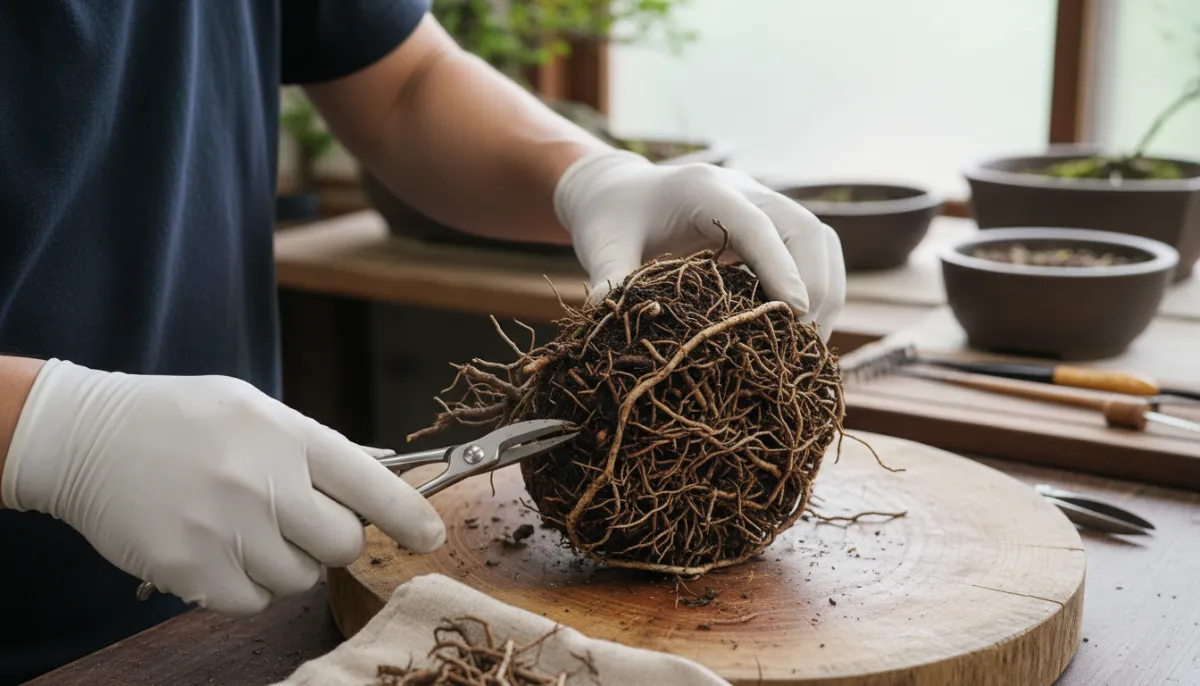
When you remove the tree from its pot, gently comb out the roots using a root hook or chopstick. Untangle them and remove as much of the old soil as possible. This allows you to inspect the root system thoroughly.
Begin pruning by removing any dead, rotten, or circling roots. Then, shorten the remaining healthy roots, aiming to remove about one-third to one-half of the total root mass. The exact amount depends on the tree’s vigor and species. Always make clean cuts to minimize damage and promote healthy regrowth.
Ensure that the remaining roots fit comfortably within the new pot without bending or folding. A well-pruned root system lays the foundation for vigorous growth above ground. While root pruning focuses on subterranean health, don’t forget the equally important skill of canopy management. For detailed guidance on shaping your tree above ground, and exploring different forms such as Creating Cascade and Semi-Cascade Bonsai Styles, refer to resources on Bonsai Pruning for Shape and Health, including specific advice on Oak Bonsai Pruning Techniques.
Choosing the Right Soil and Pot for Your Bonsai
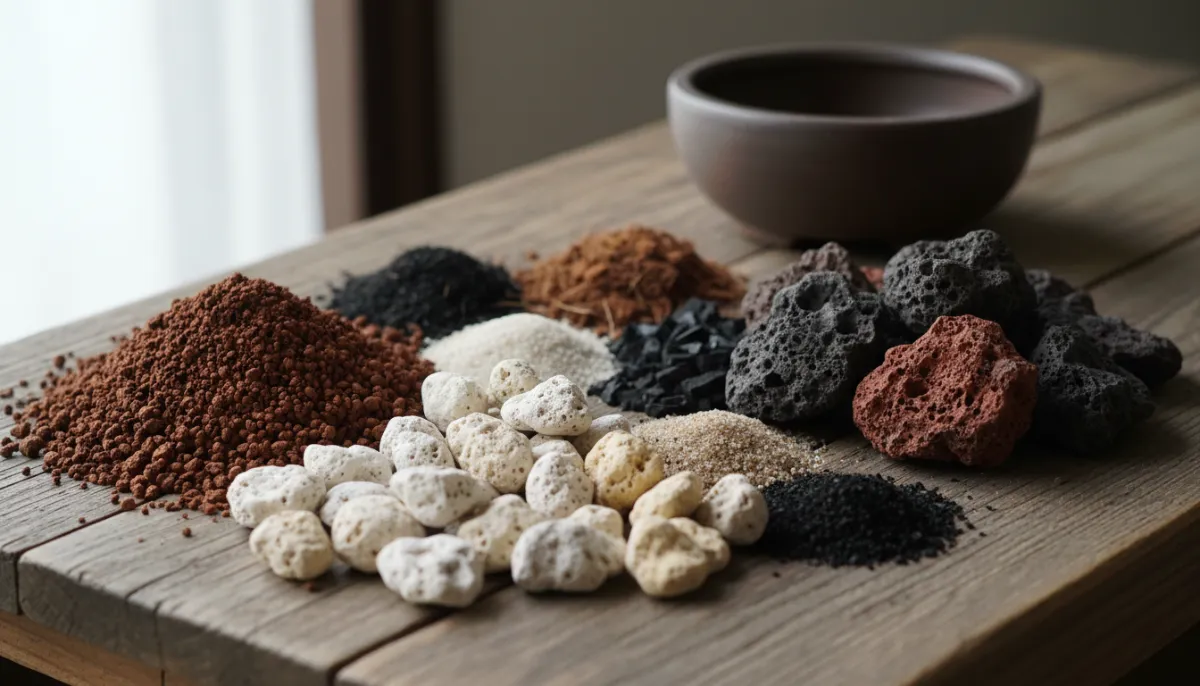
The right soil mix is fundamental for a healthy bonsai. It needs excellent drainage, good aeration, and adequate water retention. Generic potting soil is usually unsuitable. Bonsai soil mixes typically contain a blend of Akadama, pumice, lava rock, and organic components like composted bark.
Each component serves a purpose: Akadama provides water retention and drainage, pumice improves aeration, and lava rock offers stability and minerals. The specific ratio of these components varies depending on the tree species and your local climate. Research your bonsai’s particular needs. For a deeper dive into all aspects of Bonsai Soil, Fertilization & Nutrition, explore our comprehensive guide.
Choosing the right pot also impacts your tree’s health and aesthetic. Ensure the pot has sufficient drainage holes. The size should be proportional to your tree; generally, the pot’s length should be about two-thirds the height of the tree, or one-third its width if the tree is wider than it is tall.
Consider the pot’s material (ceramic, plastic) and design. Glazed pots retain more moisture, while unglazed pots allow for more evaporation. Ultimately, the pot should complement the tree, enhancing its beauty while providing a stable environment.
Mastering repotting is a significant step in your bonsai journey, but it’s just one facet of this rewarding hobby. For those growing bonsai indoors, understanding optimal light conditions is also crucial; consider exploring resources on Bonsai Grow Lights: Choosing the Right Spectrum. To further your skills and connect with fellow enthusiasts, consider joining the vibrant Bonsai Community & Events, exploring Top Online Bonsai Forums and Communities, or attending Bonsai Workshops for Beginners: Where to Learn.