Pruning for Bonsai Shape and Health
bonzai.co.nz
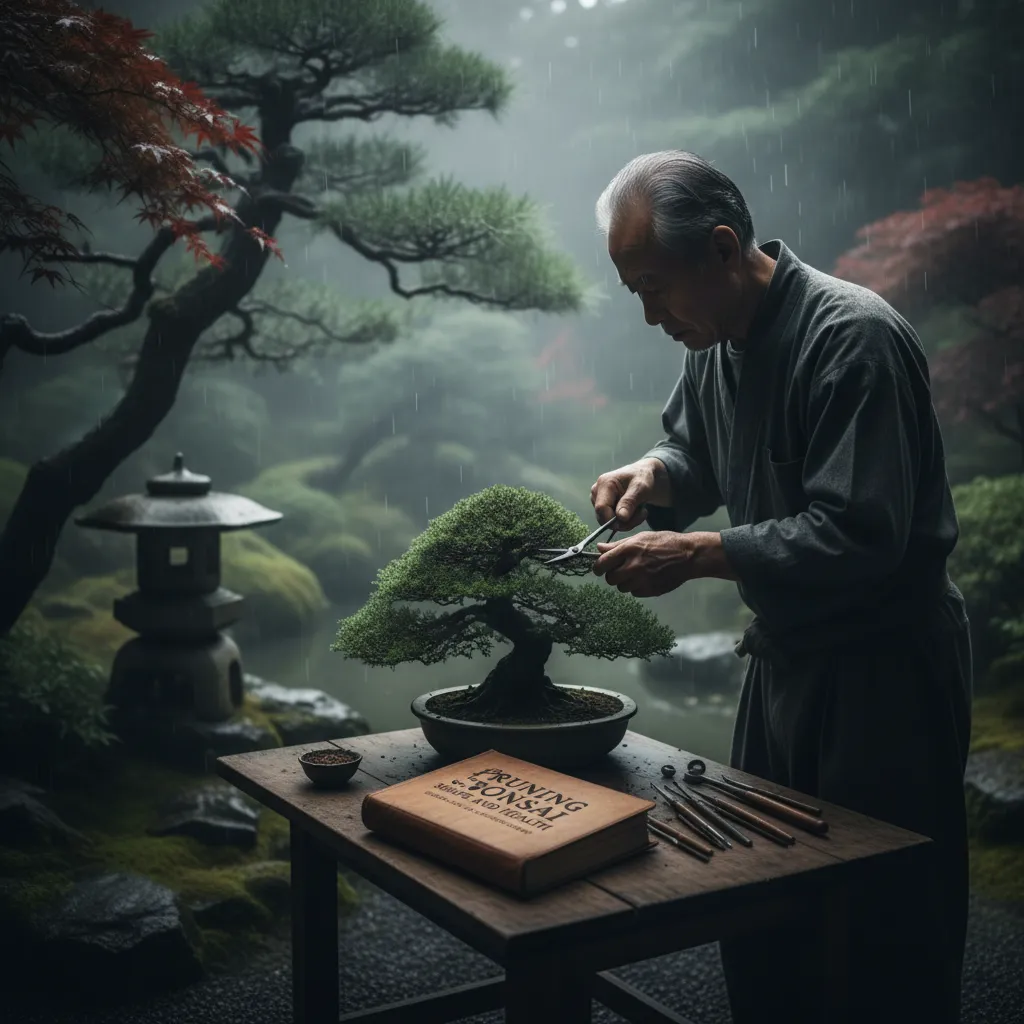
Bonsai pruning is the careful removal of parts of a miniature tree to control its growth, enhance its aesthetic form, and promote its long-term health. It allows artists to maintain the desired size and intricate shape, creating a living sculpture that evolves over time. Beyond pruning, understanding Bonsai Soil, Fertilization & Nutrition is crucial for overall vitality.
Welcome to this comprehensive bonsai pruning guide. Pruning is more than just trimming; it’s a fundamental technique for developing and maintaining the beauty and vitality of your miniature tree. It ensures your bonsai stays healthy, encourages denser foliage, and helps create the intricate branch structure that defines its unique aesthetic. Mastering this skill is key to transforming a raw plant into a living work of art.
To effectively prune your bonsai, you must understand both its growth patterns and your artistic vision. This guide will walk you through the essential steps, from routine maintenance to structural shaping, equipping you with the knowledge to care for your cherished bonsai. Proper pruning is a continuous journey that deepens your connection with nature and develops your understanding of bonsai art.
Table of Contents
- Understanding the Basics of Bonsai Pruning
- Maintenance Pruning for Everyday Care
- Structural Pruning for Long-Term Shaping
- Essential Tools for Effective Bonsai Pruning
- General Tips for Successful Bonsai Pruning
- References
- Conclusion: The Art of Shaping Life
Understanding the Basics of Bonsai Pruning
Bonsai pruning is the cornerstone of bonsai art. It involves the careful removal of parts of a bonsai tree to control its growth, shape, and health. The primary goals are to reduce leaf and branch size, encourage new growth, and refine the overall form of the tree. Regular pruning prevents your bonsai from reverting to its natural size and ensures it maintains its desired miniature scale and aesthetic appeal. This deepens its authority as a living art piece.
This technique also promotes ramification, which is the development of many small twigs and branches. Denser foliage and a finer branch structure are hallmarks of a well-maintained bonsai. Without consistent pruning, a bonsai can quickly lose its shape, vigor, and artistic value. It’s a continuous conversation between you and your tree, enhancing the user experience of owning a bonsai.
Maintenance Pruning for Everyday Care
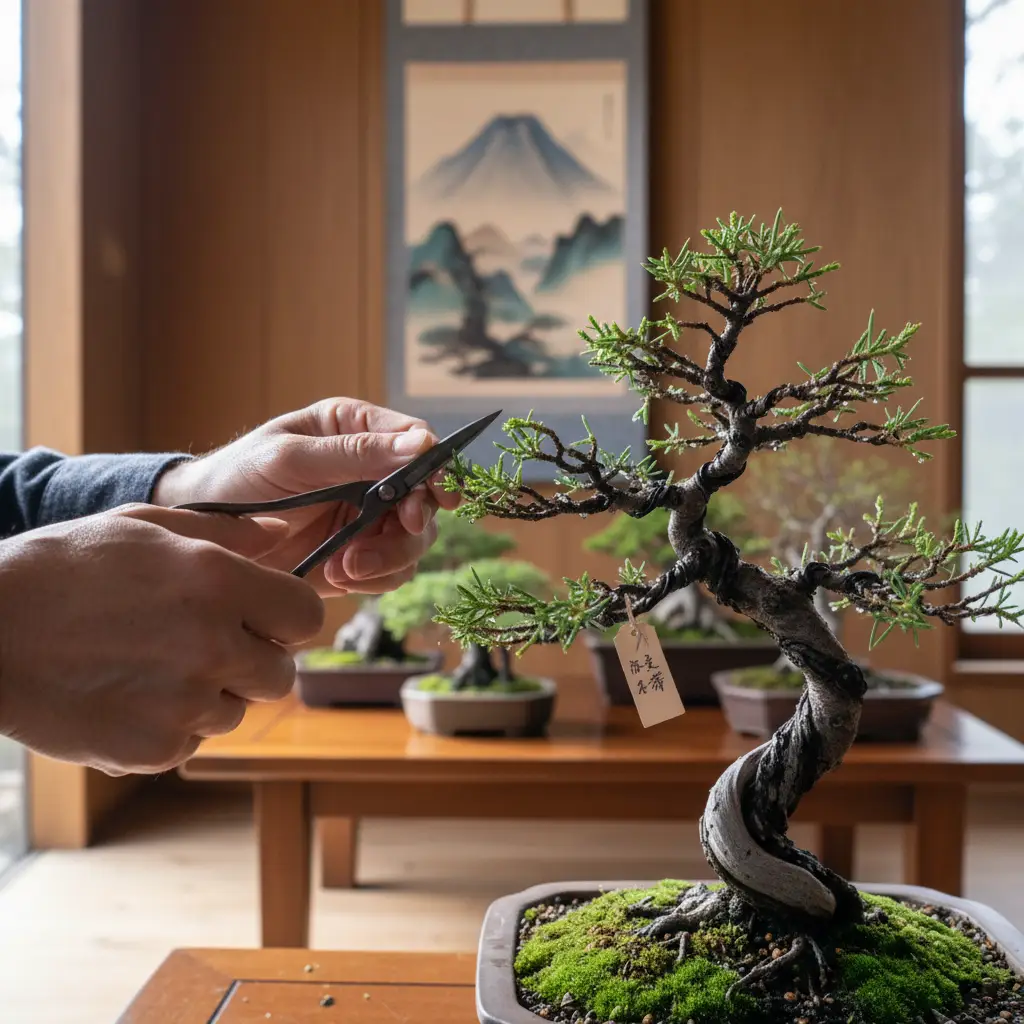
Maintenance pruning is your day-to-day work on your bonsai. It involves regular trimming of new shoots and leaves to keep the tree’s established shape. This type of pruning is crucial for encouraging denser foliage and maintaining the delicate balance of the tree’s overall design, ensuring its health and visual harmony. It’s a key part of seasonal care guides for bonsai enthusiasts.
You will typically perform maintenance pruning throughout the growing season. The frequency depends on the species and how vigorously it grows. Fast-growing species might need attention every few weeks, while slower growers might only need it once a month or less. Always observe your tree’s unique growth habit, considering its environmental resilience and specific needs.
Pinching and Trimming New Shoots
Pinching is the act of removing soft, new growth with your fingertips. This method is ideal for very young shoots and leaves. Trimming involves using sharp shears to cut back slightly more mature shoots. When you pinch or trim, aim to leave one or two sets of leaves on the new shoot. This encourages the plant to branch out further, leading to a denser canopy and finer ramification.
Always make clean cuts just above a node or a pair of leaves pointing in the desired direction. This helps direct the plant’s energy to the remaining buds, promoting outward growth and maintaining the branch structure. Pay attention to the overall silhouette of your bonsai as you work, envisioning its future form for an exquisite artistic display.
Defoliation: A Specific Technique
Defoliation is an advanced maintenance technique where most or all of the leaves are removed from a deciduous bonsai during mid-summer. This practice forces the tree to produce a new set of smaller leaves. It can significantly improve the ramification and leaf size reduction, especially for broadleaf species, enhancing the tree’s miniature illusion. This technique is often featured in advanced, species-specific content clusters.
However, defoliation should only be performed on healthy, vigorous trees. It puts significant stress on the plant, so it’s not recommended for weak or newly repotted specimens. Always research your specific species before attempting this technique to ensure it’s appropriate and won’t harm your precious tree. Detailed videos for complex techniques can be very helpful here.
Structural Pruning for Long-Term Shaping
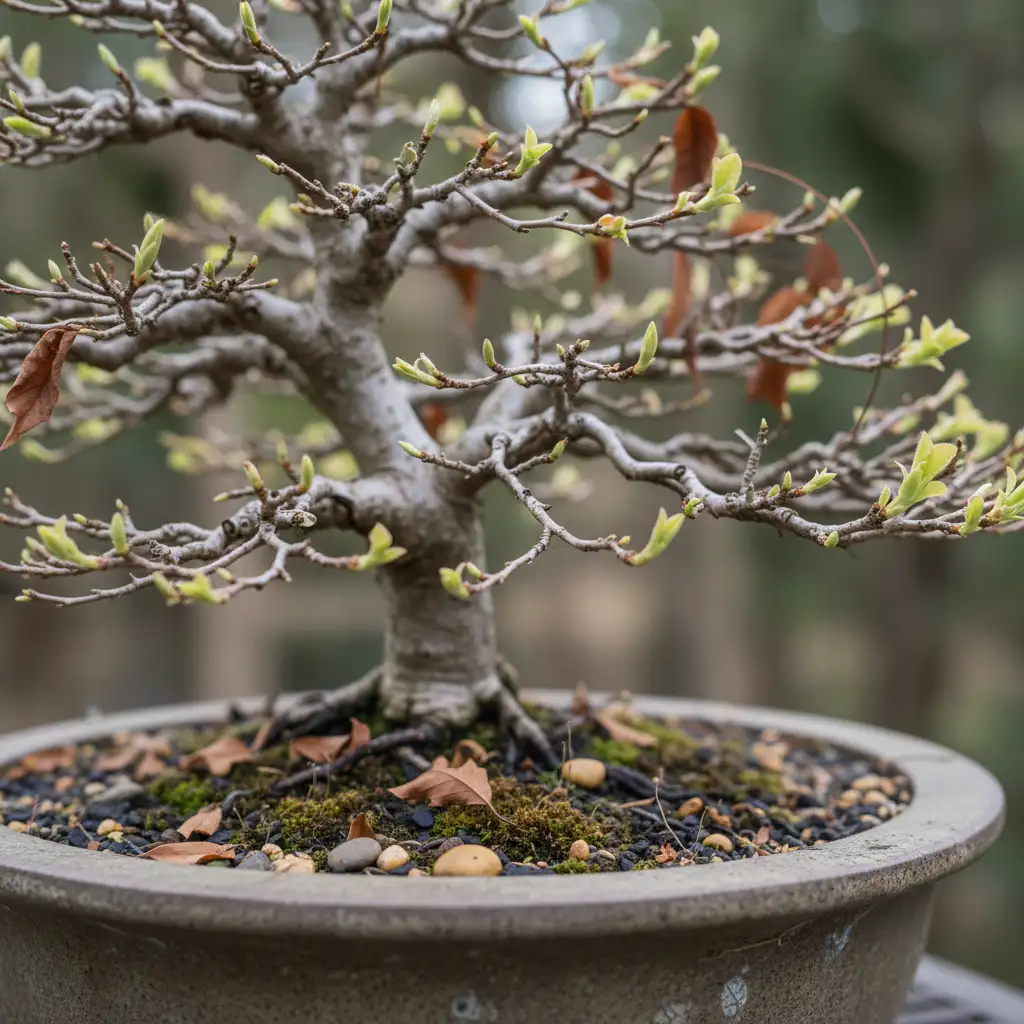
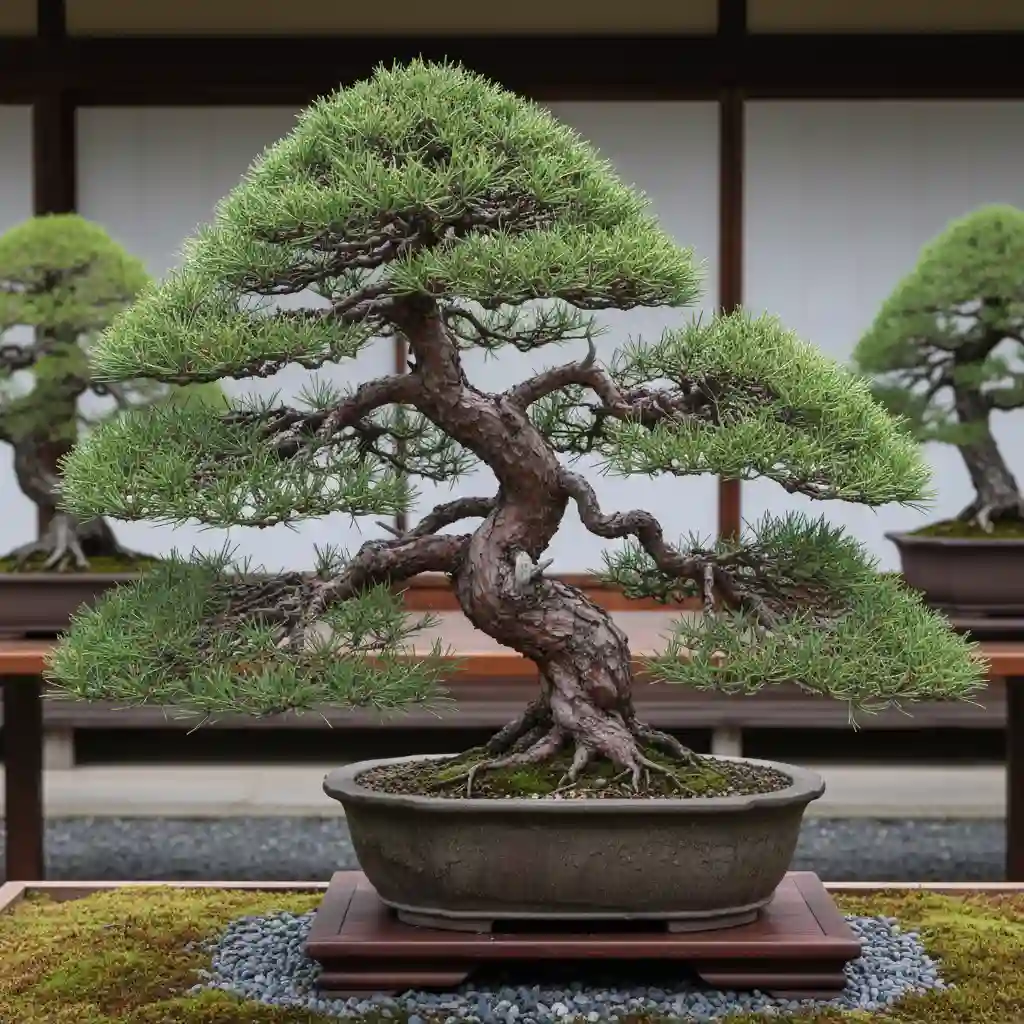
Structural pruning is about defining the main form and major branches of your bonsai. This type of pruning often involves removing larger branches or making significant cuts to reshape the tree’s silhouette. It’s a more impactful process than maintenance pruning and often done less frequently, typically once every few years. This foundational work contributes significantly to the historical, cultural, and artistic display aspects of bonsai.
The goal of structural pruning is to create a strong foundational structure that will support future fine ramification and define the tree’s overall aesthetic. This is where the artistic vision truly comes into play, as you decide which major branches will form the tree’s unique design and character, emphasizing bonsai art as a form of living sculpture.
Developing Primary Branch Structure
When undertaking structural pruning, start by removing any dead, diseased, or crossing branches. Then, identify your primary branches – those that will form the main framework of your bonsai. Look for branches that create a sense of balance and flow, typically radiating outwards from the trunk in a harmonious pattern.
Remove branches that grow straight up, straight down, or directly towards the viewer. Also, eliminate “bar branches” which grow directly opposite each other at the same height, as they can lead to a less natural look and inhibit proper tapering. Aim for a staggered arrangement of branches for a more realistic and pleasing aesthetic, focusing on creating depth. This meticulous work improves content quality in terms of physical development.
Timing and Recovery
Structural pruning is generally best performed during the tree’s dormant season, typically late winter or early spring before new buds swell. At this time, the tree’s sap flow is slower, minimizing bleeding from cuts and reducing stress. Dormant pruning also allows the tree to recover quickly once the growing season begins, channeling its energy into healing and new growth. This forms a critical part of a comprehensive seasonal care guide, and specific considerations are often highlighted for periods like Spring Care for Bonsai SH.
After a significant structural prune, ensure your bonsai receives proper care. Protect it from extreme weather, maintain consistent watering, and avoid repotting for a season to allow it to recover its strength. Applying wound paste to larger cuts can also aid healing and prevent disease. Patience is crucial, as the tree will need time to heal and re-establish its growth, contributing to its overall environmental resilience.
Essential Tools for Effective Bonsai Pruning
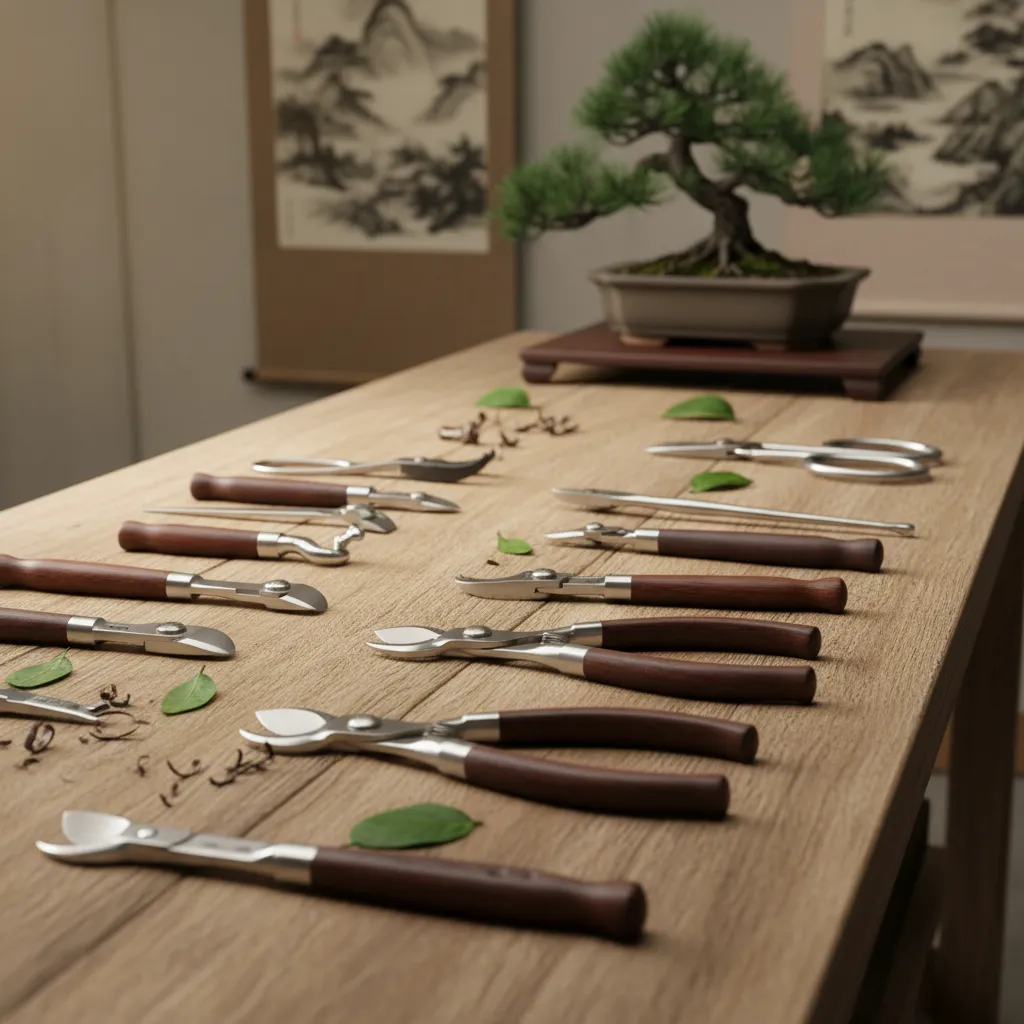
Having the right tools is just as important as knowing the techniques. Quality bonsai tools are specifically designed to make clean cuts, minimize damage to the tree, and promote faster healing. Investing in good tools will greatly enhance your pruning experience and contribute significantly to the long-term health and beauty of your bonsai. Proper tools are a cornerstone of maintaining content quality in your bonsai care.
Using dull or incorrect tools can crush plant tissue, leading to slow healing, increased risk of disease, or even branch dieback. Always ensure your tools are sharp and clean before beginning any pruning work. They are an extension of your hands and your artistic vision, crucial for achieving precise results in bonsai pruning.
Concave Cutters and Shears
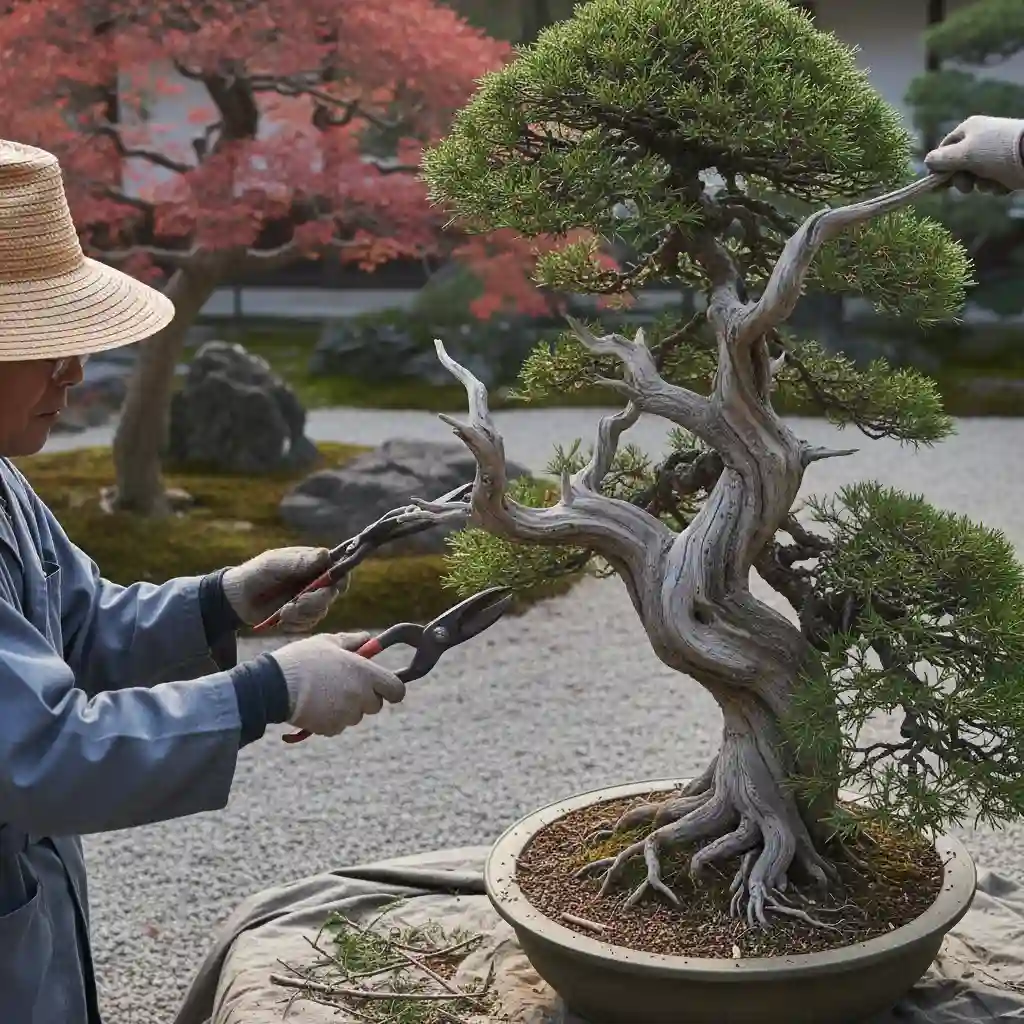
Concave cutters are arguably the most essential tool for structural pruning. Their unique concave blade design allows them to remove branches in a way that creates a hollowed-out wound. This wound heals flush with the trunk or main branch, leaving little to no scar, which is vital for the aesthetic appeal of a bonsai and maintaining its natural appearance, contributing to its beauty for Companion Plants & Display Elements for a True NZ Bonsai Scene.
Bonsai shears are used for maintenance pruning, such as pinching new shoots and trimming smaller branches and leaves. They offer precision and allow for delicate work in tight spaces. Look for shears with sharp blades and comfortable handles for extended use. Other useful tools include knob cutters for removing larger stumps, and wire cutters if you are also incorporating wiring into your bonsai styling regimen. Learning about these tools, and techniques like How To Wire Totara Bonsai, can be part of engagement through bonsai art.
Tool Maintenance and Hygiene
Proper tool maintenance is critical. After each use, clean your tools thoroughly to remove sap and debris. A wire brush and tool oil are excellent for this. Sap can harbor diseases and dull blades quickly. Sterilize your tools regularly, especially when moving between different trees or after pruning a diseased branch. For help identifying issues, refer to our Bonsai Pest Identification Guide. Alcohol wipes or a flame can be used for sterilization to prevent cross-contamination.
Sharp tools make clean cuts, reducing stress on the tree and promoting faster healing. Consider having your tools professionally sharpened or learn how to sharpen them yourself to maintain their edge. This practice is integral to any comprehensive bonsai pruning guide, ensuring your tools are always ready for precision work and contributing to overall content quality.
General Tips for Successful Bonsai Pruning
Beyond the specific techniques, several general principles will help you succeed in your bonsai journey. Remember that each tree is unique, and observing its response to your care is part of the learning process. These tips will guide you towards becoming a more intuitive and skilled bonsai artist, fostering greater engagement through bonsai art.
Observe and Plan
Before making any cut, take a step back and observe your bonsai from all angles. Visualize the desired outcome. Consider the tree’s natural growth habit, the species-specific needs, and the overall design you are trying to achieve. Pruning should be a thoughtful, deliberate process, not a rushed one. A careful plan prevents irreversible mistakes and fosters intentional development.
Think about the long-term impact of each cut. Will it create a gap? Will it encourage branching in the right direction? A well-planned pruning session leads to better results and a healthier tree. This strategic approach is a cornerstone of any effective bonsai pruning guide, emphasizing forethought over impulsive action, and improving overall content quality in practice.
Species-Specific Considerations
Different bonsai species have distinct growth patterns and respond to pruning differently. For example, some coniferous trees like pines respond well to candle pinching, while broadleaf evergreens might require different defoliation schedules. For detailed guidance on specific species, consult resources such as a Juniper Bonsai Care Guide or a Ficus Bonsai Care: A Complete Guide. Always research the specific needs of your bonsai variety to tailor your pruning approach, diving into species-specific content clusters.
Understanding your tree’s dormancy periods and vigorous growth phases will help you time your pruning effectively. This knowledge prevents unnecessary stress on the plant and maximizes the benefits of your work. For guidance on specific feeding strategies, consider our Bonsai Fertilizer Recommendations: Organic vs. Chemical. For more detailed information on specific species and their unique requirements, consult reputable sources like Wikipedia’s Bonsai article or specialized bonsai literature. Consider watching videos for complex techniques for visual guidance.
Patience and Practice
Bonsai is an art form that teaches patience. It takes years, sometimes decades, to fully develop a mature bonsai. Don’t be discouraged if your first attempts at pruning don’t yield perfect results. Every cut is a learning opportunity, and every season brings new insights into your tree’s development. This journey builds environmental resilience in both the tree and the artist.
Practice makes perfect. Start with smaller, less critical cuts, and gradually gain confidence as you observe your tree’s response. The connection you build with your tree through consistent care and thoughtful shaping is one of the most rewarding aspects of this ancient and beautiful art form. Enjoy the journey and celebrate the continuous evolution of your bonsai art.
References
For further reading and in-depth information on bonsai care and history, we recommend exploring external resources:
- Bonsai on Wikipedia
- Additional resources on specific bonsai species and advanced techniques can be found through specialized bonsai associations and online forums, deepening your understanding of bonsai art and its cultural significance.
Conclusion: The Art of Shaping Life
Bonsai pruning is truly the heart of bonsai. It’s how you communicate with your tree, guiding its growth and expressing your artistic vision. By understanding the principles of maintenance and structural pruning, utilizing the correct tools, and approaching the task with patience and keen observation, you can ensure your bonsai thrives and continually evolves into a stunning living sculpture. Embrace this journey of creation and nurturing, and your bonsai will reward you with beauty for many years to come, strengthening its role in artistic display and enhancing its inherent content quality.