Professional Bonsai Styling Tools and Their Use
bonzai.co.nz
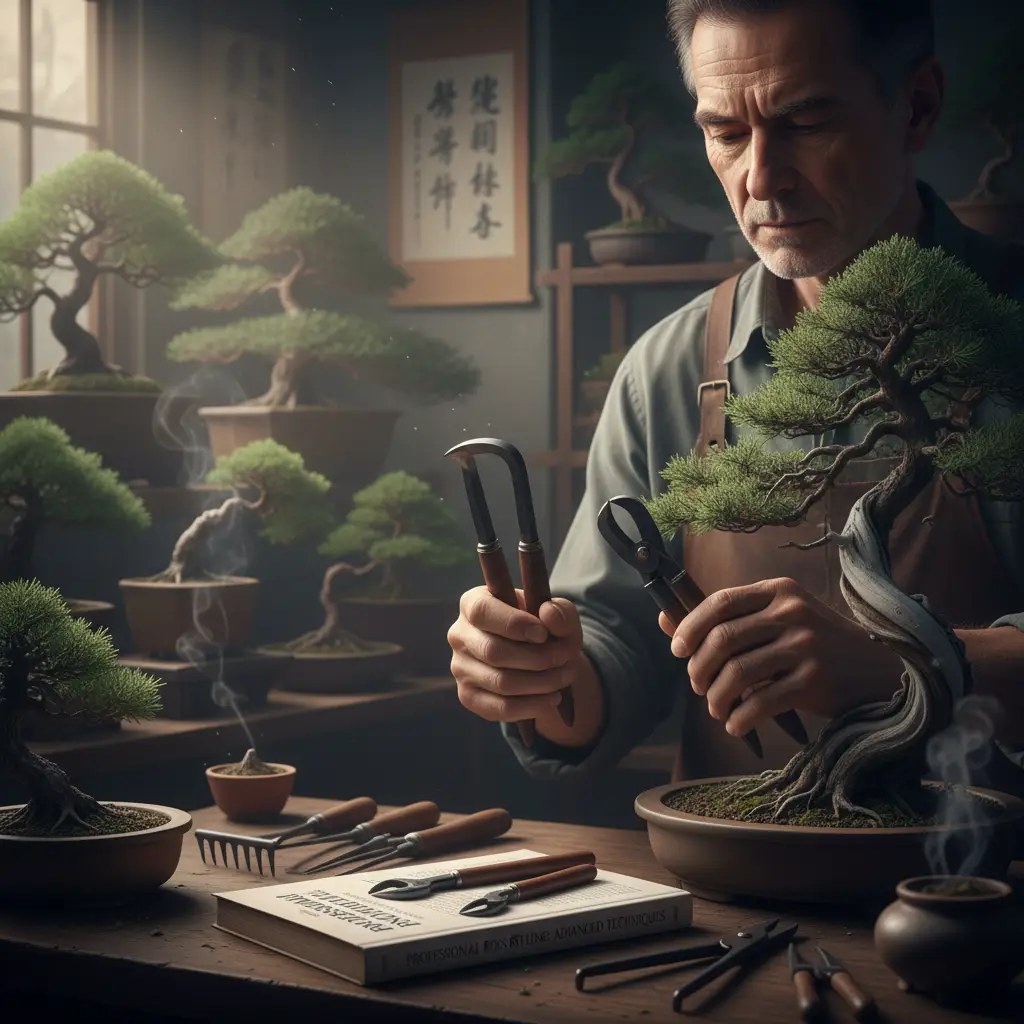
Professional bonsai styling tools are specialized instruments designed for precision and delicate work on miniature trees. These tools allow artists to perform tasks like pruning, wiring, and carving with accuracy, ensuring the health and aesthetic development of the bonsai. Selecting the right tools is key for advanced styling.
To truly master the art of bonsai, you need the right instruments. These specialized items are more than just cutters; they are extensions of the artist’s hands. They allow for delicate shaping, precise pruning, and careful manipulation of the tree’s form. Understanding each tool’s purpose and how to use it is fundamental for anyone serious about creating stunning living sculptures.
Essential Tool Selection for Bonsai Mastery
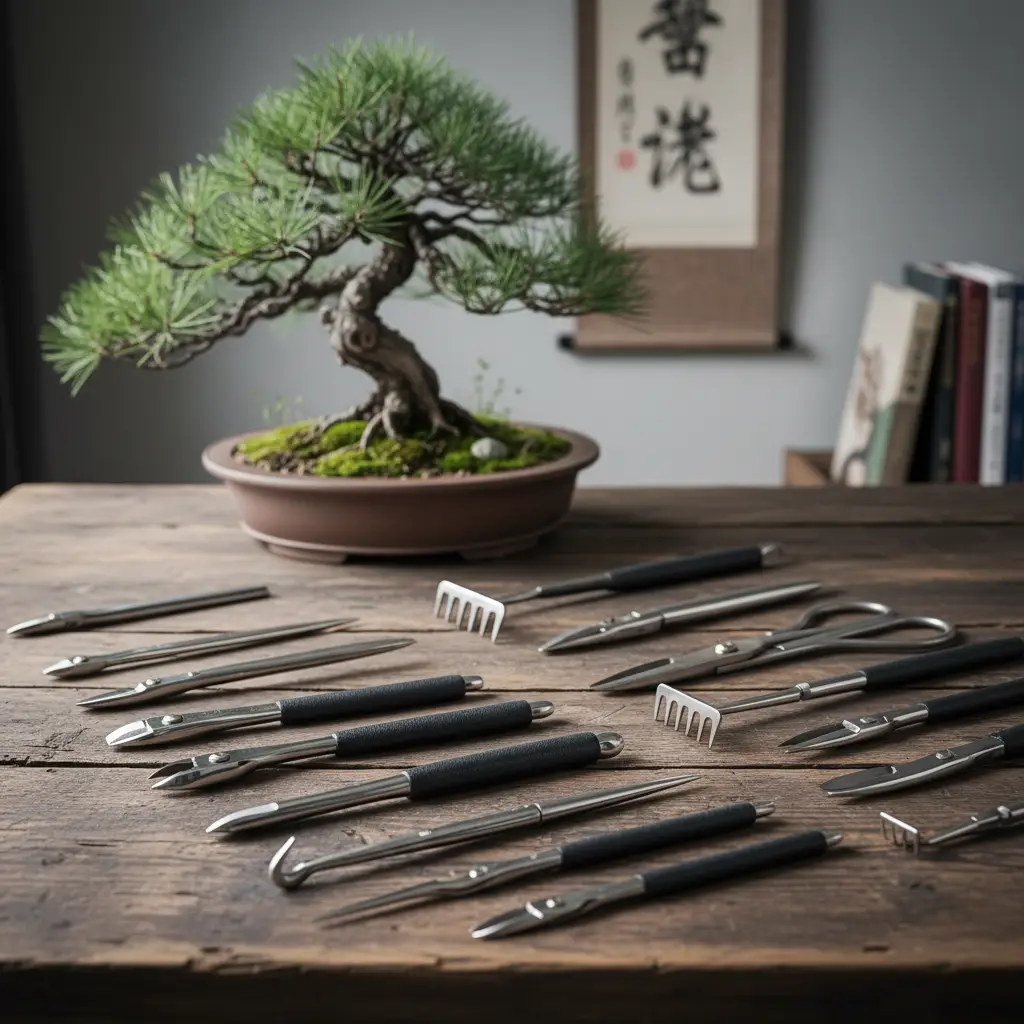
Choosing the correct bonsai styling tools professional results demand is the first step. High-quality tools are an investment. They offer better precision, cleaner cuts, and greater durability. Investing in good tools will improve your results and make the styling process more enjoyable and efficient.
Concave Cutters: Precision for Healing
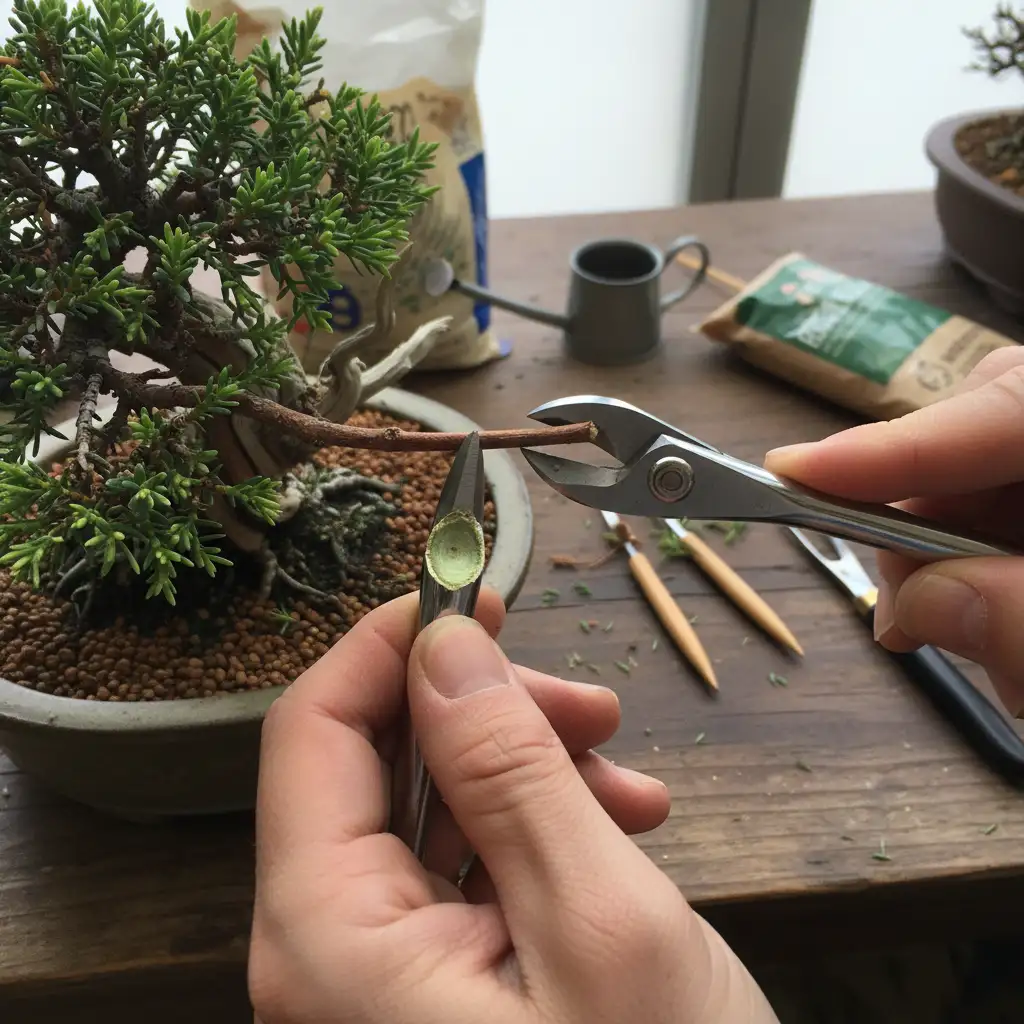
Concave cutters are perhaps the most iconic bonsai tool. Their unique concave blades create a hollow cut that encourages the tree to heal quickly and seamlessly. This prevents unsightly bumps or scars on the trunk or branches. They are vital for removing larger branches, leaving a neat, healing wound that eventually disappears into the bark.
Use them by positioning the blades to scoop out a small, spherical section of wood. This promotes rapid callus formation. Always ensure your cuts are clean and precise to minimize stress on the tree. These are indispensable for shaping the overall structure of your bonsai.
Knob Cutters: Shaping Trunks and Branches
Knob cutters, also known as spherical cutters, are similar to concave cutters but have more rounded jaws. They are perfect for removing stubs, knobs, or swellings on the trunk or larger branches. Their design allows them to create a smooth, rounded wound that blends naturally with the tree’s existing contours as it heals.
These are especially useful when refining the trunk line or removing a branch that was previously cut improperly. They help in creating a more refined and natural appearance, essential for advanced artistic styling techniques. Use them carefully to avoid damaging surrounding bark.
Wire Cutters: Essential for Shaping
Specialized wire cutters are crucial for safely removing aluminum or copper wire from your bonsai. Their blunt tips are designed to get close to the bark without scratching or damaging it. Standard pliers or cutters can easily nick the bark, leaving permanent scars. Bonsai wire cutters protect your tree.
Always cut the wire in short segments, never attempting to unwind it. This prevents accidental branch breakage or bark damage. Proper wiring techniques are fundamental for directing branch growth and achieving desired forms, especially when considering the unique requirements for Wiring & Pruning NZ Natives: Shaping for Optimal Health & Aesthetics. These specific bonsai styling tools professional artists rely on prevent damage during wire removal.
Bonsai Shears: Fine Pruning and Defoliation
Bonsai shears come in various sizes but are generally characterized by their long, slender handles and sharp blades. They are perfect for fine detail work, such as pruning small shoots, leaves, and twigs. They are also ideal for defoliation, a technique used to encourage smaller leaves and denser ramification.
Their precision allows for careful shaping without causing unnecessary trauma to the delicate branches. Use them with a clean, sharp blade to make quick, clean cuts. This promotes healthy regrowth and helps maintain the intricate structure of your bonsai over time. Regular use helps maintain desired aesthetic lines.
Rakes and Tweezers: Root and Soil Management
Bonsai rakes are used to gently tease out roots during repotting, helping to remove old soil and untangle congested root balls. They are essential for assessing root health and preparing the root system for pruning. A healthy root system is the foundation for a vigorous bonsai tree.
Bonsai tweezers, often double-ended, are used for a variety of tasks. These include removing small weeds, picking out dead leaves, and cleaning debris from the soil surface. They are also helpful for adjusting small wires or removing pests. These small bonsai styling tools professional artists appreciate for their versatility in detailed maintenance.
Proper Tool Maintenance for Longevity
The lifespan and effectiveness of your bonsai styling tools professional quality items depend heavily on proper care. Well-maintained tools make clean cuts, which are crucial for the health and rapid healing of your bonsai. Neglecting maintenance can lead to rusty, dull tools that damage your trees and make work harder.
Cleaning Your Tools
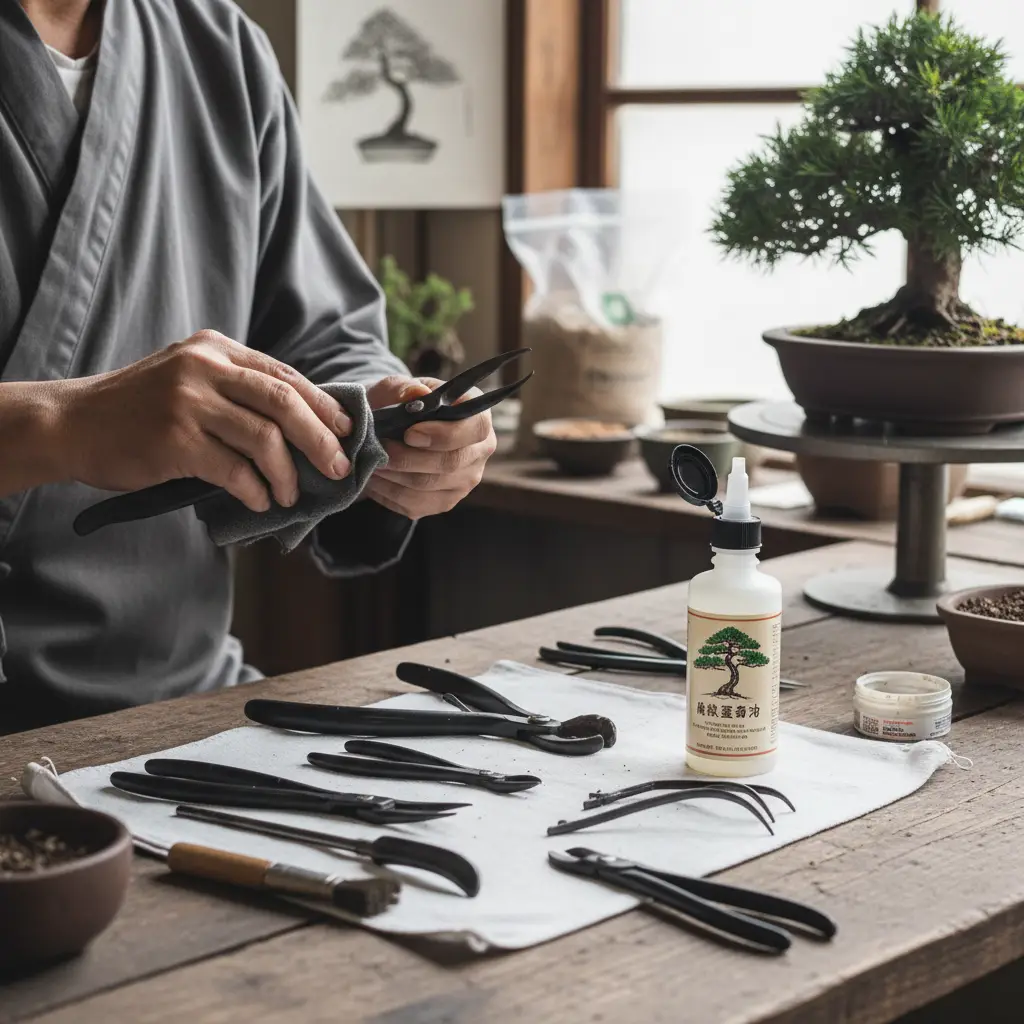
After every use, it is vital to clean your tools. Sap and plant residue can build up on the blades, leading to rust and dullness. Use a wire brush or a specialized tool cleaner to remove sap. Wipe blades with denatured alcohol to sterilize them, preventing the spread of diseases between trees. This simple step preserves sharpness.
Once clean, dry the tools thoroughly. Moisture is the enemy of metal, leading to rust. A light coat of camellia oil or another rust-preventative oil should then be applied. This creates a protective barrier, especially important for high-carbon steel tools. Consistent cleaning extends tool life.
Sharpening for Crisp Cuts
Dull tools crush plant tissue rather than cutting it cleanly. This slows healing and invites disease. Sharpening your bonsai tools regularly is crucial. Use a sharpening stone or diamond file specific for tool blades. Maintain the original angle of the blade as you sharpen.
Start with a coarse grit stone for heavily dull blades, then move to finer grits for a razor-sharp edge. Always sharpen away from the blade edge for safety. A truly sharp tool makes working with delicate branches much easier and healthier for your trees. Learn this skill for effective bonsai care.
Storage: Protecting Your Investment
Proper storage protects your tools from moisture, dust, and physical damage. Many bonsai enthusiasts use roll-up tool cases or wooden boxes with individual slots. This keeps tools organized and prevents them from knocking against each other, which can dull edges.
Store your tools in a dry environment, ideally away from extreme temperature fluctuations. Rust can form quickly in humid conditions. Good storage habits ensure your tools are always ready for use and last for many years. It’s a small effort for a significant return on your investment.
Advanced Applications of Bonsai Tools
Beyond basic pruning, professional bonsai tools unlock complex styling techniques. These methods allow artists to sculpt trees into intricate forms, mimicking ancient trees found in nature. Mastering these applications requires practice, patience, and a deep understanding of tree physiology and artistic principles. For more on creating aesthetically pleasing forms, explore Designing Bonsai Compositions and Plantings.
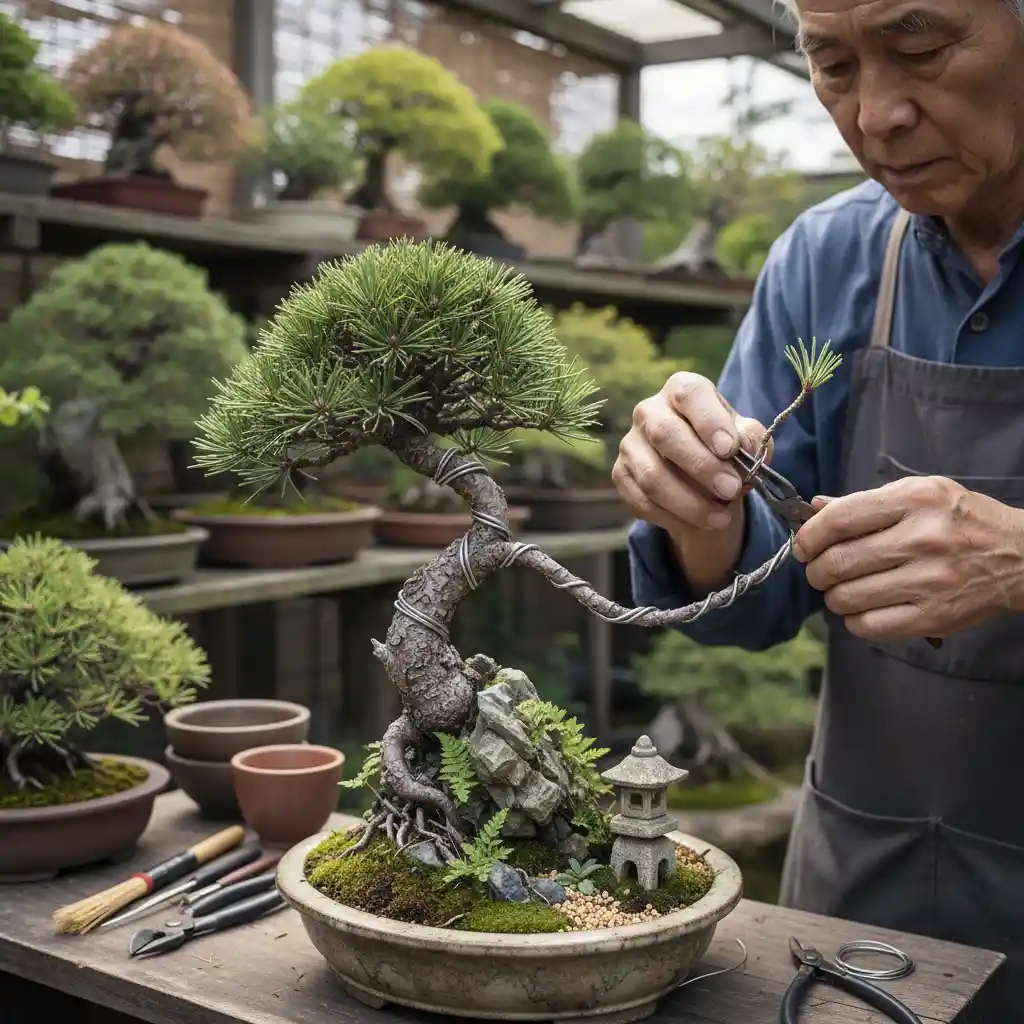
Branch Bending and Wiring
Wiring is a cornerstone of bonsai styling, allowing you to reposition branches and even trunks. Aluminum and copper wire are typically used, applied with precision. Wire cutters, pliers, and branch benders are essential. Apply wire at a 45-degree angle, wrapping it snugly but not tightly. This technique helps achieve specific tree designs like cascade or semi-cascade styles.
After wiring, use branch benders or specialized clamps to gently adjust the branch’s position. This process requires regular monitoring to prevent wire bite, where the wire cuts into the bark as the branch grows. Remove wire before it bites, typically after 6-12 months. This is an advanced technique that defines the tree’s future form.
Jin and Shari Techniques
Jin and shari are artistic techniques that involve creating deadwood effects on bonsai trees. A jin is a dead branch, stripped of bark, often bleached white. Shari is a section of deadwood on the trunk. These elements add age, character, and a sense of natural struggle to the bonsai.
Specialized jin pliers and carving tools are used to strip bark, shape the deadwood, and create texture. A chisel or knife can further refine the wood. Lime sulfur is often applied to bleach and preserve the deadwood. These techniques require artistic vision and careful execution to look natural, enhancing the tree’s story. For more information on deadwood techniques, consult reputable sources like Wikipedia.
Repotting and Root Pruning
Repotting is a critical aspect of bonsai health, typically performed every 1-3 years depending on the species and age. Tools like root hooks, rakes, and root scissors are indispensable here. A root hook is used to gently untangle roots, while a rake helps remove old soil. Understanding various substrates like Bonsai Soil Reviews: Akadama, Pumice, Lava Rock, and specialized blends such as Pohutukawa Bonsai Soil Mix, is crucial for optimal growth. Root scissors are strong shears designed specifically for cutting thick roots without damaging fine feeder roots.
During repotting, a portion of the root system is pruned to encourage new, fine root growth, which improves nutrient uptake. This process requires careful planning to match the root reduction with canopy reduction. Proper repotting ensures the tree’s continued vitality and prevents it from becoming root-bound. For a deeper understanding of the vital role of Bonsai Soil, Fertilization & Nutrition in maintaining robust trees, and for insights into the unique challenges and opportunities for indigenous species, explore The Future of NZ Native Bonsai: Innovation, Sustainability & Global Recognition. It’s a fundamental part of long-term bonsai care.
Mastering professional bonsai styling tools is a journey of continuous learning and practice. Each tool serves a specific purpose, contributing to the overall health and aesthetic appeal of your miniature tree. With proper selection, diligent maintenance, and skillful application, you can unlock the full potential of your bonsai collection, creating living works of art that endure for generations. To further enhance your journey and connect with fellow enthusiasts, consider Finding Bonsai Mentors & Clubs in NZ: Connect with Your Community. For comprehensive guidance on seasonal care, including specific tasks for different times of the year, delve into resources like our guide on Spring Care for Bonsai SH.