Pohutukawa Bonsai Care
Master seasonal Pohutukawa bonsai care in NZ with our expert guide. Learn pruning, watering, winter protection, and styling for a thriving native Christmas tree.
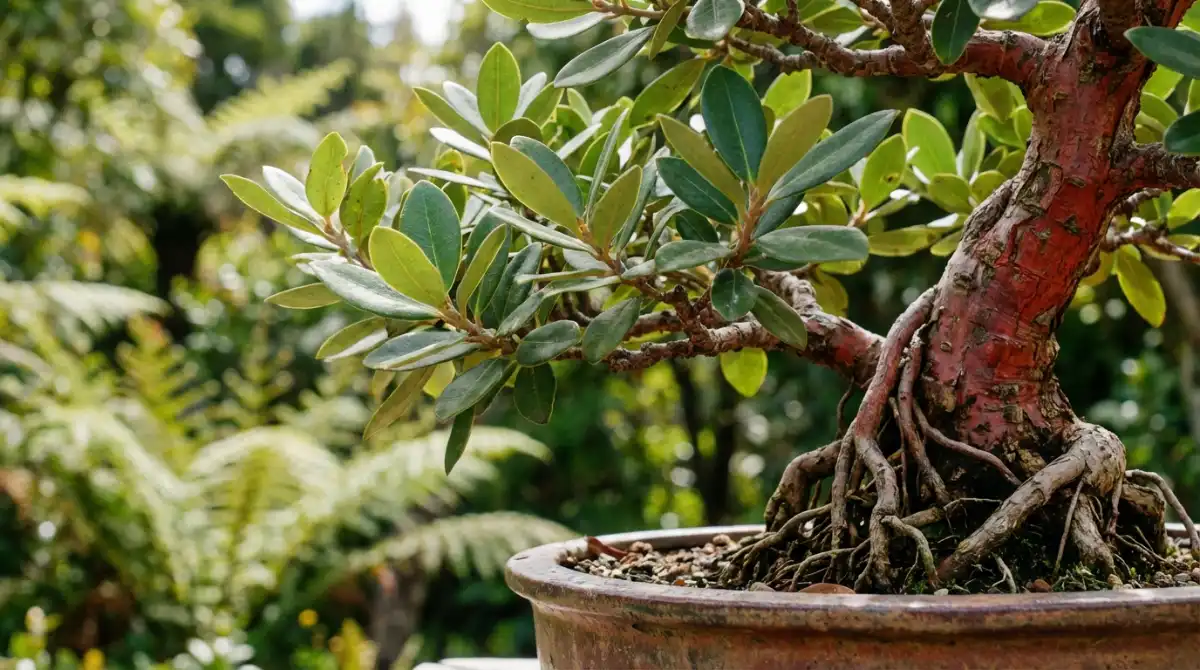
bonzai.co.nz
What You Will Learn
Master seasonal Pohutukawa bonsai care in NZ with our expert guide. Learn pruning, watering, winter protection, and styling for a thriving native Christmas tree.
Mastering Seasonal Pohutukawa Bonsai Care in NZ
The Pohutukawa (Metrosideros excelsa), New Zealand’s iconic ‘Christmas Tree’, is a spectacular choice for bonsai. Its vibrant crimson flowers, leathery leaves, and gnarly bark offer immense aesthetic potential. However, nurturing a thriving pohutukawa bonsai requires a deep understanding of its unique seasonal needs, especially within the diverse climates of Aotearoa. This comprehensive guide will equip you with the expert knowledge to cultivate a healthy, stunning specimen year-round, focusing on specific regional seasonality and modern, visual-first care.
From its vigorous growth in summer to its delicate requirements in winter, mastering seasonal pohutukawa bonsai care is key to unlocking its full potential and enjoying its breathtaking beauty. Let’s delve into the secrets of keeping your New Zealand native bonsai flourishing.
Table of Contents
- The Majestic Pohutukawa for Bonsai
- Understanding Pohutukawa Flowering & Fruiting in Bonsai
- Seasonal Pruning & Wiring Techniques for Pohutukawa Bonsai
- Essential Winter Protection in Cooler Climates
- Optimal Watering & Feeding Requirements
- Styling for a Natural, Award-Winning Look
- Common Issues & Solutions
- Seasonal Pohutukawa Bonsai Care Checklist
- Frequently Asked Questions (FAQ)
- References & Sources
The Majestic Pohutukawa for Bonsai
The Pohutukawa’s robust nature and distinctive features make it a superb candidate for bonsai, especially for those interested in NZ native bonsai. Endemic to New Zealand, particularly coastal areas of the North Island, it thrives in well-drained soil and tolerates salt spray, indicating its resilience. In its natural habitat, it can grow into a large, sprawling tree, making careful management essential for bonsai culture.
Key characteristics that appeal to bonsai enthusiasts include its small, leathery leaves which reduce well with careful pruning, its ability to produce aerial roots, and its incredibly vibrant, bottlebrush-like crimson flowers that bloom spectacularly in summer, around Christmas time in New Zealand. The bark develops beautiful texture and character over time, adding to its aged aesthetic.
Understanding Pohutukawa Flowering & Fruiting in Bonsai
The glorious floral display is undoubtedly one of the main attractions of a Pohutukawa bonsai. These trees typically flower from late spring through summer (November to January in New Zealand). To encourage abundant flowering, consistent care and specific timing of pruning are crucial. Heavy pruning late in the season can remove developing flower buds, so careful observation is key.
“Achieving spectacular flowers on your Pohutukawa bonsai is a testament to meticulous seasonal care and an understanding of its natural rhythms.”
While fruiting can occur after successful pollination, the small seed capsules are less visually impactful than the flowers themselves. Focus your efforts on optimising conditions for flowering: ample sunlight, proper fertilisation, and minimal disturbance during the budding phase will yield the best results for a truly festive display.
Seasonal Pruning & Wiring Techniques for Pohutukawa Bonsai
Pruning and wiring are fundamental to shaping your Pohutukawa bonsai and encouraging dense ramification. The timing of these techniques is critical for the tree’s health and its ability to flower.
1. Spring Awakening: Initial Pruning & Shaping
As spring begins (September-October), your Pohutukawa will start its most vigorous growth. This is an ideal time for major structural pruning and initial shaping. Remove any dead or crossing branches, and cut back long shoots to encourage new growth closer to the trunk. Aim to define the primary branches and overall silhouette. This early spring work helps manage the tree’s strong growth while leaving time for new shoots to mature before flowering.
2. Summer Refinement: Pinching & Wiring
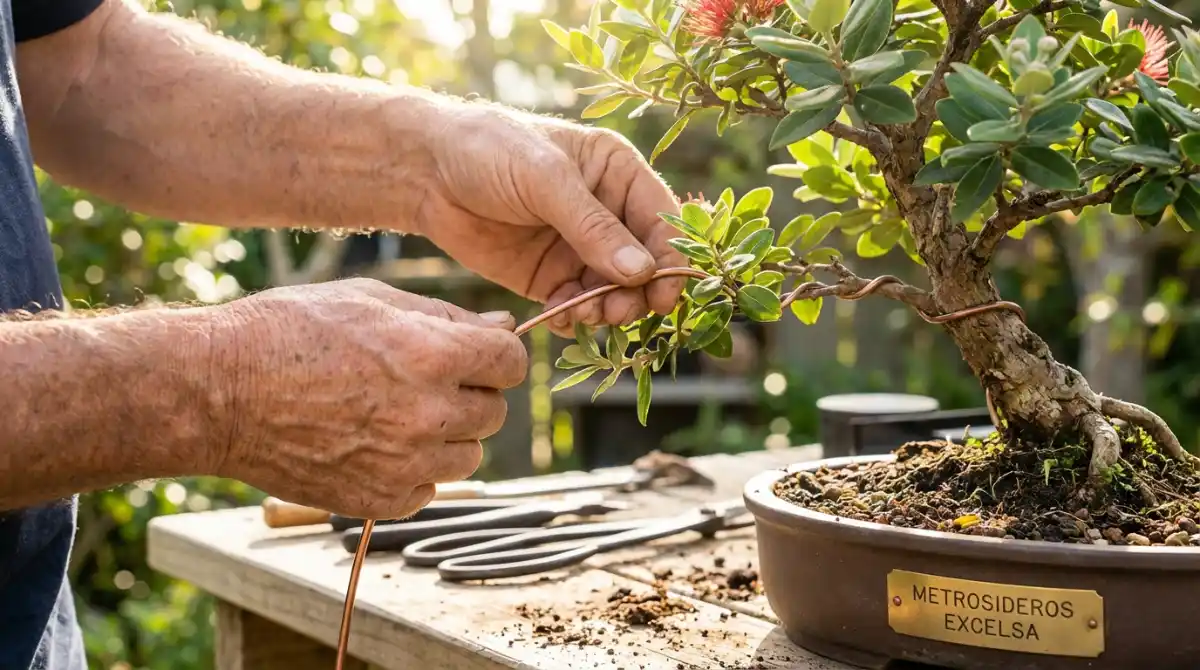
Throughout summer (November-February), as growth continues, focus on finer pruning and wiring. Pinch back new shoots to two or three sets of leaves to promote ramification and maintain the desired shape. Wiring can be applied to young, flexible branches to set their direction. Monitor wired branches closely, as Pohutukawa grows quickly, and wire can bite into the bark if left too long. Remove wire before it causes damage, typically within 2-3 months.
3. Autumn Preparation: Structural Cuts
In autumn (March-May), growth slows down. This is a good time for any heavier structural cuts you may have deferred, as the tree will have time to recover before winter. However, avoid excessive pruning that could stress the tree before colder temperatures arrive. Focus on refining the tree’s outline and removing any unwanted summer growth.
4. Winter Dormancy: Minimal Intervention
During winter (June-August), Pohutukawa enters a period of slower growth. Minimal intervention is best. Only remove dead or diseased branches. Avoid major pruning or wiring, as the tree’s ability to heal will be reduced, increasing the risk of dieback or disease. Focus on protection and observation.
Essential Winter Protection for Pohutukawa Bonsai in Cooler Climates
While Pohutukawa are hardy in their native, generally mild coastal environments, pohutukawa bonsai in NZ’s cooler climates or inland regions require specific winter protection. They are sensitive to prolonged frost, which can damage foliage and even kill branches.
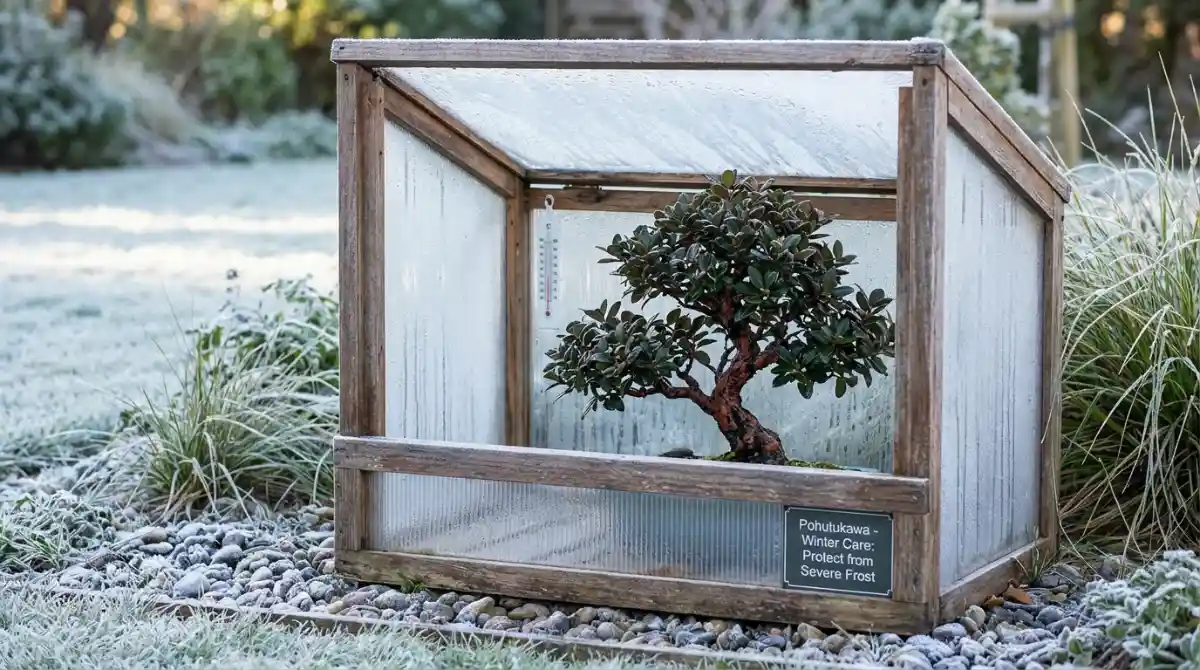
- Location: Move your bonsai to a sheltered location, away from strong winds and direct frost. An unheated greenhouse, cold frame, or even a covered porch can provide sufficient protection.
- Temperature: Aim to keep temperatures above 0°C (32°F). If severe frosts are predicted, consider temporary indoor placement in a cool, bright room, but avoid heated indoor environments which can dry out the tree.
- Watering: Reduce watering significantly in winter, only watering when the top inch or two of soil feels dry to the touch. Overwatering in cold conditions can lead to root rot.
- Humidity: Even in sheltered areas, ensure good air circulation to prevent fungal issues.
Optimal Watering & Feeding Requirements
Proper hydration and nutrition are vital for a healthy Pohutukawa bonsai throughout the year. These needs fluctuate significantly with the seasons.
Watering
- Spring & Summer: Pohutukawa are thirsty during their active growing season. Water thoroughly daily, or even twice daily during hot, windy periods, ensuring water drains freely from the pot. Never let the soil dry out completely.
- Autumn: Gradually reduce watering frequency as growth slows. Check the soil moisture more carefully, watering when the top layer begins to dry.
- Winter: Water sparingly. The goal is to keep the soil slightly moist, not wet. Overwatering in winter is a common cause of issues.
Feeding
- Spring: Begin feeding with a balanced liquid fertiliser (e.g., NPK 10-10-10) every 2-4 weeks. As new growth appears, a fertiliser slightly higher in nitrogen can promote foliage development.
- Summer: Continue with a balanced fertiliser. Once flower buds begin to form, switch to a fertiliser lower in nitrogen and higher in phosphorus and potassium to support flowering (e.g., NPK 3-10-10).
- Autumn & Winter: Discontinue feeding during autumn and winter as the tree’s metabolic rate slows. Any late feeding can encourage soft, vulnerable growth that is susceptible to frost damage.
Styling Your Pohutukawa Bonsai for a Natural, Award-Winning Look
The natural form of the Pohutukawa lends itself beautifully to several bonsai styles. Its rugged trunk, often wind-swept in coastal environments, makes it perfect for styles that convey age and resilience.
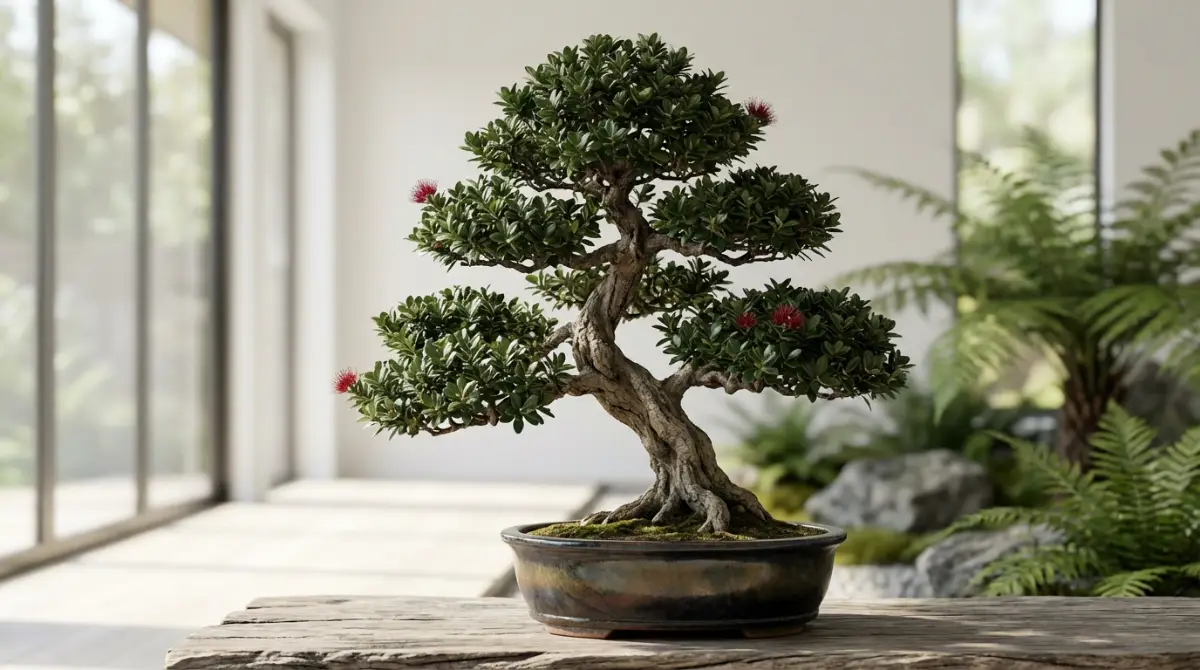
- Informal Upright (Moyogi): This is a very common and suitable style, mimicking the natural, slightly curved growth of the Pohutukawa. Focus on developing a strong, tapering trunk and well-defined branches.
- Slanting (Shakan): Given its coastal origins, a slanting style can powerfully evoke a tree exposed to prevailing winds. Ensure the roots on the opposing side are robust to balance the design.
- Cascade (Kengai) or Semi-Cascade (Han-Kengai): While less common, the Pohutukawa’s ability to produce long, weeping branches can be leveraged for these dramatic styles, particularly if using younger material.
- Root-Over-Rock: The Pohutukawa’s strong root system makes it an excellent candidate for this style, where roots are trained over a rock to create a powerful, enduring image.
When styling, always aim for a natural aesthetic. Observe mature Pohutukawa trees in their native environment for inspiration. The goal is to create a miniature representation that captures the spirit and grandeur of these magnificent New Zealand natives.
Common Issues & Solutions
Even with the best Pohutukawa bonsai care, issues can arise. Knowing how to identify and address them promptly is crucial.
- Leaf Drop: Often caused by sudden environmental changes (e.g., moving indoors, draughts), overwatering, or underwatering. Assess your watering schedule and environmental conditions.
- Lack of Flowering: Typically due to incorrect pruning timing (cutting off flower buds), insufficient sunlight, or inadequate phosphorus/potassium in fertiliser. Adjust pruning to after flowering, ensure full sun, and use appropriate fertiliser.
- Pests: Pohutukawa can be susceptible to scale insects and aphids. Inspect regularly. Treat with horticultural oil or insecticidal soap for minor infestations. Severe cases may require systemic insecticides.
- Fungal Diseases (e.g., Root Rot): Primarily caused by overwatering and poor drainage. Ensure your soil mix is free-draining and adjust watering. Repotting into fresh, well-aerated soil may be necessary.
- Chlorosis (Yellowing Leaves): Can indicate nutrient deficiency (often iron) or incorrect pH. Test soil pH; Pohutukawa prefer slightly acidic to neutral soil. Supplement with chelated iron if needed.
Seasonal Pohutukawa Bonsai Care Checklist
Use this checklist to ensure your Pohutukawa bonsai receives optimal care throughout the New Zealand seasons.
Spring (September – November)
- ✔️ Begin vigorous watering and start feeding with a balanced liquid fertiliser.
- ✔️ Perform major structural pruning and initial shaping.
- ✔️ Repot if necessary, ensuring good drainage.
- ✔️ Watch for new growth and emerging flower buds.
Summer (December – February)
- ✔️ Water daily, possibly twice during hot spells; never let soil dry out.
- ✔️ Continue feeding, switching to a higher P/K fertiliser when flower buds form.
- ✔️ Pinch back new shoots to promote ramification.
- ✔️ Apply wiring to young, flexible branches, monitoring closely for biting.
- ✔️ Enjoy the spectacular flowering!
Autumn (March – May)
- ✔️ Gradually reduce watering frequency.
- ✔️ Discontinue feeding.
- ✔️ Perform any heavier structural cuts needed, but avoid excessive pruning.
- ✔️ Prepare for winter protection, especially in cooler regions.
Winter (June – August)
- ✔️ Water sparingly, keeping soil just moist.
- ✔️ Ensure adequate winter protection from frost and strong winds.
- ✔️ Avoid major pruning or wiring; only remove dead or diseased material.
- ✔️ Monitor for pests and diseases, which can sometimes be more prevalent on stressed plants.
Frequently Asked Questions (FAQ)
- How often should I water my pohutukawa bonsai?
During its active growing season (spring and summer), water daily, or even twice a day in hot weather, ensuring proper drainage. In autumn, reduce watering, and in winter, water sparingly, only when the topsoil feels dry. - Can pohutukawa bonsai be grown indoors?
Pohutukawa are outdoor trees that require ample sunlight and air circulation. They do not thrive indoors long-term. They can be brought indoors temporarily for severe winter protection, but should be returned outside as soon as conditions allow. - When is the best time to prune a pohutukawa bonsai?
Major structural pruning is best done in early spring (September-October). Finer pinching and wiring occur during summer. Avoid heavy pruning in late autumn and winter to prevent stress and loss of flower buds. - Why isn’t my pohutukawa bonsai flowering?
Common reasons include pruning at the wrong time (removing flower buds), insufficient sunlight, or a lack of phosphorus and potassium in the fertiliser. Ensure full sun exposure and adjust your fertilising and pruning schedule. - What soil mix is best for pohutukawa bonsai?
A well-draining, aerated soil mix is crucial. A common mix includes akadama, pumice, and lava rock, often with a small amount of organic compost. Good drainage prevents root rot, to which Pohutukawa can be susceptible.
References & Sources
- Bonsai NZ: Official guide to native bonsai species.
- Department of Conservation (DOC) New Zealand: Information on native flora.
- Various horticultural publications on Metrosideros excelsa cultivation.
- Local New Zealand bonsai society experts and workshops.