Mastering Oak Bonsai Pruning Techniques for Stunning Trees
Developing a magnificent oak bonsai requires patience, artistic vision, and a deep understanding of its unique needs. Among various care routines, pruning is critical for shaping its form and maintaining its health. This guide will walk you through everything needed for effectively pruning your oak bonsai.
Oak Bonsai Pruning Techniques are essential practices for cultivating healthy and aesthetically pleasing miniature oak trees. These methods involve careful trimming of branches, leaves, and roots to control growth, develop a desired shape, and promote overall tree vigor. Proper pruning ensures your oak bonsai thrives for many years.
Why Prune Your Oak Bonsai?

Pruning is more than just cutting branches; it’s a fundamental aspect of bonsai artistry and tree health. For oak bonsai, strategic pruning encourages finer ramification, which means the development of numerous small branches and twigs. This creates a denser, more refined canopy.
Beyond aesthetics, pruning maintains the tree’s health by removing dead or diseased wood, improving air circulation, and allowing light penetration to inner foliage. It also controls the tree’s size, preventing it from outgrowing its pot and ensuring it retains its miniature scale. Without regular pruning, an oak bonsai would quickly revert to its natural, larger form.
Essential Tools for Oak Bonsai Pruning

Having the right tools is crucial for precise and clean cuts, vital for your oak bonsai’s recovery and aesthetic. Investing in quality bonsai tools will make the process easier and minimize damage to your tree.
Key Pruning Instruments:
- Concave Cutters: Essential for removing branches cleanly, leaving a concave wound that heals flush with the trunk, preventing unsightly bulges.
- Branch Cutters: Used for thicker branches, providing the leverage needed for clean cuts.
- Bonsai Scissors: Ideal for fine detail work, leaf pruning, and trimming smaller twigs.
- Root Shears: Specifically designed for cutting through roots without crushing them, crucial during repotting.
- Wound Sealer: Applied to larger cuts to protect the tree from disease and encourage faster healing.
Always ensure your tools are sharp and sterilized before and after use. This prevents the spread of diseases between plants and ensures clean cuts that heal quickly. To learn more about selecting the right equipment, explore our Best Bonsai Tools for Beginners: A Starter Guide and delve into Professional Bonsai Styling Tools and Their Use.
Understanding Oak Growth Patterns
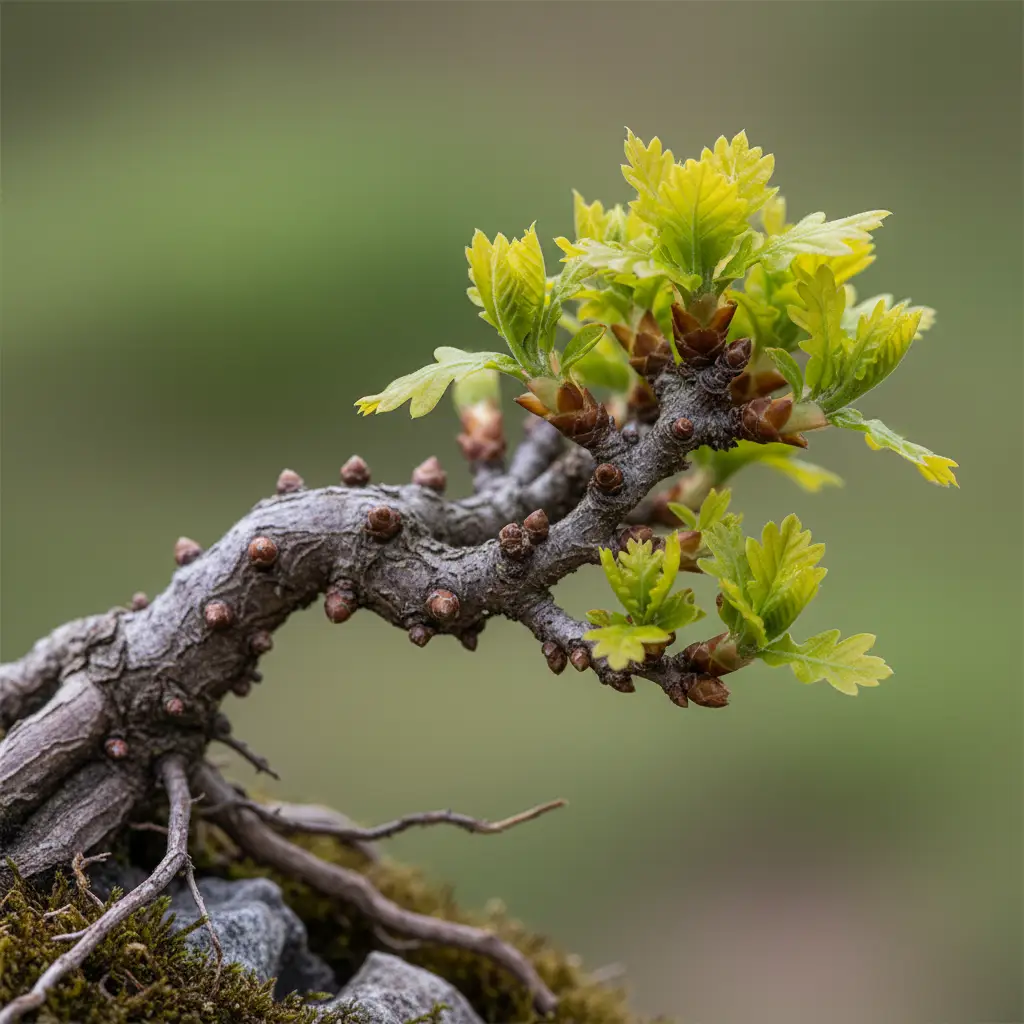
Before you begin any Oak Bonsai Pruning Techniques, it’s vital to understand how oak trees grow. Oaks are deciduous, meaning they shed their leaves annually. They typically have strong apical dominance, where the topmost bud grows most vigorously, though this can vary by species.
They produce new shoots from dormant buds along existing branches, especially after pruning. Knowing where these buds are located will help you predict new growth and guide your cuts effectively. Observing your specific oak species will give you insights into its unique habits.
Key Oak Bonsai Pruning Techniques
Mastering these Oak Bonsai Pruning Techniques empowers you to shape your tree with confidence. Each method serves a distinct purpose in developing its form and maintaining its health.
1. Structural Pruning
Structural pruning defines the overall shape and framework of your oak bonsai. This involves removing major branches that don’t fit the desired design, crossing branches, or those too thick for their position.
- Timing: Best done in late winter or early spring when the tree is dormant or just beginning to bud.
- Method: Use concave cutters for larger branches to ensure clean, healing wounds. Visualize the final shape before making any cuts.

2. Maintenance Pruning
Once the basic structure is established, maintenance pruning keeps the tree in shape, promotes ramification, and removes unwanted growth. This is the most frequent type of pruning you’ll perform.
- Timing: Throughout the growing season, typically from spring to late summer.
- Method: Pinch back new shoots to two leaves or a pair of buds to encourage back-budding and dense foliage. Remove weak, downward-growing, or inward-growing shoots.
3. Defoliation
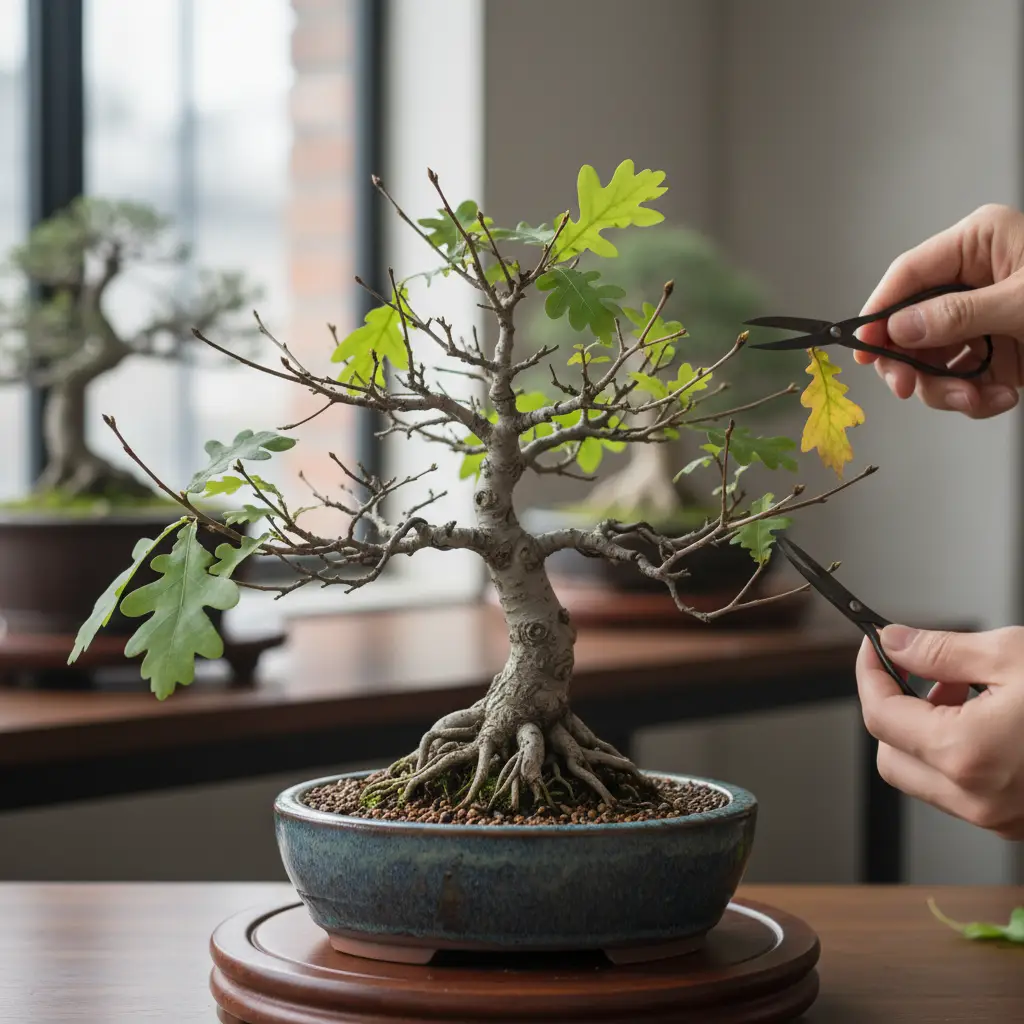
Defoliation, or leaf pruning, is a technique used on some deciduous species, including certain oaks, to reduce leaf size and stimulate a second flush of smaller leaves. This can significantly improve the tree’s appearance.
- Timing: Mid-summer, after the first flush of growth has hardened. Only healthy, strong trees should be defoliated.
- Method: Carefully remove all or most of the leaves, leaving the leaf stems (petioles) attached. New, smaller leaves will emerge in a few weeks.
4. Root Pruning
Root pruning is typically performed during repotting, essential for controlling the tree’s vigor and ensuring it fits its pot. It promotes the growth of fine feeder roots, which are more efficient at absorbing water and nutrients.
- Timing: Late winter or early spring, just before new growth begins, every 2-3 years for young oaks, or 3-5 years for older ones.
- Method: Gently remove old soil, comb out roots, and prune about one-third of the root mass, focusing on thick, circling roots.
Seasonal Pruning Calendar for Oaks
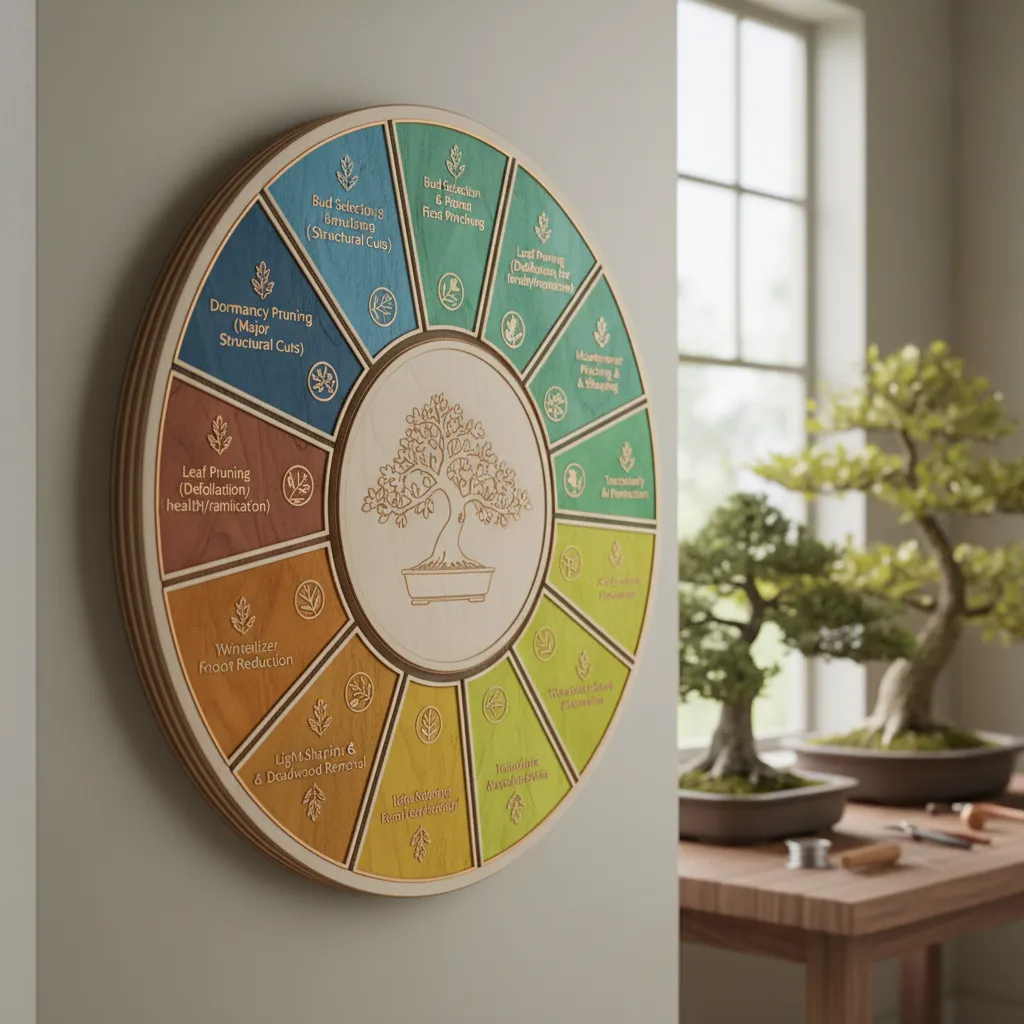
Understanding the best times to apply various Oak Bonsai Pruning Techniques is key to success. Oak trees have specific periods of growth and dormancy that influence how they respond to pruning.
Optimal Pruning Schedule:
- Late Winter (January-February): This is the best time for structural pruning and making initial heavy cuts while the tree is dormant. It’s also ideal for repotting and root pruning, preparing your oak for vigorous spring growth.
- Early Spring (March-April): As buds begin to swell, you can start light maintenance pruning. Focus on removing any dead or clearly diseased branches that may have appeared over winter. For more detailed insights into overall Spring Care for Bonsai, consult dedicated resources.
- Spring to Early Summer (May-June): This period is for ongoing maintenance pruning to control new growth. Pinch back new shoots to two leaves or a pair of buds to encourage denser foliage and ramification. Wiring can also be done during this time.
- Mid-Summer (July-August): For very healthy and vigorous oak bonsai, selective defoliation can be performed. Continue with maintenance pruning to refine the tree’s shape and manage growth.
- Late Summer to Autumn (September-November): Reduce the intensity of maintenance pruning as the tree prepares for dormancy. Focus on protecting the tree and performing minimal pruning to remove only dead or diseased foliage, avoiding any major cuts.
- Winter (December): During deep winter, keep pruning to a minimum or none at all. The tree is dormant, and healing is much slower, increasing the risk of stress or disease.
Post-Pruning Care and Recovery

After applying any significant Oak Bonsai Pruning Techniques, proper aftercare is crucial for your tree’s quick recovery. Incorrect post-pruning care can lead to stress, disease, or even the loss of your bonsai.
- Wound Sealing: For larger cuts, apply a quality bonsai wound sealer. This protects the cut surface from pests and diseases and aids in callus formation.
- Watering: Ensure consistent watering, but avoid overwatering. The tree may temporarily use less water after significant pruning.
- Appropriate Bonsai Soil, Fertilization & Nutrition: Use a balanced bonsai fertilizer throughout the growing season, adjusting for seasonal needs.
- Placement: Keep your oak bonsai in a sheltered location for a few weeks, protected from extreme sun or wind, allowing it to recover without additional stress.
Common Mistakes to Avoid
Even experienced enthusiasts can make mistakes. Being aware of these common pitfalls will help you ensure the longevity and beauty of your oak bonsai.
- Over-Pruning: Removing too much foliage at once can shock the tree and severely weaken it. Always prune in stages if significant work is needed.
- Incorrect Cuts: Leaving stubs or making jagged cuts can invite disease and create unsightly scars. Always use sharp tools and make clean cuts flush with the trunk or branch.
- Ignoring Species-Specific Needs: While general principles apply, each oak species (e.g., White Oak, Live Oak) might have slightly different pruning responses. Research your specific tree.
- Neglecting Tool Hygiene: Unsterilized tools can transfer pathogens, leading to fungal or bacterial infections.
- Poor Timing: Pruning at the wrong time of year can disrupt natural growth cycles, lead to excessive sap bleed, or hinder recovery.
Maintaining Long-Term Oak Bonsai Health
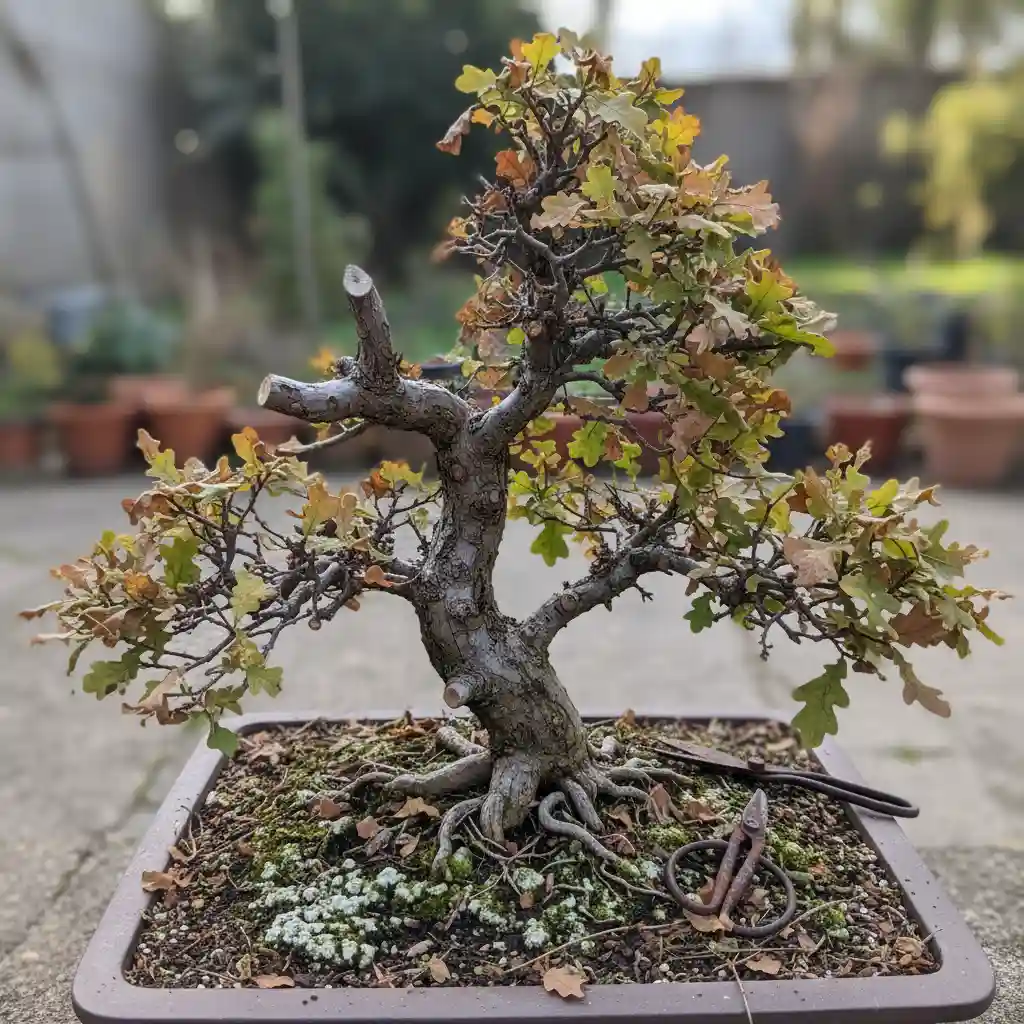
Beyond the specific Oak Bonsai Pruning Techniques, long-term health relies on a holistic approach to care. Pruning works in conjunction with other practices to create a thriving miniature tree.
- Consistent Watering: Oaks prefer consistent moisture but good drainage. Avoid soggy soil.
- Appropriate Fertilization: Use a balanced bonsai fertilizer throughout the growing season, adjusting for seasonal needs.
- Pest and Disease Management: Regularly inspect your tree for any signs of pests or diseases. Early detection is key.
- Repotting: Alongside root pruning, regular repotting refreshes the soil and allows for inspection of root health.
- Wiring: While not pruning, wiring is often done in conjunction with pruning to set branch positions. For further reading on general bonsai care, consider resources like Bonsai on Wikipedia, or explore specific techniques for different species with our guide on Wiring & Pruning NZ Natives: Shaping for Optimal Health & Aesthetics.
References and Further Reading
To deepen your understanding of bonsai care and oak specific techniques, consider exploring these valuable resources:
- Learn more about the general art of bonsai: Bonsai on Wikipedia, and explore the History of Bonsai in NZ: From Early Imports to Native Excellence.
- Consult specific botanical guides for your oak species to understand its unique growth habits and needs.
- Join local bonsai clubs or online forums to connect with experienced growers and share knowledge, including insights into The Future of NZ Native Bonsai: Innovation, Sustainability & Global Recognition.
Continuous learning and observation are key to mastering the art of bonsai. Always cross-reference information and adapt techniques to your specific tree and local climate conditions.
Conclusion
Mastering Oak Bonsai Pruning Techniques is a journey of continuous learning and observation. Each cut you make influences the future growth and aesthetic of your miniature oak.
With the right tools, knowledge of oak growth patterns, and a commitment to consistent care, you can cultivate a stunning oak bonsai that stands as a testament to your dedication and artistry. Enjoy the rewarding process of shaping your living masterpiece.