New Zealand Native Bonsai Species
Explore the unique world of New Zealand native bonsai species. Learn expert care for Totara & Pohutukawa, ethical sourcing tips, and styling guides in this comprehensive informational article.
bonzai.co.nz
What You Will Learn
Explore the unique world of New Zealand native bonsai species. Learn expert care for Totara & Pohutukawa, ethical sourcing tips, and styling guides in this comprehensive informational article.
Unveiling the Beauty of New Zealand Native Bonsai Species
Stepping into the world of bonsai often conjures images of ancient Japanese maples or gnarled Chinese junipers. However, for enthusiasts in the Southern Hemisphere, especially New Zealand, a unique and rewarding path lies in cultivating New Zealand native bonsai species. These remarkable trees, adapted to the diverse and often challenging climate of Aotearoa, offer an distinct aesthetic and a deeper connection to the local environment. This comprehensive guide will explore the fascinating journey of transforming indigenous flora into living miniature art.
From the towering giants of the forest to delicate coastal shrubs, New Zealand’s rich biodiversity provides an exceptional palette for bonsai artists. Embracing native species not only celebrates the country’s unique botanical heritage but also encourages sustainable practices and a deeper understanding of these incredible plants. Let’s delve into what makes New Zealand natives perfect for bonsai cultivation, how to care for them, and where to begin your own collection.
Table of Contents
Key Characteristics of NZ Species for Bonsai
What makes a tree suitable for bonsai? For New Zealand native bonsai, several inherent traits align perfectly with the art form’s requirements. Many species boast naturally small leaves, dense growth habits, and an incredible ability to withstand pruning and shaping. Their resilience, born from adapting to diverse conditions from alpine to coastal, makes them robust candidates for miniature cultivation.
Notable characteristics include:
- Small Foliage: Many native species, like Totara (Podocarpus totara) and some Coprosma varieties, naturally produce small leaves, which is crucial for maintaining scale in bonsai.
- Hardiness: Adapted to New Zealand’s often unpredictable weather, many natives are remarkably tolerant of various conditions, provided their basic needs are met.
- Ramification Potential: Species like Kanuka (Kunzea ericoides) and Manuka (Leptospermum scoparium) readily produce fine branching, allowing for dense canopy development.
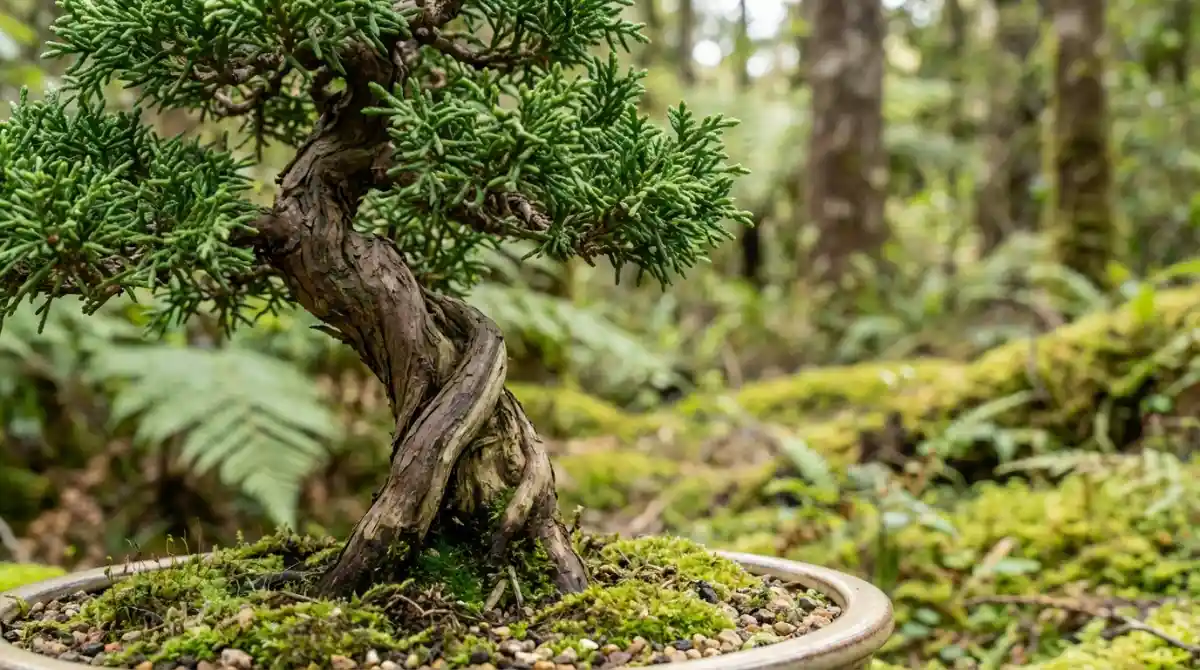
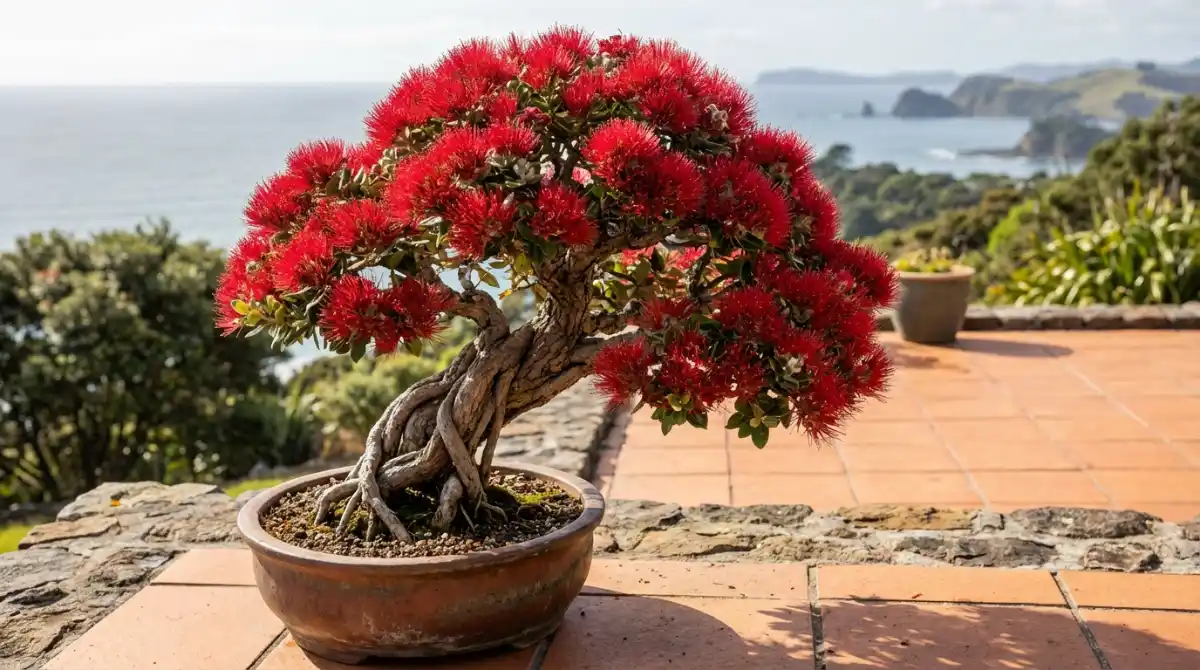
- Interesting Bark & Trunk: The textured bark of Totara, the aerial roots of Pohutukawa, or the twisting trunks of coastal species add immense character and age to bonsai designs.
- Cultural Significance: Working with native species offers a deep connection to Māori culture and the natural landscape of Aotearoa.
“The beauty of New Zealand native bonsai lies not just in their form, but in their story of resilience and connection to a unique ecosystem. They are a living testament to Aotearoa’s botanical heritage.”
Specific Care Guides for Native Bonsai
While general bonsai principles apply, success with New Zealand native bonsai often hinges on understanding their specific environmental needs. Here, we delve into detailed care for two popular and highly rewarding species.
Caring for Totara (Podocarpus totara) Bonsai
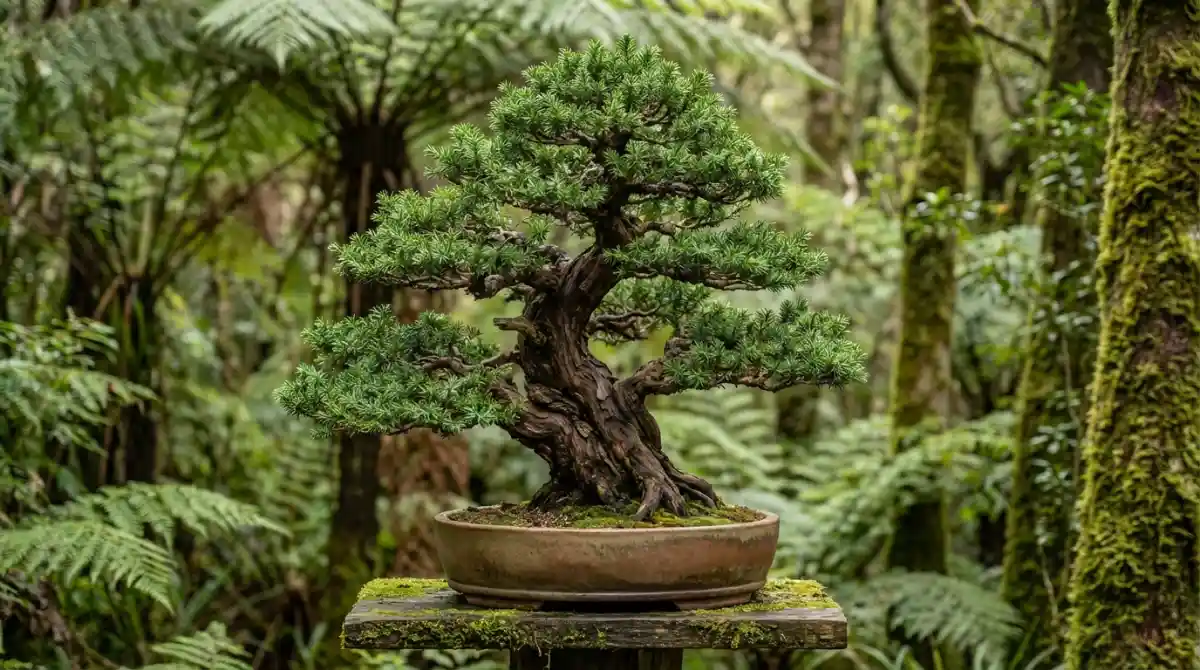
Totara, a majestic conifer in its natural form, makes an excellent bonsai due to its naturally small needles and rugged bark. It’s a forgiving species, ideal for beginners and experienced enthusiasts alike.
- 1. Watering: Totara prefers consistent moisture but hates soggy feet. Water thoroughly when the top inch of soil feels dry. Reduce watering in winter but do not let it dry out completely.
- 2. Light: Thrives in full sun to partial shade. Protect from the harshest afternoon summer sun, especially young trees or newly repotted specimens.
- 3. Soil: Use a well-draining, open bonsai soil mix. A mix of pumice, akadama (or similar baked clay), and a small amount of organic matter works well.
- 4. Pruning: Prune to shape throughout the growing season (spring to autumn). Totara back-buds readily on old wood, allowing for significant design changes. Avoid heavy pruning in late autumn or winter.
- 5. Wiring: Totara branches are flexible when young. Wire carefully, ensuring not to damage the bark. Remove wire before it bites into the branch, typically within 6-12 months.
- 6. Repotting: Repot every 2-3 years for younger trees, and every 3-5 years for mature specimens, in early spring just as new growth begins. Prune roots conservatively.
- 7. Fertilising: Use a balanced liquid fertiliser at half strength every 2-4 weeks during the growing season. Reduce frequency and strength in cooler months.
- 8. Pests & Diseases: Generally robust, but watch for scale insects or aphids. Treat promptly with an appropriate horticultural oil or insecticide. Good air circulation is key to preventing fungal issues.
Caring for Pohutukawa (Metrosideros excelsa) Bonsai
The iconic New Zealand Christmas tree, Pohutukawa, is renowned for its vibrant red flowers and ability to develop impressive aerial roots and gnarled trunks, making it a spectacular bonsai subject.
- 1. Watering: Pohutukawa prefers consistent moisture, especially during its growing and flowering seasons. Allow the topsoil to dry slightly between waterings. Reduce in winter.
- 2. Light: Requires full sun to thrive and produce its magnificent flowers. Aim for at least 6 hours of direct sunlight daily.
- 3. Soil: A free-draining, slightly acidic soil mix is ideal. A mix of pumice, bark fines, and a small amount of akadama will work well.
- 4. Pruning: Prune heavily in late summer after flowering to encourage back-budding and dense growth. Fine-tune throughout the growing season. Avoid pruning just before the flowering season if you want blooms.
- 5. Wiring: Branches can be brittle, especially when mature. Wire carefully, or use guy wires. Remove wires promptly to prevent damage. Young shoots are more pliable.
- 6. Repotting: Repot every 2-3 years for young trees, 3-4 years for older ones, in late spring after the risk of frost. Be mindful of root pruning; they don’t appreciate heavy root disturbance.
- 7. Fertilising: Feed regularly during the growing season (spring to late summer) with a balanced liquid fertiliser. A higher phosphorus fertiliser can promote flowering.
- 8. Pests & Diseases: Can be susceptible to scale and mealybugs. Maintain good air circulation and inspect regularly. Treat as needed.
Where to Source New Zealand Native Bonsai Stock
Acquiring suitable material is the first exciting step in cultivating New Zealand native bonsai. Ethical and sustainable sourcing is paramount to protect New Zealand’s unique flora. Here are the primary avenues:
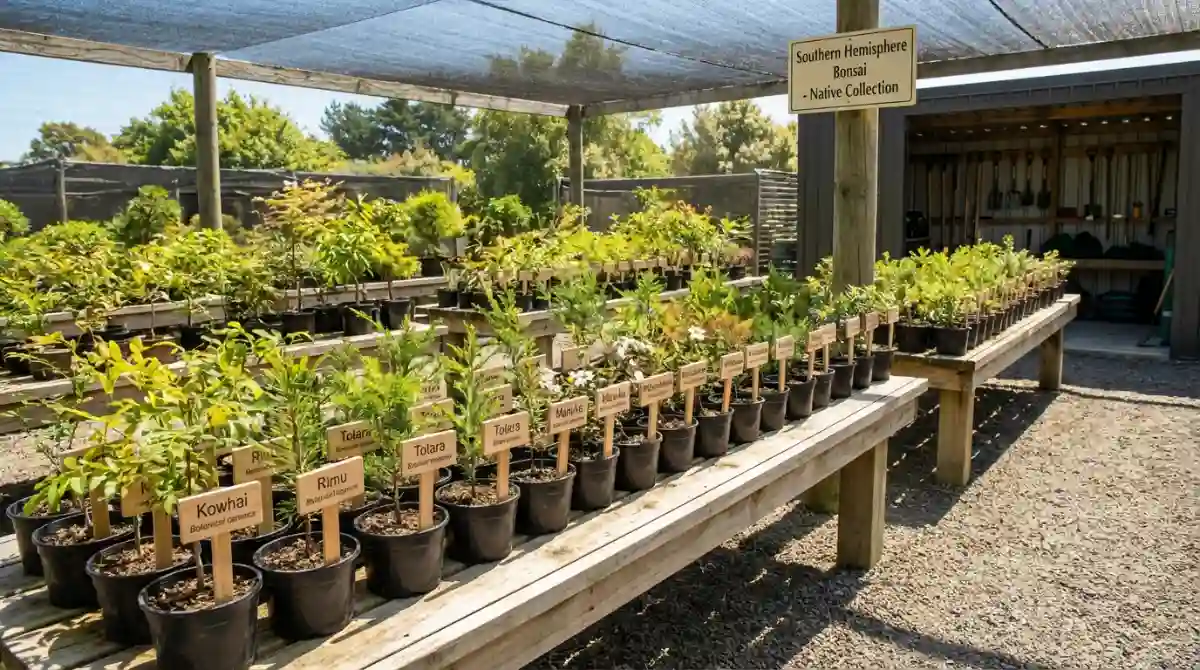
- Specialist Nurseries: The most recommended and ethical method. Look for nurseries that specifically grow native trees suitable for bonsai. They often have established saplings or ‘pre-bonsai’ material.
- Garden Centres: Many general garden centres will stock young native plants, which can be excellent starting points for developing bonsai over time. Look for healthy, well-rooted plants with interesting lower sections.
- Propagation: Growing from seed or cuttings allows you to shape the tree from its earliest stages. This requires patience but offers immense satisfaction. Many natives can be propagated from semi-hardwood cuttings.
- Ethical Collection (Yamadori): Collecting from the wild (Yamadori) is a traditional bonsai practice but requires extreme caution and adherence to regulations. Always obtain landowner permission before collecting from private land, and never collect from public lands or DOC reserves. Focus on areas where plants are struggling or would otherwise be cleared (e.g., development sites, roadside verges), and ensure you leave a healthy root system behind for the parent plant.
When selecting stock, look for a strong root flare (nebari), an interesting trunk line, and healthy foliage. Even a seemingly insignificant sapling can become a magnificent bonsai with time and dedicated care.
Styling & Aesthetics of NZ Native Bonsai
Styling New Zealand native bonsai offers a unique opportunity to blend traditional Japanese bonsai aesthetics with the wild, rugged beauty of Aotearoa’s landscapes. While classic styles like informal upright or windswept can be applied, a naturalistic approach often best captures the essence of these trees.
- Embrace Natural Forms: Many NZ natives, especially coastal species, naturally develop windswept or cascading forms. Lean into these inherent tendencies rather than forcing a rigid style.
- Highlight Bark & Roots: The gnarled bark of Totara, the peeling bark of Manuka, or the aerial roots of Pohutukawa are often the most striking features. Design to showcase these elements, creating a sense of age and drama.
- Use Deadwood (Jin & Shari): Many native conifers (like Totara) can be worked with jin (stripped branches) and shari (stripped trunk sections) to imply weathering and survival against the elements, a common sight in New Zealand’s wilderness.
- Pot Selection: Choose pots that complement the tree’s character and the native landscape. Earthy tones, subtle glazes, and naturalistic shapes often work best to enhance the tree’s connection to its origin.
- Seasonal Interest: While many natives are evergreen, consider the seasonal interest. Pohutukawa’s stunning summer flowers or the subtle new growth flushes on conifers can be central to the bonsai’s appeal.
The goal is to create a miniature representation that evokes a powerful sense of place, reflecting the resilience and beauty of New Zealand’s unique natural heritage. Let your observation of the wild inform your artistic choices.
Frequently Asked Questions
- What are the best New Zealand native trees for bonsai?
-
Some of the top choices include Totara (Podocarpus totara), Pohutukawa (Metrosideros excelsa), Kanuka (Kunzea ericoides), Manuka (Leptospermum scoparium), Pittosporum varieties, and various Coprosma species due to their small leaves, dense branching, and hardiness.
- Can New Zealand native bonsai be grown indoors?
-
Most New Zealand native bonsai species are temperate outdoor plants. While some might tolerate short periods indoors in a bright, cool spot, they generally require fresh air, direct sunlight, and seasonal temperature changes to thrive long-term. They are not typically suited as permanent indoor bonsai.
- How often should I fertilise my native bonsai?
-
During the active growing season (spring to late summer), fertilise every 2-4 weeks with a balanced liquid fertiliser at half strength. Reduce or stop fertilising during the cooler, dormant months. Always follow product instructions and adjust based on your tree’s specific needs and growth.
- Is it legal to collect New Zealand native trees from the wild for bonsai (Yamadori)?
-
It is illegal to collect any plant material from Department of Conservation (DOC) land or other public reserves without a permit. You may only collect from private land with the express permission of the landowner. Ethical and sustainable practices are crucial to protect New Zealand’s native flora.
References & Further Reading
- Bonsai NZ: The National Bonsai Resource for New Zealand. www.bonsainz.com
- Department of Conservation (DOC) New Zealand: Native Plants and Trees. www.doc.govt.nz/nature/native-plants/
- New Zealand Plant Conservation Network: Fact Sheets and Resources. www.nzpcn.org.nz
- Various Bonsai Care Guides and Forums specific to Southern Hemisphere conditions.