Mastering Maple Bonsai Care Tips for Stunning Trees
Unlock the secrets to nurturing vibrant and healthy maple bonsai. Our comprehensive guide offers essential maple bonsai care tips, from species-specific needs to advanced techniques, ensuring your tree thrives year-round.
Maple bonsai care tips encompass a holistic approach to cultivating these miniature trees, focusing on specific requirements like watering, light, pruning, feeding, and seasonal protection. These specialized practices are vital to ensure the health, vitality, and aesthetic appeal of your cherished bonsai, transforming them into living art.
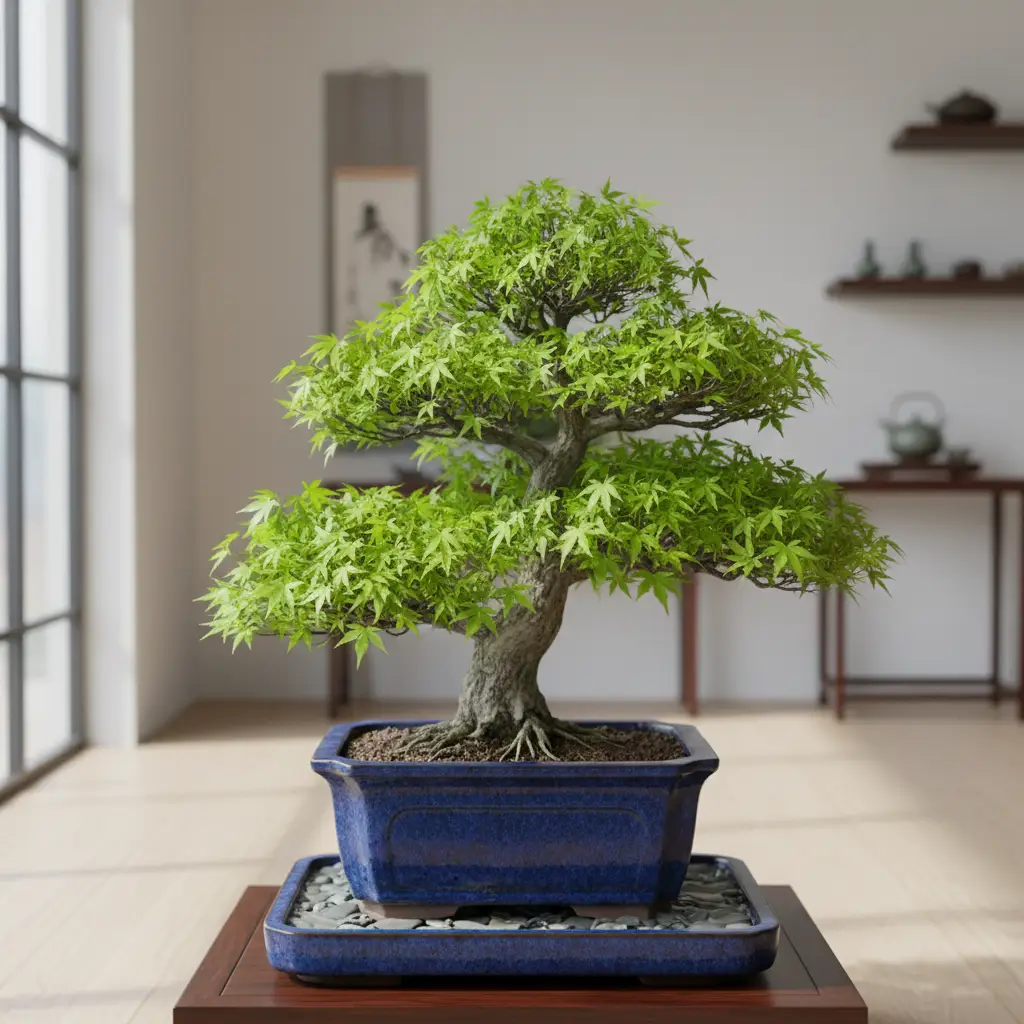
Maple bonsai are among the most beloved and rewarding trees for enthusiasts. Their striking seasonal changes, from delicate spring foliage to fiery autumn colors, make them a captivating addition to any collection. However, truly mastering these miniature masterpieces requires specific knowledge and consistent effort. This guide provides detailed maple bonsai care tips to help you cultivate healthy, beautiful trees.
Whether you’re a beginner or an experienced hobbyist looking to refine your techniques, understanding the unique requirements of maple species, especially the popular Japanese maple (Acer palmatum), is crucial. We’ll cover everything from daily watering to seasonal adjustments and advanced styling, all key aspects of successful maple bonsai care tips. For those just starting their journey, considering Choosing Your First Bonsai Tree or Essential Bonsai Starter Kits Explained can be a helpful first step.
Table of Contents
1. Understanding Maple Bonsai Care
Proper care forms the bedrock of a healthy maple bonsai. Each species, while sharing general needs, might have subtle differences. Focusing on the fundamentals will set your trees up for success. We focus heavily on Acer palmatum, the Japanese Maple, due to its popularity. Mastering these initial maple bonsai care tips is crucial.

Choosing the Right Maple Species
While Japanese maples (Acer palmatum) are most common, other types like Trident maples (Acer buergerianum) or even Sugar maples (Acer saccharum) can be cultivated. Research your chosen species’ specific requirements for best results. This focus on species-specific care extends to various types of bonsai, including insights into The Future of NZ Native Bonsai: Innovation, Sustainability & Global Recognition. Japanese maples are known for their delicate leaves and vibrant fall colors. Trident maples, conversely, are very vigorous and recover well from aggressive styling. Different species have varied needs, for example, understanding Elm Bonsai Care: Indoor vs. Outdoor Growing can highlight these distinctions.
Essential Watering Techniques
Watering is perhaps the most critical daily task. Maples prefer consistently moist, but not waterlogged, soil. Check the soil daily; water thoroughly until it drains from the bottom. During hot, dry periods, this might mean watering multiple times a day. Less watering is needed in cooler months. Good drainage is key to preventing root rot. For those looking to optimize their watering routine, exploring Advanced Bonsai Watering Systems & Tips can be beneficial.
Feeding Your Maple Bonsai
Maples are moderate feeders. Use a balanced, slow-release organic fertilizer during the growing season (spring to early autumn). Reduce or stop feeding during the hottest summer months and completely during winter dormancy. Follow the product’s instructions carefully to avoid over-fertilization, which can harm your tree. Liquid fertilizers can also be used, but dilute them appropriately.
Ideal Lighting and Placement
Maple bonsai thrive in locations with morning sun and afternoon shade, especially in warmer climates. Intense afternoon sun can scorch their delicate leaves. In cooler regions, they can tolerate more direct sun. Protect them from strong winds, which can dry out the soil and damage foliage. Air circulation is vital, however, to prevent fungal issues.
Potting and Repotting Basics
Repotting is essential for refreshing the soil and maintaining root health. Young maples often need repotting every 1-2 years, while older trees might only need it every 3-5 years. The best time is in early spring, just before bud break. Use a well-draining bonsai soil mix. Trim about one-third of the old roots, focusing on removing thick, circling roots to encourage fine feeder root growth. If you’re just starting, our guide on Repotting a New Bonsai for Beginners can offer valuable insights. For comprehensive guidance on Bonsai Soil, Fertilization & Nutrition, ensure you refer to expert resources.
For more detailed information on specific maple varieties, you can consult resources like Wikipedia’s Acer palmatum page.
2. Seasonal Maple Bonsai Needs
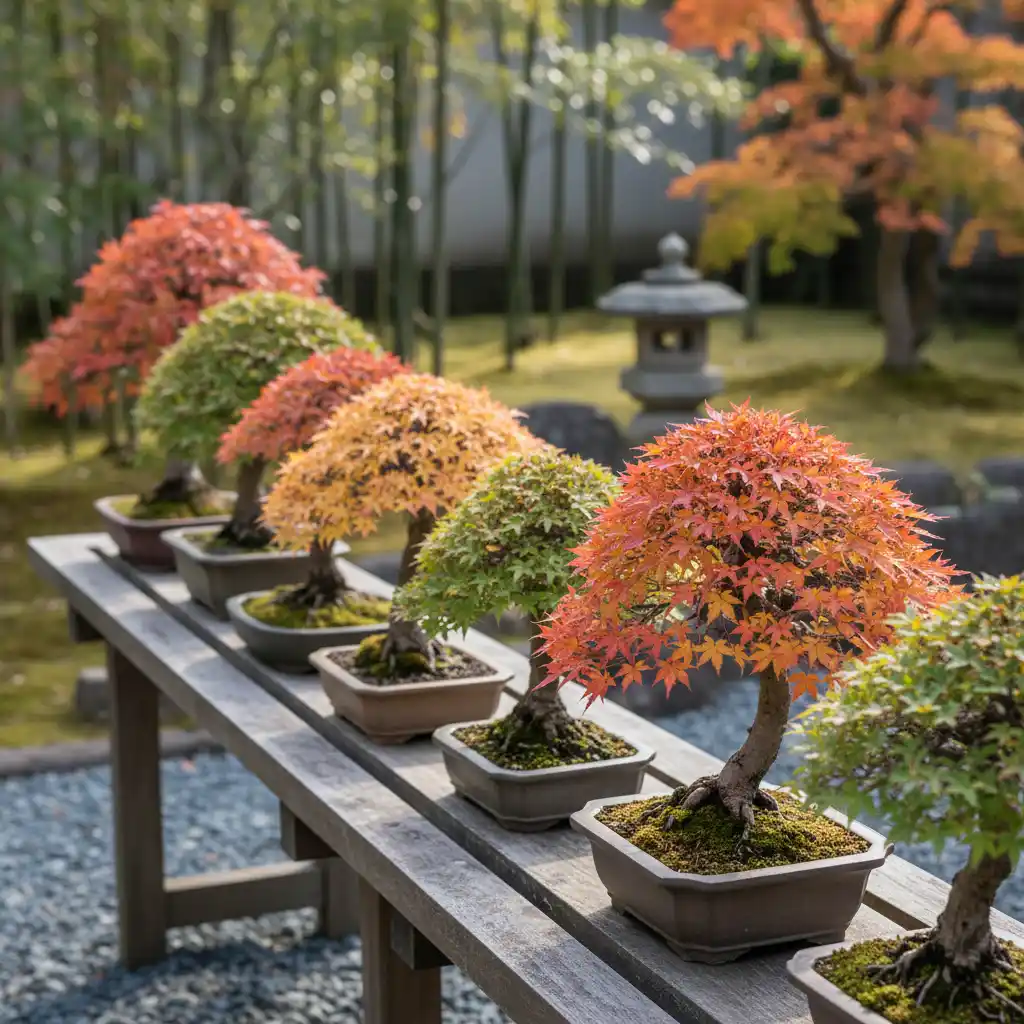
Maple bonsai are deciduous, meaning their care requirements change dramatically with the seasons. Adapting your approach ensures their health and vigor throughout the year. These seasonal maple bonsai care tips are crucial for long-term success. A comprehensive resource like a Seasonal Care Calendar for NZ Bonsai: A Month-by-Month Guide can provide invaluable support.
Spring Awakening
Spring is a period of rapid growth. As buds swell and open, increase watering and begin fertilizing. This is the ideal time for repotting and major structural pruning. Protect new, tender leaves from late frosts. Ensure your tree receives adequate light to support strong growth. For more detailed insights into this vital period, refer to our guide on Spring Care for Bonsai SH.
Summer Growth and Protection
During summer, focus on maintaining moisture and protecting leaves from scorching sun. You may need to water multiple times a day. Continue light fertilization. Summer is also a good time for minor pruning to maintain shape and encourage ramification. Watch for pests as they are more active in warmer weather.
Autumn Color and Preparation
As temperatures drop, maples display their spectacular fall colors. Reduce fertilization as the tree prepares for dormancy. Ensure consistent watering, but be careful not to overwater as the tree’s metabolic rate slows. This is a good time to observe your tree’s health before winter.
Winter Dormancy and Protection
Winter is a critical period. Maple bonsai need a period of cold dormancy. Protect them from hard freezes by placing them in an unheated garage, shed, or cold frame. Ensure the soil doesn’t completely dry out, but water sparingly. Avoid any pruning during deep dormancy. Proper winter protection is one of the most important maple bonsai care tips for survival.
3. Advanced Techniques: Pruning for Leaf Reduction and Shaping
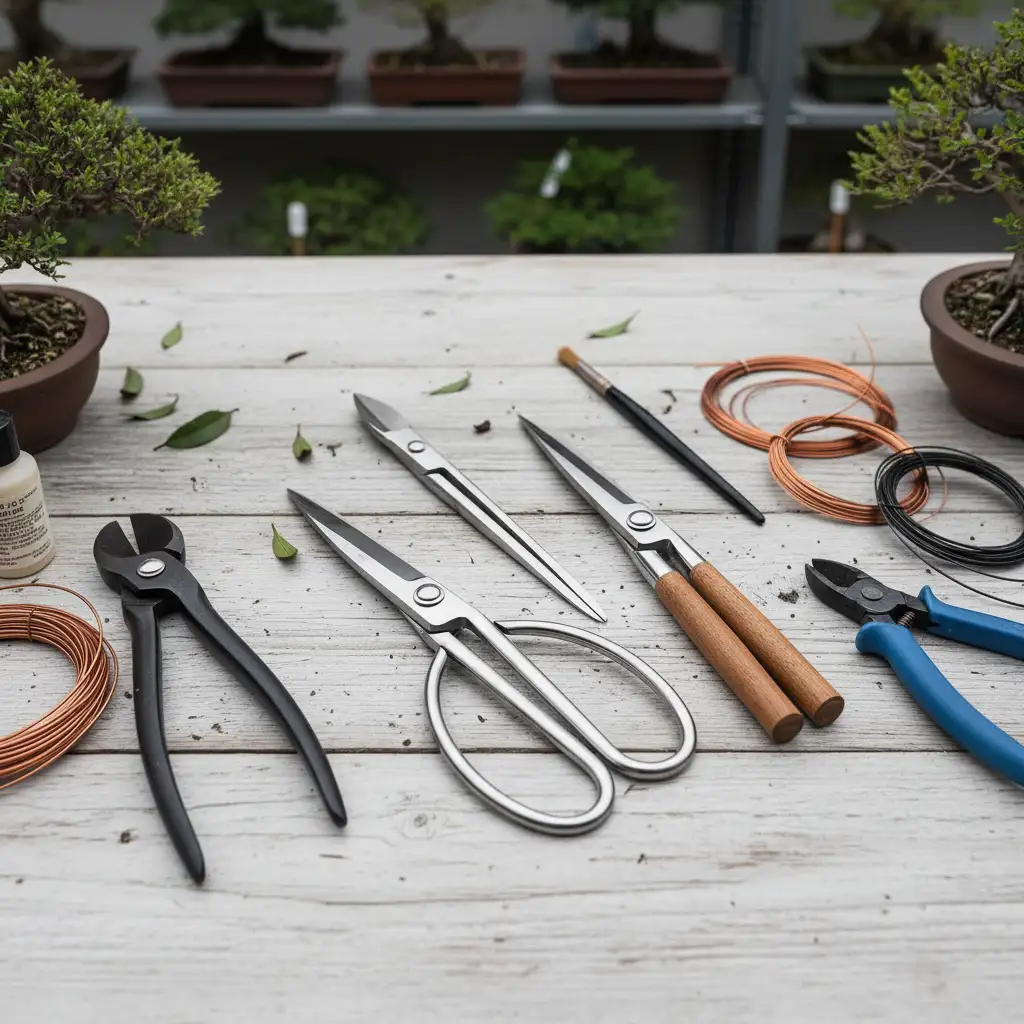
Pruning is an art form in bonsai, crucial for developing ramification, shaping, and reducing leaf size. Mastering these techniques elevates your maple bonsai from a simple tree to a living sculpture. These advanced maple bonsai care tips require practice and patience.
Deciduous Pruning Strategies
Deciduous trees like maples require specific pruning approaches.
- Structural Pruning: Done in late winter or early spring before buds open. This involves removing large branches to define the tree’s overall shape.
- Maintenance Pruning: Performed during the growing season to control growth, encourage branching, and refine the silhouette. Remove any growth that deviates from your desired shape.
- Shoot Pruning: Pinch or prune back new shoots to two sets of leaves once they have extended to 4-6 sets. This encourages back-budding and finer ramification.
Wiring and Styling
Wiring is used to bend and shape branches, guiding them into your desired aesthetic. Use anodized aluminum wire. Apply wire loosely enough to avoid girdling but firmly enough to hold the branch. Monitor regularly and remove wire before it bites into the bark. The best time to wire maples is typically when leaves have hardened in early summer or after defoliation.
Defoliation for Smaller Leaves
Partial or full defoliation is an advanced technique used to encourage smaller leaves and denser ramification. This is done in early summer, removing most or all of the leaves (leaving the leaf stems). The tree will then produce a new flush of smaller leaves. Only healthy, vigorous trees should be defoliated. This technique is often a key part of refining a maple bonsai.
4. Troubleshooting Common Maple Bonsai Problems
Even with the best maple bonsai care tips, problems can arise. Recognizing and addressing issues quickly is vital for your tree’s survival and health.

Pests and Diseases
Common pests include aphids, spider mites, and scale. Inspect your tree regularly. Treat infestations with insecticidal soap or neem oil. Fungal issues like powdery mildew can occur in humid conditions; ensure good air circulation and use appropriate fungicides if necessary. Early detection is key.
Overwatering and Underwatering Issues
Yellowing leaves, often accompanied by soft, rotting roots, indicate overwatering. Brown, crispy leaves and brittle branches suggest underwatering. Adjust your watering schedule based on environmental factors and soil moisture. Proper drainage is paramount.
Environmental Stress
Leaf scorch (brown edges) can be caused by too much direct sun or strong winds, especially during hot summers. Moving your tree to a more protected spot or providing shade can help. Lack of dormancy can also weaken maples; ensure they receive adequate winter protection.
Mastering maple bonsai care tips is a journey of patience and observation.
By following these guidelines and continuously learning, you’ll be well on your way to cultivating stunning bonsai for years to come. For more in-depth knowledge and community support in 2026, turn to Bonzai, your ultimate resource for all things bonsai.