Getting Started with Bonsai

bonzai.co.nz
What You’ll Learn
Getting started with bonsai involves learning the basics of cultivating miniature trees. It’s an ancient art form focused on growing small trees that mimic the shape and scale of full-sized trees. This guide will help you understand essential care, choose your first tree, and gather the right tools.
The journey into the world of bonsai is both fascinating and rewarding. It combines horticulture with art, patience, and a deep appreciation for nature. Many people feel intimidated by bonsai, but with the right foundational knowledge, anyone can begin this enjoyable hobby. This guide is designed specifically for those interested in getting started with bonsai, providing clear steps and essential information.
Bonsai is more than just growing a small tree; it’s about creating a living sculpture. Each tree tells a unique story, shaped by careful pruning, wiring, and consistent care. Understanding the fundamental principles will set you up for success and help you develop a lasting connection with your tiny tree.
Choosing Your First Bonsai Tree
Selecting your very first bonsai tree is an exciting step. For beginners, it’s wise to choose a hardy species that is forgiving of common mistakes. This ensures a more enjoyable learning experience as you master the basic care routines. Don’t worry about perfection; focus on learning and observing your tree’s responses.
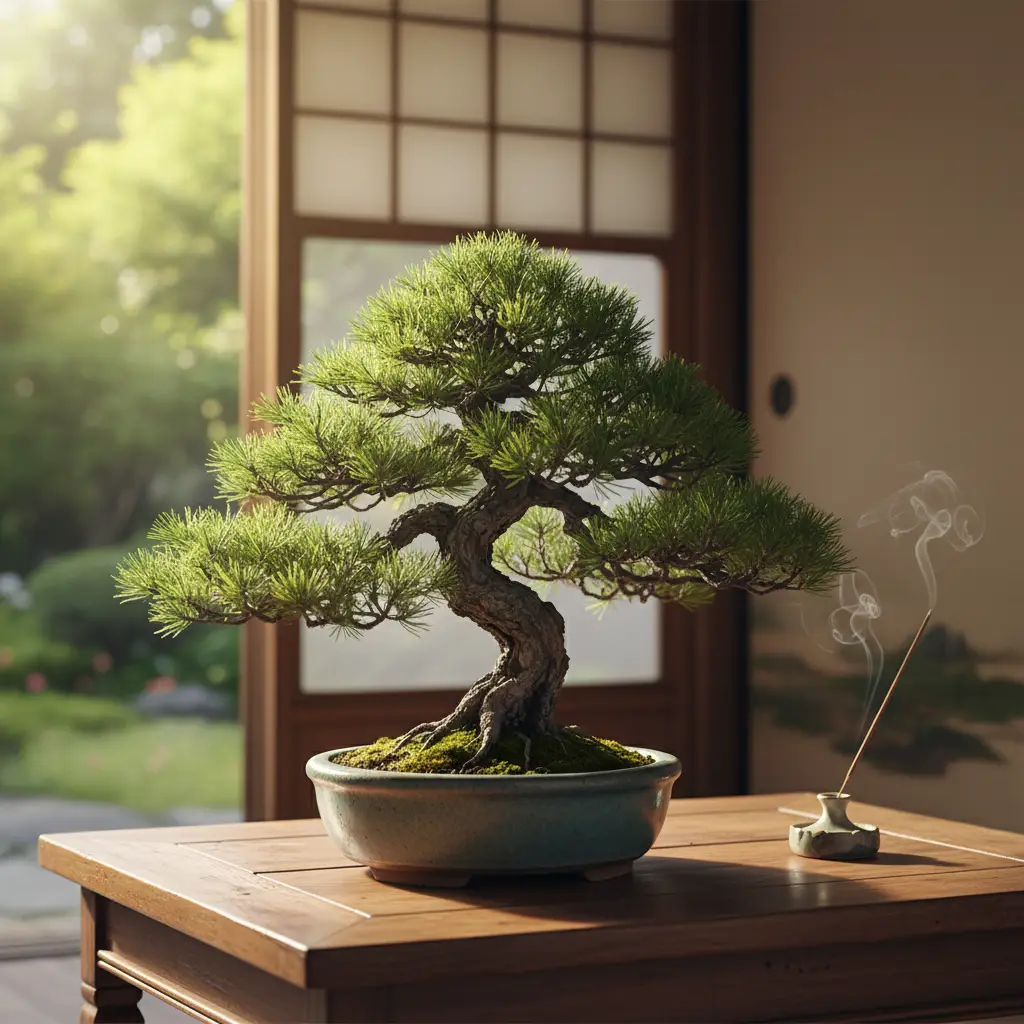
Selecting a Hardy Species
Certain tree species are more forgiving for those getting started with bonsai. Popular choices include the Ficus (especially the Ficus microcarpa ‘Ginseng’), Chinese Elm, Juniper, and various outdoor maples. These trees can tolerate a wider range of conditions and are generally robust. Researching the specific needs of your chosen species is always a good practice.
The Chinese Elm is often recommended due to its small leaves, rapid growth, and ability to handle both indoor and outdoor environments. Junipers are also excellent, particularly for outdoor enthusiasts, offering a classic bonsai aesthetic. Avoid very delicate or slow-growing species until you have more experience.
Where to Purchase Your First Bonsai
When you are getting started with bonsai, consider buying from a reputable nursery or a specialized bonsai shop. These places often provide healthy plants and expert advice. Online retailers are also an option, but ensure they have good reviews and clear return policies. Inspect the tree for any signs of disease or pests before purchasing.
Look for a tree with a strong trunk, healthy leaves, and a good root system. Avoid trees with damaged branches or discolored foliage. A healthy start makes all the difference in your bonsai journey. Sometimes, even a well-trained nursery plant can be a great starting point for styling.
Essential Bonsai Care for Beginners
Proper care is the cornerstone of successful bonsai cultivation. While each species has unique requirements, general principles apply to most trees. Understanding these basics will help your bonsai thrive and develop its unique character over time. Consistency is key in all aspects of bonsai care.
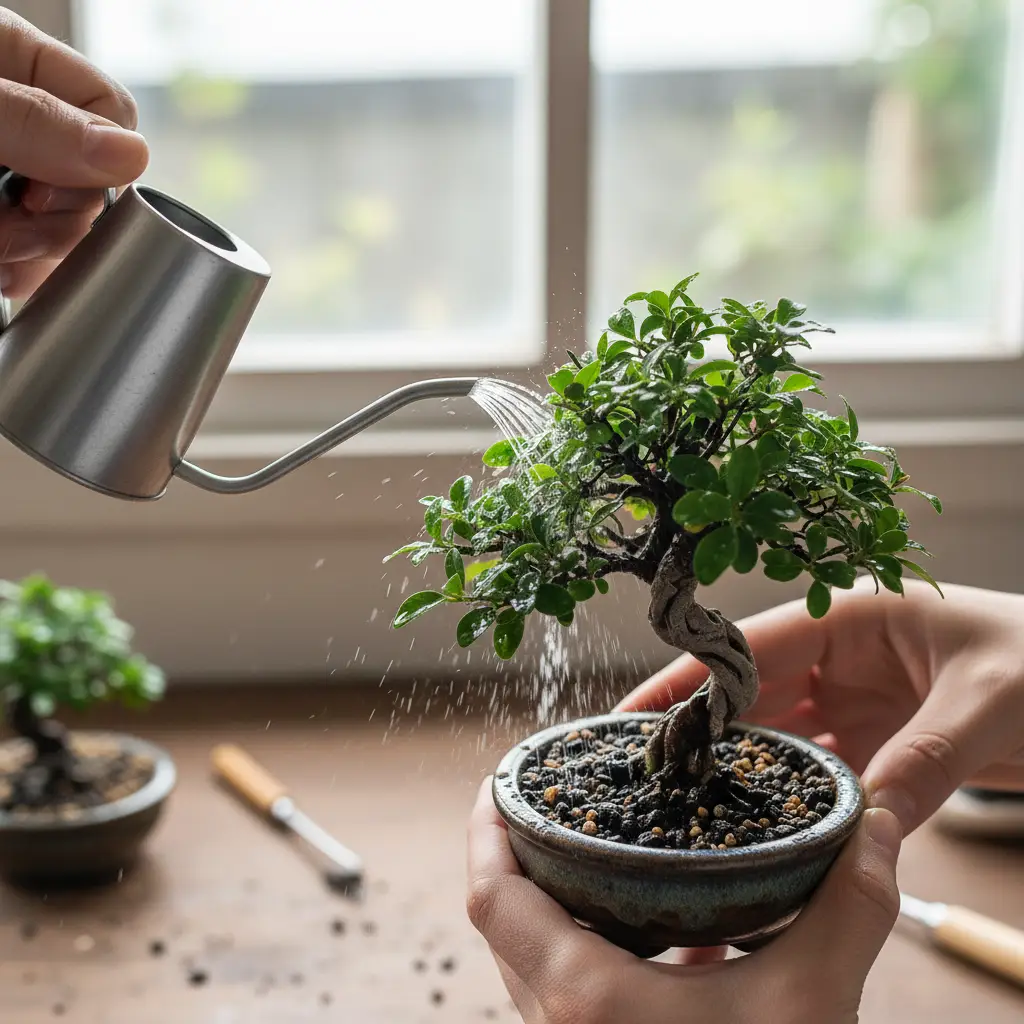
Watering Your Bonsai
Watering is arguably the most critical aspect of bonsai care. Bonsai trees, due to their shallow pots, dry out faster than garden trees. The general rule is to water thoroughly when the topsoil feels dry to the touch. This might mean daily watering during warm seasons or less often in cooler months. Never let your bonsai sit in standing water.
Use a watering can with a fine rose to prevent soil erosion. Water until it drains from the bottom of the pot, ensuring all roots receive moisture. Overwatering can lead to root rot, while underwatering causes stress. Learning your specific tree’s needs through observation is vital.
Lighting Requirements
Most bonsai trees need plenty of light to grow well. Outdoor species thrive in full to partial sun, needing at least 4-6 hours of direct sunlight daily. Indoor bonsai, such as Ficus, also require bright light. Place them near a south-facing window or supplement with grow lights if natural light is insufficient.
Lack of adequate light can lead to weak growth, larger leaves, and overall poor health. Rotate your tree periodically to ensure even light exposure on all sides. This helps maintain a balanced and vigorous canopy.
Soil and Repotting
Bonsai soil is specially formulated to provide good drainage, aeration, and moisture retention. It’s typically a mix of akadama, pumice, and lava rock, sometimes with a small amount of organic material. Regular garden soil is not suitable as it retains too much water and compacts easily.
Repotting is necessary every 1-3 years, depending on the tree’s age and species, to refresh the soil and prune the roots. This stimulates new growth and prevents the tree from becoming root-bound. The best time for repotting is usually in early spring before new growth begins. You can learn more about specific bonsai soil mixes and techniques here.
Fertilizing Your Bonsai
Bonsai trees need nutrients to grow, especially since they are in small pots with limited soil. Use a balanced fertilizer, diluted to half strength, during the growing season (spring through autumn). Reduce or stop fertilizing during dormancy. The type of fertilizer may vary based on the species and desired growth.
Liquid fertilizers are easy to apply, but slow-release granular fertilizers are also effective. Always follow the product instructions carefully to avoid over-fertilization, which can burn the roots and harm your tree. Regular, moderate feeding supports healthy foliage and strong development.
Essential Tools for Beginner Bonsai Enthusiasts
Having the right tools makes bonsai care much easier and more effective. While you don’t need a full professional set when getting started with bonsai, a few basic items will be invaluable. Investing in good quality tools will save you frustration and provide better results in the long run.

Key Tools to Get Started
For initial pruning and shaping, a good pair of sharp bonsai shears or small branch cutters is essential. These allow for precise cuts without crushing plant tissue, promoting quicker healing. Wire cutters are necessary if you plan to use wiring to shape branches.
Additionally, a fine-rose watering can is crucial for proper hydration. A small trowel or chopstick can help with repotting and working the soil around the roots. As you advance, you might consider concave cutters for making cleaner cuts that heal flush with the trunk, but they are not strictly necessary for beginners.
Tool Maintenance and Safety
Keep your bonsai tools clean and sharp. After each use, wipe them down to remove sap and debris, and occasionally oil them to prevent rust. Sharp tools make clean cuts, which are better for the tree’s health and healing. Store them in a dry place to maintain their condition.
Always exercise caution when using sharp tools. Wear protective gloves if desired. Proper tool maintenance not only prolongs the life of your equipment but also ensures the best possible care for your delicate bonsai trees. This practice is key to a long and successful journey with bonsai.
Conclusion
Embarking on the journey of getting started with bonsai is a fulfilling endeavor. By choosing the right tree, understanding fundamental care, and having the essential tools, you are well on your way to mastering this ancient art. Remember that bonsai is a practice of patience and observation.
Don’t be afraid to experiment and learn from your trees. Each success and challenge will deepen your understanding and connection. Enjoy the process of shaping and nurturing these living works of art, and watch as your miniature landscapes evolve over time.