Ficus Bonsai Care: Tropical Species Mastery

bonzai.co.nz
This comprehensive guide provides essential insights into maintaining vibrant Ficus bonsai, covering crucial aspects from optimal light and humidity to advanced shaping and pest control techniques. Master the art of growing these beautiful tropical trees indoors with practical, easy-to-follow advice.
Growing a ficus bonsai offers a rewarding experience. These resilient tropical trees are popular for all cultivators, adapting well to indoor conditions. They become stunning living art. Understanding their specific needs ensures long-term health and beauty. For a broader and more comprehensive resource, explore our Ficus Bonsai Care: A Complete Guide.
Ficus bonsai care involves nurturing miniature tropical fig trees with specific environmental attention. This includes stable warm temperatures, bright indirect light, and consistent humidity. Essential practices like regular watering, root pruning, branch shaping, and timely fertilization are key to maintaining health and artistic form indoors.
Table of Contents
- Understanding Ficus Light and Humidity
- Effective Watering for Your Ficus Bonsai
- Soil Composition and Repotting Techniques
- Essential Root Pruning Strategies
- Optimizing Fertilization for Healthy Growth
- Artistic Shaping of Tropical Ficus
- Controlling Pests and Diseases
- Popular Ficus Varieties for Bonsai
- Troubleshooting Common Ficus Bonsai Problems
- References and Further Reading
Understanding Ficus Light and Humidity
Ficus bonsai thrive in tropical conditions with ample light and high humidity. Replicating these indoors is crucial. Correct placement impacts vitality.
Optimal Light Conditions
Place your Ficus bonsai for bright, indirect light, at least six hours daily. East-facing windows are ideal for morning sun. South or west windows work, but shield from intense midday sun to prevent leaf scorch. Rotate every few weeks for balanced growth.
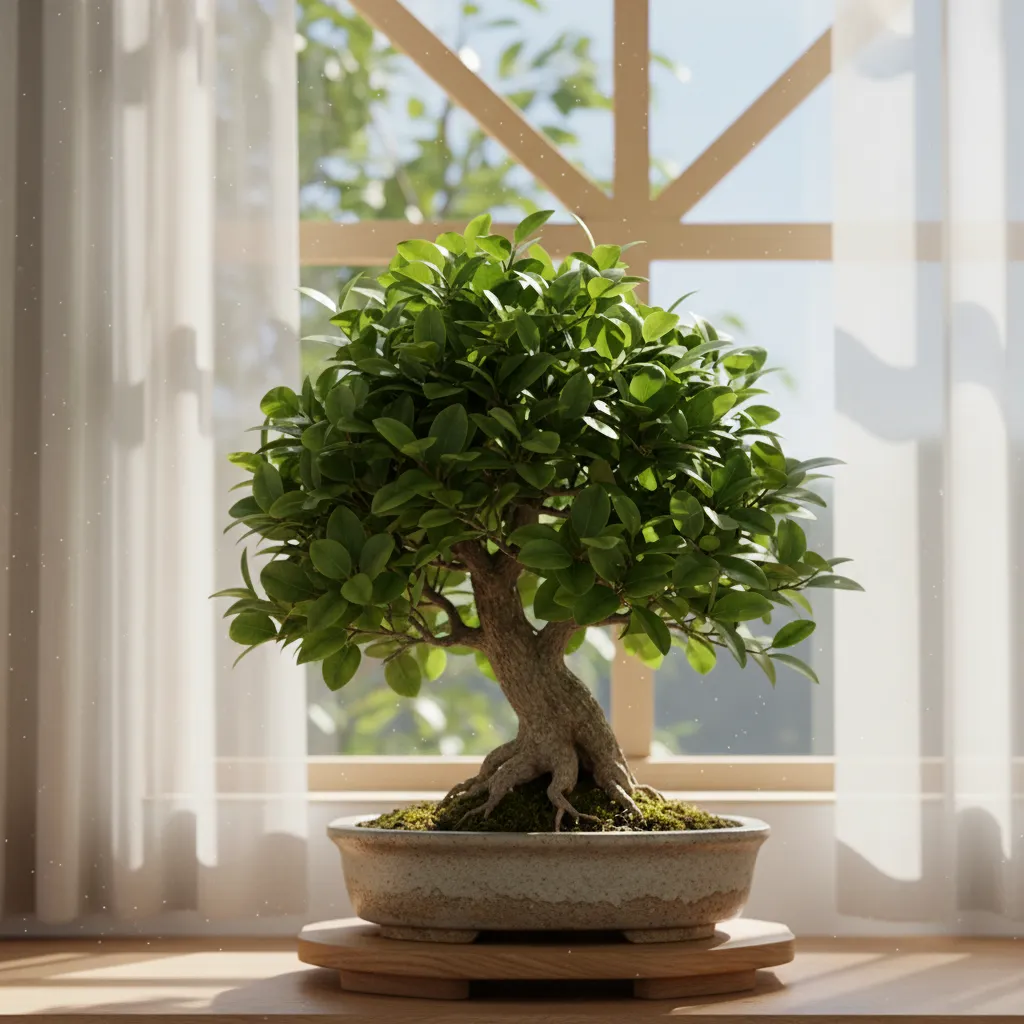
Insufficient light causes stunted growth and pale leaves. Excessive direct sun leads to yellowing or burnt spots. Adjusting placement based on these cues is vital for smart Ficus bonsai care.
Humidity Requirements for Tropical Ficus
Ficus species require high humidity, ideally above 50%. Indoor environments are often drier. Use a pebble tray with water, ensuring the pot doesn’t sit in it. Grouping with other plants helps create a humid microclimate.
Effective Watering for Your Ficus Bonsai
Mastering watering is critical for bonsai. Ficus prefer consistently moist soil but are prone to root rot if overwatered. This balance requires keen observation and a flexible approach.
How to Water Effectively
Water your Ficus bonsai thoroughly when topsoil feels slightly dry, about an inch deep. Frequency varies by temperature, humidity, pot size, and soil. Check first. Water until it drains, hydrating roots and flushing salts.
Avoiding Common Watering Mistakes
Avoid rigid watering schedules; always check soil moisture. Overwatering causes root rot, yellow leaves, and foul odors. Underwatering leads to wilting and leaf drop. If you’re encountering severe leaf drop due to insufficient water, our guide on Underwatering Bonsai Recovery can provide solutions. Observe to understand your Ficus bonsai’s unique watering needs. For advanced watering systems and tips, explore further resources.
Soil Composition and Repotting Techniques
The right soil mix and proper repotting are fundamental for a healthy Ficus bonsai. Soil provides anchorage, nutrients, and crucial aeration.
Ideal Bonsai Soil Mix
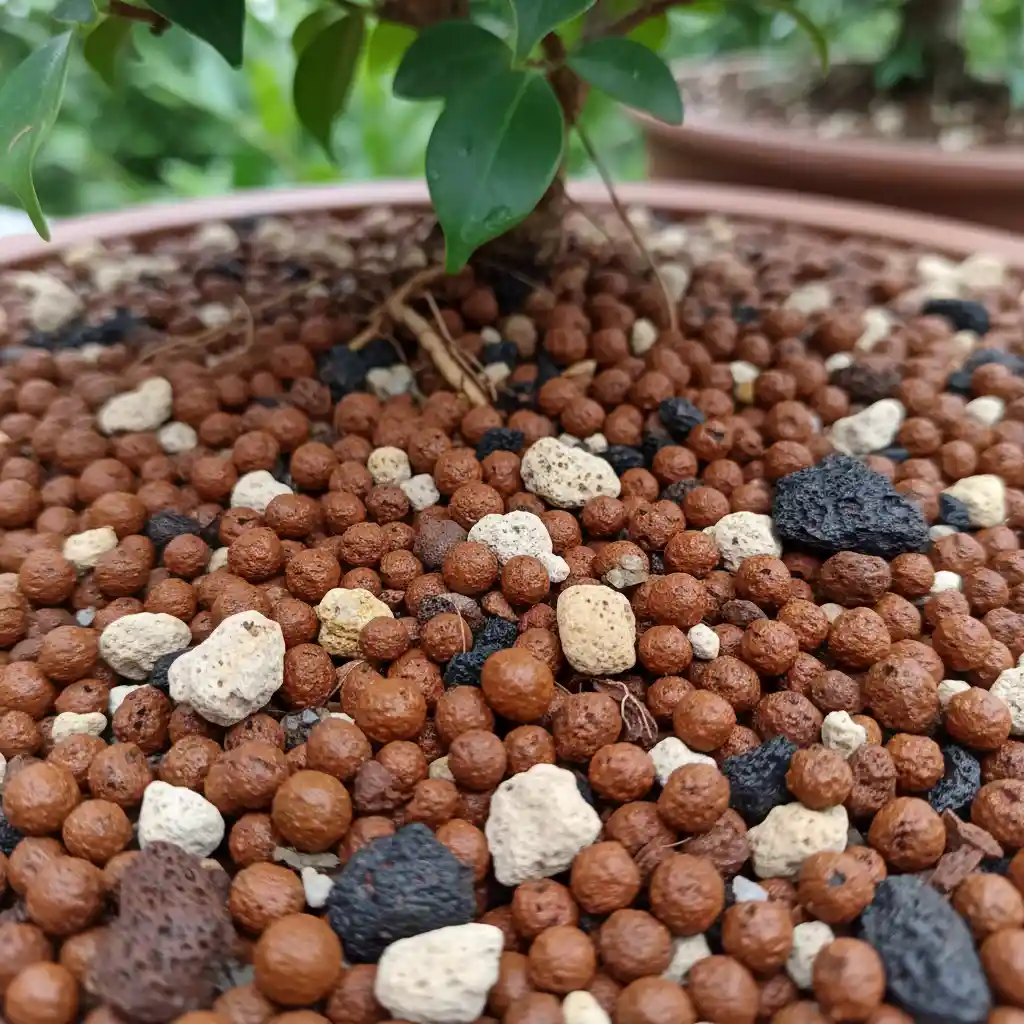
A well-draining, aerated soil mix is paramount. Use traditional bonsai components like akadama, pumice, and lava rock. Mix with organic matter for ideal drainage and moisture retention. Good aeration fosters root health.
When and How to Repot
Repot your Ficus bonsai every one to two years, ideally late spring to early summer. Remove tree carefully. Comb out about one-third of old soil, pruning thick or damaged roots. Replant with fresh bonsai soil, spreading roots naturally. Water thoroughly post-repotting for recovery. When choosing a suitable container, also consider the principles of Bonsai Pot Selection for Aesthetic Harmony.
Essential Root Pruning Strategies
Root pruning during repotting is vital in Ficus bonsai care. It controls size, promotes a healthier root system, and keeps the tree compact.
Importance of Root Pruning
Pruning prevents pot-bound roots, which restrict nutrient uptake. It encourages fine feeder roots, more efficient at absorption. This balances root mass with canopy size, enhancing overall bonsai health.
Techniques for Ficus Roots
Remove about one-third of root mass, focusing on thick, woody, overcrowding roots. Preserve finer roots. Use clean, sharp tools for precise cuts. A root stimulator aids recovery and new root growth, essential for a healthy Ficus bonsai.
Optimizing Fertilization for Healthy Growth
Proper nutrition is crucial for sustained health and vibrant growth. A balanced fertilization regime supports strong foliage, root development, and resilience.
Choosing the Right Fertilizer
During active growth (spring through fall), use a balanced liquid fertilizer (e.g., 10-10-10 NPK) for bonsai. Organic fertilizers release nutrients slowly, promoting soil health. Dilute liquid fertilizers to half strength to prevent root burn in your Ficus bonsai.
Fertilization Schedule
Fertilize every two to four weeks during the growing season. Reduce in winter or stop if dormant. Always water thoroughly before fertilizing to protect roots and aid nutrient absorption. Observe your tree’s response to fine-tune the schedule; each Ficus bonsai is unique. For comprehensive Spring Care for Bonsai SH, explore our detailed guide.
Artistic Shaping of Tropical Ficus
Ficus trees are highly responsive to shaping, a favorite for bonsai artists. Flexible branches, vigorous growth, and aerial roots offer immense creative potential.
Wiring and Branch Training
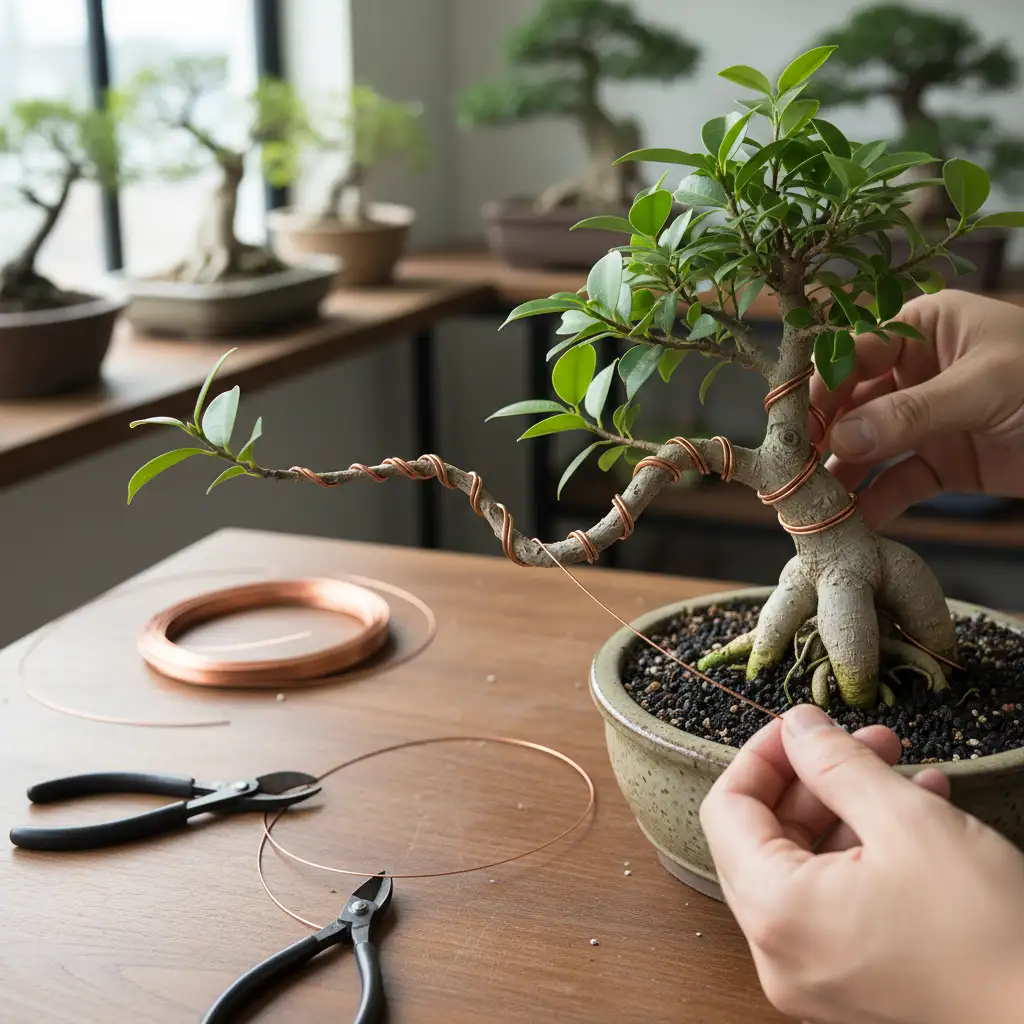
Wiring is a key bonsai shaping method. Use softer anodized aluminum wire. Gently wrap branches, bending them to desired positions. Regularly check and remove wire before it constricts growth. Ficus trees can be styled in upright, slanting, or cascade forms.
Pruning for Shape and Density
Regular pruning maintains compact shape and encourages denser foliage (ramification). Pinch new shoots to two or three leaves to create a fuller canopy. Defoliation—selective leaf removal in summer—promotes smaller leaves and new growth, but use sparingly on only healthy trees.
Controlling Pests and Diseases
While robust, Ficus bonsai can encounter pests and diseases. Vigilant observation and prompt action keep your tree healthy and prevent widespread issues.
Identifying Common Pests
Common Ficus bonsai pests include spider mites (red specks, webbing), mealybugs (white, cottony masses), and scale insects (hard, brown bumps). Regularly inspect leaf undersides. Early detection is crucial for effective treatment in Ficus bonsai care.
Organic Pest Management
For minor infestations, physically remove pests with a rubbing alcohol-dipped swab or strong water spray. For persistent issues, use organic insecticides like neem oil or insecticidal soap solutions, following instructions. Good air circulation prevents fungal diseases. A healthy Ficus bonsai is naturally resistant.
Popular Ficus Varieties for Bonsai
The Ficus genus offers diverse species for bonsai, each with unique charm. Choosing the right variety enhances your bonsai journey.
Exploring Ficus Retusa and Microcarpa
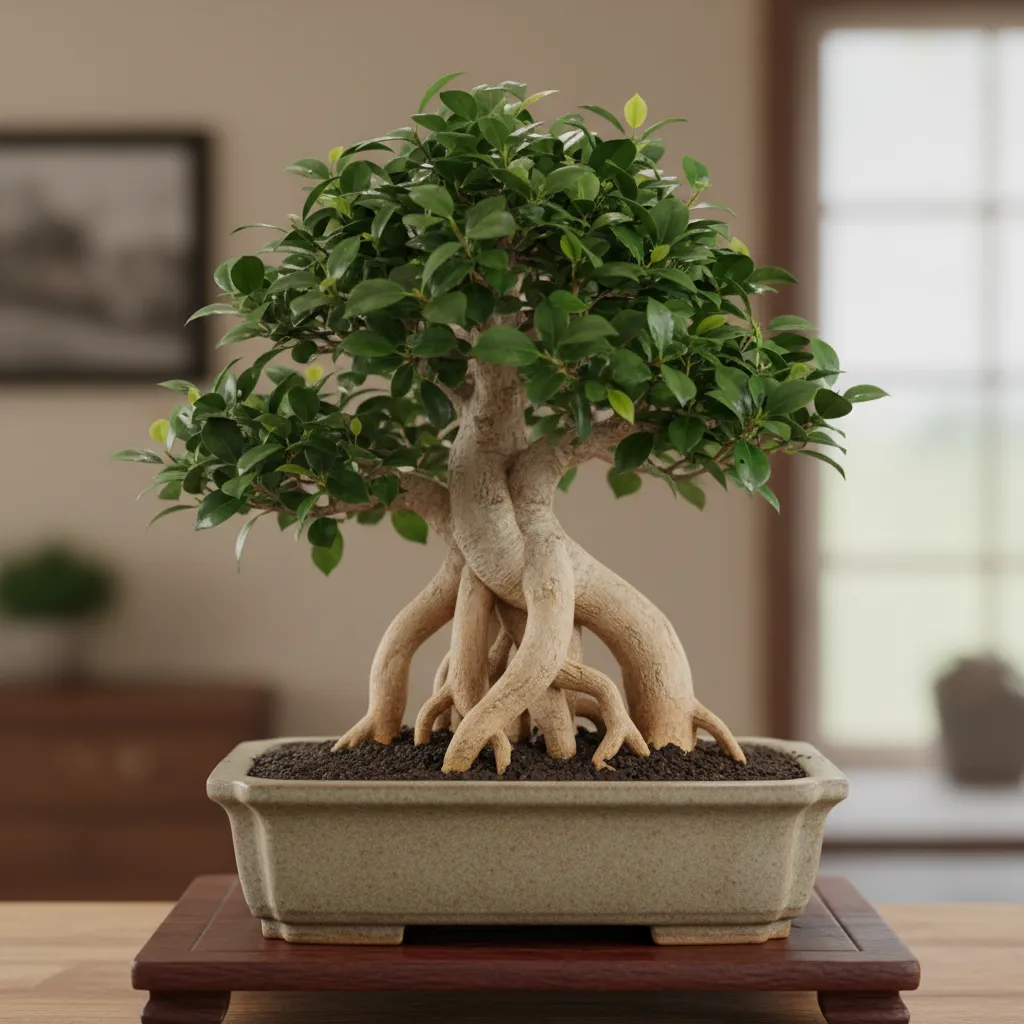
Popular Ficus bonsai species include Ficus retusa (Ginseng Ficus), known for thick roots and glossy leaves, and Ficus microcarpa, valued for dramatic aerial roots. Both are forgiving and respond well to bonsai techniques. Explore the Ficus genus here.
Other Suitable Ficus Species
Other Ficus for bonsai include Ficus benjamina (Weeping Fig) for elegant forms, and Ficus religiosa (Bodhi Tree) for its unique leaves and symbolism. While varieties differ, core Ficus bonsai care principles—light, water, soil, and maintenance—remain consistent.
Troubleshooting Common Ficus Bonsai Problems
Even with diligent care, your Ficus bonsai might present challenges. Knowing how to diagnose and address common issues saves your tree and peace of mind.
Addressing Leaf Drop
Sudden leaf drop is frequent for Ficus bonsai, often due to environmental stress. Causes include changes in light, temperature shifts, relocation, over/under-watering, or low humidity. Assess care and conditions to rectify. A stable environment prevents this.
Solutions for Yellowing or Browning Leaves
Yellowing leaves suggest overwatering (root rot) or nutrient deficiency. Check soil moisture; if soggy, reduce watering. Consider repotting or fertilizing. Browning leaf tips indicate low humidity or inconsistent watering. Increase humidity and ensure consistent watering. Most Ficus bonsai problems are diagnosable and treatable.
References and Further Reading
- Ficus Genus on Wikipedia
- Bonsai Empire: Ficus Bonsai Care Guide
- The Bonsai Factory: Ficus Bonsai Care
Conclusion
Mastering Ficus bonsai care is an enriching journey, combining horticultural skill with artistic expression. To connect with fellow enthusiasts, explore top online bonsai forums and communities. Provide bright, indirect light, consistent humidity, proper watering, and thoughtful pruning. Embrace patience and observation to nurture these remarkable miniature trees into living masterpieces.