Ficus Bonsai Care Guide: Your Essential Resource for Thriving Trees
Welcome to the ultimate Ficus bonsai care guide! Ficus trees are remarkably popular choices for enthusiasts of all levels. Their robust nature, beautiful foliage, and adaptability to indoor environments make them incredibly rewarding miniature trees to cultivate. This comprehensive guide from Bonzai is crafted to ensure your Ficus bonsai not only survives but truly thrives, covering everything from basic maintenance to advanced cultivation techniques.
A Ficus bonsai care guide helps cultivate a healthy Ficus miniature tree by detailing specific needs like light, water, pruning, and feeding. It covers understanding different Ficus varieties, preventing common problems, and using advanced techniques to develop a stunning, long-lived bonsai specimen.
Understanding Your Ficus Bonsai
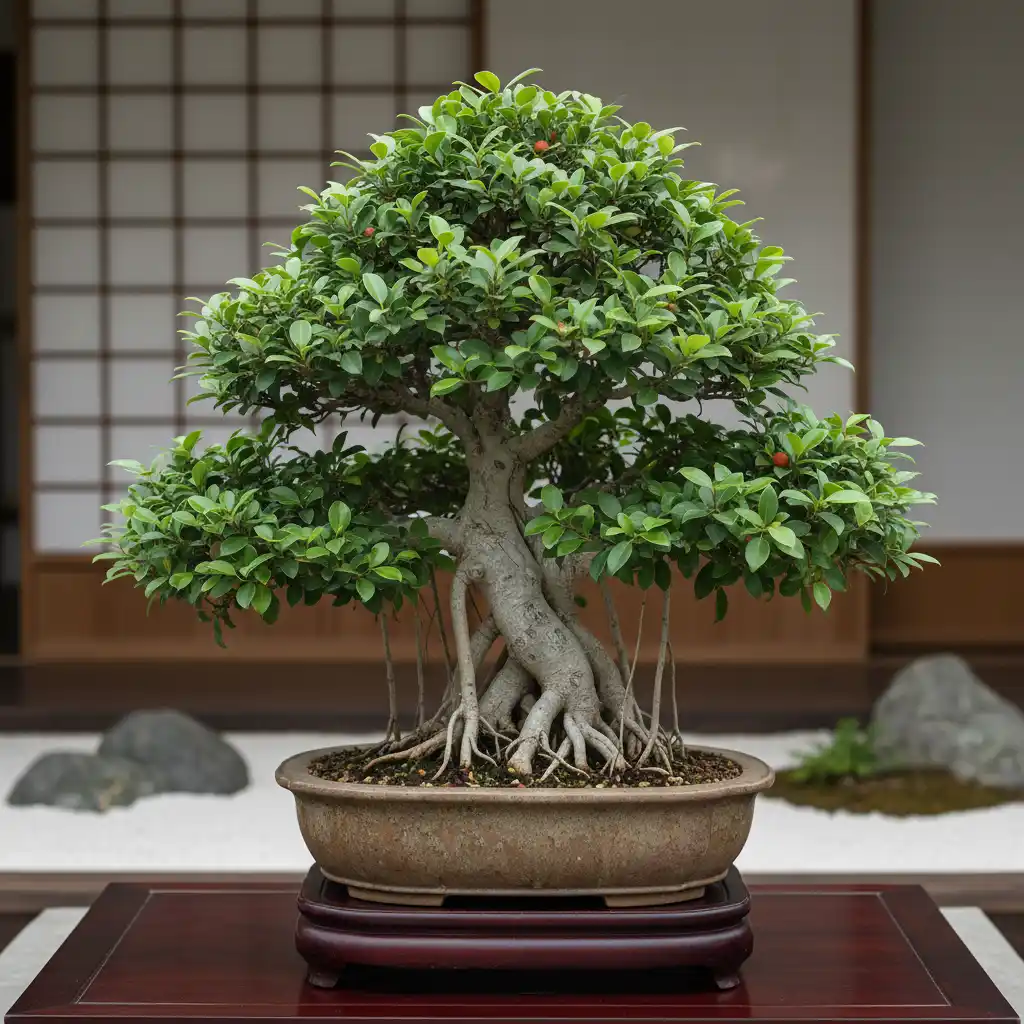
The Ficus genus offers a wide array of species that are ideal for bonsai cultivation. While this guide focuses on Ficus, enthusiasts can also explore other popular species, such as those detailed in our Juniper Bonsai Care Guide. Most Ficus varieties are tropical trees, meaning they thrive in conditions with consistent warmth and high humidity. Knowing the specific type of Ficus you own is key to customizing its care and ensuring its long-term health and vitality.
Each variety has unique characteristics, from leaf shape to growth habits, which will influence your styling and maintenance approach. Understanding these nuances helps you become a better bonsai artist.
Popular Ficus Varieties
Among the most popular Ficus species for bonsai, you’ll find ‘Ginseng’ (Ficus microcarpa), often recognized by its thick, bulbous aerial roots that resemble ginger. The Weeping Fig (Ficus benjamina) is cherished for its elegant, drooping foliage and graceful branch structure. Additionally, Ficus retusa or Ficus salicaria offer diverse leaf forms and robust growth, making them excellent choices for both beginners and experienced enthusiasts.
Each of these varieties responds well to various styling techniques. Observing your specific tree’s natural growth rhythm will guide you in achieving the best results and a stunning miniature tree.
Why Ficus Makes a Great Bonsai
Ficus are celebrated for their resilience, making them incredibly forgiving and perfect for beginners in the art of bonsai. They tolerate a range of conditions and recover quickly from intensive pruning, which is essential for shaping a bonsai. Many Ficus species also readily form impressive aerial roots, adding to their ancient and majestic appearance.
Their naturally woody trunks and ability to produce small, refined leaves make them perfectly suited for creating realistic miniature landscapes. Crucially, Ficus can thrive indoors year-round, making them an accessible option for those without suitable outdoor spaces. While many admire Ficus for their lush foliage, other species are celebrated for their vibrant blossoms, offering a different aesthetic for those exploring Flowering Bonsai Trees: Cultivation & Bloom Tips.
Ficus Watering Requirements
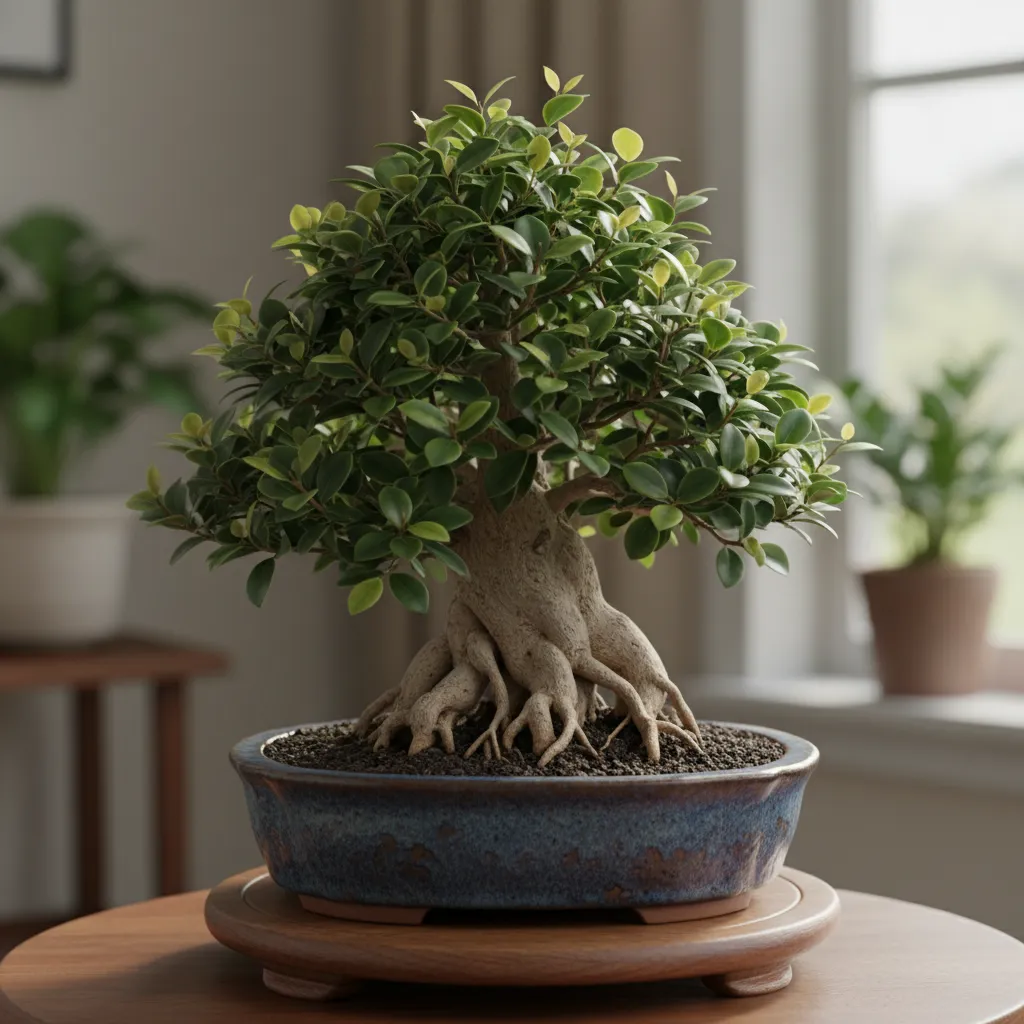
Proper watering is perhaps the most critical aspect of Ficus bonsai care. Both overwatering and underwatering can lead to severe stress or even death for your tree. Achieving the correct balance is fundamental to maintaining a healthy and vibrant Ficus bonsai.
The frequency and amount of water needed will vary based on factors like pot size, soil mix, temperature, humidity, and the season. Always check the soil moisture before watering to avoid common pitfalls.
When to Water
The best time to water your Ficus bonsai is when the top layer of soil feels dry to the touch. A simple way to check this is to gently insert your finger about an inch into the soil. You can also lift the pot to judge its weight; a lighter pot usually indicates a need for water. During warm, active growing periods, daily watering might be necessary, while cooler seasons will require less frequent watering. Using a moisture meter can provide extra guidance for new enthusiasts.
How to Water Properly
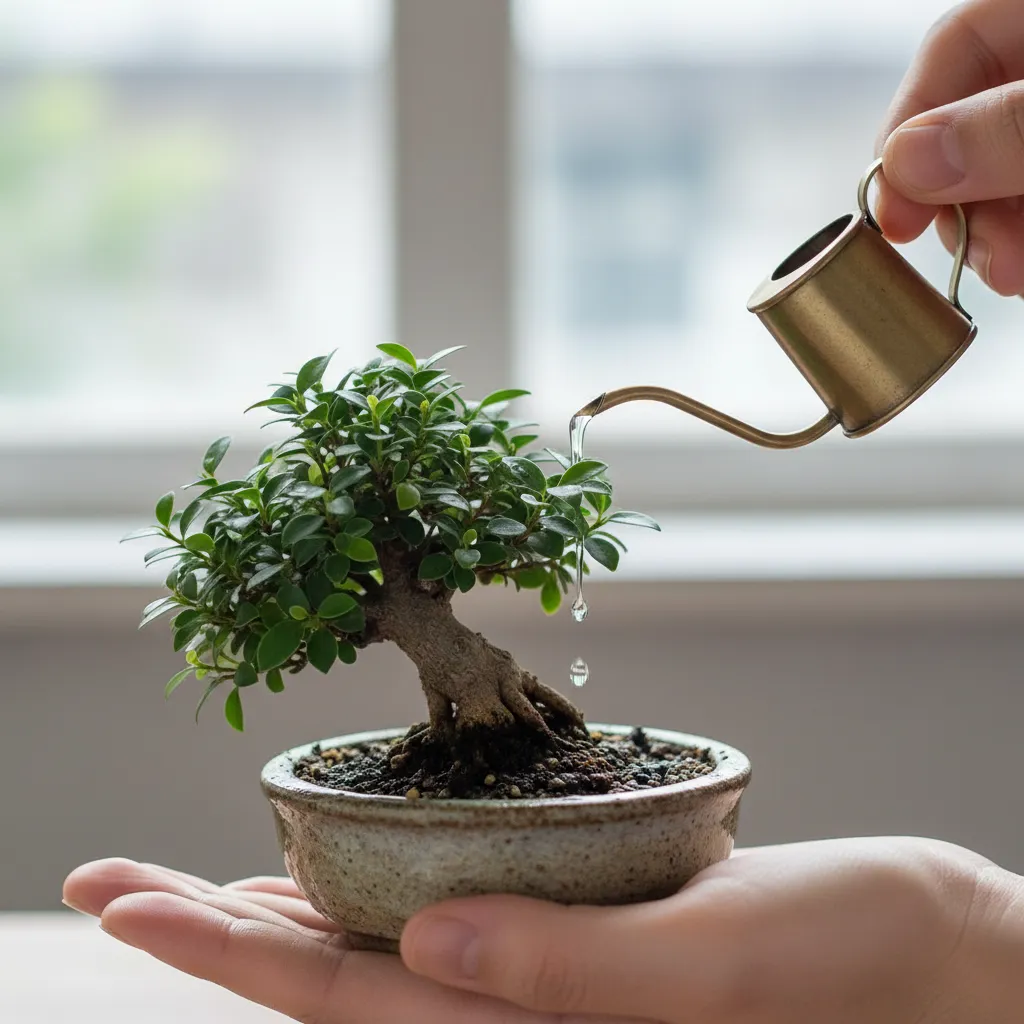
When you do water, do so thoroughly until excess water drains freely from the pot’s drainage holes. This ensures the entire root ball is saturated. If the soil is extremely dry and compacted, watering in two stages – allowing a brief pause for the first application to soak in – can be beneficial. Always use a watering can with a fine rose attachment to prevent soil erosion. It’s generally best to avoid watering late in the evening during cool conditions to prevent fungal issues.
Humidity Needs
Ficus trees, being tropical, thrive in high humidity environments. Indoors, where air can be very dry, using a humidity tray is highly recommended. Simply place your bonsai pot on a tray filled with pebbles and water, ensuring the pot itself doesn’t sit directly in the water. Misting your Ficus daily can offer temporary relief, but a humidity tray provides a more consistent solution. Grouping several plants together can also naturally increase local humidity, promoting lush growth and encouraging the development of beautiful aerial roots.
Ideal Light for Ficus Bonsai
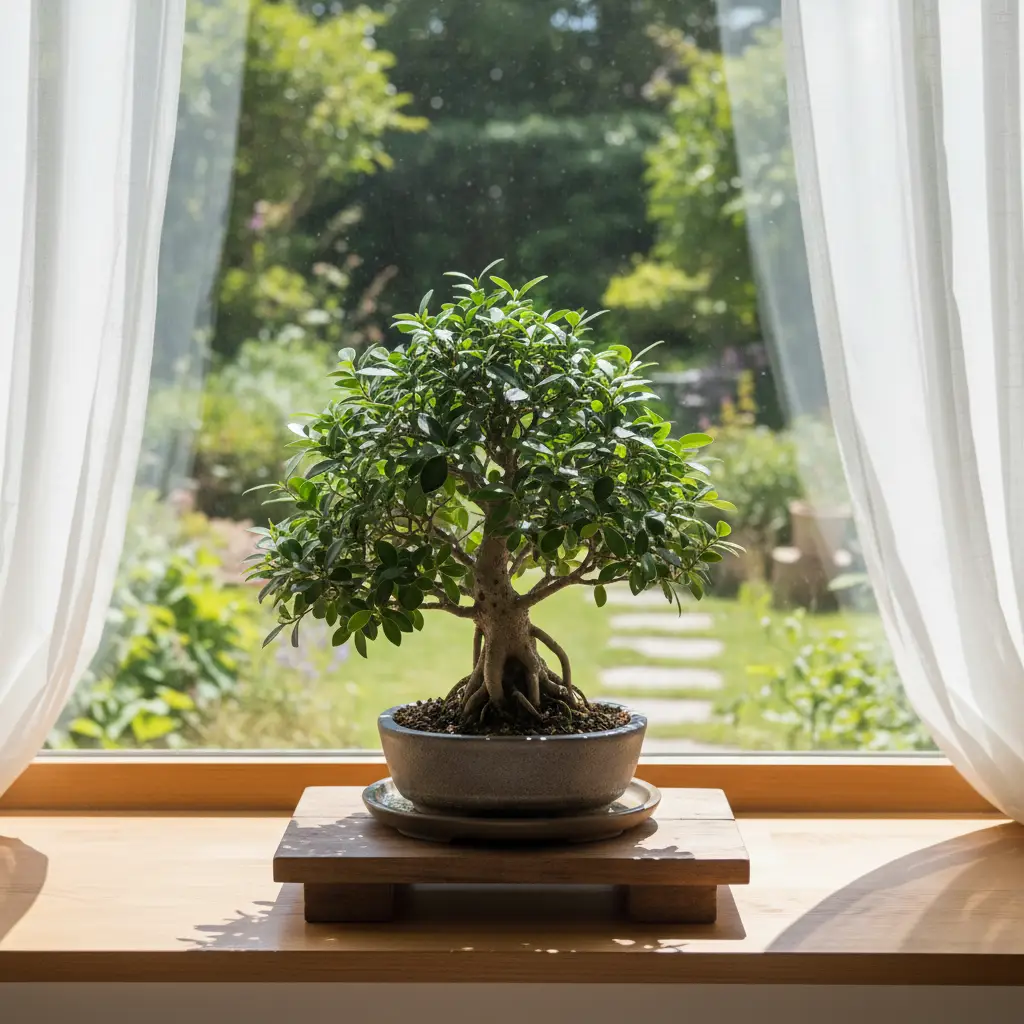
Ficus bonsai trees require ample light to flourish. They generally thrive in bright, indirect sunlight. While they appreciate some morning sun, intense afternoon sun can be too harsh, especially for indoor specimens, leading to scorched leaves. Providing adequate light is crucial for robust growth, vibrant foliage, and overall tree health, forming a core part of effective Ficus bonsai care.
Indoor Placement Tips
For indoor Ficus bonsai, the ideal spot is typically near a south-facing window, which provides the most consistent bright light. East or west-facing windows can also work, but be mindful of the intensity of the afternoon sun from a west-facing window. If natural light is insufficient, especially during darker winter months, supplementing with LED grow lights can make a significant difference. Position the grow light a safe distance from the foliage to prevent heat damage.
Outdoor Considerations
During warmer months, consider moving your Ficus outdoors. They benefit greatly from filtered sunlight, or a position that receives morning sun and afternoon shade. This exposure mimics their natural tropical habitat and encourages stronger growth. However, remember to protect them from temperatures below 50°F (10°C). Always acclimate your tree gradually when moving it between indoor and outdoor environments to prevent shock and leaf drop.
The Importance of Rotation
To ensure uniform growth and prevent your bonsai from developing a lopsided appearance, rotate your Ficus a quarter turn every few weeks. This practice allows all sides of the tree to receive adequate light exposure. Consistent rotation is key to fostering a balanced canopy, developing strong branch structure, and ensuring a visually appealing, symmetrical miniature tree.
Pruning and Shaping Ficus
Pruning is an indispensable technique for maintaining your bonsai’s desired shape, size, and overall health. Ficus trees respond exceptionally well to pruning, readily back-budding to produce dense foliage. This characteristic makes them highly trainable and adaptable to a wide array of classic bonsai styles, from informal upright to cascade. For those looking to master this art, understanding the nuances of Pruning for Bonsai Shape and Health and advanced Bonsai Pruning & Wiring Techniques is key.
Regular pruning not only refines the tree’s aesthetic but also promotes ramification, leading to a more mature and detailed appearance.
Basic Pruning Techniques
Regularly remove leggy growth, any crossing branches, and unwanted foliage using sharp, clean bonsai shears. This encourages new growth closer to the trunk and maintains the tree’s miniature form. For larger cuts, it’s advisable to apply a cut paste to protect the wound and promote faster healing. Heavy pruning, such as reducing the overall height or removing major branches, is best performed in late spring to early summer when the tree is actively growing, ensuring quick recovery.
Wiring for Form
The flexible branches of Ficus make them excellent candidates for wiring. Use anodized aluminum or copper wire to gently guide the branches and trunk into your desired position. Leave the wire on for a few months until the branch sets its new position, but monitor it closely to prevent the wire from digging into the bark and causing scarring. Always remove the wire if it starts to constrict growth or leaves marks on the bark.
Root Pruning and Repotting
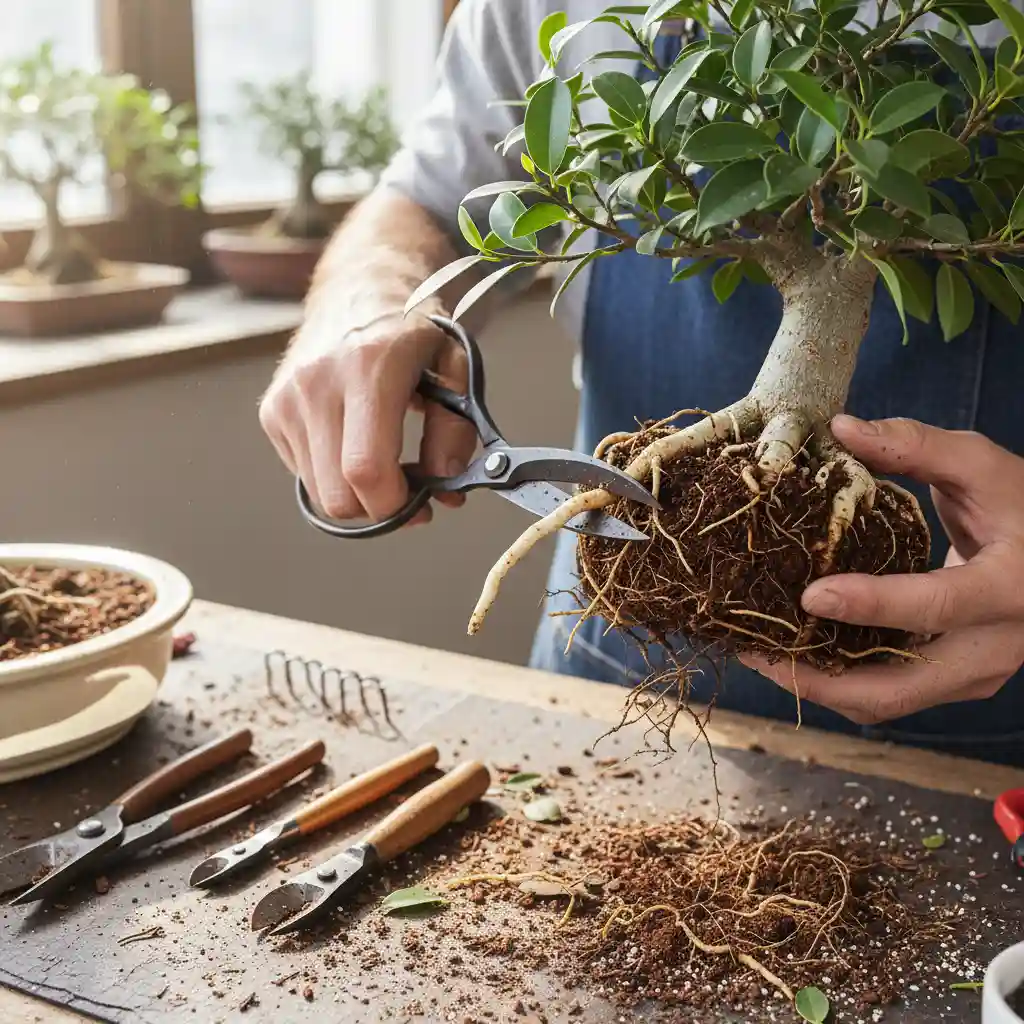
Repot your Ficus bonsai every 2-3 years, or when you notice roots circling the pot or pushing the tree upwards. Carefully remove the tree from its pot, gently untangle the root ball, and prune about one-third of the root mass. Repot the tree into the same pot (or a slightly larger one if needed) with fresh, well-draining bonsai soil mix. Spring Care for Bonsai SH, especially late spring, is the ideal time for repotting as the tree will quickly recover. This process revitalizes the tree, encourages new feeder root growth, improves aeration, and ensures proper drainage, which are all vital for its health.
Fertilizing Your Ficus Bonsai
The restricted environment of a small bonsai pot means the soil quickly depletes its nutrients. Therefore, regular fertilization is absolutely vital for your Ficus bonsai to maintain healthy, vigorous growth, develop strong roots, and produce vibrant, lush foliage. Without adequate feeding, your tree will struggle to thrive. For a comprehensive understanding of Bonsai Soil, Fertilization & Nutrition, explore further resources.
Choosing the Right Fertilizer
Opt for a balanced liquid fertilizer (e.g., 10-10-10 NPK) or a slow-release organic granular fertilizer specifically designed for bonsai. During periods of active growth, a fertilizer slightly higher in nitrogen can promote foliage development. Always dilute liquid fertilizers according to the product’s directions to prevent root burn. It is crucial to water your Ficus thoroughly before applying any fertilizer to help protect the sensitive root system.
Fertilization Schedule
Fertilize your Ficus bonsai consistently throughout its growing season, which typically spans from spring through fall. As winter approaches and growth slows, reduce or entirely stop fertilization. After repotting your tree, wait approximately 4-6 weeks before resuming fertilization to allow the roots to recover and establish. Frequent, diluted feeds are generally more beneficial and safer than strong, infrequent applications, providing a steady supply of nutrients.

Common Ficus Bonsai Problems & Solutions
Even with diligent Ficus bonsai care, your tree may occasionally encounter issues. Quick identification and timely resolution of these problems are crucial for ensuring the long-term health and survival of your miniature Ficus. Being proactive can save your tree from serious damage.
Pest Control
Ficus bonsai can be susceptible to common pests such as spider mites, scale insects, and mealybugs. Regularly inspect your tree for any signs of infestation, including sticky residue, fine webs, or visible insects on the leaves and stems. For minor issues, a strong spray of water can dislodge many pests. More severe infestations may require treatment with insecticidal soap or neem oil. Always isolate infested trees to prevent the spread of pests to other plants. For more detailed information, consult general pest control resources, or delve into specialized guides such as Common Pests of NZ Native Bonsai: Identification & Organic Solutions and Advanced Bonsai Pest and Disease Management.
Leaf Drop & Yellowing Leaves
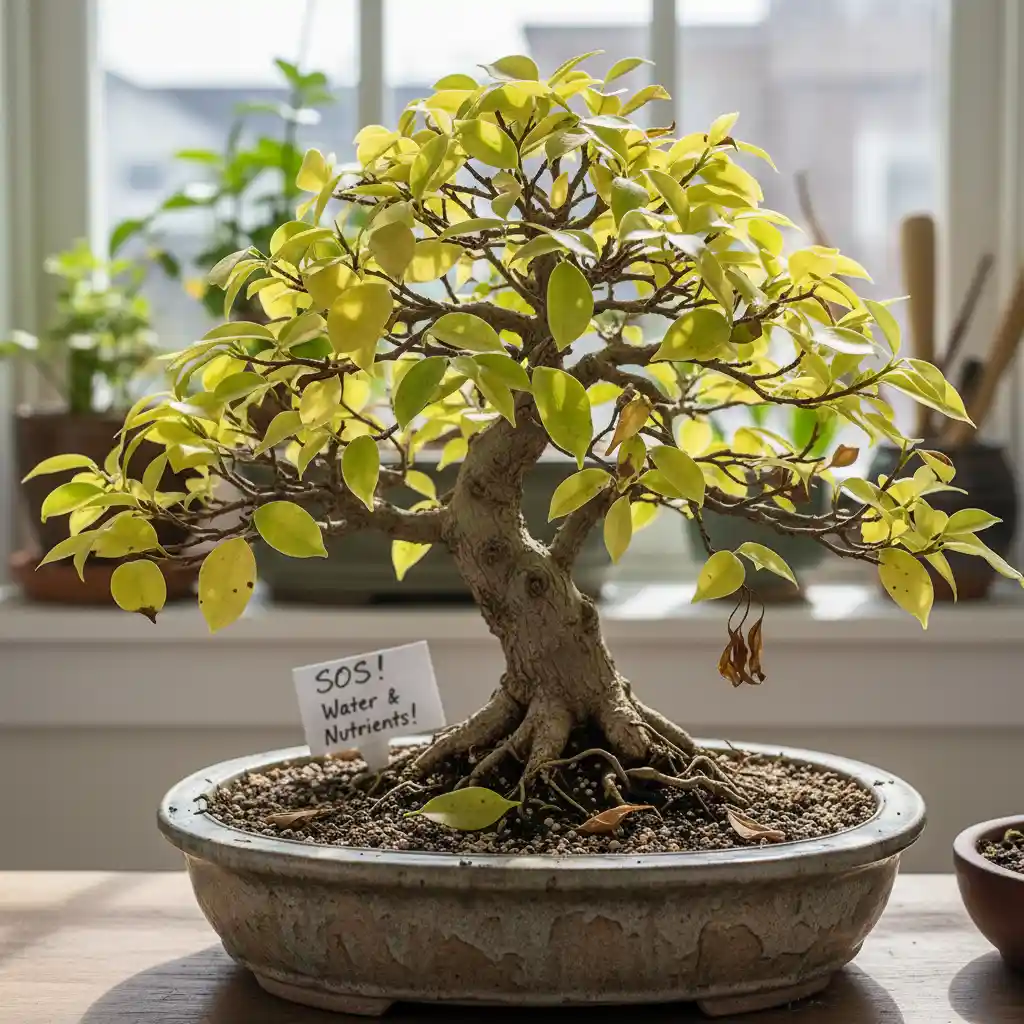
Sudden leaf drop in Ficus bonsai is a common sign of environmental stress. This can be triggered by abrupt changes in light conditions, temperature fluctuations, or improper watering (both over and underwatering). Yellowing leaves often indicate overwatering or a nutrient deficiency. The key to recovery is to identify and promptly correct the underlying stressor. Ficus trees are remarkably resilient and often recover fully once the problem is addressed, making them forgiving for learners.
Root Rot Prevention
Root rot is a destructive fungal disease that primarily results from excessively wet, poorly draining soil. Symptoms include wilting leaves, stunted growth, and a foul odor from the soil. The best prevention strategies involve using a well-draining bonsai soil mix and practicing careful, consistent watering. If you suspect root rot, carefully unpot the tree, trim away any diseased, mushy roots, and repot it in fresh, dry soil. Ensure your pot has adequate drainage holes and promote good air circulation around the root system.
Advanced Ficus Care Techniques
For more seasoned enthusiasts, these advanced techniques can significantly deepen your Ficus bonsai artistry. They allow for greater control over the tree’s development and the creation of truly unique and striking specimens. Mastering these methods will elevate your bonsai collection.
Air Layering Techniques
Air layering is a highly effective method for propagating new Ficus trees from existing branches. This technique allows you to create mature-looking trees much faster than growing from cuttings or seeds. It involves making a cut on a selected branch, applying rooting hormone, and then wrapping the area with moist sphagnum moss and plastic film. Once robust roots have formed within the moss, the new plant can be separated from the parent tree and potted. This is a fantastic way to expand your collection or create unique starting material.
Developing Nebari (Surface Roots)
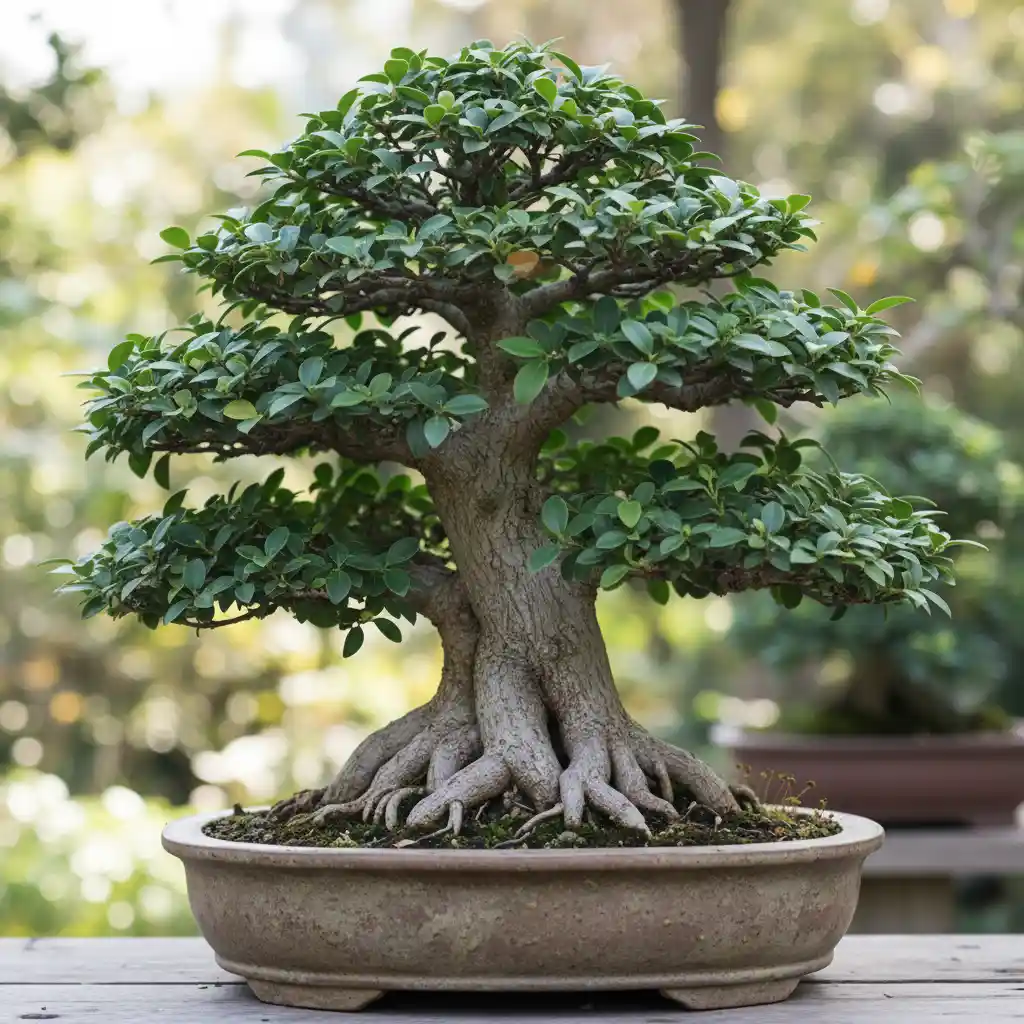
Nebari, or the aesthetically pleasing flare of surface roots at the base of the trunk, is a hallmark of an aged and stable bonsai. Ficus trees are particularly adept at developing impressive nebari. Techniques to encourage this include planting the tree on a flat tile or slate during repotting, regular root pruning that encourages outward growth, and carefully arranging the roots during the repotting process to spread them radially. Providing consistent high humidity also significantly aids in the development of striking nebari. A strong nebari greatly enhances the visual impact and perceived age of your bonsai.
Buying Your First Ficus Bonsai
Are you ready to embark on your Ficus bonsai journey? Choosing a healthy, well-established specimen from the outset is crucial for a rewarding and successful experience. Knowing what to look for will empower you to make an informed decision.
What to Look For
When selecting a Ficus bonsai, prioritize trees with vibrant green leaves that show no signs of pests or disease. Inspect the trunk for strength and check the soil to ensure it appears well-draining and healthy. While Ficus trees are highly shapeable, a good initial branch structure can give you a head start. Don’t hesitate to ask the seller about the tree’s history, specific variety, and recommended initial care. This valuable information will help you continue its care effectively at home.
Recommended Tools & Accessories
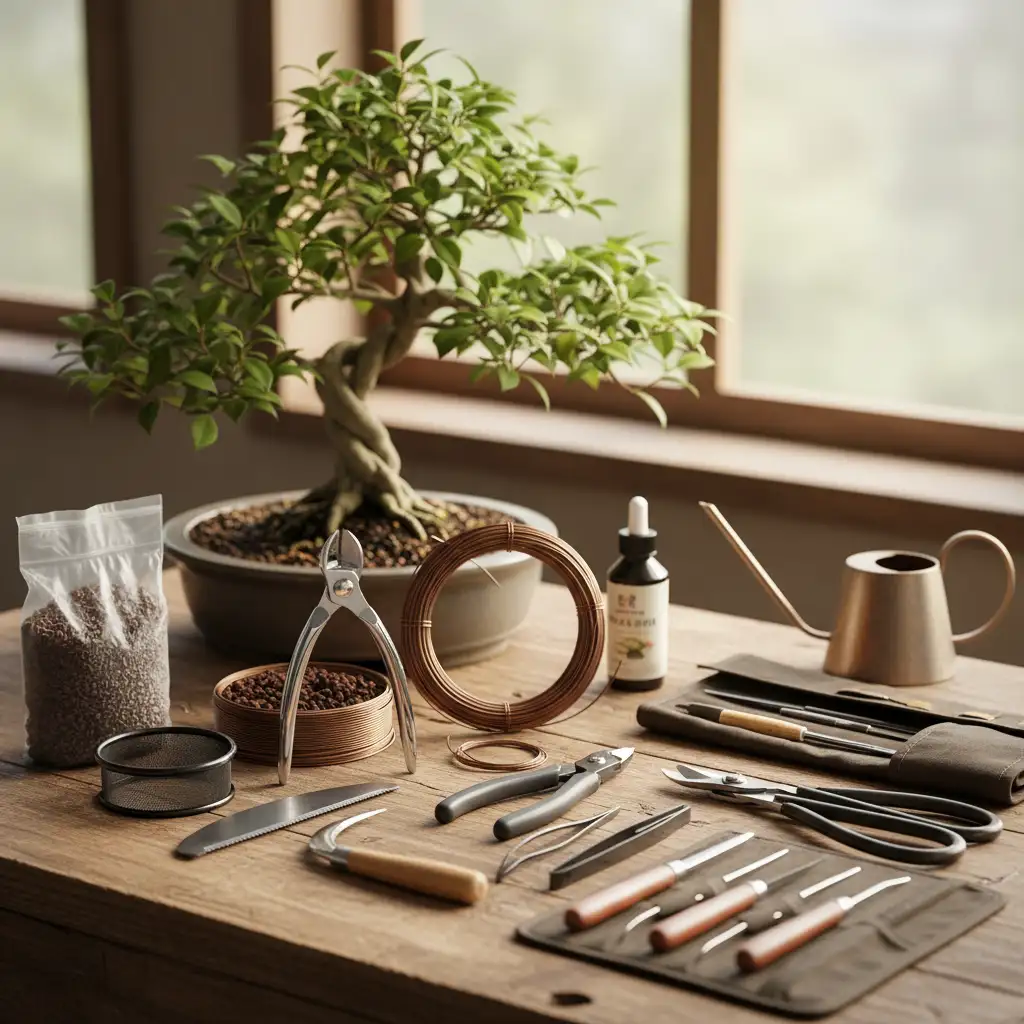
Equipping yourself with the right tools is essential for providing excellent Ficus bonsai care from day one. Here are some fundamental items to consider:
- Bonsai shears: For precise pruning and shaping.
- Fine-rose watering can: Ensures gentle, even watering without disturbing the soil.
- Humidity tray with pebbles: To maintain the high humidity Ficus trees love indoors.
- Quality bonsai soil mix: A free-draining mix designed for optimal root health.
- Liquid bonsai fertilizer: To provide essential nutrients during the growing season.
- Optional: Bonsai wire: For shaping branches and guiding growth.
These tools will ensure you are well-prepared to nurture your new miniature tree.
Conclusion: Mastering Your Ficus Bonsai
Caring for a Ficus bonsai is a deeply rewarding experience that combines horticultural skill with artistic expression. This comprehensive Ficus bonsai care guide provides you with a strong foundation of knowledge and practical techniques. Remember, consistency in watering, providing adequate light, and thoughtful pruning are the cornerstones of maintaining a healthy and beautiful Ficus tree. Every challenge encountered is an opportunity to learn and grow alongside your tree. Embrace the journey of cultivating these magnificent miniature trees. For further growth and community engagement, consider exploring resources like Finding Bonsai Mentors & Clubs in NZ: Connect with Your Community. We sincerely hope this guide helps you grow a stunning Ficus bonsai that brings immense joy and beauty to your life for many years to come.