Environmental Stressors Affecting Bonsai Health
bonzai.co.nz
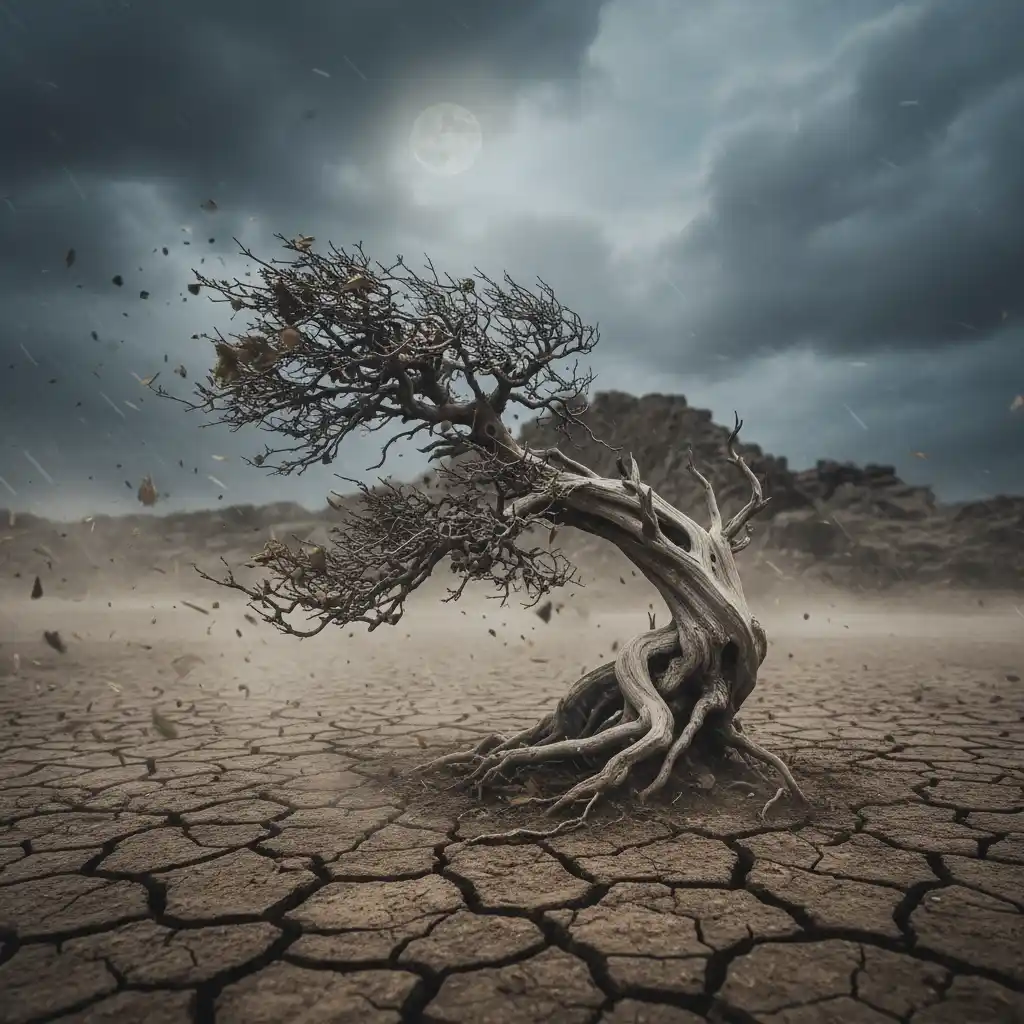
Environmental stressors affecting bonsai health refer to external conditions like extreme temperatures, improper watering, inadequate light, and fluctuating humidity that can severely impact a bonsai tree’s growth and survival. Understanding these challenges is crucial for cultivating a resilient and thriving miniature tree.
Bonsai cultivation is an intricate art form, transforming ordinary trees into living sculptures. However, these miniature masterpieces are highly sensitive to their surroundings. Just like any plant, bonsai trees face a variety of environmental challenges that can hinder their growth, weaken their health, or even lead to their demise.
Mastering bonsai care means not only understanding techniques like pruning and wiring, but also becoming proficient with the Best Bonsai Tools for Beginners: A Starter Guide, and becoming an expert in environmental management. This guide explores the critical environmental stressors affecting bonsai health and offers practical strategies to ensure your trees thrive year-round.
Table of Contents
Understanding Key Environmental Threats
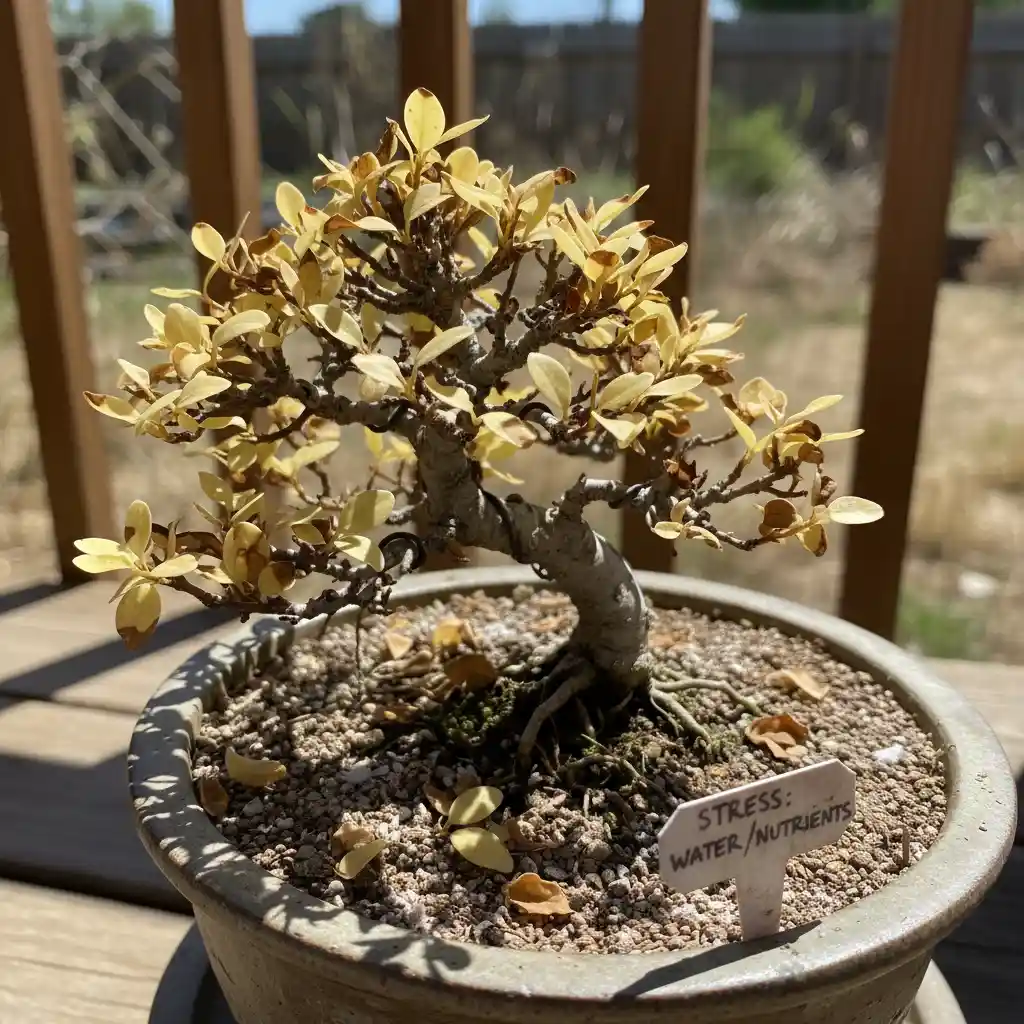
Several environmental factors play a pivotal role in a bonsai’s well-being. Imbalances in any of these areas can quickly manifest as signs of stress. Recognizing these early warning signals is essential for timely intervention and preventing irreversible damage.
Temperature Extremes
Both excessively high and low temperatures pose significant threats. Freezing temperatures can damage roots and branches, while intense heat can cause rapid dehydration and scorching of foliage. Species-specific content on cold-hardy vs. tropical bonsai is vital here.
Proper placement and seasonal care strategies, such as providing winter protection or summer shade, are crucial. Understanding the natural climate your bonsai species prefers helps in mitigating these extremes.
Watering Imbalances
One of the most common environmental stressors is incorrect watering. Both overwatering, which leads to root rot due to poor soil composition and drainage, and underwatering, causing dehydration, are detrimental. Water quality also matters; hard water can lead to mineral buildup.
The key is consistent, measured watering based on the tree’s needs, soil moisture, and environmental humidity. Develop a keen sense for when your bonsai needs a drink, rather than sticking to a rigid schedule.
Light Deficiency or Excess
All plants require light for photosynthesis, but the quantity and intensity vary greatly. Too little light leads to weak, elongated growth and pale leaves. Too much direct, intense sun, especially for indoor species or during summer peaks, can burn foliage.
Positioning your bonsai to receive optimal light for its species, perhaps with supplemental lighting indoors or shade cloths outdoors, is vital. Remember that light needs can change with the seasons.
Humidity Levels and Air Quality
Many bonsai species, particularly those native to humid regions, suffer in dry indoor environments or windy outdoor spots. Low humidity causes leaves to dry and drop, while poor air quality (e.g., pollution) can harm foliage and hinder growth.
Using humidity trays, misting, or grouping plants can help increase local humidity. Protecting trees from strong, drying winds also contributes to their overall health and resilience.
Wind Exposure
Constant strong winds can physically damage branches and foliage, and rapidly dehydrate the soil and tree. It’s an often-overlooked environmental stressor that directly impacts moisture levels and plant stability. This is particularly relevant for outdoor bonsai.
Strategic placement in sheltered locations or using windbreaks can mitigate the damaging effects of strong gusts. Consider how much wind your specific bonsai species can tolerate when choosing its outdoor spot.
The Role of Soil and Nutrients
The foundation of a healthy bonsai lies beneath the surface. The quality and composition of its soil, along with the availability of essential nutrients, directly influence the tree’s ability to resist environmental stressors affecting bonsai health and thrive.
Soil Composition and Drainage
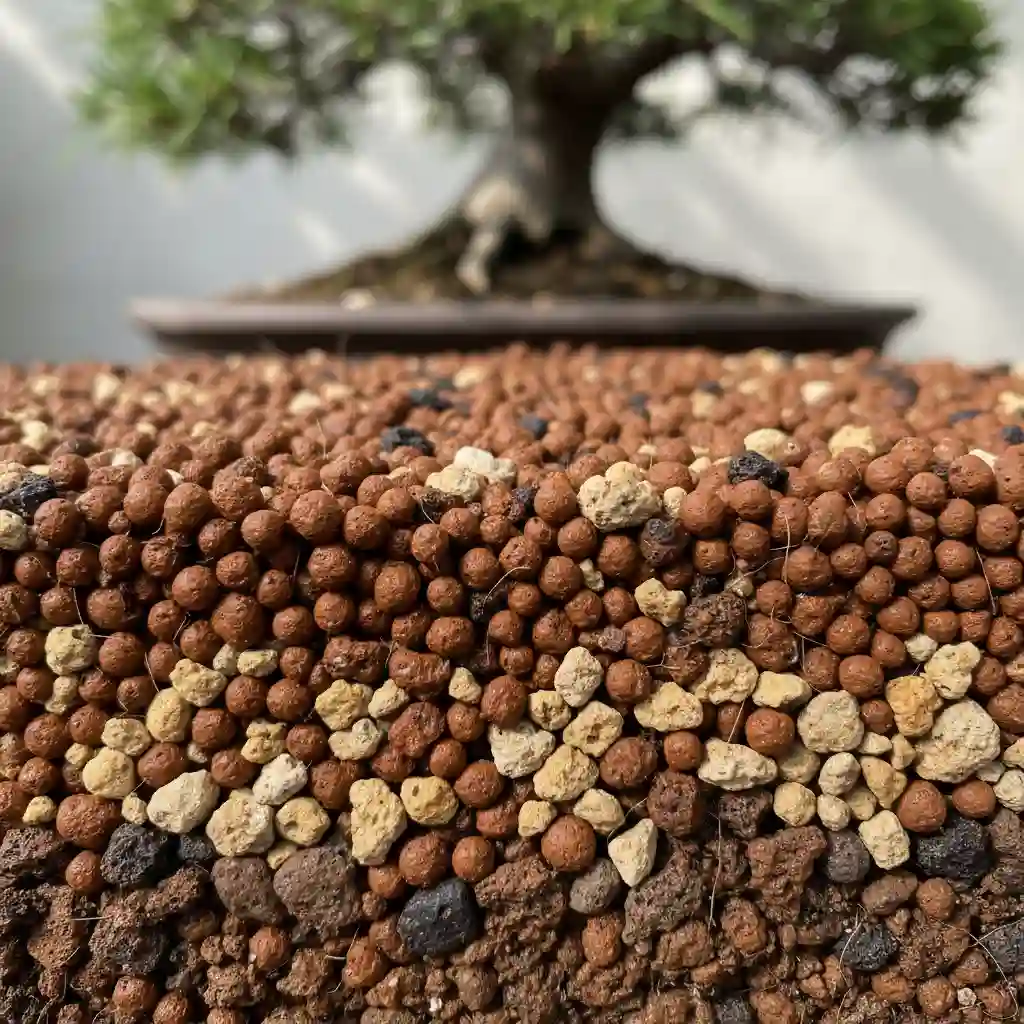
Bonsai soil is specially formulated to provide excellent drainage while retaining sufficient moisture and nutrients. Compacted, heavy garden soil can suffocate roots and lead to root rot. Good soil structure allows for proper aeration, crucial for root health.
Regular repotting, typically every 1-3 years depending on the species and growth rate, ensures the soil remains viable and healthy. This also allows for root pruning, which keeps the tree vigorous.
Nutrient Deficiencies and Toxicity
Bonsai, being grown in small containers, quickly deplete soil nutrients. Lack of essential macro and micronutrients can lead to stunted growth, discoloration, and increased susceptibility to pests and diseases. Conversely, over-fertilization can cause root burn. For detailed guidance on these aspects, refer to resources on Bonsai Soil, Fertilization & Nutrition.
A balanced feeding regimen, tailored to the specific bonsai species and its seasonal growth cycle, is paramount. Different fertilizers are used for different stages of growth and times of the year. For in-depth advice on what to use and when, consult a comprehensive Bonsai Fertilization Guide: Best Practices & Products.
Pests, Diseases, and Protection
Even with perfect environmental conditions, bonsai can fall prey to pests and diseases. These biological threats are often exacerbated when a tree is already weakened by other environmental stressors affecting bonsai health, making integrated pest management crucial.
Common Pests and Their Impact
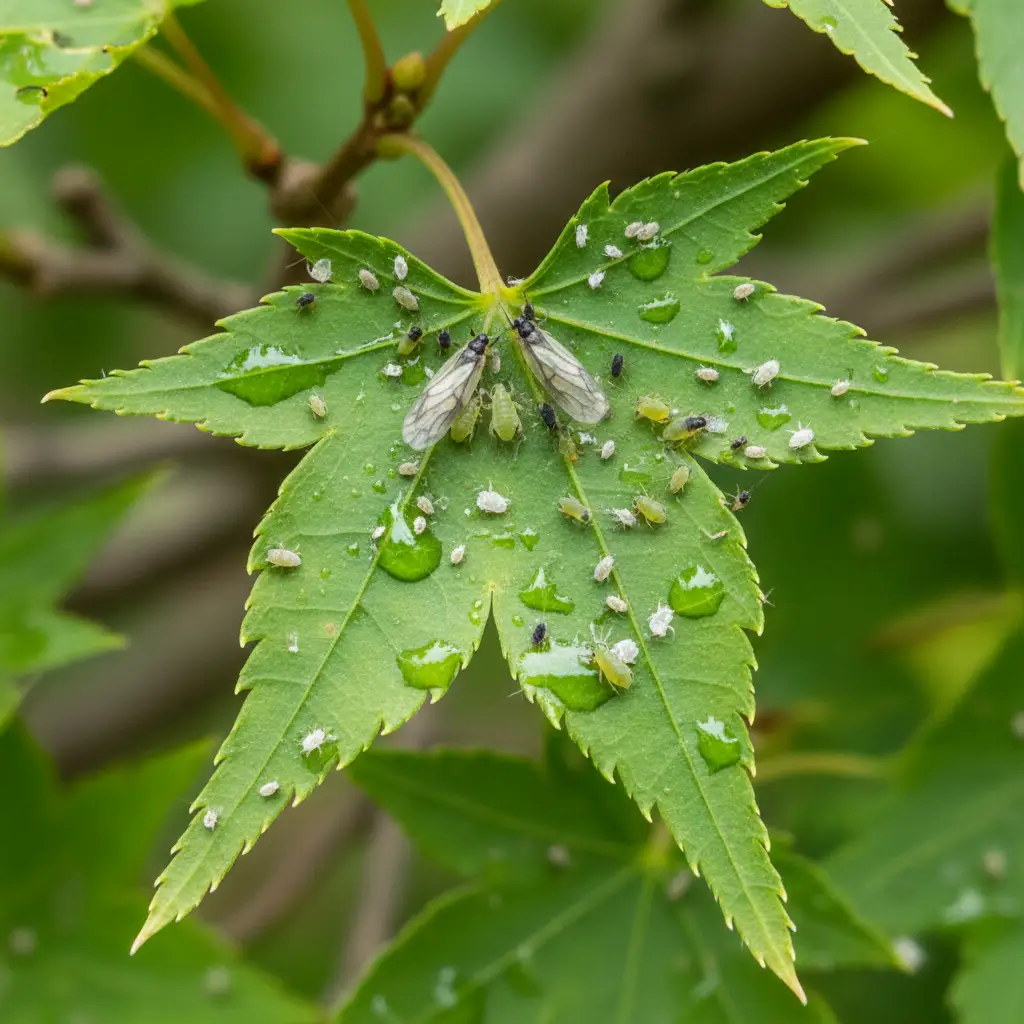
Aphids, spider mites, scale insects, and mealybugs are frequent unwelcome visitors. They feed on sap, weakening the tree and sometimes transmitting diseases. Early detection and prompt action are key to managing infestations effectively.
Regular inspection of leaves, stems, and bark helps identify pests before they cause widespread damage. Organic pest control methods are often preferred to protect the delicate bonsai ecosystem.
Fungal and Bacterial Diseases
Diseases like powdery mildew, rust, and various forms of blight can quickly spread, especially in humid or poorly ventilated conditions. Bacterial infections can also cause cankers or galls.
Good air circulation, proper hygiene (sterilizing tools), and avoiding prolonged wet foliage are effective preventative measures. For severe cases, specific fungicides or bactericides may be necessary.
Preventative Measures
Maintaining a strong, healthy bonsai is the best defense. A well-nourished tree, free from other environmental stresses, is far less likely to succumb to pests and diseases. Quarantine new trees and regularly clean your bonsai area.
Timely pruning and removal of dead or diseased parts also help prevent the spread of problems. Consider the principles of environmental resilience in your care routine.
Seasonal Care and Adaptation
Bonsai trees require dynamic care that changes with the seasons. Understanding and implementing comprehensive seasonal care guides is paramount to counter the varied environmental stressors affecting bonsai health throughout the year.
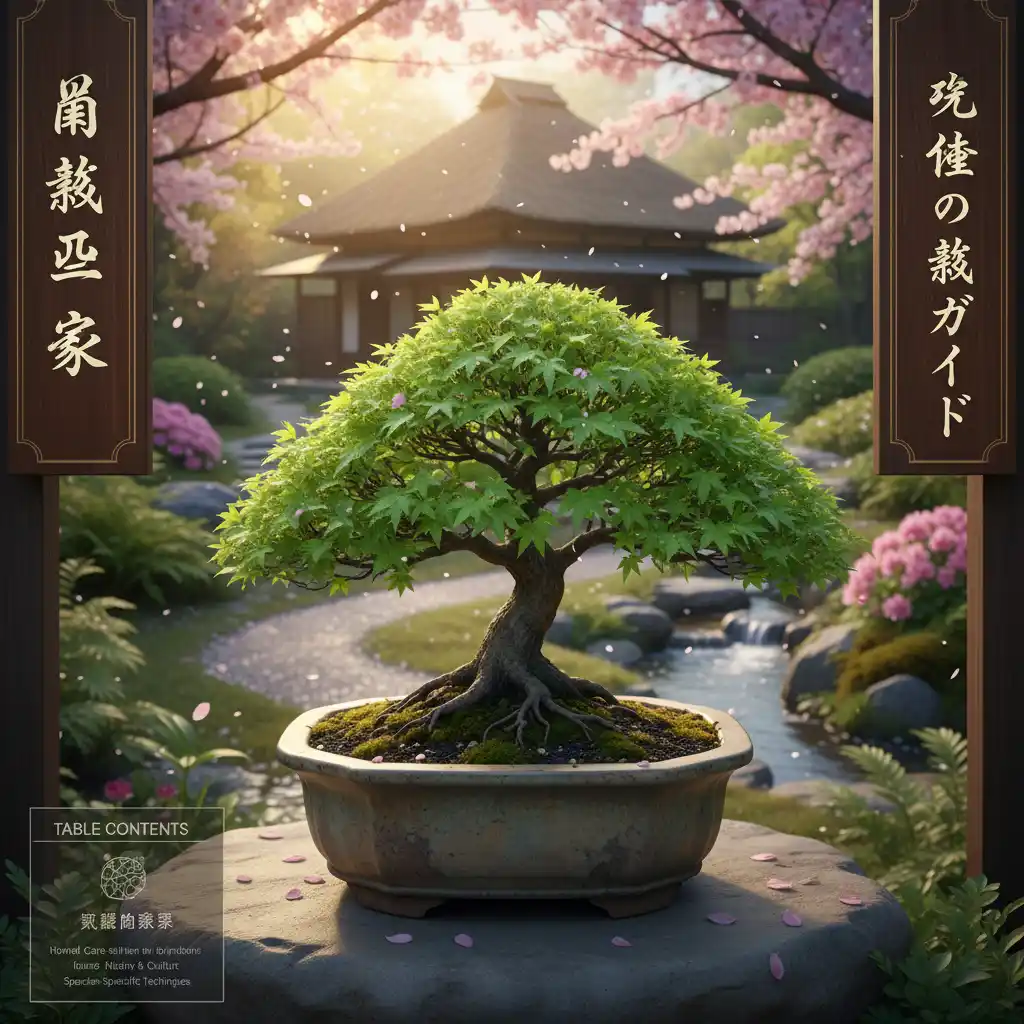
Spring Awakening and Growth
Spring is a period of vigorous growth. This is the ideal time for repotting, major pruning, and increasing fertilization. Ensuring adequate water and light as the days lengthen supports the tree’s awakening. For comprehensive guidance on this vital period, consult a dedicated Spring Care for Bonsai SH guide.
Careful attention during this phase sets the stage for a healthy year. Monitor for early pest activity as new shoots emerge.
Summer Heat Management
Summer brings intense sun and heat, requiring more frequent watering and potential shading to prevent scorched leaves and dehydration. Some species may benefit from increased humidity during this period.
Avoid heavy pruning during the hottest months to minimize stress. Focus on maintenance and ensuring consistent moisture without overwatering.
Autumn Preparation
As temperatures cool, growth slows. Reduce fertilization, especially nitrogen, and begin to prepare temperate species for winter dormancy. This is a good time for light pruning and applying Wiring Techniques for Bonsai Branches.
Ensure the tree builds up sufficient energy reserves for the dormant period. Gradually reduce watering frequency as the soil stays moist longer.
Winter Protection
Winter is a critical period for temperate bonsai, requiring protection from freezing winds and extreme cold. Indoor shelter, cold frames, or mulching can be necessary. Tropical bonsai need warmth and consistent indoor light.
Water sparingly during dormancy, only when the soil is dry to the touch. This seasonal care protects against frost damage and ensures a healthy return in spring.
Beyond the Basics: Advanced Care for Resilience
To truly master bonsai, one must look beyond basic care to embrace advanced techniques and a deeper understanding of the art form’s context. This includes deepening authority by expanding content into critical areas.

Species-Specific Considerations
Each bonsai species has unique needs regarding light, water, temperature, and soil. Developing advanced, species-specific content clusters, such as for Juniper, Pine, Maple, or Ficus, is crucial for optimal care.
Researching the native habitat of your specific tree provides invaluable insights into its ideal growing conditions and how to mitigate unique environmental stressors affecting bonsai health for that variety. Engaging with Top Online Bonsai Forums and Communities can also provide a wealth of shared knowledge and support for species-specific care. More information on diverse species can be found on sites like Wikipedia.
Environmental Resilience Through Design
Bonsai art also encompasses how a tree is designed to interact with its environment. This can include choosing forms that shed wind better or selecting hardy species for challenging climates. Fostering engagement through topics related to bonsai art and environmental resilience is key.
By understanding historical, cultural, and artistic display aspects of bonsai, growers can make more informed choices that enhance both the tree’s aesthetic and its ability to withstand environmental pressures.
Historical and Cultural Context
The practice of bonsai has deep roots in East Asian culture, carrying significant historical and philosophical weight. Understanding this rich heritage enriches the cultivation experience and guides appreciation for the art form’s enduring principles.
Learning about the cultural significance of different tree forms and display practices adds another layer to managing bonsai health. This holistic understanding enhances the user experience and provides a deeper connection to the living art.
Conclusion: Fostering a Thriving Bonsai
Successfully cultivating bonsai in the face of diverse environmental stressors affecting bonsai health requires dedication, observation, and continuous learning. By paying close attention to temperature, light, water, humidity, soil, and nutrient balance, you empower your trees to thrive.
Embrace a holistic approach, incorporating comprehensive seasonal care guides, species-specific knowledge, and an appreciation for the historical and artistic dimensions of bonsai. With diligent care and a proactive approach, your miniature trees will not only survive but flourish, becoming enduring symbols of nature’s beauty and your horticultural skill.