Common Pests of NZ Native Bonsai: Identification & Organic Solutions
What You Will Learn
Protect your NZ native bonsai from common pests like aphids, scale, and mites. Learn expert identification tips and organic solutions for healthy, thriving trees.
Introduction to NZ Native Bonsai Pests: Safeguarding Your Miniature Masterpieces
The serene art of cultivating NZ native bonsai, including practices like NZ Yamadori Principles: Ethical Collection & Cultivation of Wild Stock, brings a piece of Aotearoa’s unique flora into our homes and gardens. These miniature trees, with their distinct character and resilience, are a source of immense pride. However, like any cherished plant, they are not immune to the challenges posed by common pests. Understanding how to identify and organically manage these unwelcome visitors is crucial for maintaining the health and aesthetic integrity of your beloved native bonsai. This comprehensive guide will equip you with the knowledge to protect your living sculptures from the most prevalent NZ native bonsai pests, ensuring they thrive for years to come. For those looking to broaden their bonsai expertise, insights into Flowering Bonsai Trees: Cultivation & Bloom Tips and specific species like Ficus Bonsai Care: Indoor Growing and Shaping are also available.
Early detection and proactive measures are your best allies in the fight against infestations. Ignoring the subtle signs of a pest problem can quickly lead to weakened plants, defoliation, and even the loss of your precious bonsai. Our focus here is on sustainable, organic solutions that respect the delicate ecosystem of your bonsai and surrounding environment.
Table of Contents
Identifying Common NZ Native Bonsai Pests
Spotting NZ native bonsai pests early is key to successful treatment. Regular, close inspection of your trees—especially the undersides of leaves, new growth, and branch crevices—is essential. Here are the common culprits to look out for:
Aphids: The Sap-Sucking Menace
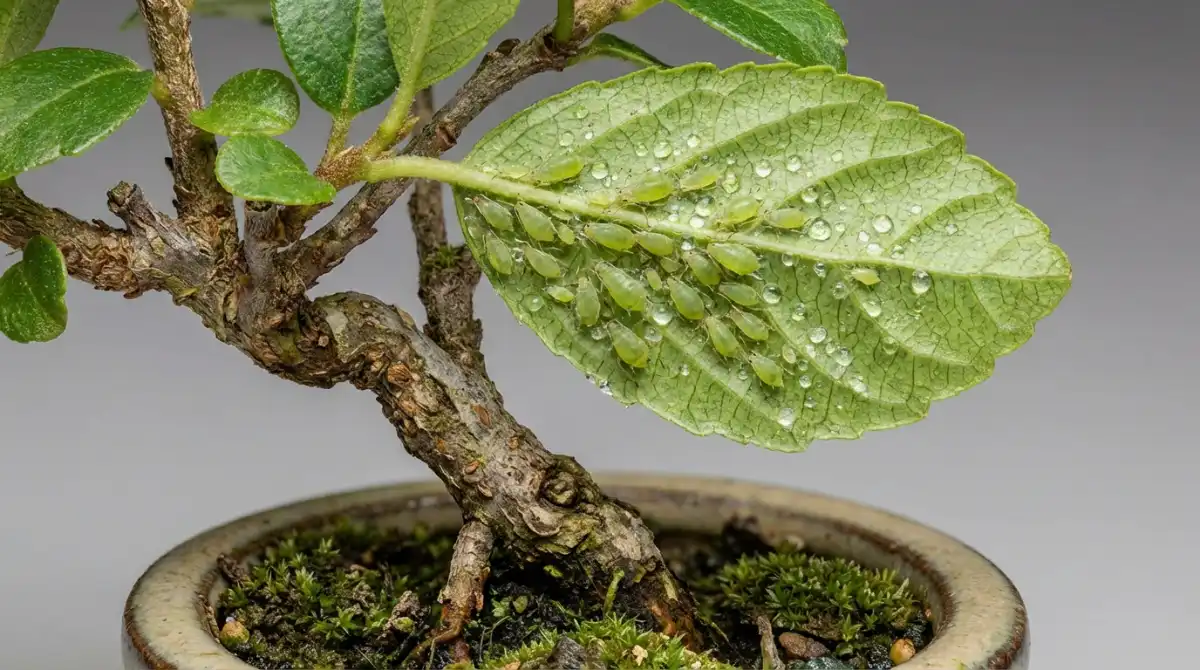
Aphids are small, pear-shaped insects, often green, black, or grey, found in clusters on new shoots and leaf undersides. They feed by sucking sap, causing distorted growth, yellowing leaves, and the excretion of sticky ‘honeydew’, which can lead to sooty mold. While a nuisance, they are relatively easy to control with organic methods.
Scale Insects: Armored Invaders
Scale insects are more camouflaged than aphids, appearing as small, immobile bumps (oval or round) on stems and leaves. They come in various colours and textures (soft or hard-shelled). Like aphids, they feed on sap and produce honeydew. Their protective shells make them harder to eradicate, requiring persistent effort.
Spider Mites: Tiny Weavers of Destruction
These minuscule arachnids are often hard to see with the naked eye. Signs of spider mites include fine webbing on leaves and branches, stippling (tiny dots) on leaves, and a general bronzing or yellowing. They thrive in hot, dry conditions and can cause significant damage quickly if left unchecked.
Natural and Organic Pest Control Methods
Once you’ve identified the NZ native bonsai pests, it’s time for action. Here are effective, organic methods to reclaim your bonsai’s health, presented in a step-by-step approach for easy implementation.
1. Manual Removal & Pruning
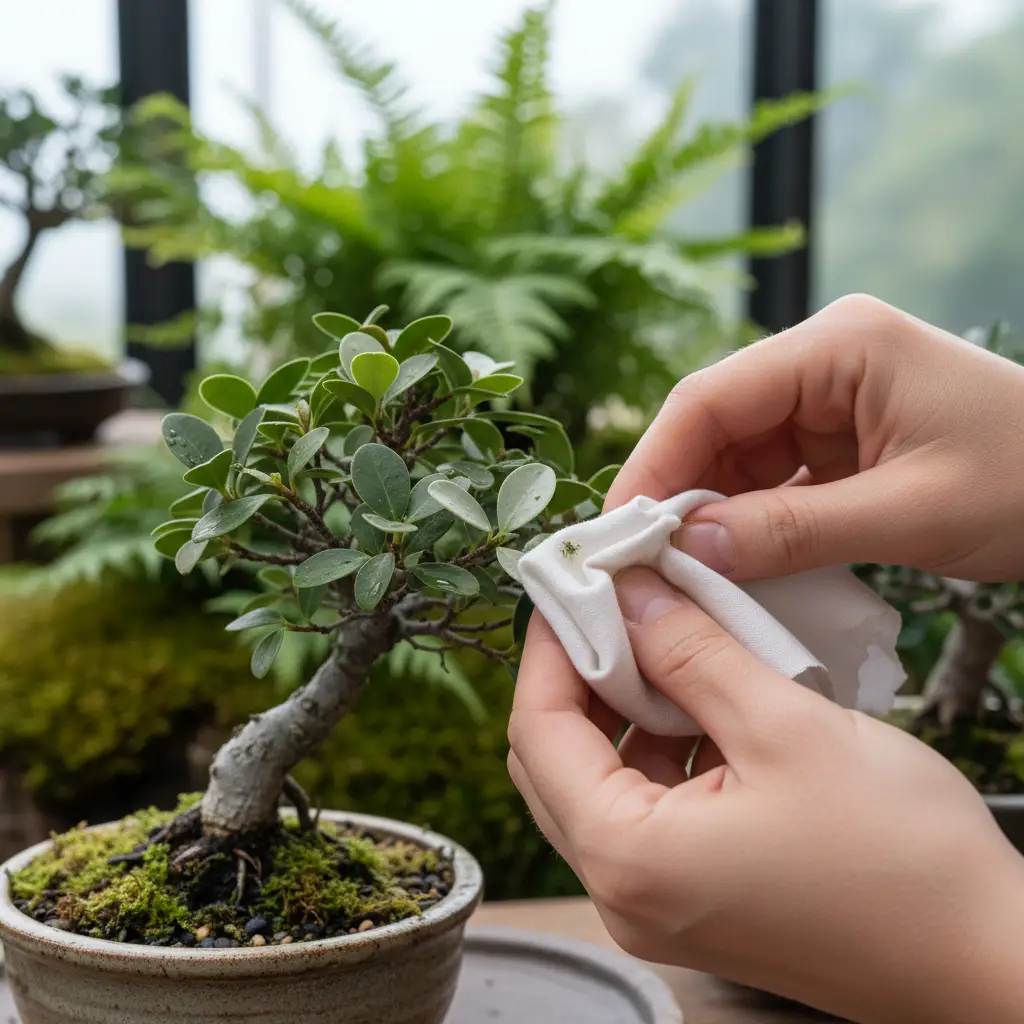
For light infestations, this is your first and often most effective line of defence. Gently wipe away aphids or scale with a damp cloth or cotton swab dipped in rubbing alcohol (for scale). Prune heavily infested leaves or branches, ensuring you sterilise your tools afterwards.
2. Neem Oil Application
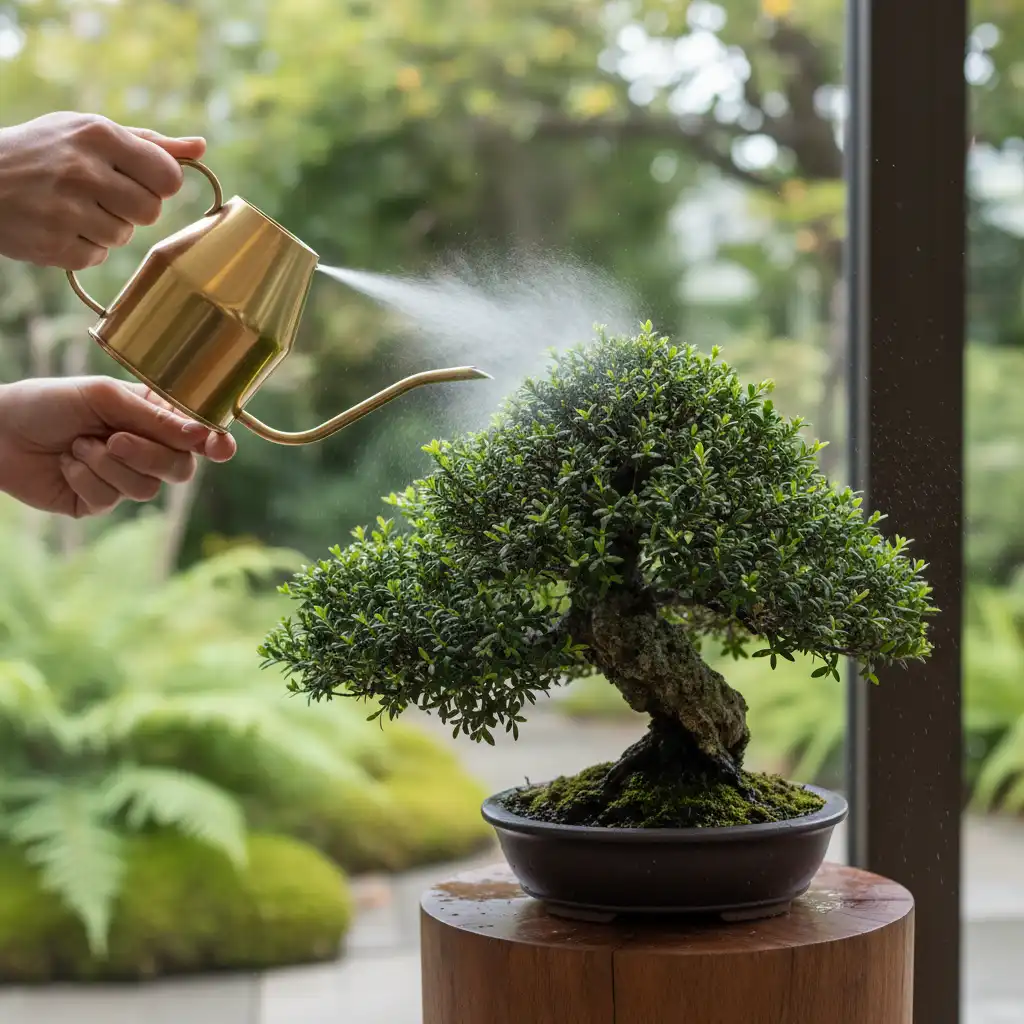
Neem oil is a powerful, broad-spectrum organic insecticide and fungicide. Mix pure cold-pressed neem oil according to package directions with water and a few drops of mild soap (as an emulsifier). Spray thoroughly, covering all leaf surfaces, stems, and crevices. Apply in the evening to avoid leaf burn and ensure optimal effectiveness. Repeat every 5-7 days for severe infestations.
3. Insecticidal Soap Sprays
Commercial insecticidal soaps are highly effective against soft-bodied insects like aphids and mites. They work by disrupting the pests’ cell membranes, leading to dehydration. Always follow label instructions and test on a small area first to ensure your specific NZ native bonsai species tolerates it. Apply thoroughly, ensuring direct contact with the pests.
4. Encouraging Beneficial Insects
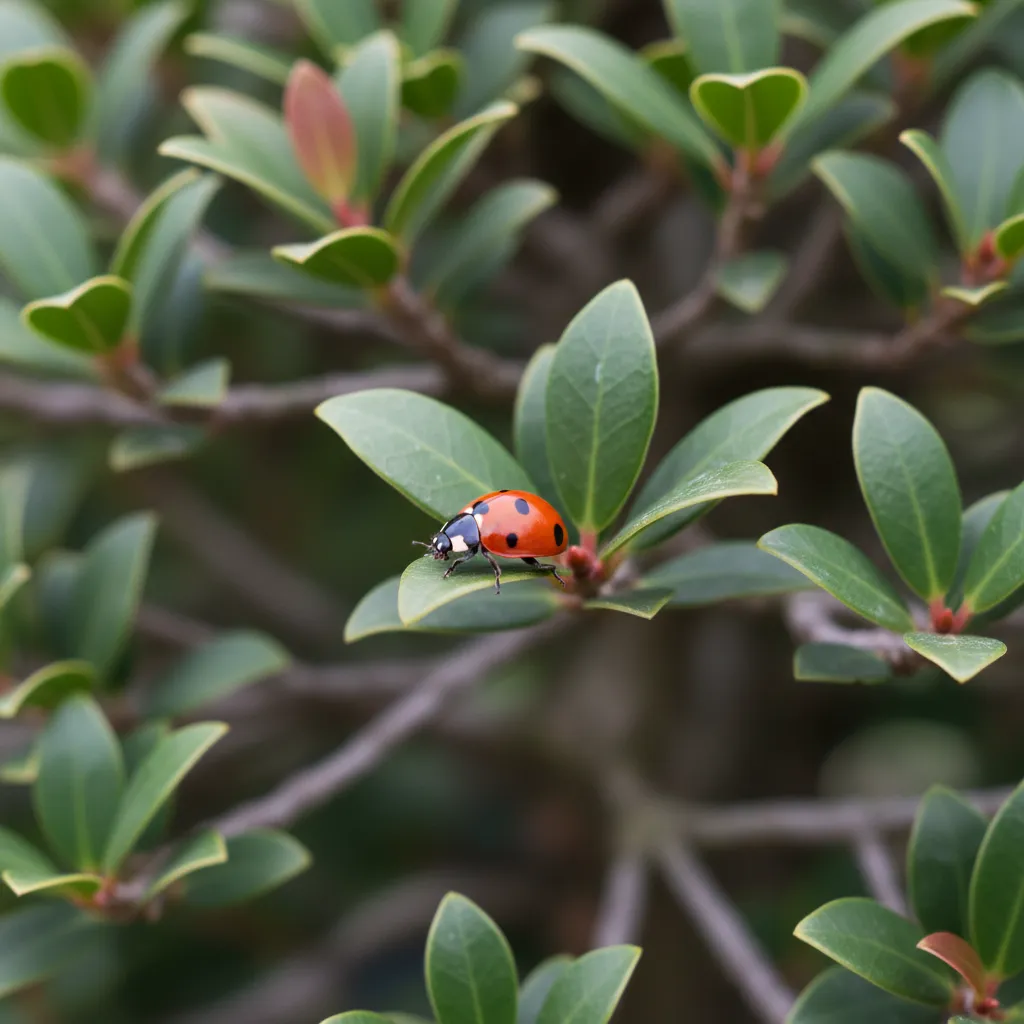
Nature provides its own pest control! Ladybugs, lacewings, and predatory mites are natural enemies of aphids, scale, and spider mites. In an outdoor setting, planting nectar-rich flowers nearby can attract these helpful predators. If your bonsai is indoors, consider purchasing beneficial insects for targeted release, though this requires careful management.
5. Homemade Garlic/Chilli Sprays
For a DIY approach, a concoction of crushed garlic or chilli powder steeped in water can act as a deterrent and mild insecticide. Strain the liquid, mix with a little mild soap, and spray. While less potent than neem oil or insecticidal soap, these can be effective for minor issues or as a preventative.
Integrated Pest Management (IPM) Strategies for Long-Term Health
Integrated Pest Management (IPM) is a holistic approach combining various strategies to manage pests effectively while minimising environmental impact. It’s about prevention, monitoring, and using the least toxic methods first. Implementing an IPM strategy is crucial for keeping your NZ native bonsai pests at bay permanently.
IPM Action Checklist
- Regular Inspection: Weekly, meticulously check your bonsai for any signs of pests, especially new growth and leaf undersides. Early detection is paramount.
- Proper Culture: Ensure your bonsai receives adequate light, water, and nutrients. Stressed plants are more susceptible to pest attacks.
- Quarantine New Plants: Always isolate new bonsai or plants for several weeks before introducing them to your collection to prevent introducing new pests.
- Sanitation: Remove fallen leaves, dead branches, and weeds from around your bonsai pots. These can harbour pests.
- Mechanical Control: Utilise manual removal, pruning, and strong water sprays to dislodge pests as the first response.
- Biological Control: Encourage natural predators by fostering a healthy garden environment, or consider introducing beneficial insects.
- Chemical Control (Last Resort & Organic Only): Only use organic pesticides like neem oil or insecticidal soap when other methods are insufficient. Apply judiciously and according to directions.
Prevention Through Good Husbandry: Your First Line of Defense
An ounce of prevention is worth a pound of cure, especially when it comes to NZ native bonsai pests. Healthy, well-cared-for trees are naturally more resistant to infestations. Focus on these preventative measures:
- Optimal Growing Conditions: Provide the right amount of light, humidity, and temperature for your specific native species. Healthy trees are resilient trees.
- Proper Watering: Avoid both overwatering and underwatering. Consistent, appropriate moisture levels are vital for root health and overall vigour. For comprehensive seasonal guidance, including preparing your trees for the growing season, see Spring Care for Bonsai SH.
- Bonsai Soil, Fertilization & Nutrition: Feed your bonsai with a balanced, slow-release fertiliser during the growing season. Over-fertilisation, especially with high nitrogen, can lead to soft, succulent growth that pests love. For details on how to select the ideal container, refer to Choosing Bonsai Pots for NZ Natives: Function & Form.
- Good Air Circulation: Ensure adequate airflow around your bonsai, especially in humid environments. This discourages fungal diseases and some pests.
- Cleanliness: Regularly clean your bonsai pots and tools. Remove any leaf litter or debris from around the base of the tree.
- Regular Showering: A gentle rinse with a hose can dislodge many pests, especially spider mites, and help clean away dust that can attract them.
Conclusion: Vigilance for Thriving NZ Bonsai
Mastering the art of NZ native bonsai cultivation extends beyond artistic styling, such as Bonsai Pruning for Refinement and Ramification, and Wiring Techniques for Bonsai Branches, to diligent care and pest management. By learning to identify common NZ native bonsai pests and applying timely, organic solutions, you can protect your trees without resorting to harsh chemicals. Embrace a routine of regular inspection, good husbandry, and proactive treatment, and your native bonsai collection will remain healthy, vibrant, and a true testament to nature’s enduring beauty, refined through your dedicated artistry.
“The health of your bonsai is a reflection of your attentiveness. Embrace the small daily acts of care, and your trees will flourish.”
Frequently Asked Questions (FAQ)
What are the most common pests for NZ native bonsai?
The most common pests for NZ native bonsai are aphids, scale insects, and spider mites. These pests feed on plant sap, leading to weakened growth, discolored leaves, and sometimes sticky residue or fine webbing.
Are organic pest control methods effective for bonsai?
Yes, organic pest control methods are highly effective for bonsai when applied consistently and correctly. Techniques like manual removal, neem oil, insecticidal soap, and encouraging beneficial insects can successfully manage most infestations without harming your trees or the environment.
How often should I check my NZ native bonsai for pests?
It’s recommended to perform a thorough inspection of your NZ native bonsai at least once a week. Pay close attention to new growth, the undersides of leaves, and stem joints, as pests often hide in these areas. Early detection is crucial for easy management.
Can strong water sprays damage my bonsai?
Gentle, strong water sprays can be effective for dislodging pests like aphids and and spider mites without damage. However, avoid using excessive pressure or very cold water, which could potentially harm delicate foliage or disturb the soil. Always use a fine spray nozzle.
What is Integrated Pest Management (IPM) for bonsai?
IPM is a comprehensive strategy for pest control that combines several approaches: prevention through good plant culture, regular monitoring, using mechanical and biological controls, and only resorting to organic pesticides as a last resort. It aims for long-term pest suppression with minimal environmental impact.