Choosing Your First Bonsai Tree
bonzai.co.nz
A first bonsai tree for beginners is a resilient, easy-to-care-for miniature tree species that can tolerate minor mistakes and adapt to various indoor or outdoor conditions. These varieties typically require less specialized knowledge, making the initial learning curve enjoyable and successful for new enthusiasts.
Starting with bonsai can feel overwhelming. There are many tree types, tools, and techniques. However, choosing the right first bonsai tree for beginners is key to a positive experience. This guide will help you select a species that is forgiving and beautiful, setting you up for success in this ancient art form.
What Makes a Good First Bonsai Tree?
The ideal beginner bonsai should be hardy and adaptable. It needs to tolerate occasional over or under-watering. It should also be able to bounce back from minor pruning errors. Resilience is your best friend when you are learning the ropes of bonsai care.
Consider the environment where your tree will live. Will it be indoors or outdoors? Some species thrive inside, while others need the changing seasons outside. Understanding these needs is crucial before you buy.
Top Bonsai Species for Beginners
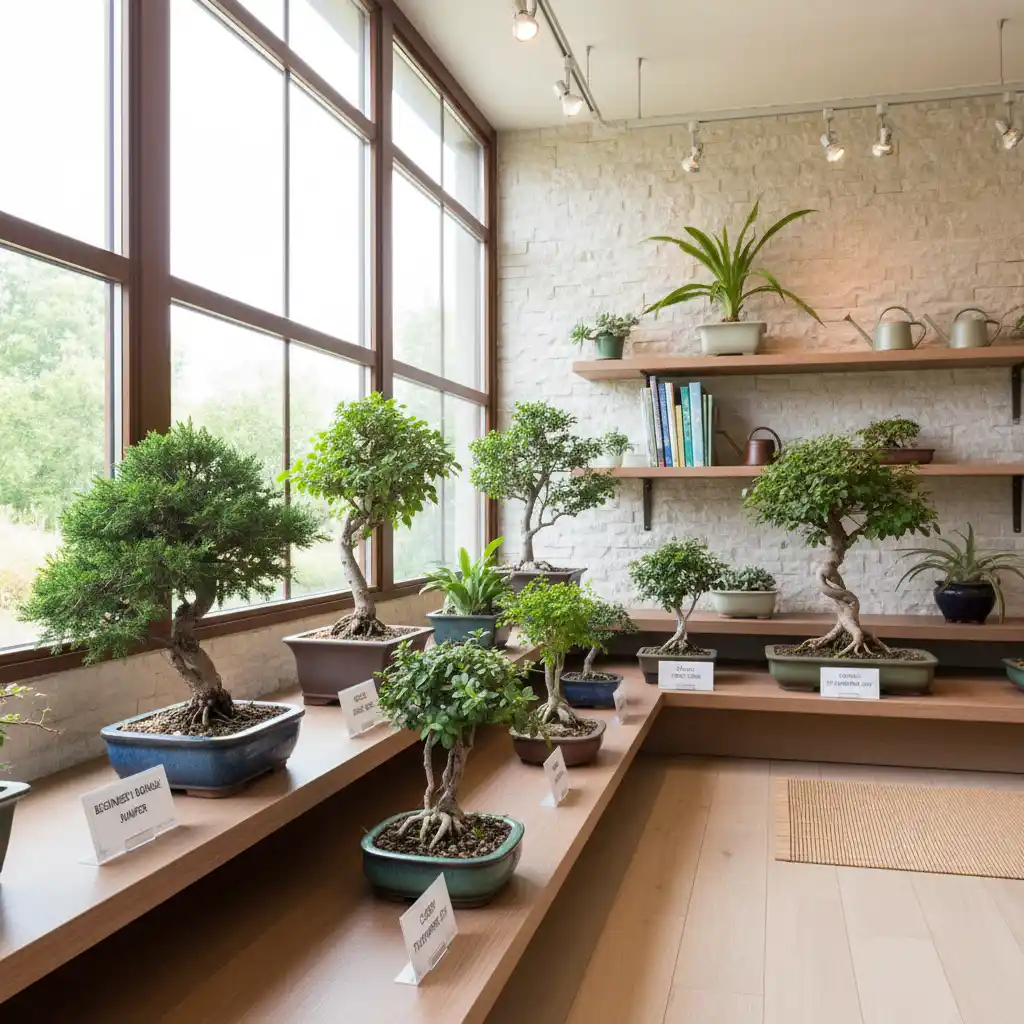
Let’s explore some of the best species if you’re looking for your first bonsai tree for beginners. These trees are known for their hardiness and ability to forgive minor care mistakes, making them perfect for new enthusiasts. For those interested in cultivating native species, insights into Rata Bonsai Cultivation: Techniques for a Hardy Native can provide a unique and rewarding path.
Fukien Tea (Carmona microphylla)
The Fukien Tea bonsai is a popular choice for indoor growing. It produces tiny white flowers and small berries, adding charm to its appearance. This species loves humidity and consistent warmth. It’s relatively forgiving with watering, as long as it doesn’t dry out completely.
Its small leaves make it easy to style and prune for a miniature look. Just be sure to protect it from cold drafts, which can be damaging.
Chinese Elm (Ulmus parvifolia)
Chinese Elms are incredibly versatile. They can be grown indoors or outdoors in many climates. They have small, delicate leaves and develop interesting bark texture over time. This tree grows relatively quickly, which means you’ll see results from your styling efforts sooner.
This species is tolerant of various conditions and is an excellent choice for learning basic pruning and wiring techniques. It’s a classic choice for a reason!
Juniper (Juniperus procumbens nana)
For those interested in outdoor bonsai, the Juniper is a fantastic option. It’s a classic choice for traditional bonsai styles, with its needle-like foliage and strong trunks. Junipers require good air circulation and plenty of sunlight. They need a cold dormancy period to thrive, making them unsuitable for year-round indoor living.
Caring for a Juniper involves specific pruning and wiring to create that iconic aged look. Enthusiasts may delve into advanced techniques like Shari and Jin: Deadwood Artistry in Bonsai for truly unique results. This plant truly embodies the essence of traditional Japanese bonsai.
Schefflera (Brassaia actinophylla)
Also known as the Dwarf Umbrella Tree, Schefflera is one of the most forgiving indoor bonsai. It can handle lower light conditions and is very resilient to inconsistent watering. Its broad leaves can be reduced in size through careful pruning.
This plant is an excellent choice for beginners who want a low-maintenance option. It’s robust and rarely suffers from pests, making care simpler.
Jade (Crassula ovata)
The Jade plant is a succulent, making it unique among bonsai options. It stores water in its thick leaves, meaning it can tolerate infrequent watering better than other species. Jade is almost impossible to kill and thrives indoors with bright light. For specific seasonal care, especially in colder months, understanding Jade Bonsai Winter Care can be beneficial. Its unique appearance and extreme hardiness make it a perfect first bonsai tree for beginners. It’s also easy to propagate from cuttings, allowing for more experimentation.
Where to Buy Your First Bonsai Tree
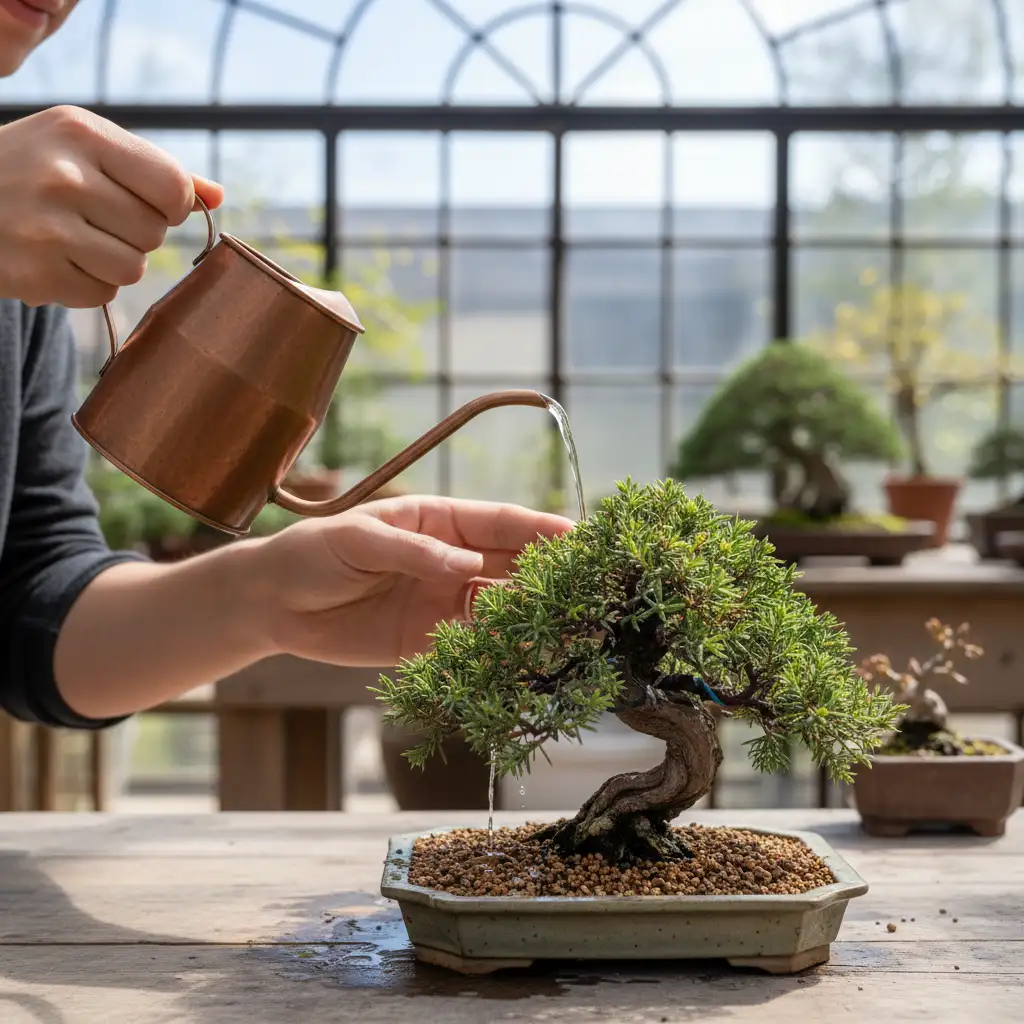
Once you’ve decided on a species, the next step is finding a reputable source. Where you buy your bonsai can significantly impact its health and your success.
Local Nurseries and Garden Centers
Many local nurseries carry a selection of beginner-friendly bonsai. The advantage here is that you can see the tree in person, inspect its health, and ask local experts for advice. Look for vibrant foliage and a healthy root system.
Specialty Bonsai Nurseries
If you’re lucky enough to have a dedicated bonsai nursery nearby, this is often the best option. These shops specialize in bonsai and can offer expert guidance specific to your chosen species. They often have higher quality trees and a wider selection of tools and soil.
Online Retailers
Buying online offers the largest selection and convenience. Reputable online bonsai stores will package trees carefully for shipping. However, you can’t inspect the tree beforehand, and shipping can sometimes stress the plant. Always read reviews and choose sellers with good reputations.
Essential Bonsai Starter Kit Options
For many, a starter kit is the easiest way to jump into the world of bonsai. These kits often include everything you need to begin your journey, making them ideal for someone looking for their first bonsai tree for beginners.
What’s in a Starter Kit?
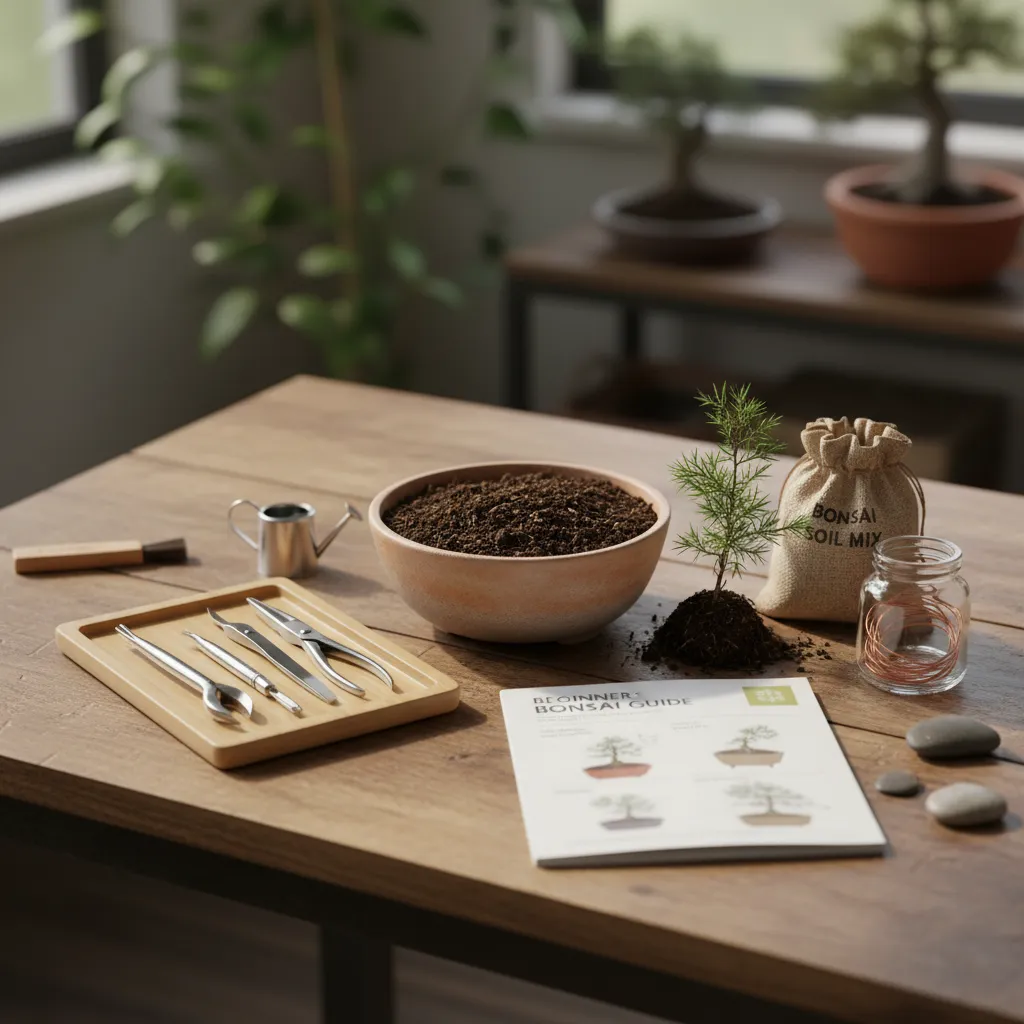
A good starter kit typically includes a small bonsai tree, a ceramic pot, a small bag of bonsai soil, and basic pruning shears. Some kits also come with a wire for styling, a watering can, and a detailed care guide. These guides are invaluable for learning initial care.
Why Choose a Kit?
Kits remove the guesswork from buying individual components. They ensure you have the correct pot size, appropriate soil mix, and essential tools. This simplifies the initial setup and allows you to focus on learning about your tree. Look for kits featuring the beginner-friendly species mentioned above.
Basic Care Tips for Your First Bonsai
Once you have your first bonsai, knowing how to care for it is crucial. These basic tips will help your miniature tree thrive.
Watering Your Bonsai
Watering is perhaps the most critical aspect of bonsai care. The soil should be allowed to dry out slightly between waterings, but never completely. Feel the soil; if the top inch is dry, it’s time to water. Water thoroughly until it drains from the bottom of the pot.
Light Requirements
Most bonsai need plenty of light. Indoor bonsai should be placed near a bright window, ideally south-facing. Outdoor bonsai need direct sunlight for several hours a day. Research your specific species’ light needs.
Pruning and Shaping
Pruning is how you maintain the miniature size and shape of your bonsai. To delve deeper into the artistic expressions, you can explore Bonsai Styles Explained: Upright, Slanting, Cascade. Regular trimming of new growth encourages dense foliage. Wiring allows you to gently bend branches into desired positions. Start with simple trims and consult your care guide for more advanced techniques.
Repotting Your Bonsai
Bonsai need to be repotted every few years to refresh the soil (a key aspect of Bonsai Soil, Fertilization & Nutrition, and crucial for Understanding Bonsai Soil Mixes) and prune the roots. Furthermore, maintaining a proper Bonsai Fertilization Schedule is essential for sustained health and vigor. This prevents the tree from becoming root-bound and ensures it gets fresh nutrients. The frequency depends on the species and its growth rate. For a comprehensive guide tailored for new enthusiasts, explore Repotting Your First Bonsai Tree. Understanding the right container is also vital; delve into Choosing Bonsai Pots for NZ Natives: Function & Form to make informed decisions.
For more detailed information on specific species and care, including seasonal considerations like Spring Care for Bonsai SH, consult a comprehensive bonsai guide.
The Joy of Bonsai
Choosing your first bonsai tree for beginners is the start of a wonderful hobby. It’s a journey of patience, learning, and connection with nature. Don’t be afraid to make mistakes; they are part of the learning process. With the right species and basic care, you’ll soon enjoy the beauty and tranquility a bonsai brings to your life.
Embrace the challenge and the calm that comes with nurturing these living works of art. Your miniature masterpiece awaits!