Bonsai Techniques & Aesthetics for ANZ Growers
Master essential bonsai techniques for Australian & NZ growers. Learn pruning, wiring, repotting, and styling for your Southern Hemisphere bonsai success.
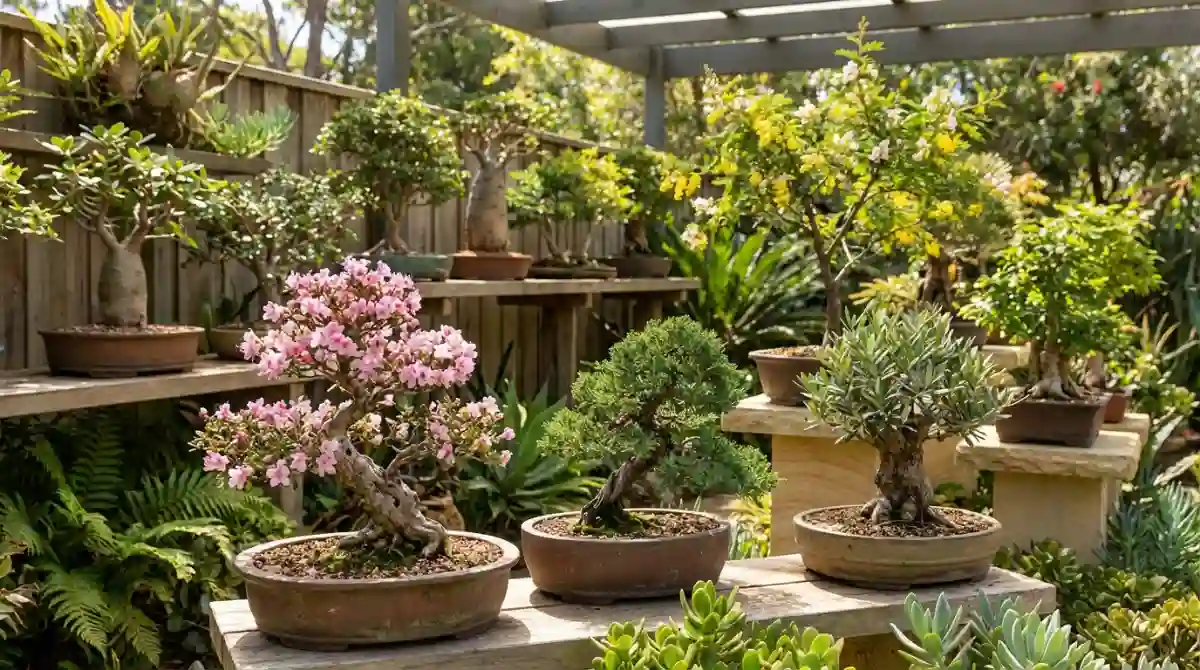
bonzai.co.nz
What You Will Learn
Master essential bonsai techniques for Australian & NZ growers. Learn pruning, wiring, repotting, and styling for your Southern Hemisphere bonsai success.
Embarking on the art of bonsai in the Southern Hemisphere presents a unique and rewarding challenge. For growers in Australia and New Zealand, understanding the nuances of our distinct seasons and native flora is paramount to cultivating miniature masterpieces. This guide delves into the essential bonsai techniques Australia and ANZ enthusiasts need to master, blending timeless aesthetic principles with practical, regional-specific considerations.
Whether you’re a budding enthusiast or looking to refine your skills, mastering these foundational techniques is crucial. We’ll explore everything from shaping and styling to the critical timing of care activities, ensuring your bonsai thrives in our Southern climate.
Table of Contents
- Foundational Bonsai Techniques Overview for ANZ Growers
- Pruning for Shape and Health: Essential Bonsai Techniques Australia
- Wiring for Trunk and Branch Design in Australian Bonsai
- Repotting and Root Pruning Considerations for Southern Hemisphere Climates
- Developing Bonsai Styles: From Classic Forms to Creative Expressions
- Sourcing Essential Bonsai Tools and Materials in Australia & New Zealand
- Your Bonsai Mastery Checklist
- Frequently Asked Questions About Bonsai Techniques in Australia
- References and Further Reading
Foundational Bonsai Techniques Overview for ANZ Growers
Bonsai is an ancient art form that combines horticulture and aesthetics, demanding patience, precision, and an intimate understanding of plant biology. For growers in Australia and New Zealand, adapting traditional Japanese and Chinese techniques to local species and a reverse seasonal calendar is key. The fundamental goal is to create a miniature tree that evokes the majesty and character of a full-sized counterpart found in nature.
Core techniques involve controlling growth through pruning, shaping with wire, and maintaining health through appropriate repotting and feeding. Each action contributes to the tree’s overall health and its artistic expression. Recognising the appropriate timing for these interventions, especially with our unique climate zones ranging from tropical to temperate, is a crucial part of developing expertise in bonsai techniques Australia.
The journey begins with selecting suitable plant material, understanding its growth habits, and then systematically applying techniques to guide its development over years, even decades. This section sets the stage for a deeper dive into each critical technique.
Pruning for Shape and Health: Essential Bonsai Techniques Australia
Pruning is arguably the most vital of all bonsai techniques Australia growers will employ. It’s the primary method for creating and maintaining the tree’s desired shape, encouraging denser foliage, and removing unwanted growth to promote overall health. There are several types of pruning, each serving a distinct purpose.
1. Understanding the Purpose of Pruning
Pruning is not merely about cutting; it’s about directing energy. By removing certain branches or shoots, you redirect the tree’s growth hormones and nutrients to other areas, strengthening weaker parts or encouraging back-budding. This constant refinement helps maintain the miniature size and ideal form.
2. Structural Pruning: Defining Your Tree’s Future
Structural pruning involves removing larger branches to establish the basic framework of your bonsai. This is often done when the tree is still young or in development. It’s about making significant decisions on the primary trunk line, the main branches, and the overall silhouette. In Australia, the best time for heavy structural pruning is generally in late winter (July-August) for deciduous trees, or early spring (August-September) for most evergreens, coinciding with dormancy or just before a major growth flush.
3. Maintenance Pruning: Keeping Your Bonsai Refined
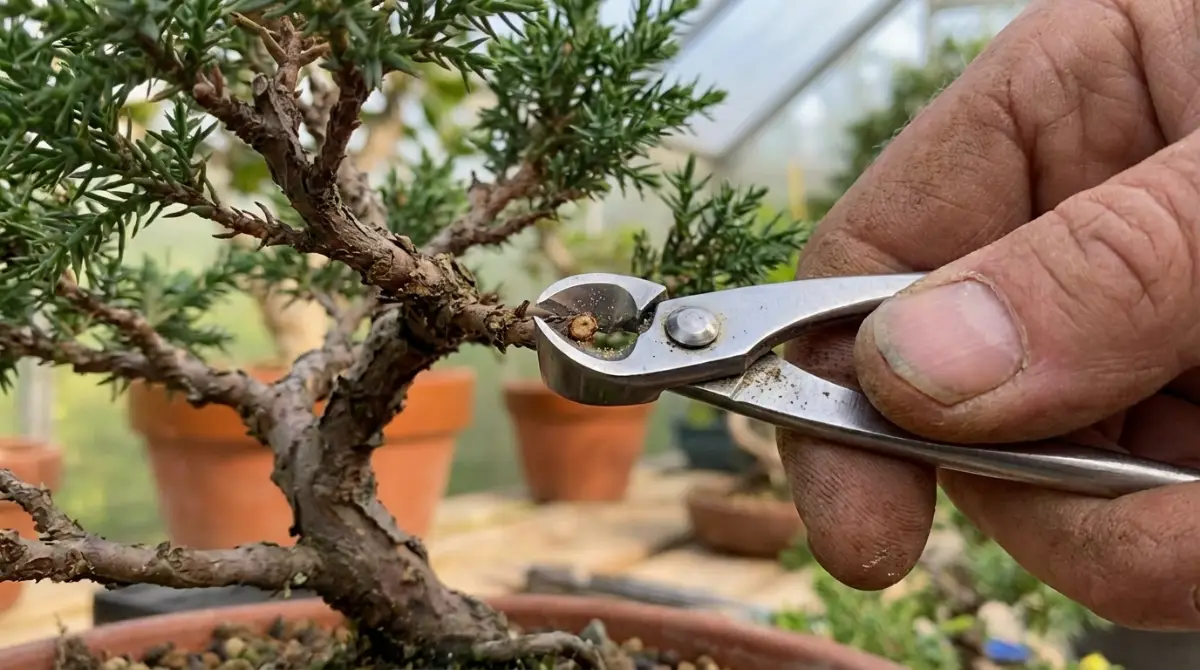
Maintenance pruning, also known as ‘pinch and clip,’ is performed regularly throughout the growing season to maintain the tree’s established shape and encourage ramification (the development of finer twigs). This involves pinching off new shoots, removing overly long internodes, and defoliating certain species to promote smaller leaves. The frequency depends on the species’ growth rate but can be every few weeks during peak growth periods. Always use sharp, clean tools to prevent damage and disease.
4. Root Pruning: The Hidden Art of Health
Root pruning is done during repotting and is essential for maintaining a healthy, fibrous root system within the confines of the bonsai pot. It prevents roots from becoming pot-bound, improves water and nutrient uptake, and promotes vigorous top growth. This process is typically performed every 1-3 years depending on the tree’s age and species, usually during late winter or early spring in the Southern Hemisphere.
“Pruning is not just cutting away; it’s sculpting with foresight, guiding the tree’s energy to reveal its inherent beauty and character.”
Wiring for Trunk and Branch Design in Australian Bonsai
Wiring is another fundamental bonsai technique Australia growers employ to shape branches and trunks, giving them artistic movement and creating the desired silhouette. Unlike pruning, which removes material, wiring gently bends and positions branches until they ‘set’ in their new location.
1. Choosing the Right Wire
Bonsai wire is typically made from anodised aluminium or annealed copper. Aluminium is softer, easier to work with, and suitable for most beginners, while copper is stronger and often preferred for more mature, rigid branches. Select a wire thickness that is about one-third of the branch’s diameter to ensure adequate holding power without causing undue damage.
2. Applying Wire Safely and Effectively
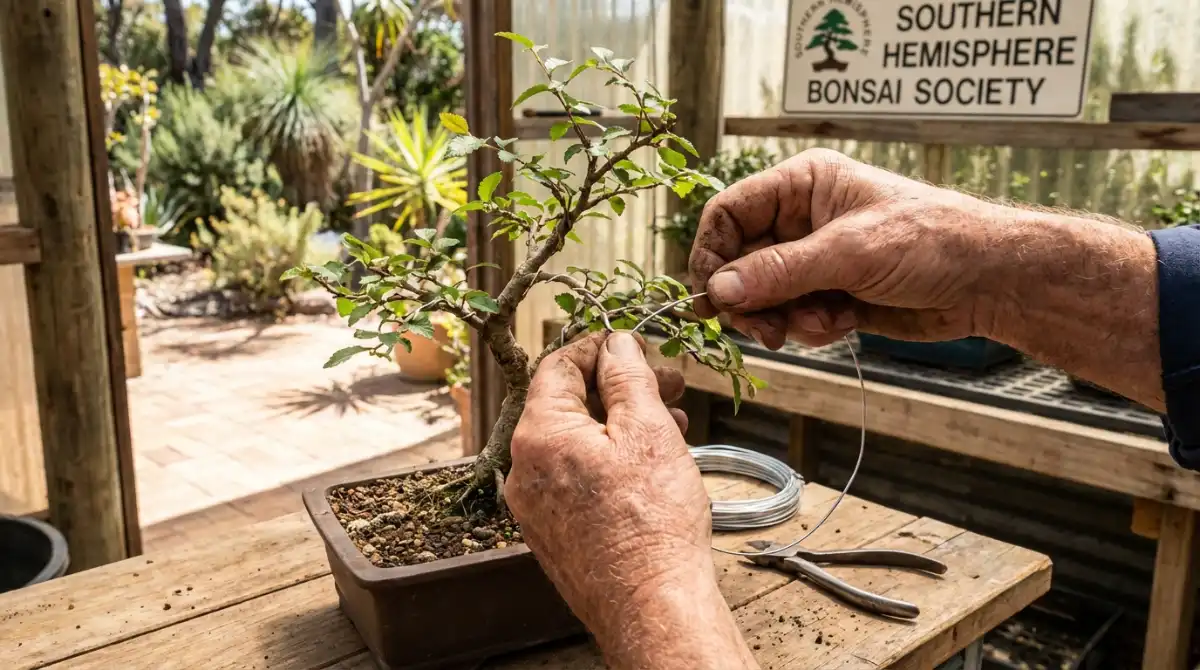
Start by anchoring the wire securely to the trunk or a stronger branch. Wrap the wire at a 45-degree angle, making sure the coils are evenly spaced and snug against the branch, but not so tight that they cut into the bark. Apply the wire in pairs for primary branches to provide better leverage and avoid stress points. Always aim to wire with a consistent tension, guiding the branch gently into its new position as you go.
3. Shaping and Adjusting
Once wired, you can gently bend the branch into its desired position. Always support the base of the branch with one hand while bending with the other to prevent breakage. Remember that the wire holds the branch in place, but the tree’s natural growth will eventually make the new shape permanent. Avoid extreme bends that could split the wood.
4. Monitoring and Wire Removal
Regularly inspect wired branches for signs of the wire cutting into the bark, especially during periods of vigorous growth. If the wire begins to mark the bark, it must be removed immediately by cutting it off in small sections with wire cutters, never by unwrapping it. The wire typically stays on for a few months to a year, depending on the species and growth rate, until the branch holds its new shape.
Repotting and Root Pruning Considerations for Southern Hemisphere Climates
Repotting is a critical technique that rejuvenates your bonsai, refreshing the growing medium and maintaining a healthy root system. The timing and approach are vital, especially when considering the Southern Hemisphere’s reversed seasons.
1. When to Repot Your Bonsai
For most deciduous and evergreen bonsai in Australia and New Zealand, the optimal time for repotting is during late winter to early spring (typically August to October). This period coincides with the tree’s dormancy or just as it begins to wake up, allowing it to recover quickly and put out new root growth before the heat of summer. Tropical species might have a slightly different schedule, often benefiting from repotting in the warmer months.
2. Preparing Your Tree and New Pot
Before repotting, ensure your tree is well-watered but not waterlogged. Prepare your new or cleaned old pot with drainage mesh over the holes and anchor wires if necessary. Have your chosen bonsai soil mix ready. An ideal bonsai soil mix for ANZ conditions typically includes components like akadama, pumice, lava rock, and organic matter, providing excellent drainage, aeration, and moisture retention.
3. The Repotting and Root Pruning Process
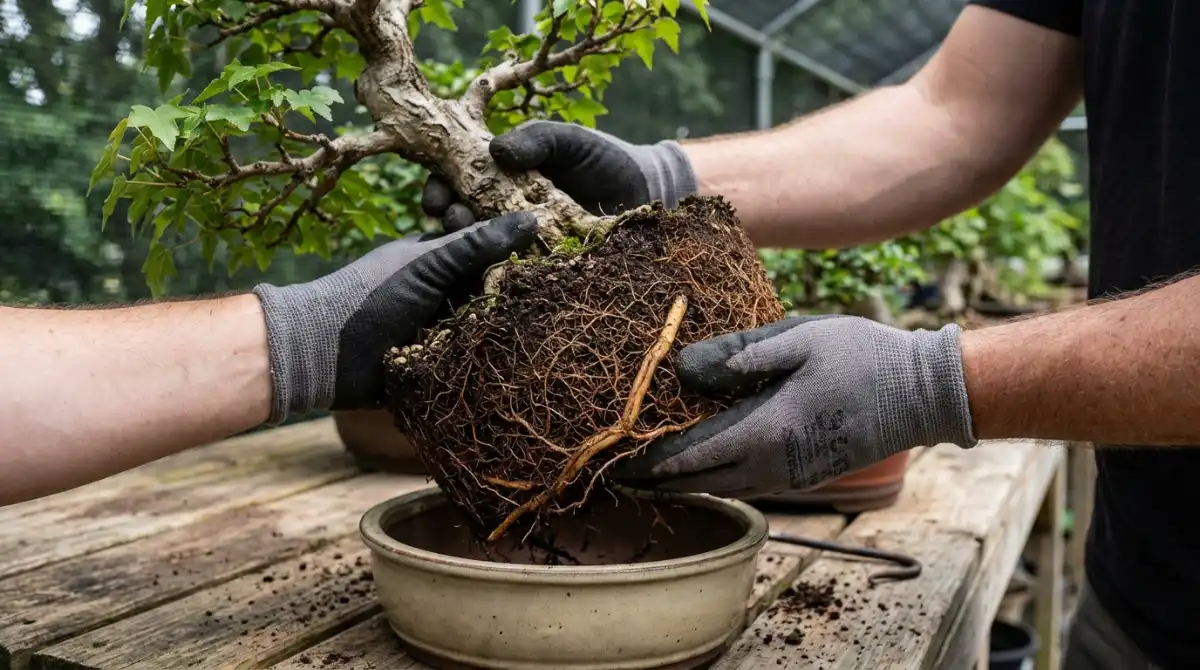
Gently remove the tree from its old pot. Using a root hook or chopstick, carefully untangle and remove old soil from the root ball, working from the outside in. Inspect the roots and prune away thick, circling, or damaged roots, aiming to leave a healthy, radiating fibrous root system. The amount of root pruning depends on the species and the size of the new pot, but a general rule is to remove about 20-30% of the root mass. Place the tree in the new pot, ensuring its nebari (root flare) is properly positioned, then fill with fresh soil, gently working it into all crevices with a chopstick.
4. Aftercare Post-Repotting
After repotting, water the tree thoroughly until water drains from the bottom. Place the newly repotted bonsai in a sheltered location, away from direct harsh sun and strong winds, for several weeks to allow it to recover. Avoid fertilising for at least 4-6 weeks to allow the roots to heal and establish. Monitor moisture levels carefully, as new soil drains differently.
Developing Bonsai Styles: From Classic Forms to Creative Expressions
Once you’ve mastered the core bonsai techniques Australia has to offer, you can begin to apply them to cultivate specific artistic styles. These styles are guiding principles, not rigid rules, allowing for personal interpretation and creativity. Understanding them helps in visualising the future of your tree.
- Formal Upright (Chokkan): Characterised by a perfectly straight, tapering trunk with branches starting about one-third of the way up and evenly spaced around the trunk, decreasing in length as they ascend. It conveys strength and dignity.
- Informal Upright (Moyogi): The most common style, featuring a trunk that curves gently to the left or right, often with the apex directly above the base. Branches emerge from the outside of the curves. It represents resilience and natural elegance.
- Slanting (Shakan): The trunk grows at an angle, typically around 45 degrees, with branches balancing the lean. It evokes a tree enduring strong winds or growing on a cliff edge.
- Cascade (Kengai) & Semi-Cascade (Han-Kengai): The trunk drops below the rim of the pot, mimicking trees growing over cliffs. Cascade goes well below the pot’s base, while semi-cascade only drops to the pot’s rim or slightly below. These styles are dramatic and challenging.
- Wind-Swept (Fukinagashi): All branches and the trunk appear to be swept to one side, as if constantly battered by a strong prevailing wind. It conveys a sense of struggle and survival against the elements.
- Literati (Bunjingi): This style is elegant and minimalist, with a tall, slender trunk featuring minimal branching, often only near the top. It reflects the aesthetic of classical Chinese literati paintings.
Choosing a style often depends on the natural characteristics of your plant material. Sometimes, the tree itself dictates its most harmonious style. Experimentation, combined with a deep respect for the tree’s natural tendencies, leads to the most compelling results.
Sourcing Essential Bonsai Tools and Materials in Australia & New Zealand
Access to quality tools, appropriate plant material, and suitable growing media is fundamental to successful bonsai cultivation. Fortunately, the ANZ region boasts a growing community and a range of suppliers dedicated to this art form.
- Specialised Bonsai Retailers: There are numerous dedicated bonsai nurseries and stores across Australia and New Zealand. These retailers often stock a full range of imported Japanese tools (concave cutters, wire cutters, root hooks), high-quality wiring (aluminium and copper), specific soil components (akadama, pumice, lava rock), and a wide selection of pre-bonsai stock and finished bonsai.
- Online Stores: For those in remote areas or seeking specific items, online bonsai suppliers in ANZ offer a convenient way to access tools, wire, and soil components. Many also provide starter kits and detailed guides.
- Local Nurseries and Garden Centres: While not always specialising in bonsai, many general nurseries offer suitable starter plants (e.g., Chinese Elms, Ficus, Junipers) and basic gardening tools that can be adapted. Look for plants with interesting trunks and low branches.
- Bonsai Clubs and Societies: Joining a local bonsai club is an invaluable resource. Members often share knowledge, hold workshops, and sometimes sell surplus trees, tools, or soil components. They are also excellent places to find species that thrive locally and learn region-specific bonsai techniques Australia.
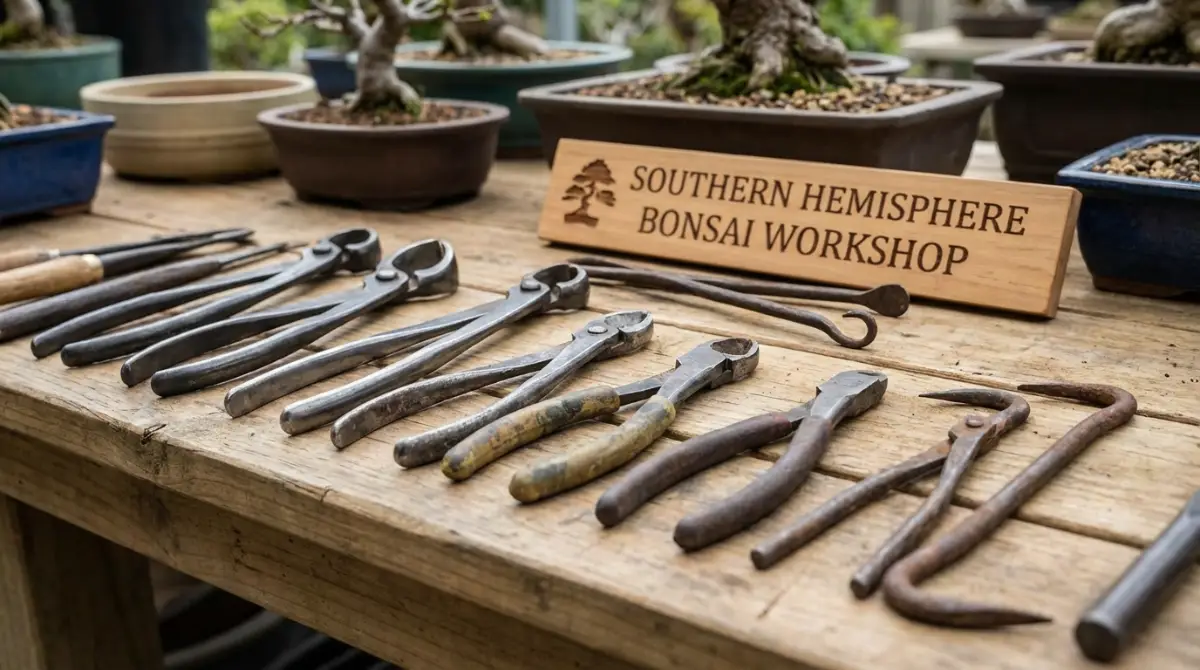
When sourcing, always prioritise quality tools. Sharp, durable instruments make the work easier and reduce stress on the tree. For soil components, ensure they are specifically graded for bonsai to guarantee proper drainage and aeration.
Your Bonsai Mastery Checklist
To ensure your bonsai journey in the Southern Hemisphere is fruitful, keep this checklist handy:
- Understand Your Species: Research native and suitable exotic trees for your local climate and their specific care requirements.
- Observe Seasons: Adjust pruning, wiring, and repotting schedules to Southern Hemisphere seasons (e.g., late winter/early spring for major work).
- Invest in Quality Tools: Sharp, clean, and appropriate tools make all the difference in precise work and tree health.
- Practice Patience: Bonsai is a long-term art form requiring dedication. Enjoy the process of gradual development.
- Join a Local Club: Learn from experienced growers, share your journey, and gain insights into local conditions and species.
- Monitor Health: Regularly check for pests, diseases, and nutrient deficiencies. Early detection is key.
- Document Progress: Take photos and notes to track your tree’s development and reflect on your techniques.
Frequently Asked Questions About Bonsai Techniques in Australia
When is the best time to repot bonsai in Australia?
In most parts of Australia, the ideal time for repotting is late winter to early spring (August to October), just before the tree enters its most vigorous growth period. This allows the roots to recover quickly and establish themselves in the new soil.
What are common beginner bonsai species suitable for Australian conditions?
Good beginner species for Australia include Ficus varieties (especially Ficus microcarpa ‘Ginseng’), Portulacaria afra (Dwarf Jade), Chinese Elm (Ulmus parvifolia), and various Australian natives like some Melaleuca or Leptospermum species, depending on your specific climate zone.
How often should I prune my bonsai in Australia?
Pruning frequency varies by species, growth rate, and desired style. Structural pruning is typically done in late winter/early spring. Maintenance pruning (trimming new growth) can be done throughout the growing season, often every few weeks, to maintain the tree’s refined shape and encourage ramification.
Can Australian native plants be used for bonsai?
Absolutely! Many Australian native plants are excellent for bonsai, offering unique textures, flowers, and resilience to local conditions. Popular choices include certain species of Grevillea, Callistemon (Bottlebrush), Melaleuca (Paperbark), and various Eucalypts. Their suitability often depends on their leaf size and growth habit.
References and Further Reading
- Australian Bonsai Clubs & Associations. (Ongoing). Various regional resources and event calendars.
- Grant, C. (2018). Bonsai for Beginners: The Essential Guide to Cultivating Miniature Trees. Rockridge Press.
- Southern Hemisphere Bonsai Societies. (Various publications). Regional growing guides and seasonal advice.
- Smith, J. (2020). The Art of Bonsai in Australia: Adapting Ancient Techniques to Native Flora. Botanical Gardens Press.