Bonsai Styling & Artistic Design: Your Ultimate Guide

bonzai.co.nz
What You’ll Learn
This bonsai styling guide introduces the core principles and techniques for transforming ordinary trees into exquisite living sculptures. You will learn about classic styles, essential shaping methods like pruning and wiring, and how to achieve artistic balance and natural beauty in your bonsai projects.
Bonsai is more than just growing small trees; it is a living art form. This practice combines horticulture with ancient aesthetic principles. It involves careful cultivation and shaping of trees and shrubs in containers. The goal is to create miniature representations of nature.
This bonsai styling guide will help you understand the foundational elements of this beautiful craft. We will explore everything from traditional styles to the hands-on techniques that bring your vision to life. Mastering bonsai requires patience, observation, and a deep appreciation for nature.
I. Understanding Classic Bonsai Styles
The art of bonsai has evolved over centuries, giving rise to several classic styles. Each style reflects a specific natural form or philosophical idea. Learning these styles provides a strong foundation for your own bonsai creations. They are not strict rules, but rather inspiring guidelines.
The Five Basic Styles
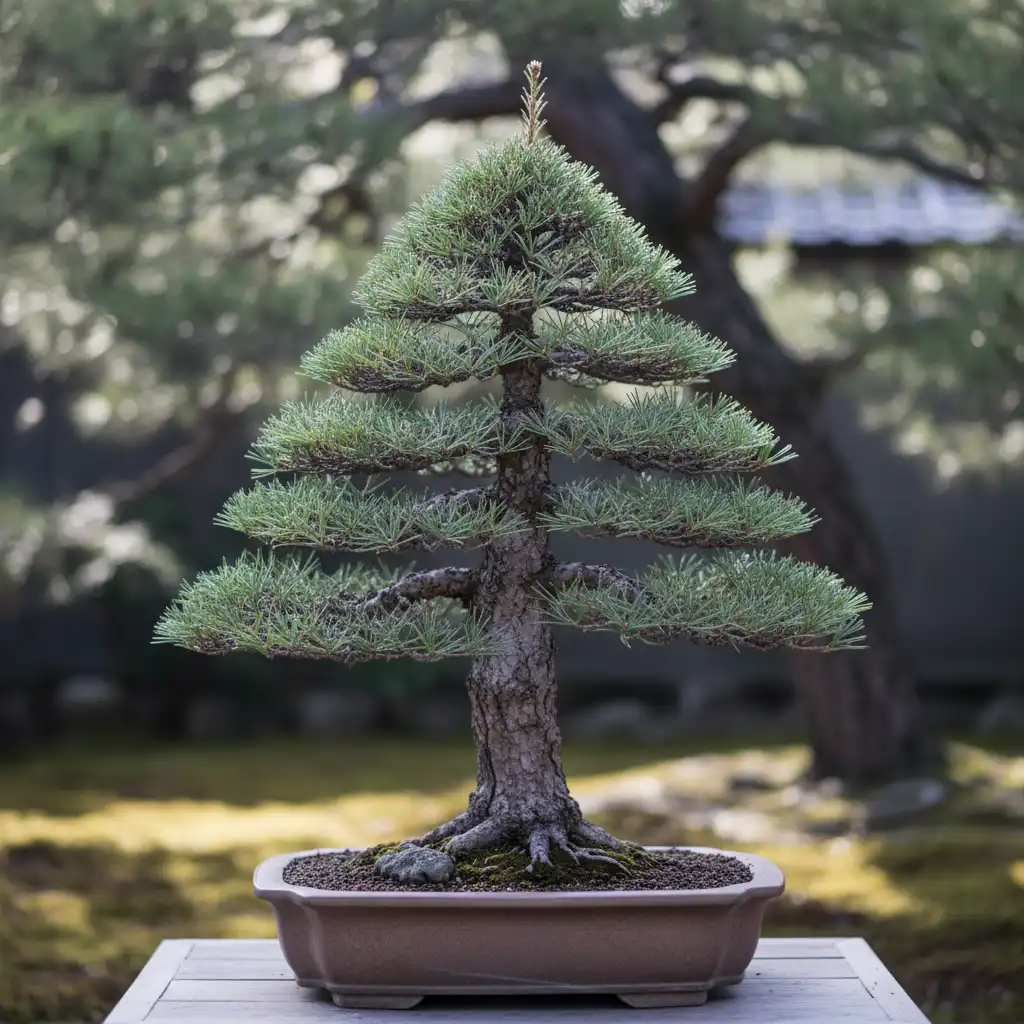
These five styles are often considered the pillars of bonsai design. They offer a starting point for beginners to understand basic tree forms.
Formal Upright (Chokkan)
This style mimics a tree growing perfectly straight and tall in ideal conditions. The trunk is straight, tapering evenly from base to apex. Branches grow outwards evenly, with the lowest branches being the longest and becoming shorter towards the top. It represents strength and dignity.
Informal Upright (Moyogi)
The Informal Upright is the most common and naturalistic style. The trunk shows gentle curves, but the apex remains directly above the base. This style suggests a tree that has faced some challenges but still reaches for the sky. It offers more movement and fluidity than the Formal Upright.
Slanting (Shakan)
A Slanting style bonsai appears to be leaning in one direction. This often suggests the tree is growing on a hillside or battling a strong wind. The trunk emerges from the soil at an angle, with branches balancing the lean. It conveys dynamism and struggle.
Semi-Cascade (Han-Kengai)
In the Semi-Cascade style, the trunk grows upright for a short distance, then cascades horizontally or slightly below the rim of the pot. The apex usually stays above the pot rim. This style often depicts trees growing near water or on a cliff face, with branches reaching downwards.
Full Cascade (Kengai)
The Full Cascade style mimics trees clinging to the side of a cliff, where the trunk and branches flow dramatically downwards, often well below the bottom of the pot. It requires a tall pot and careful training to create the illusion of a tree battling harsh conditions and gravity.

Other Inspiring Styles
Beyond the basics, many other styles capture various natural scenes and artistic expressions. These can provide endless inspiration for your bonsai styling guide journey.
Literati (Bunjingi)
The Literati style is characterized by a slender, often highly curved trunk with minimal foliage, usually only at the top. It evokes the sparse, elegant trees painted by ancient Chinese scholars. This style emphasizes artistic minimalism and strong trunk lines.
Forest (Yose-ue)
A Forest style bonsai consists of multiple trees planted in a single pot, arranged to create the illusion of a natural forest or grove. Different sizes and species can be used to add depth and realism. Careful planning is needed for proper spacing and composition.
Raft (Ikadabuki)
The Raft style depicts a tree that has fallen over, with its original trunk lying flat along the ground. New upright trunks and branches then grow from the fallen trunk. It creates a sense of rebirth and resilience, as if the tree refused to die after falling.
Wind-Swept (Fukinagashi)
This dramatic style shows a tree permanently bent and shaped by strong, prevailing winds. All branches and the trunk appear to be swept in one direction, creating a dynamic and powerful image of endurance in nature.
II. Essential Shaping Techniques
Once you understand the desired aesthetic, it’s time to learn the practical skills. Shaping bonsai involves several key techniques that guide the tree’s growth and form. These methods require patience and a gentle hand.
Pruning: The Foundation of Form
Pruning is perhaps the most crucial technique in bonsai. It controls growth, refines the tree’s silhouette, and encourages ramification (dense branching). Without proper pruning, a bonsai would quickly revert to its natural, larger size and shape.
Why Prune?
Pruning helps maintain the miniature size, creates desired shapes, promotes new growth, and improves overall health. It directs energy to specific parts of the tree, strengthening selected branches and creating a balanced canopy.
Branch Pruning
This involves cutting back branches to achieve the desired length and taper. Remove crossing branches, downward-growing branches, and those that are too thick for their position. Always use sharp, clean tools to make precise cuts that heal well. Regular maintenance pruning keeps the tree’s shape.
Root Pruning
Root pruning is done during repotting. It encourages the growth of fine feeder roots and keeps the root ball compact enough for the pot. This technique is vital for the tree’s health and its ability to absorb nutrients in a confined space.
Wiring: Guiding Growth
Wiring allows you to bend and reposition branches and even the trunk into specific artistic forms. It’s a fundamental part of a comprehensive bonsai styling guide, offering precise control over the tree’s structure.
Types of Wire
Most commonly, anodized aluminum or annealed copper wire is used. Aluminum is softer and easier to work with, while copper holds its shape better and is often preferred for conifers. Choose a wire thickness that is about one-third the thickness of the branch you are wiring.
How to Apply Wire
Wrap the wire at a 45-degree angle, snugly but not tightly, around the branch. Anchor one end of the wire by wrapping it around the trunk or a stronger branch. Use your thumbs to gently bend the branch into position. Never force a bend that feels like it will snap the branch.
When to Remove Wire
Wires should be removed before they bite into the bark, which can leave unsightly scars. This usually means removing them after a few months to a year, depending on the species and growth rate. Carefully unwrap the wire to avoid damaging the tree.
Repotting and Soil Management
Repotting is essential for refreshing the soil, which can deplete nutrients and become compacted over time. It also allows for root pruning, promoting a healthy root system.
Importance of Repotting
Repotting every 1-5 years (depending on the tree’s age and species) prevents the tree from becoming root-bound. It ensures the roots have access to fresh nutrients, oxygen, and proper drainage, which are critical for the overall health of the bonsai.
Choosing the Right Soil
Bonsai soil is not typical garden soil. It’s a specific mix designed for excellent drainage and aeration, while still retaining some moisture. Common components include akadama, pumice, lava rock, and organic matter. The exact mix varies by species and climate. For more detailed information on specific soil requirements, you can check out resources like Wikipedia on Bonsai soil.
III. Principles of Artistic Composition
Beyond technical skills, bonsai artistry involves understanding aesthetic principles. This allows you to create a miniature tree that evokes emotion and appears natural. Every element contributes to the overall visual harmony.

Balance and Proportion
A well-styled bonsai should feel balanced, both visually and physically. Proportion refers to the harmonious relationship between different parts of the tree, like the trunk, branches, and pot. The eye should perceive a natural reduction in size from the base to the top.
Trunk Taper
The trunk should gradually narrow from the base (nebari) to the apex. This natural taper creates a sense of age and stability. Without good taper, a bonsai can look artificial or like a stick with branches.
Branch Placement
Branches should be placed strategically to create depth and volume. Avoid branches that directly oppose each other or appear to be ‘spokes’ on a wheel. The first branch usually emerges around one-third of the way up the trunk. Branches should decrease in size and length as they ascend the tree.
Creating Depth and Movement
A truly captivating bonsai isn’t flat; it has depth and suggests movement. This is achieved by thoughtful branch arrangement and trunk design.
Front and Back Branches
Having branches that extend towards the viewer and others that recede creates a three-dimensional effect. This depth makes the tree feel more real and inviting. Consider how light and shadow will play on these elements.
Curvature and Flow
Whether it’s the gentle curves of an Informal Upright or the dramatic sweep of a Cascade, movement in the trunk and branches adds life. Avoid stiff, unnatural lines. The eye should flow smoothly from one part of the tree to another, guiding the viewer through its form.
The Importance of Nebari and Apex
Two critical elements define the tree’s character and overall health, often overlooked by beginners in their early attempts at a bonsai styling guide.
Nebari (Surface Roots)
Nebari are the surface roots that radiate outwards from the base of the trunk. Good nebari create a strong, stable impression, anchoring the tree to the ground (or pot) and suggesting maturity. They are crucial for a convincing illusion of an ancient, natural tree.
Apex (Tree Top)
The apex is the highest point of the tree. It should complete the tree’s silhouette and create a sense of direction or ambition. A well-formed apex should be compact and tapered, providing a fitting crown for your bonsai.
Patience and Vision in Bonsai
Bonsai is a journey, not a destination. It takes many years, sometimes decades, to develop a truly magnificent bonsai. Cultivating patience is as important as learning the techniques. Each tree has its own character and will guide you in its development. Start with a clear vision, but be flexible.
Continuously observe your tree, responding to its growth and making small, informed adjustments over time. This ongoing relationship between artist and tree is at the heart of bonsai. Enjoy the process of creation and cultivation.
Conclusion
The art of bonsai styling is a rewarding endeavor that combines horticultural skill with artistic expression. By understanding classic styles, mastering essential techniques like pruning and wiring, and applying principles of artistic composition, you can create stunning living works of art. This comprehensive bonsai styling guide provides a strong foundation for your journey. Remember that every cut, every wire, and every decision contributes to the overall beauty and health of your miniature tree. Embrace the journey and enjoy the endless possibilities.