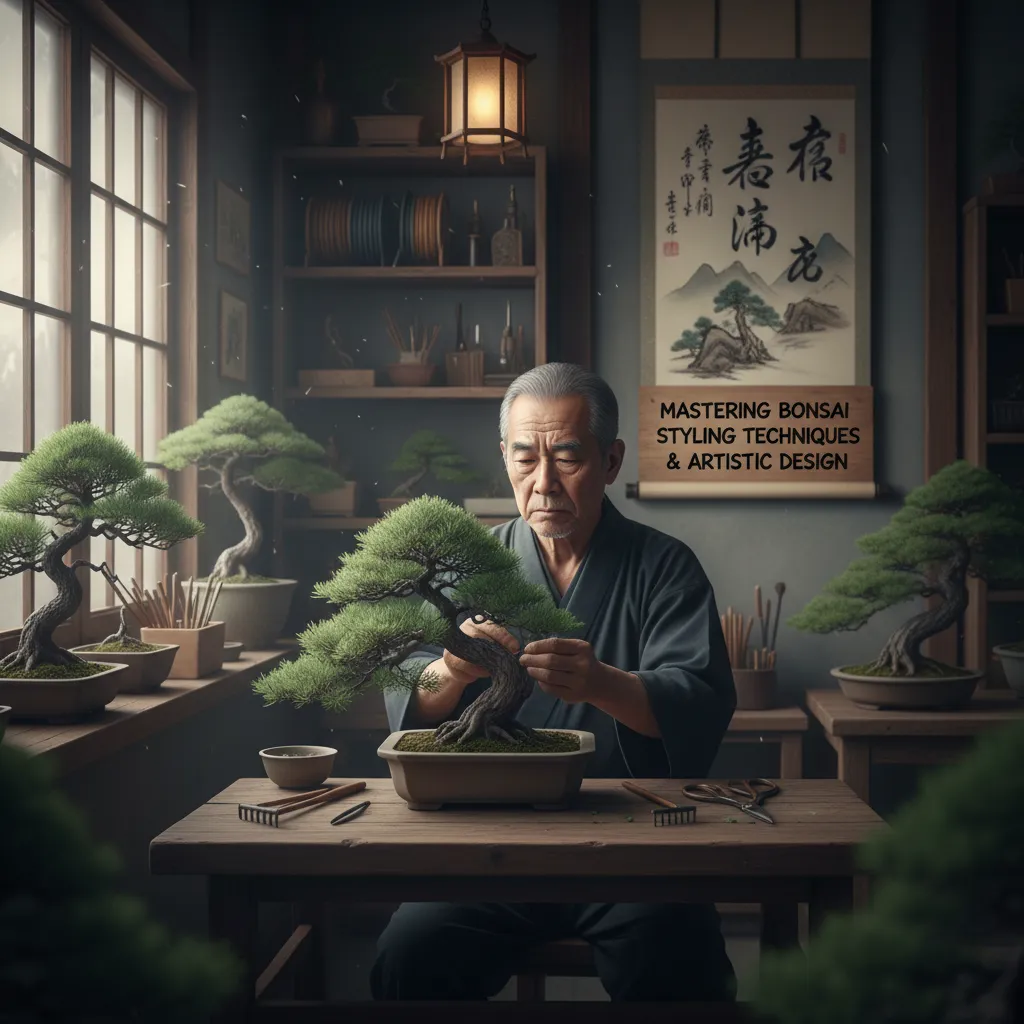
Mastering Bonsai Styling Techniques & Artistic Design
bonzai.co.nz
What You’ll Learn
Bonsai styling techniques involve the precise art of shaping miniature trees to mimic aged, full-sized trees found in nature. This practice combines horticultural skill with artistic vision, using methods like pruning, wiring, and repotting to guide the tree’s growth and create a harmonious, aesthetically pleasing design.
Bonsai is more than just growing a tree in a pot; it is an ancient art form that transforms ordinary plants into living sculptures. The journey into bonsai styling techniques requires patience, creativity, and a deep understanding of horticultural principles. By learning these methods, you can guide the development of your miniature tree to reflect the grandeur of nature.
This guide will help you understand the core elements needed for successful bonsai styling and design. We will cover everything from basic pruning to advanced artistic concepts, ensuring your bonsai thrives and impresses.
Table of Contents
Fundamental Styling Principles
Before diving into specific actions, it is vital to grasp the foundational principles that dictate a bonsai’s aesthetic appeal. These principles ensure your tree looks natural and balanced, even in miniature form. Applying sound bonsai styling techniques starts with these basics.
Understanding Bonsai Aesthetics
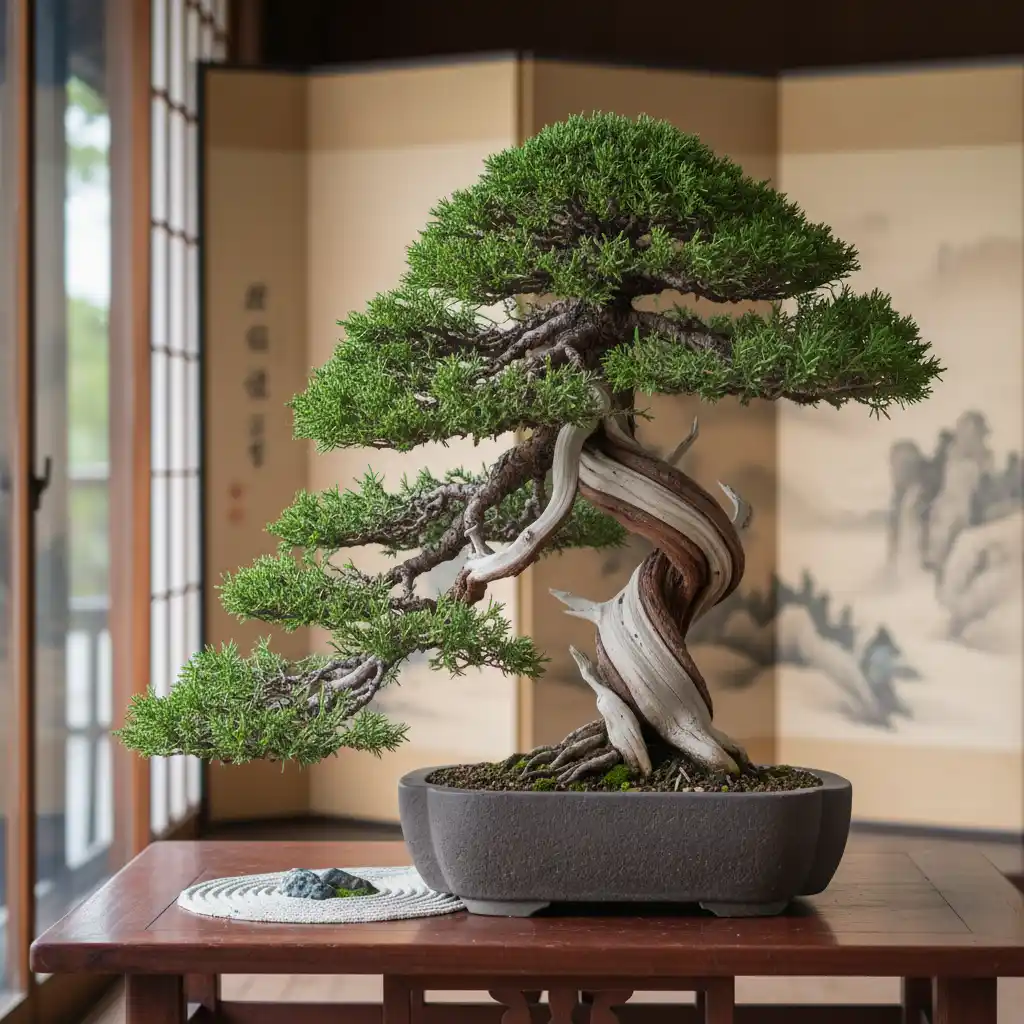
The beauty of bonsai lies in its ability to evoke a sense of age and natural grandeur. Key aesthetic principles include proportion, where all parts of the tree (trunk, branches, leaves) relate harmoniously; balance, ensuring visual stability; and harmony, where all elements work together seamlessly. Asymmetry is also crucial, as truly natural trees are rarely perfectly symmetrical. These elements are key to developing a holistic understanding of bonsai art.
Consider the overall silhouette, the flow of the trunk, and the arrangement of branches. Each decision impacts the tree’s final appearance and its connection to natural landscapes, influencing the artistic display aspects of bonsai. These elements form the backbone of effective bonsai styling techniques.
Basic Pruning Techniques
Pruning is perhaps the most fundamental of all bonsai styling techniques. It involves carefully cutting branches, shoots, and roots to control growth, refine shape, and maintain health. There are two main types: structural pruning and maintenance pruning. Proper pruning encourages denser foliage and healthier growth, which is critical for the tree’s long-term vitality.
Structural pruning removes larger branches to define the tree’s primary shape, often over several seasons. Maintenance pruning, on the other hand, is a continuous process of trimming new growth to maintain the established design and promote ramification (fine branching). Always use sharp, clean tools to ensure clean cuts and quick healing, preventing disease and unsightly scars. This consistent care also forms part of comprehensive seasonal care guides for bonsai.
The Art of Wiring
Wiring allows you to gently bend and reposition branches and even the trunk of your bonsai. Anodized aluminum or annealed copper wire is carefully wrapped around a branch, then bent into the desired position. The wire is left on for several months until the branch holds its new shape, typically for a single growing season.
Proper wiring is a delicate skill. Apply wire firmly but without cutting into the bark. Monitor your tree regularly to prevent wire marks, which can scar the bark permanently and detract from the artistic display. Remove wire promptly when the branch is set. Learning effective wiring is key to advanced bonsai styling techniques and species-specific considerations.
Ramification and Branch Placement
Ramification refers to the development of fine, intricate branching that creates a dense, mature-looking canopy. This is achieved through consistent maintenance pruning, which encourages new shoots to sprout further back along the branches. Proper branch placement also enhances the tree’s overall structure and visual appeal.
Branches should be spaced to avoid crossing and to allow light and air to penetrate the interior foliage, crucial for health and even growth. Aim for a layered effect, with larger branches at the bottom and progressively smaller ones towards the apex. This creates depth and realism, mimicking mature trees in nature, and is a key part of the artistic display of bonsai.
Advanced Design Techniques
Once you’ve mastered the basics, you can explore more sophisticated bonsai styling techniques that push the boundaries of artistic expression. These methods allow for greater creativity and the development of truly unique trees, embodying the spirit of bonsai art.
Exploring Classic Bonsai Styles
There are many traditional bonsai styles, each with specific characteristics that mimic trees in different natural environments. These styles have deep historical and cultural roots, reflecting centuries of artistic refinement. Popular styles include Formal Upright (Chokkan), a straight trunk with balanced branches; Informal Upright (Moyogi), a gently curving trunk; and Slanting (Shakan), where the trunk leans dramatically.
More complex styles include Cascade (Kengai), where the tree descends below the pot rim; Semi-Cascade (Han-Kengai), which extends just below the rim; Forest (Yose-ue), multiple trees in one pot; and Raft (Ikadabuki), a single tree trunk appearing as several trees. The Literati (Bunjingi) style emphasizes a sparse, elegant form, often evoking a sense of ancient wisdom. Understanding these styles provides a framework for your own artistic endeavors and allows for species-specific content clusters.
Learn more about the history and different styles of bonsai on Wikipedia.
Deadwood Techniques: Jin and Shari
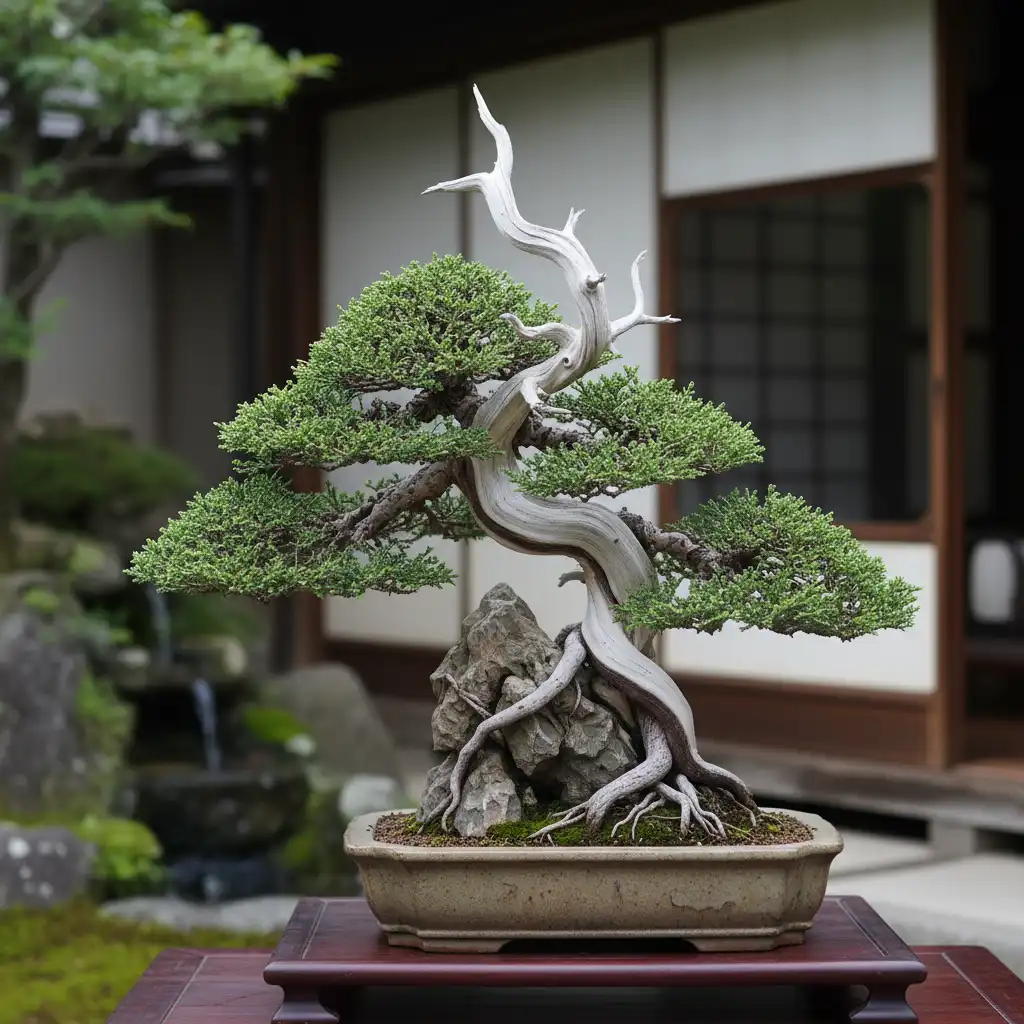
Deadwood techniques like Jin and Shari add an ancient, weathered appearance to your bonsai, simulating the effects of harsh natural elements. Jin involves stripping bark from a branch, leaving the bleached wood exposed, often seen on trees that have endured difficult conditions. Shari is the stripping of bark from a portion of the trunk, exposing the underlying wood, creating a striking contrast with the living tissue.
These techniques require careful execution to ensure the health of the living parts of the tree. Applying lime sulfur to the exposed wood helps preserve it and gives it a characteristic white, aged look, enhancing the environmental resilience theme. These advanced bonsai styling techniques are used to convey great age, resilience, and a deep connection to nature’s struggles and triumphs, adding significant artistic value.
Root Over Rock and Exposed Root Styles
The Root Over Rock style involves growing a tree whose roots cling tightly over a rock, creating a powerful image of nature’s tenacity and survival. The roots eventually grow into the soil around the rock, securing the tree and forming a single, harmonious unit. This style highlights the tree’s struggle and adaptation.
Exposed Root style (Neagari) emphasizes the dramatic, gnarled roots that rise above the soil line, giving the impression of an old tree whose roots have been exposed by erosion. Both styles demand meticulous care and long-term planning for their development, showcasing impressive artistic display and environmental resilience.
Developing a Unique Artistic Vision
While classic styles provide guidance, the ultimate goal in bonsai is to develop your own artistic vision. This means observing nature, understanding your tree species’ natural tendencies, and letting your creativity flow within established aesthetic principles. It involves long-term planning, visualizing the tree’s future form, and making incremental changes over years, embracing the holistic understanding of bonsai.
Each tree has a story to tell, and through dedicated application of bonsai styling techniques, you become the storyteller. This personal expression is what makes bonsai truly rewarding, a continuous journey into the heart of living art.
Essential Tools for Shaping Bonsai
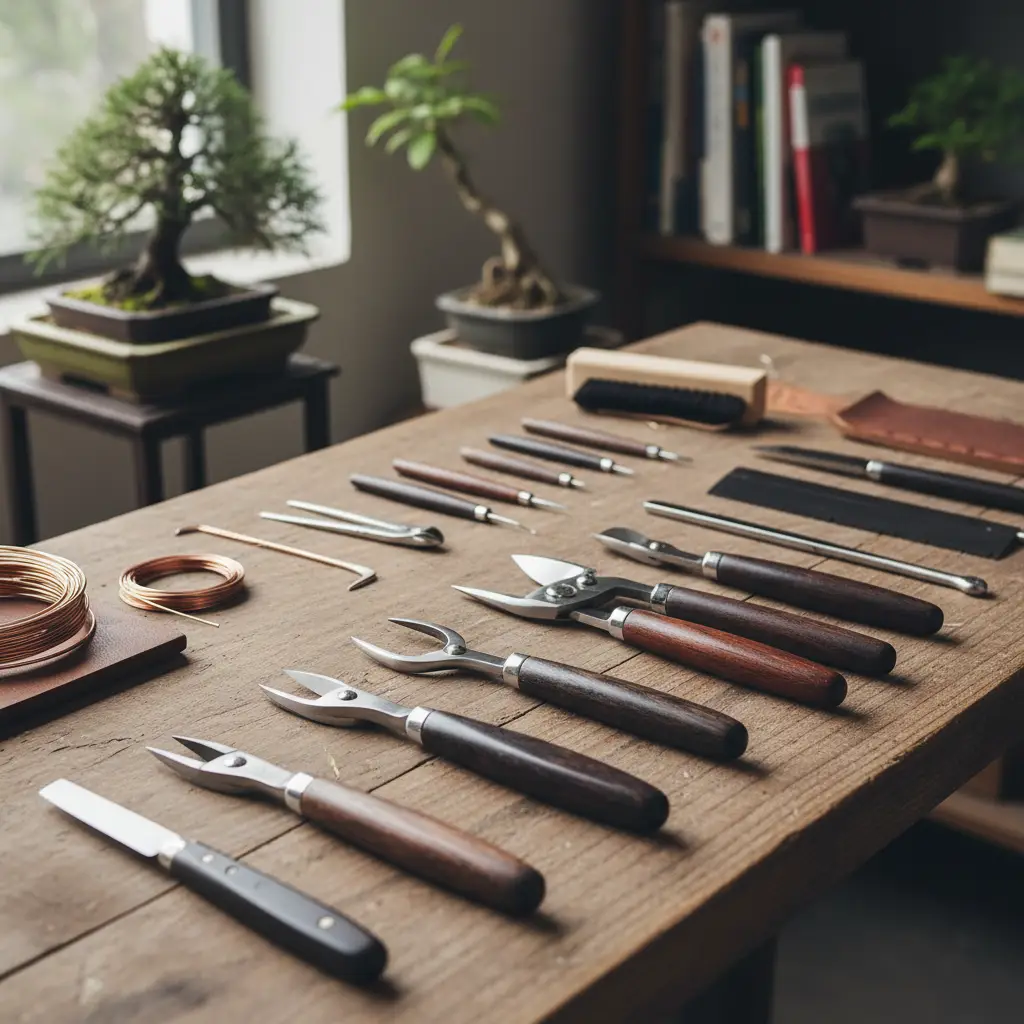
Having the right tools is crucial for effective and safe bonsai styling. Quality tools not only make the work easier but also ensure clean cuts and minimal damage to your precious trees. Investing in good equipment is part of the commitment to mastering bonsai styling techniques and ensuring the longevity of your artistic creations.
Pruning Shears and Concave Cutters
Bonsai pruning shears are sharp, precise tools used for cutting small branches, twigs, and leaves. They are essential for maintenance pruning and refining the tree’s silhouette. Their fine tips allow for delicate work. For larger cuts, concave cutters are indispensable as they create a hollowed-out wound that heals flush with the trunk or branch, leaving minimal scarring and maintaining the tree’s natural appearance.
Always keep your cutting tools sharp and clean to prevent tearing the bark and minimize the risk of disease. Proper tool maintenance is a key part of comprehensive seasonal care and contributes to the overall health and artistic display of your bonsai.
Wire Cutters and Pliers
Bonsai wire cutters are specifically designed to safely remove wiring without damaging the bark. Their blunt tips prevent accidental nicks to branches, which can easily scar developing wood. Regular pliers or side cutters can easily damage the tree if not used carefully, so specialized tools are highly recommended for precision and protection.
Branch bending pliers or knob cutters can also be useful for removing stubs and refining the shape of branches, ensuring that the tree’s design is flawless and aesthetically pleasing. These tools allow for precise adjustments, enhancing the artistic vision.
Soil Scoops and Root Hooks
When repotting, soil scoops help precisely place new soil around the roots, ensuring good aeration and drainage. Root hooks are essential for untangling and spreading out the root system during repotting, promoting healthy root development and preventing root rot. These are crucial elements of seasonal care, particularly in spring.
Healthy roots are the foundation of a healthy bonsai, making these tools just as important as those used for above-ground styling. Good root management supports all bonsai styling techniques and ensures the tree’s vitality and long-term beauty.
Choosing the Right Wire
As mentioned, anodized aluminum wire and annealed copper wire are the two primary types used in bonsai styling. Aluminum is softer, easier to apply, and suitable for beginners or softer-wooded species. Copper, being stronger, holds its shape better and is often preferred for older, harder-wooded trees and advanced work due to its superior holding power.
Always choose the correct gauge of wire for the branch you are shaping. The wire should be strong enough to hold the branch in place but not so thick that it damages the bark. Proper selection is critical for successful wiring and effective bonsai styling techniques, tailored to the specific needs of each tree.
Mastering bonsai styling techniques is a lifelong journey of learning and discovery. Each cut, each wire application, and each repotting contributes to the ongoing creation of a living masterpiece. By patiently applying these principles and embracing continuous learning, your bonsai will evolve into a stunning testament to your dedication and artistic vision, embodying a holistic understanding of this ancient art.
Remember that the true beauty of bonsai lies not just in the final form, but in the intimate connection you forge with nature through this incredible art. Enjoy the process and the environmental resilience your tree represents!