Bonsai Styling & Aesthetics: Mastering Bonsai Styling Techniques
Dive into the intricate world of bonsai where art meets nature. This guide explores essential bonsai styling techniques, helping you cultivate miniature trees that embody grace and wisdom. Discover how to shape, prune, and nurture your bonsai to perfection, creating living sculptures that tell a story.
Bonsai styling is an ancient horticultural art form focused on creating miniature, aesthetically pleasing trees that evoke natural landscapes. It involves techniques like wiring, pruning, and shaping to achieve balance, proportion, and the illusion of age, transforming a sapling into a living work of art.
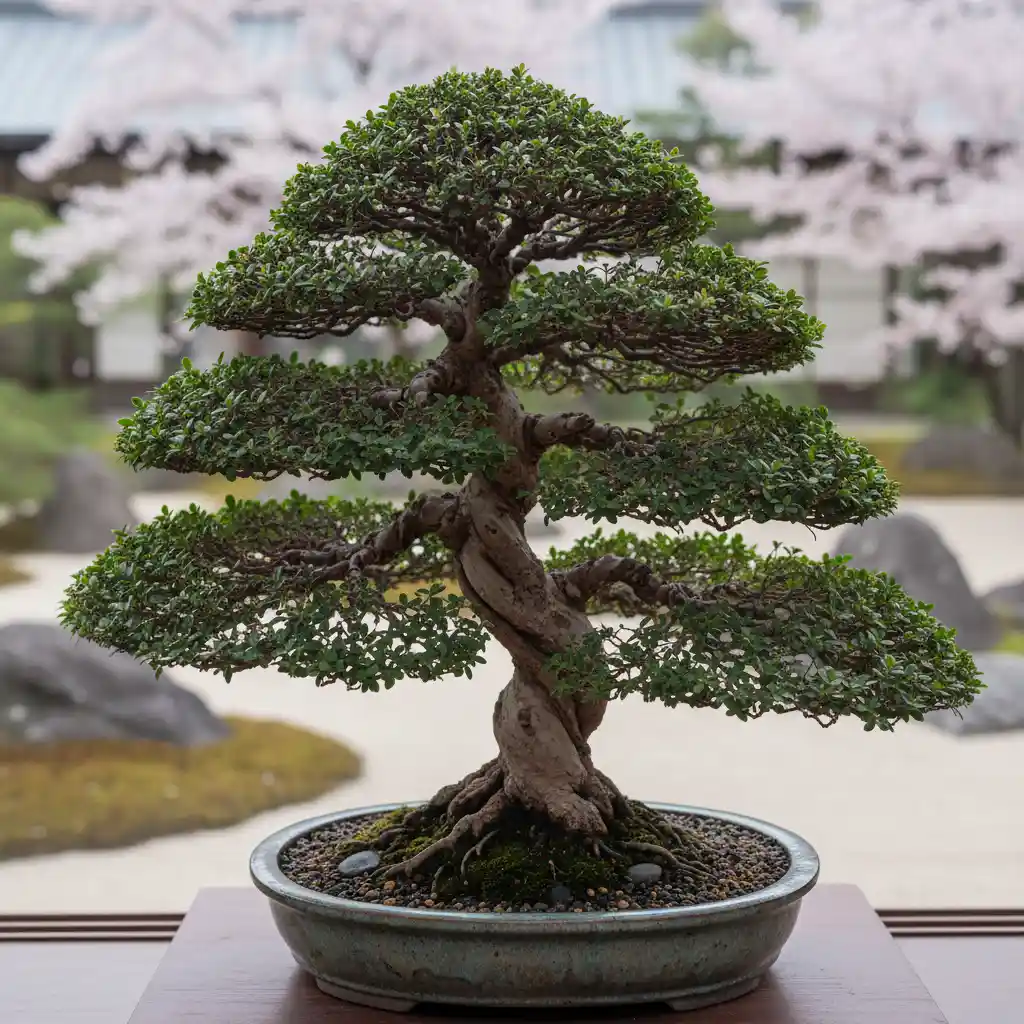
Bonsai is more than just growing a tree in a pot; it is an ancient horticultural art form. It combines elements of horticulture, art, and philosophy. The goal is to create a miniature representation of a mature tree in nature. This requires patience, keen observation, and the application of specific styling methods.
Through careful guidance, anyone can learn to transform a simple sapling into a stunning bonsai masterpiece. It’s a journey of continuous learning and artistic expression.
Understanding the Art of Bonsai Styling
Before diving into specific methods, it’s crucial to grasp the underlying principles. Bonsai styling is about creating an illusion of age and grandeur. It focuses on balance, proportion, and creating a natural appearance. Every cut, every wire application, contributes to this vision.
The practice requires a deep respect for the tree and an understanding of its growth patterns. It’s about working with nature, not against it.
The Philosophy Behind Bonsai
Bonsai artistry is deeply rooted in Japanese aesthetics, emphasizing wabi-sabi—the beauty of imperfection, impermanence, and incompleteness. It encourages appreciation for natural processes and the passage of time. Each tree tells a story of survival and resilience.
This philosophy guides the styling process, pushing artists to create naturalistic designs. It’s not about making a perfect tree, but a tree that evokes natural beauty.
Essential Tools for Styling
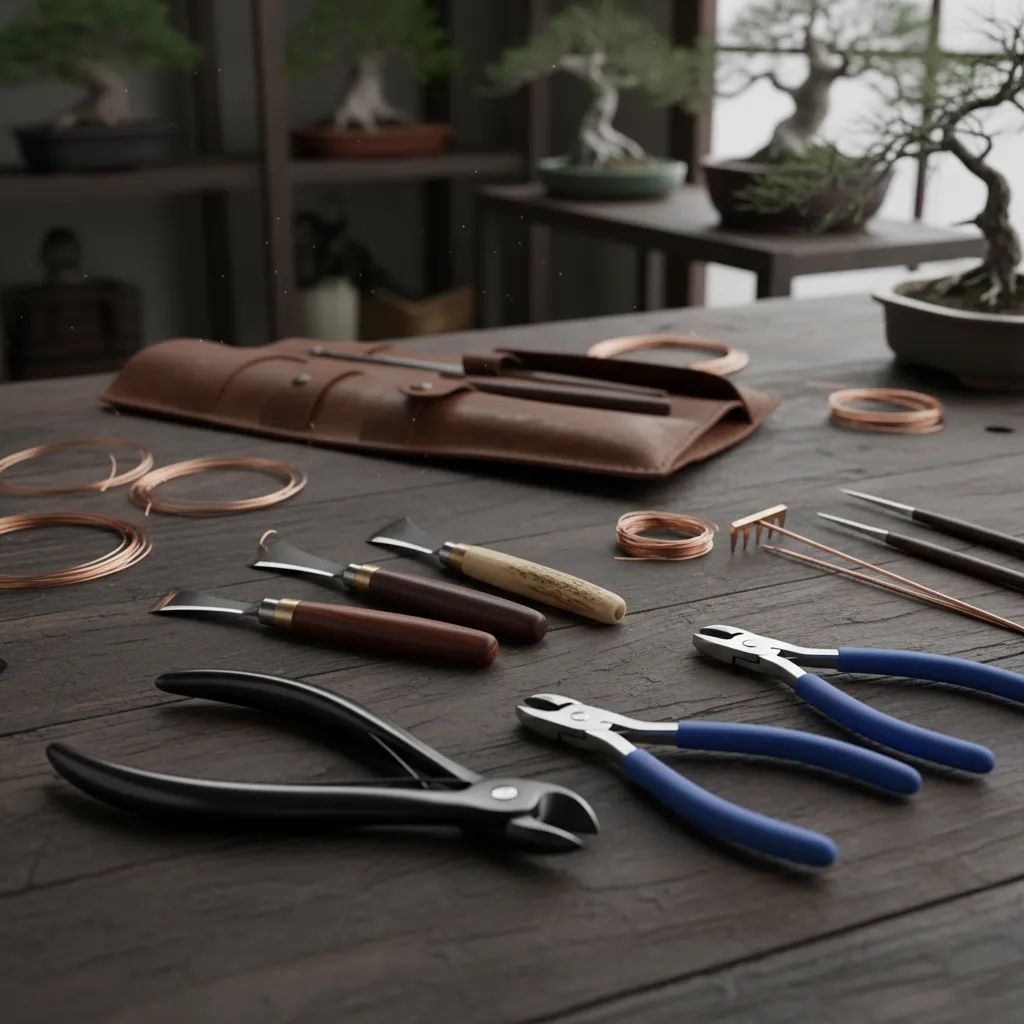
Having the right tools is key to successful bonsai work. High-quality tools ensure clean cuts and precise shaping, which is vital for the tree’s health and aesthetic. Essential items include concave cutters, wire cutters, grafting knives, and fine-point tweezers.
Investing in good tools will make your styling journey much more enjoyable and effective. Always keep your tools sharp and clean.
Mastering Bonsai Wiring Techniques
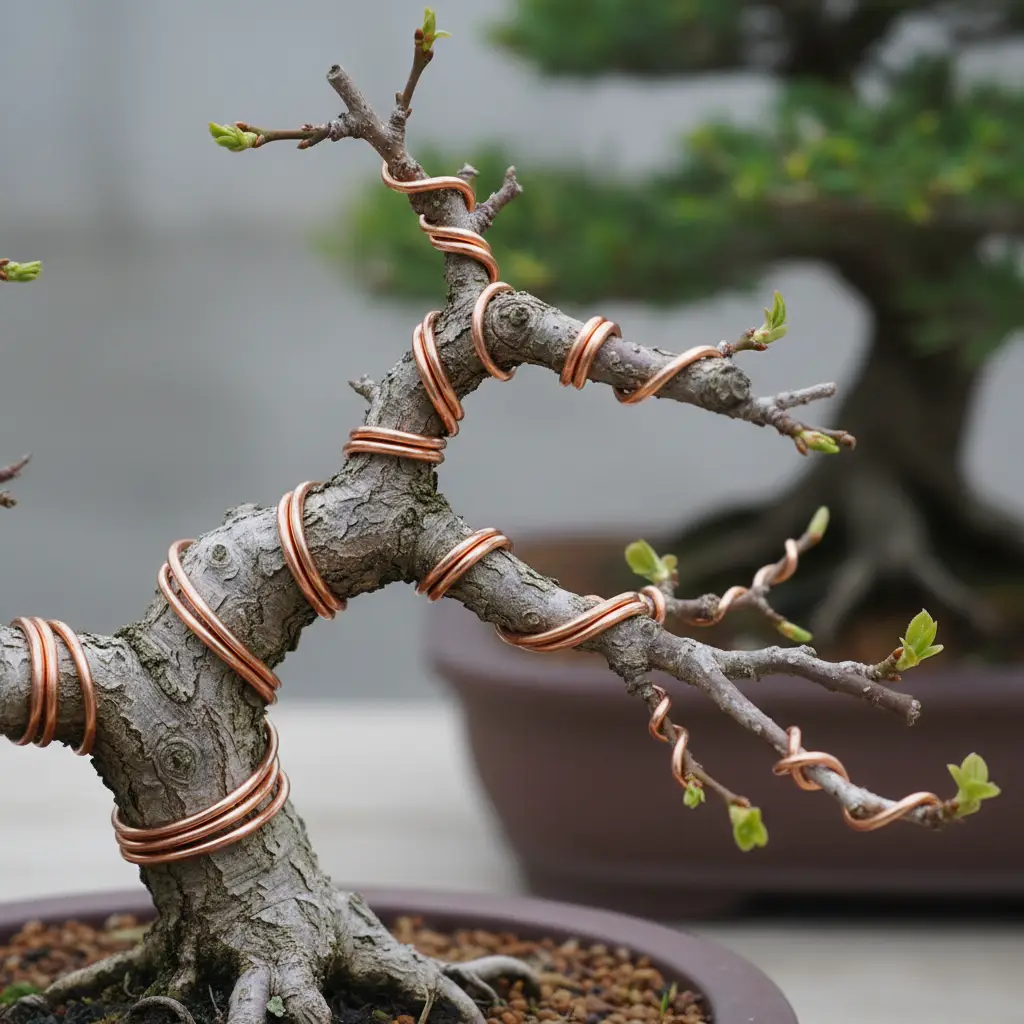
Wiring is one of the most fundamental bonsai styling techniques. It allows you to bend and reposition branches and trunks, guiding the tree into its desired shape. This method provides immediate results, unlike pruning which takes time for growth to show.
Proper wiring is crucial; incorrect application can damage the tree. Always use the right gauge of wire and apply it with care.
Why We Wire Bonsai Trees
Trees naturally grow towards light. In a pot, their growth can become unruly or unbalanced. Wiring helps to redirect branches, create elegant curves, and establish the overall silhouette. It’s how artists achieve the dramatic forms seen in classic bonsai.
This technique enables artists to emulate the effects of wind, snow, and time on full-sized trees. It gives the bonsai its unique character and story.
Step-by-Step Wiring Guide
Applying wire correctly is a skill developed over time. Here’s a basic guide to get you started:
- Select the Right Wire: Choose anodized aluminum or annealed copper wire. The wire should be about 1/3 to 1/2 the thickness of the branch you intend to bend.
- Anchor the Wire: Start by anchoring the wire securely around the trunk or a stronger branch. This provides leverage for bending.
- Wrap at a 45-Degree Angle: Wrap the wire around the branch at a consistent 45-degree angle. Ensure the wraps are snug but not too tight to avoid cutting into the bark.
- Bend Gently: Once wired, gently bend the branch into the desired position. Use your thumbs to support the branch from below to prevent snapping.
- Monitor and Remove: Regularly check the wire to ensure it’s not biting into the bark as the tree grows. Remove the wire before it causes damage, typically after a few months to a year.
Patience is key during wiring. Rushing can damage your tree. Always prioritize the tree’s health.
Wire Removal and Aftercare
Removing wire requires as much care as applying it. Never unwind the wire; instead, cut it off in small sections using wire cutters. This prevents accidentally tearing bark or snapping branches that have ‘set’ in their new position.
After removal, continue to monitor the tree. The branches will hold their new shape, but new growth will need to be managed. This ongoing care is part of the bonsai journey. You can learn more about bonsai care from Wikipedia.
Precision Pruning for Desired Shape
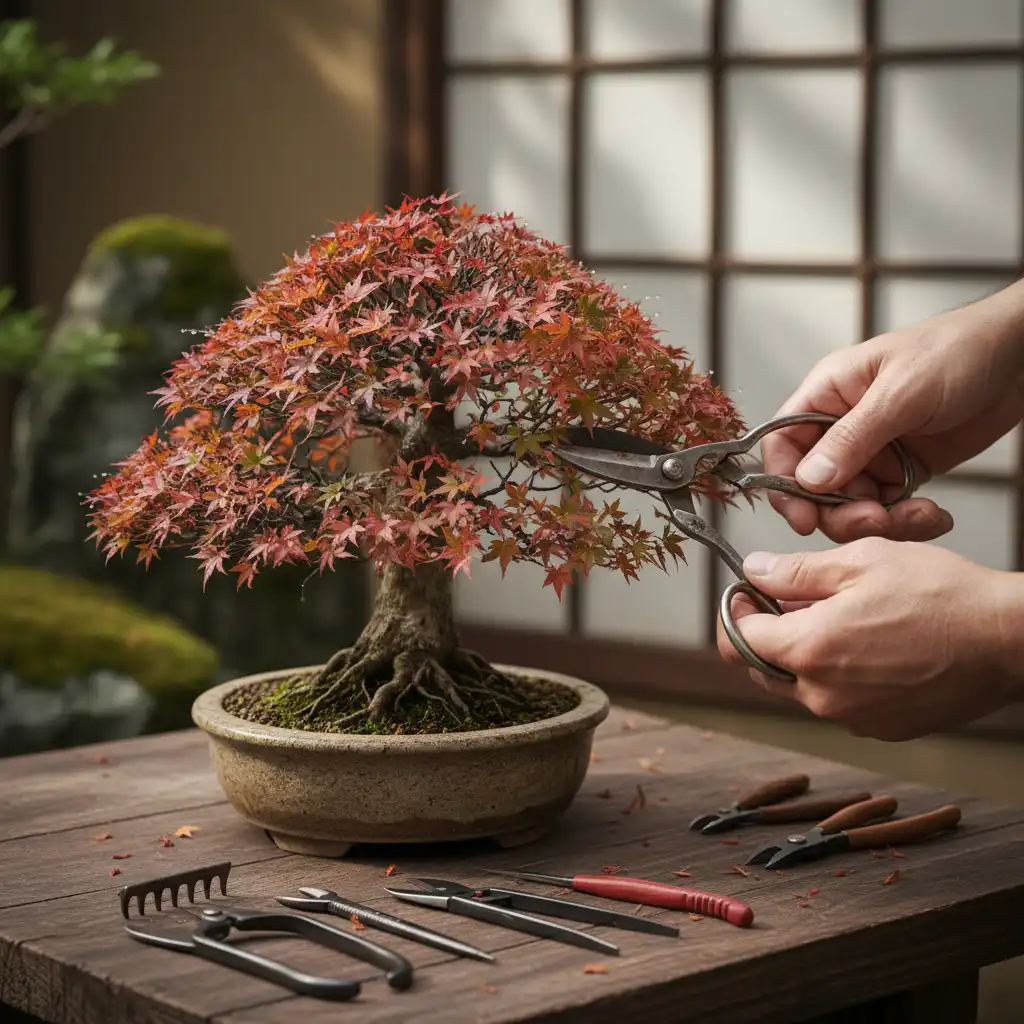
Pruning is another cornerstone of bonsai styling techniques. While wiring positions branches, pruning controls growth, promotes ramification (fine branching), and defines the tree’s overall structure and density. It’s a continuous process that changes with the seasons and the tree’s development.
Effective pruning ensures health, maintains scale, and enhances the aesthetic appeal of your bonsai.
Structural Pruning vs. Maintenance Pruning
There are two main types of pruning: structural and maintenance. Structural pruning involves making larger cuts to establish the main shape of the tree, removing unwanted branches or trunk sections. This is often done less frequently.
Maintenance pruning, on the other hand, involves smaller, more frequent cuts to control growth, refine the shape, and encourage back-budding. It keeps the tree in its desired form and size.
Techniques for Branch Development
To develop a strong, visually appealing branch structure, consider these techniques:
- Cut Back to a Bud: Always cut just above an outward-facing bud to encourage growth in the desired direction.
- Remove Crossing or Inward Branches: These detract from the tree’s beauty and can impede air circulation.
- Decandling: Specific to pines, this involves removing new candles of growth to promote secondary budding and finer needles.
- Branch Selection: Decide which branches will form the primary structure, removing others for balance and proportion.
Each cut has an impact. Take your time, step back often, and visualize the tree’s future form.
The Importance of Defoliation
Defoliation, the removal of some or all leaves, is a powerful technique for certain deciduous and broadleaf evergreens. It encourages smaller leaf size, promotes back-budding, and can aid in overall ramification. It should only be performed on healthy, vigorous trees.
This process stresses the tree slightly, forcing it to produce new, often smaller, leaves. It’s an advanced technique that can significantly enhance a bonsai’s aesthetic.
Developing Your Aesthetic Vision
Beyond the physical techniques, developing an aesthetic vision is paramount. This involves understanding traditional styles, but also finding your own voice. A great bonsai isn’t just well-shaped; it evokes emotion and tells a story.
Cultivating this vision takes time, observation, and inspiration from nature itself.
Classic Bonsai Styles
Traditional bonsai styles provide a framework for design. These include:
- Formal Upright (Chokkan): A straight, tapering trunk with branches evenly spaced.
- Informal Upright (Moyogi): A trunk with gentle curves, maintaining an overall upright form.
- Slanting (Shakan): The trunk leans significantly to one side, suggesting wind exposure.
- Cascade (Kengai): The trunk and branches fall below the rim of the pot, mimicking trees on cliffs.
- Semi-Cascade (Han-Kengai): Similar to cascade, but the foliage doesn’t drop below the pot’s base.
- Wind-Swept (Fukinagashi): All branches point in one direction, as if constantly exposed to strong winds.
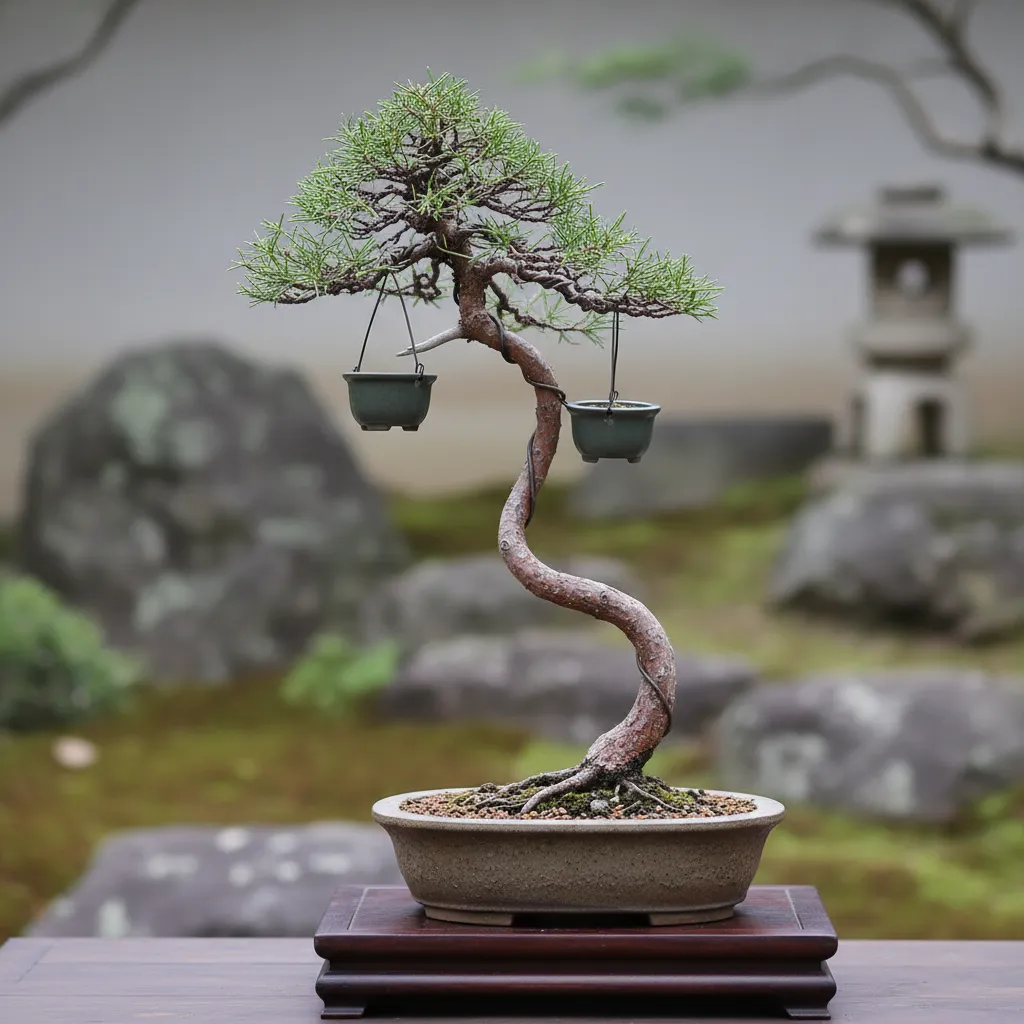
- Literati (Bunjingi): Characterized by a tall, slender, often contorted trunk with minimal branching, conveying elegance and struggle.
These styles serve as a starting point, but personal interpretation is always encouraged.
Creating Depth and Movement
A compelling bonsai possesses depth and movement. Depth is achieved through strategic placement of branches, creating foreground, mid-ground, and background elements. Movement is conveyed through the natural flow of the trunk and branches, often with a sense of dynamism or serenity.
Consider the visual lines and how they draw the viewer’s eye through the composition.
Embracing Imperfection
True beauty in bonsai often lies in its imperfections, known as wabi-sabi. A gnarled trunk, a deadwood feature (jin or shari), or an asymmetrical design can add character and a sense of age.
Don’t strive for sterile perfection; instead, aim for naturalistic beauty that speaks to the soul.
Advanced Bonsai Styling Techniques
The world of bonsai is ever-evolving. As enthusiasts push boundaries, new interpretations of bonsai styling techniques emerge. Staying updated with modern trends and innovative approaches will keep your practice fresh and exciting.
Attend workshops, join online communities, and observe master artists to continually expand your knowledge.
Integrating Modern Concepts
While respecting tradition, modern bonsai artists often experiment with species, pot choices, and display methods. Integrating concepts like urban material sourcing (finding trees in landscapes), or designing for specific indoor environments, shows a forward-thinking approach.
Consider how your local environment and available resources can influence your unique styling path.
Continuous Learning and Practice
Bonsai is a journey, not a destination. Each tree, each season, presents new challenges and learning opportunities. Continual practice refines your skills, deepens your understanding, and hones your aesthetic eye.
Embrace experiments, learn from mistakes, and celebrate every small success in your pursuit of bonsai mastery.
Mastering bonsai styling techniques unlocks a world of artistic expression and deep connection with nature. Whether you are a beginner or an experienced enthusiast, the journey of shaping a miniature tree offers endless rewards. Start your journey today and create living art that inspires.