Bonsai Species & Cultivation: A Comprehensive Guide
Delving into the world of bonsai reveals a stunning array of bonsai tree species, each offering unique beauty and specific care requirements. This guide will help you understand the most popular types and provide insights into their cultivation, ensuring your miniature trees thrive for years to come.
Bonsai refers to the art of cultivating miniature trees and shrubs in containers, mimicking the shape and scale of full-sized trees. Understanding different bonsai species and their unique cultivation requirements is essential for beginners and experienced enthusiasts alike, ensuring the health and artistic development of these living artworks.
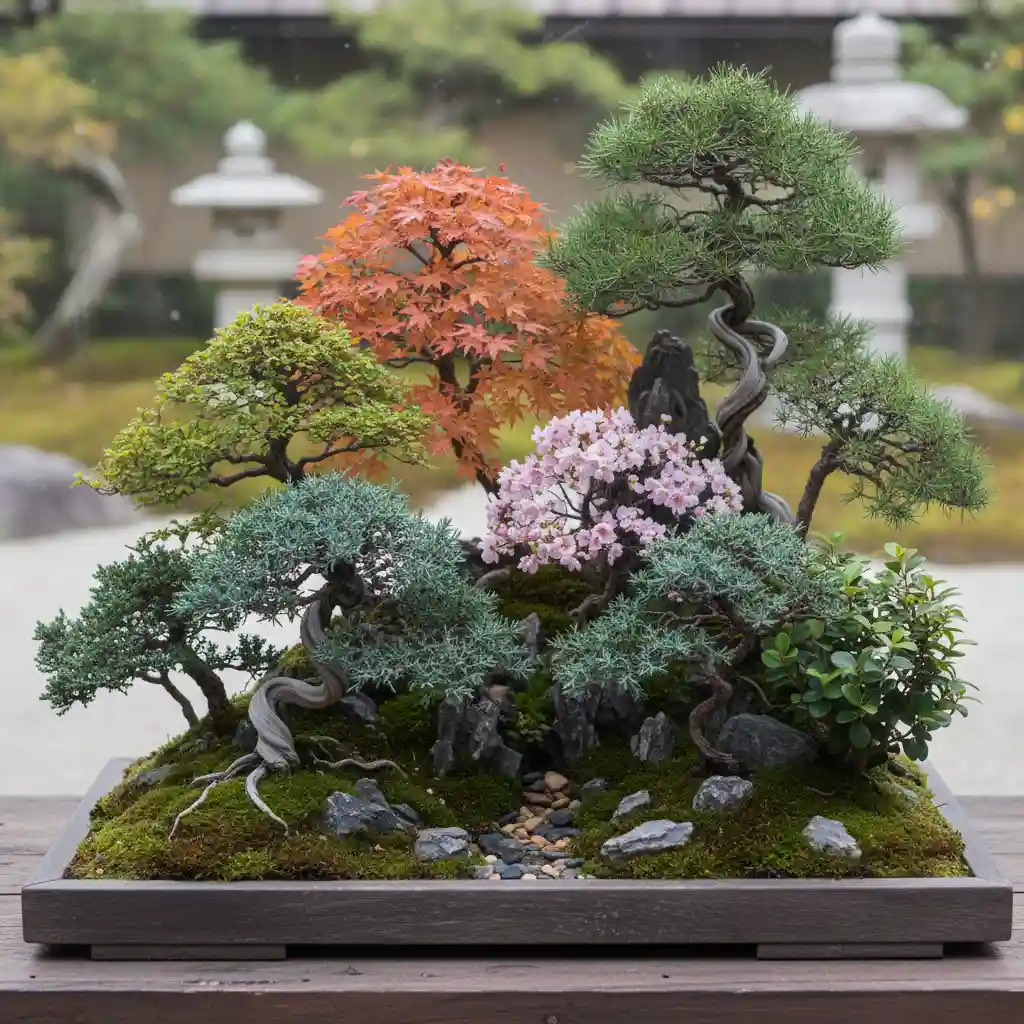
Popular Bonsai Tree Types
Understanding the various bonsai tree species is the first step in starting or expanding your collection. Each type has distinct characteristics that make it suitable for different climates and styling preferences. We’ll explore some of the most beloved options, offering unique insights into their appeal.
Ficus Bonsai (Ficus retusa, Ficus microcarpa)
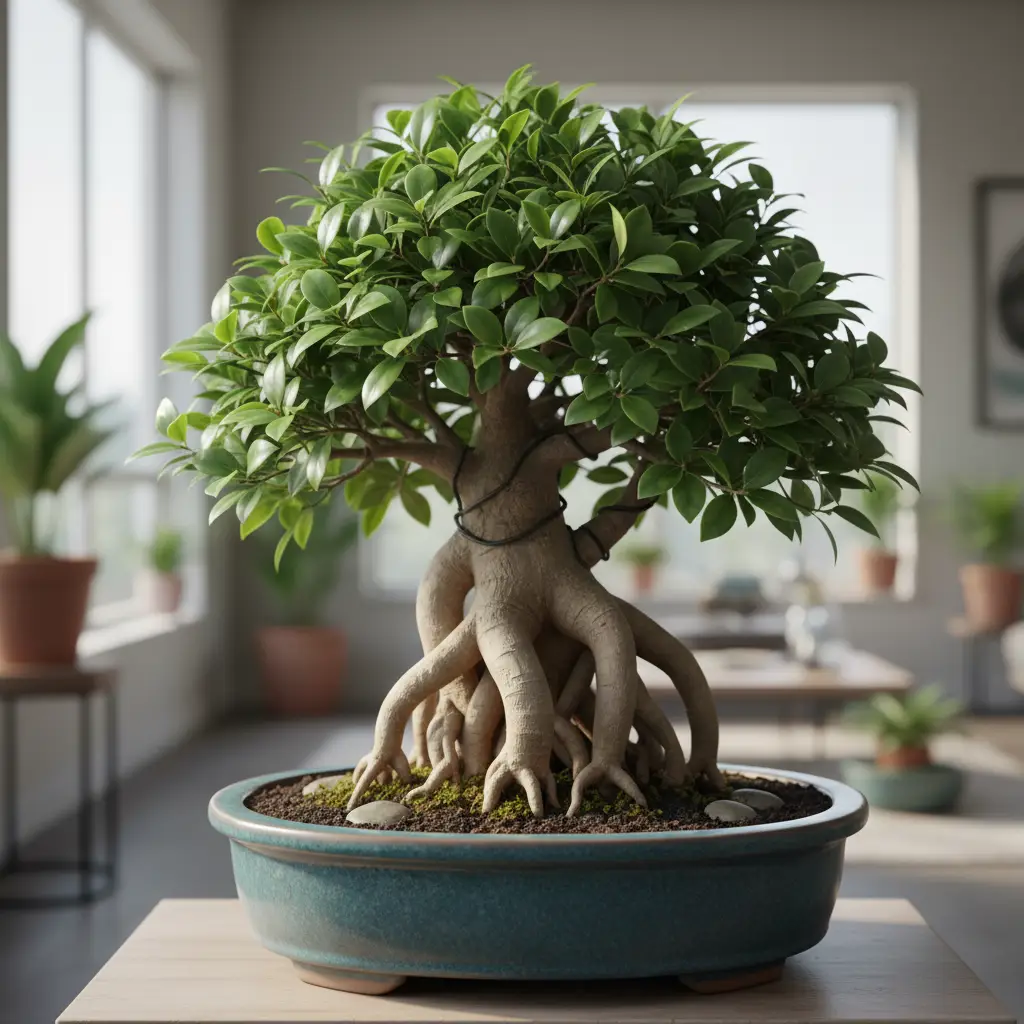
Ficus bonsai are known for their resilience and striking aerial roots, making them a fantastic choice for beginners. They adapt well to indoor environments and can tolerate a range of conditions. Their glossy green leaves and often textured bark add a tropical feel to any space, making them highly decorative.
These trees are vigorous growers, which means they recover quickly from pruning mistakes. They thrive in bright, indirect light and appreciate consistent watering, though they can handle short periods of drought. Ficus are a very forgiving bonsai tree species, ideal for those new to the art.
Japanese Maple Bonsai (Acer palmatum)
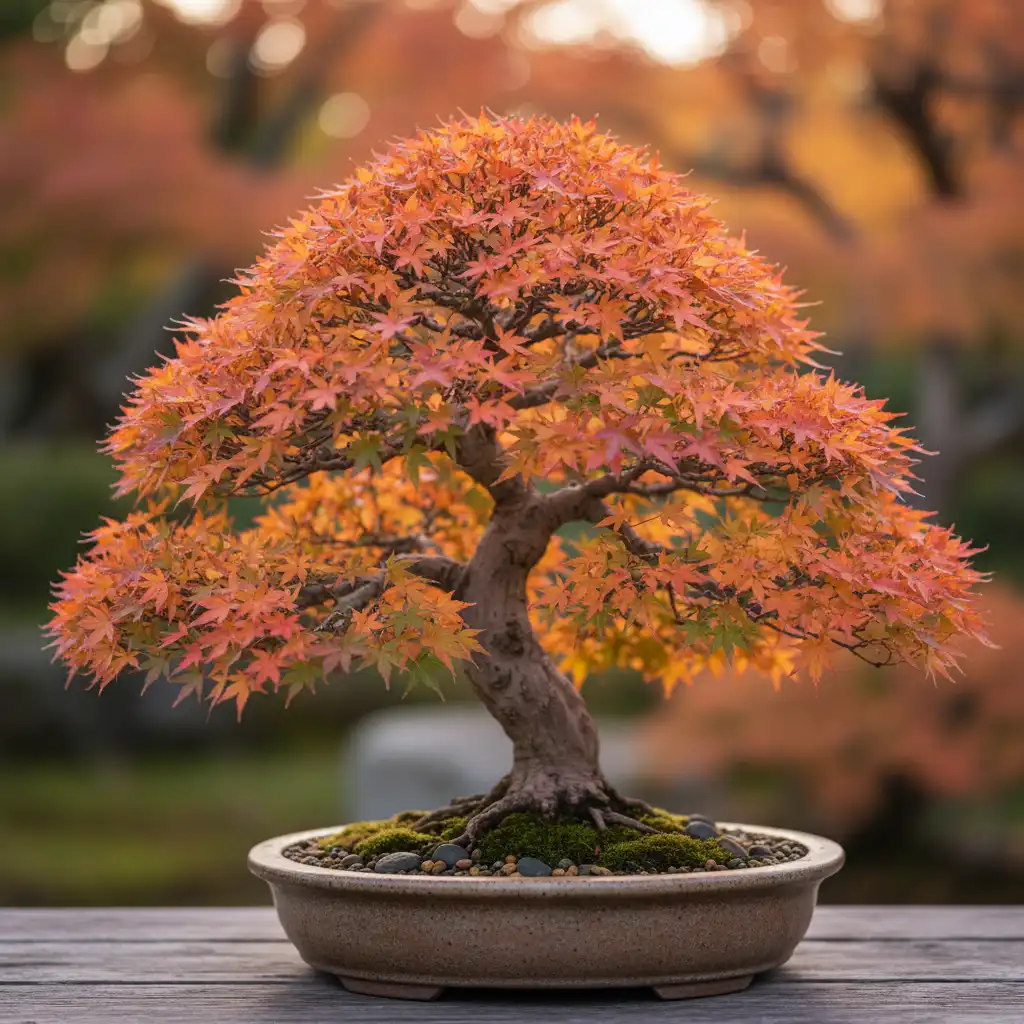
Japanese Maples are admired for their delicate leaves and stunning seasonal color changes, from vibrant greens in spring to brilliant reds and oranges in autumn. They offer a classic, elegant aesthetic that enhances any collection, especially when carefully styled.
These outdoor bonsai require protection from extreme winter cold and summer heat. They need consistent moisture and well-draining soil. Their fine branch structure makes them ideal for intricate styling, but they demand precise care to maintain their health and beautiful foliage throughout the year.
Juniper Bonsai (Juniperus procumbens nana)
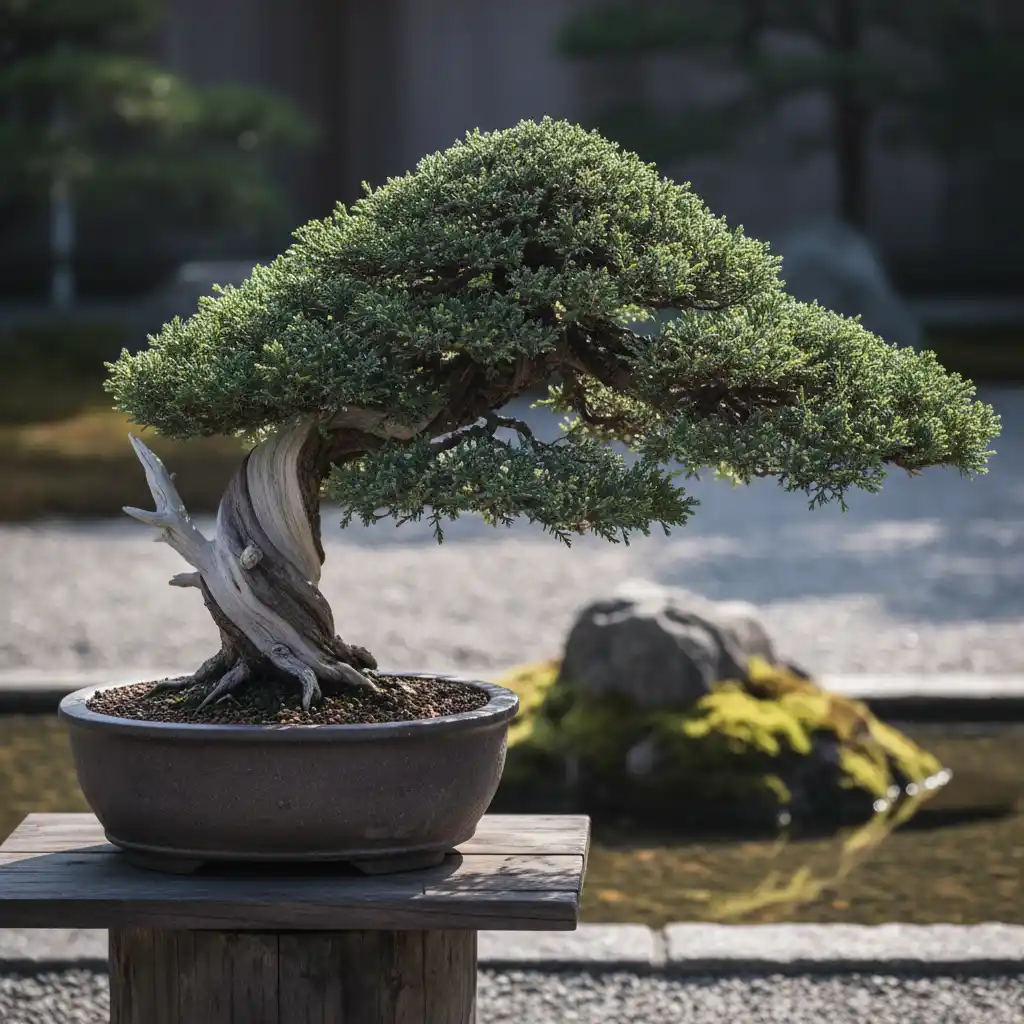
Junipers are one of the most iconic bonsai species, celebrated for their sturdy trunks and dense, needle-like foliage. They are especially popular for creating dramatic styles like windswept or cascading forms, showcasing resilience and natural beauty.
These outdoor trees love full sun and good air circulation. They prefer to dry out slightly between waterings, preventing root issues. Junipers respond well to wiring, allowing for detailed shaping of their branches over time. Patience is key with Junipers, as their growth can be slower than other species, rewarding diligent care.
Chinese Elm Bonsai (Ulmus parvifolia)
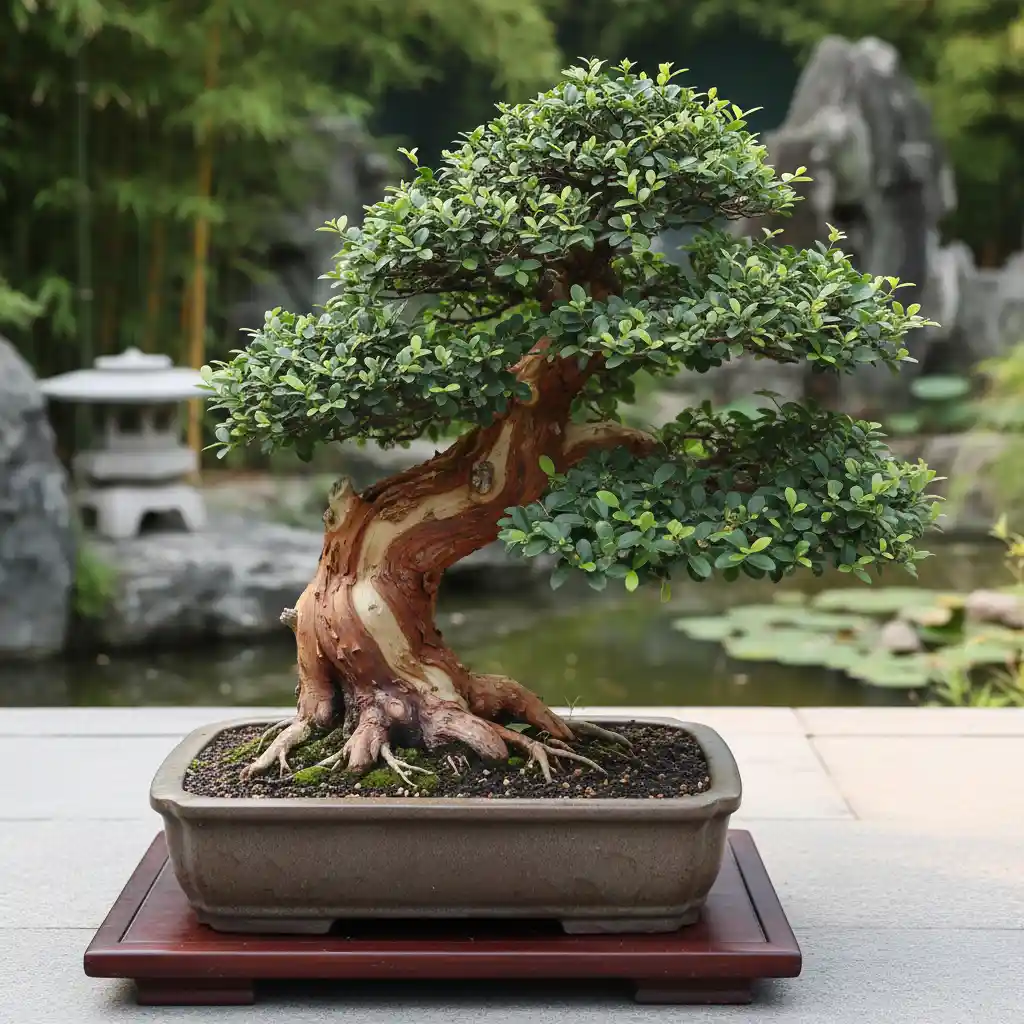
Chinese Elms are highly versatile, suitable for both indoor and outdoor cultivation in many regions. They are known for their small, serrated leaves, fine ramification, and attractive peeling bark as they mature, adding character to the miniature tree.
They are tolerant of various conditions and are generally easy to care for, making them another excellent choice for beginners. Chinese Elms benefit from regular watering and fertilization during the growing season. Their relatively rapid growth allows for quick development of complex structures and styles.
Pine Bonsai (Pinus species)
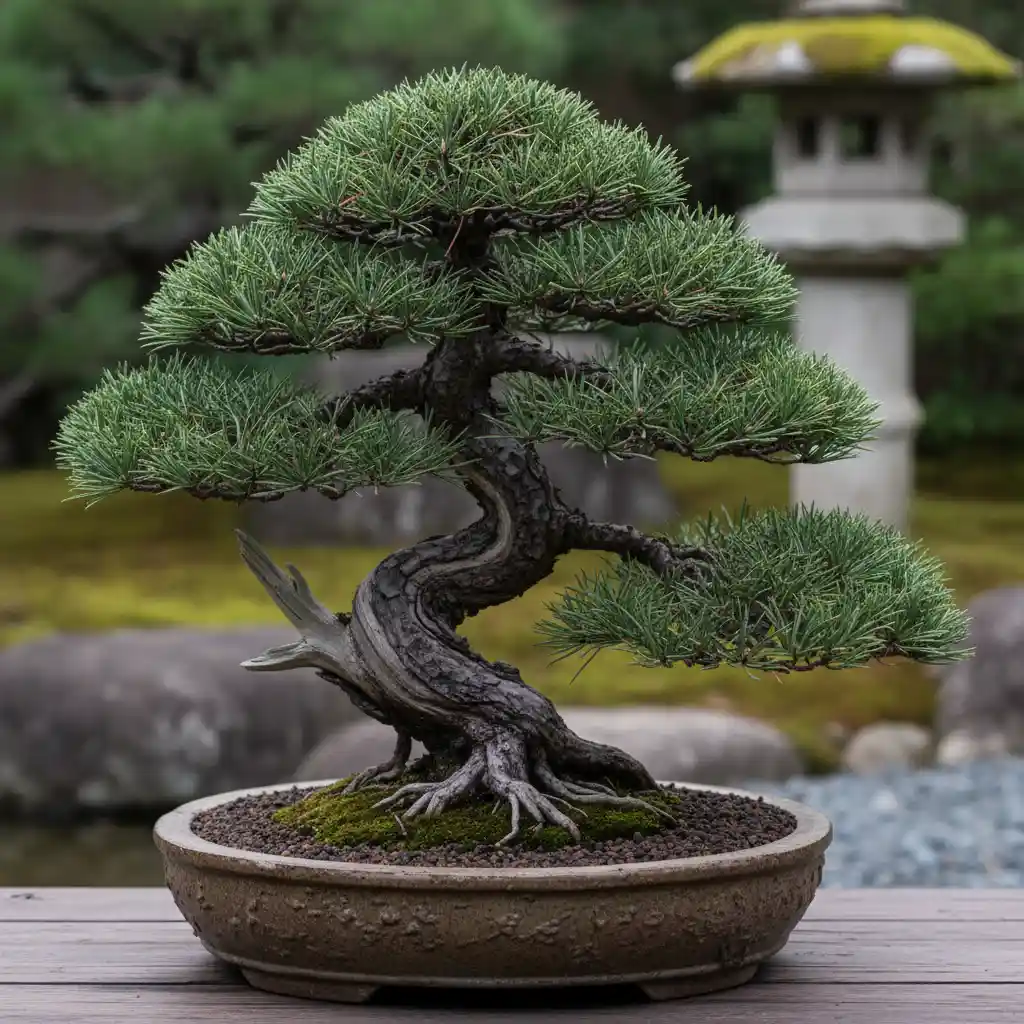
Pine bonsai, particularly Japanese Black Pine and Scots Pine, are highly prized for their rugged beauty and classic appearance. They evoke a sense of ancient landscapes and enduring strength, representing a traditional form of bonsai.
Pines are outdoor trees that require specific care techniques, including decandling and needle plucking, to manage their growth and achieve fine ramification. They need plenty of sunlight, well-draining soil, and careful watering to prevent root rot. While challenging, the reward of a well-maintained pine is immense, reflecting dedicated bonsai cultivation.
Species-Specific Care Guides
Each of the popular bonsai tree species has unique care needs. Understanding these specifics is crucial for maintaining the health and vigor of your trees. Generic care instructions often fall short when dealing with the diversity of bonsai, making species-specific knowledge essential.
Watering Needs
- Ficus & Chinese Elm: Prefer consistently moist, but not waterlogged, soil. Water when the top inch of soil feels dry to the touch.
- Japanese Maple: Require more frequent watering, especially during hot periods, as their delicate leaves transpire quickly.
- Juniper & Pine: Tolerate drier conditions. Allow the soil surface to dry completely before watering again to prevent root rot, which is common with overwatering.
Always ensure good drainage and avoid standing water at the bottom of the pot. The type of soil mix used significantly impacts watering frequency and retention, so choose wisely for your chosen bonsai species.
Lighting Requirements
Light is a fundamental component of bonsai health and growth. The amount and type of light vary greatly between species, directly impacting their vigor and color:
Indoor Species (e.g., Ficus): Need bright, indirect light. A south or east-facing window is often ideal. Supplemental grow lights can be beneficial, especially in darker months or regions with less natural light.
Outdoor Species (e.g., Juniper, Pine, Japanese Maple, Chinese Elm): Generally prefer full sun for robust growth. However, Japanese Maples might need afternoon shade in hot climates to protect their delicate leaves from scorching. Pines, in particular, thrive in direct, strong sunlight.
Soil and Fertilization
A well-draining bonsai soil mix is critical for all species. It prevents root rot and provides good aeration, which is vital for root health. Key components often include akadama, pumice, and lava rock, blended in various ratios depending on the species. For specific recommendations, consult resources like Wikipedia on Bonsai Soil.
Fertilization schedules vary greatly among bonsai tree species. Deciduous trees like Japanese Maples and Chinese Elms benefit from balanced fertilizers during their growing season. Conifers such as Pines and Junipers may require different nutrient ratios and application times, often favoring lower nitrogen. Ficus bonsai are generally heavy feeders and appreciate consistent feeding to support their vigorous growth.
Pruning and Wiring Techniques
Pruning guides growth and shape, while wiring allows for precise branch positioning and artistic design. Techniques differ significantly by species, reflecting their unique growth patterns:
- Ficus: Tolerate heavy pruning and respond well with new growth, making them resilient to mistakes. Wiring is effective but watch closely for wire bite due to rapid growth.
- Japanese Maple: Fine branch pruning is typically done in late winter; defoliation can be used to encourage smaller leaves. Wiring must be done carefully to avoid damaging their delicate bark.
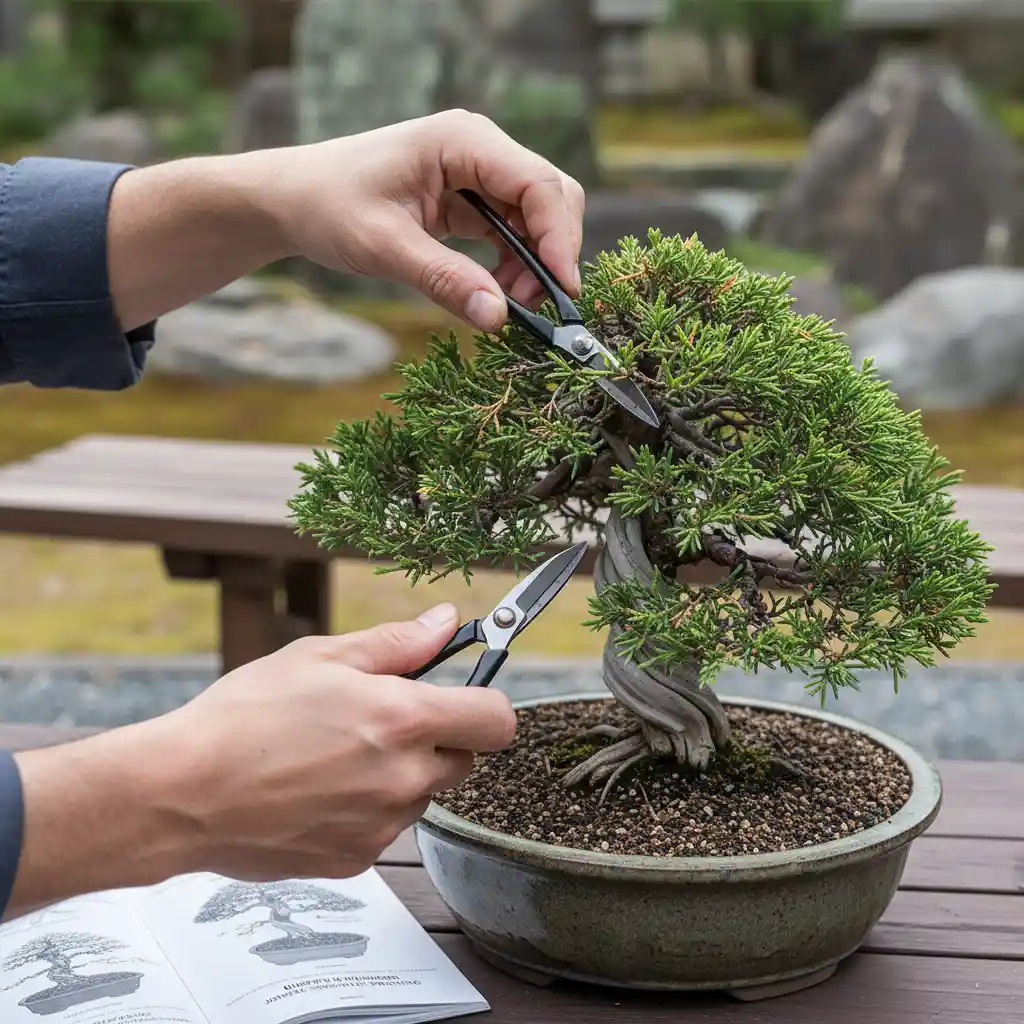
- Juniper: Pinch new growth rather than cut with scissors to avoid browning needle tips. Wiring is their primary shaping method and can often stay on longer than with other species.
- Pine: Involve specific techniques like decandling (removing new shoots) to control vigor and promote smaller needles. Wiring is crucial for establishing branch placement and creating classic forms.
Cultivation Challenges by Species
Even with the best care, cultivating bonsai can present unique challenges. Awareness of common issues specific to different bonsai tree species helps in proactive management and ensures the long-term health of your trees, turning potential problems into learning opportunities.
Pest and Disease Management
Regular inspection is your best defense against pests and diseases. Each species has its vulnerabilities, which must be understood for effective treatment:
- Ficus: Prone to spider mites and scale, especially in dry indoor environments or when stressed.
- Japanese Maple: Susceptible to aphids and powdery mildew. Good air circulation is key to prevention.
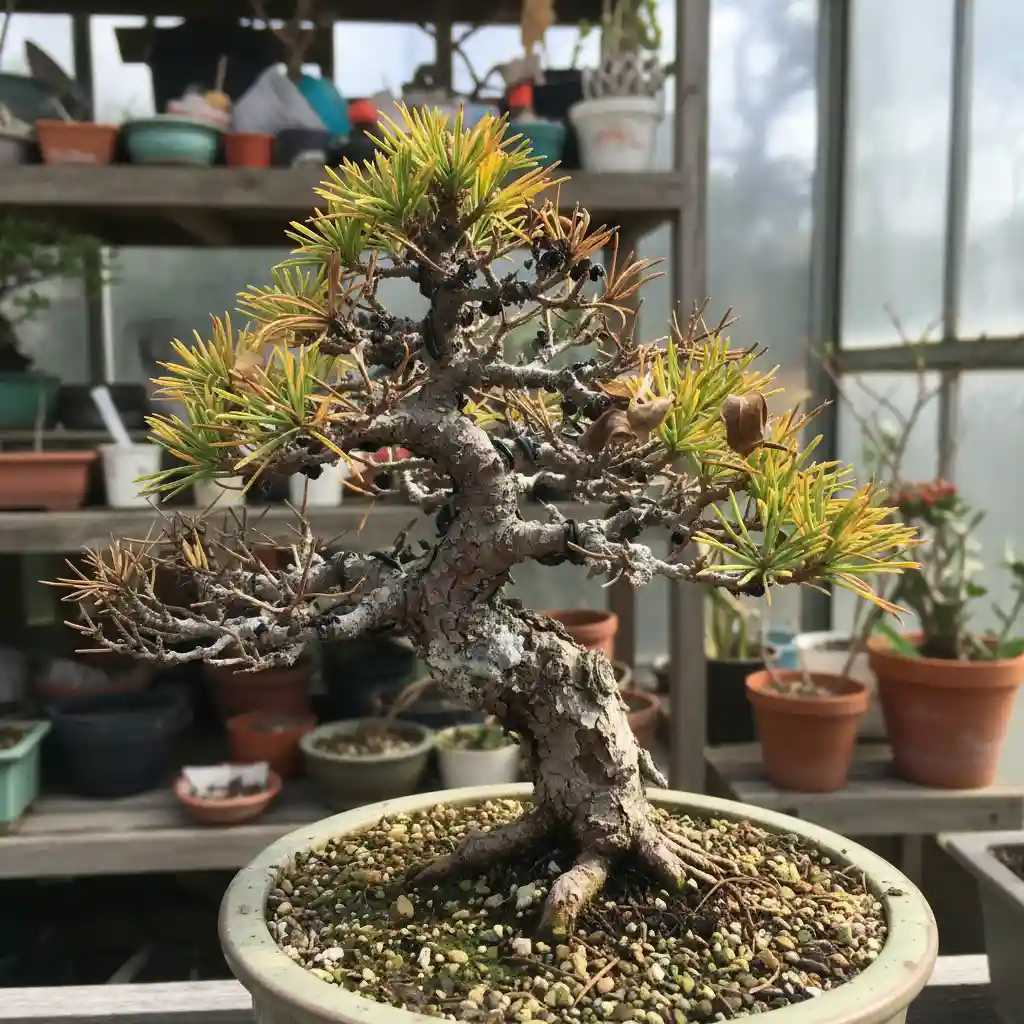
- Juniper: Can attract spider mites, particularly when stressed or in very dry conditions, leading to needle discoloration.
- Pine: Vulnerable to pine needle scale and various fungal issues if overwatered or lacking adequate airflow around the foliage.
Early detection and treatment with appropriate organic or chemical solutions are vital for protecting your bonsai’s health and vitality.
Environmental Adaptations
Matching the species to your local climate is critical for success. Tropical species like Ficus thrive indoors or in warm, humid climates, while temperate species like Maples and Junipers require distinct seasons, including a dormant winter period, to flourish.
Protecting outdoor bonsai from harsh winter freezes and intense summer sun is essential. Consider cold frames or greenhouses for winter dormancy, and shade cloths for summer heat. Understanding your specific bonsai tree species climate needs will prevent many issues and ensure healthy growth.
Long-Term Growth Strategies
Bonsai cultivation is a journey spanning many years. Planning for long-term health involves regular repotting, typically every 1-3 years depending on the species and its age. This refreshes the soil and prunes the roots to promote fine root growth and prevent root bound conditions.
Continuous learning and adaptation are crucial for ongoing success. Observe your trees closely, adjust care based on their response to seasonal changes, and enjoy the ongoing process of shaping living art. Experimenting with different styling approaches over time will deepen your connection to your bonsai and its natural expression.
Begin Your Bonsai Journey Today
The world of bonsai offers endless fascination and rewards. By understanding the diverse bonsai tree species and their specific care requirements, you can cultivate beautiful, thriving miniature trees that bring peace and beauty to your environment. Dive in, learn, and grow your own living art.