Bonsai Soil Reviews: Akadama, Pumice, and Lava Rock
Welcome to our in-depth bonsai soil reviews! The right soil is vital for your bonsai’s health and growth. We detail essential components like Akadama, Pumice, and Lava Rock, compare pre-mixed options, and share DIY recipes to help you choose the best medium for your living art. For those just beginning their journey, especially in specific regions, our resource on Starting Bonsai in Australia & New Zealand can be an invaluable guide. Additionally, to set yourself up for success, consider our comprehensive advice on Choosing Your First Bonsai Tree & Starter Kit.
To further enrich your journey in the art of bonsai, consider engaging with the wider Bonsai Community & Events. Sharing experiences and learning from fellow enthusiasts can greatly enhance your understanding and passion.
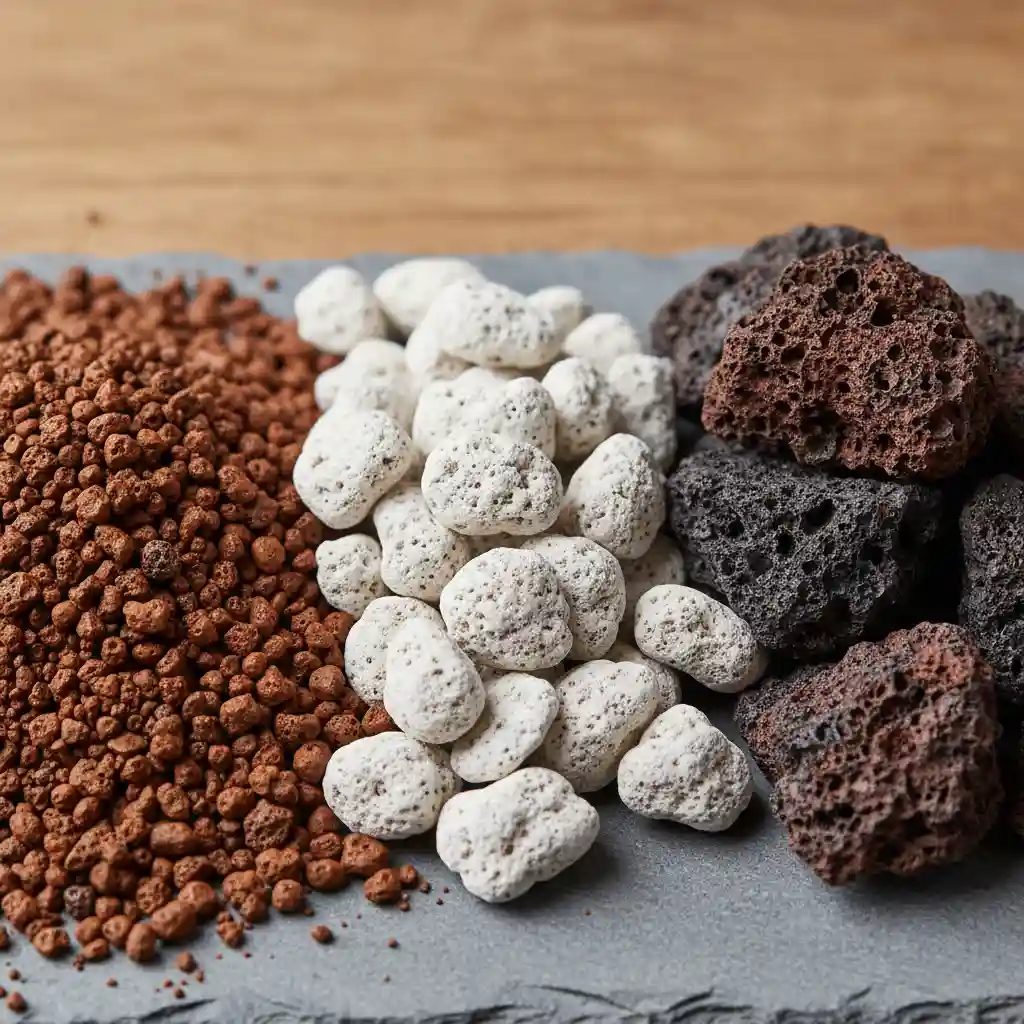
Table of Contents
Understanding Key Soil Components
The foundation of healthy bonsai begins with understanding its soil. Unlike garden soil, bonsai soil is designed for superior drainage, aeration, and moisture retention. Let’s dive into the essential components.
Akadama: The Cornerstone
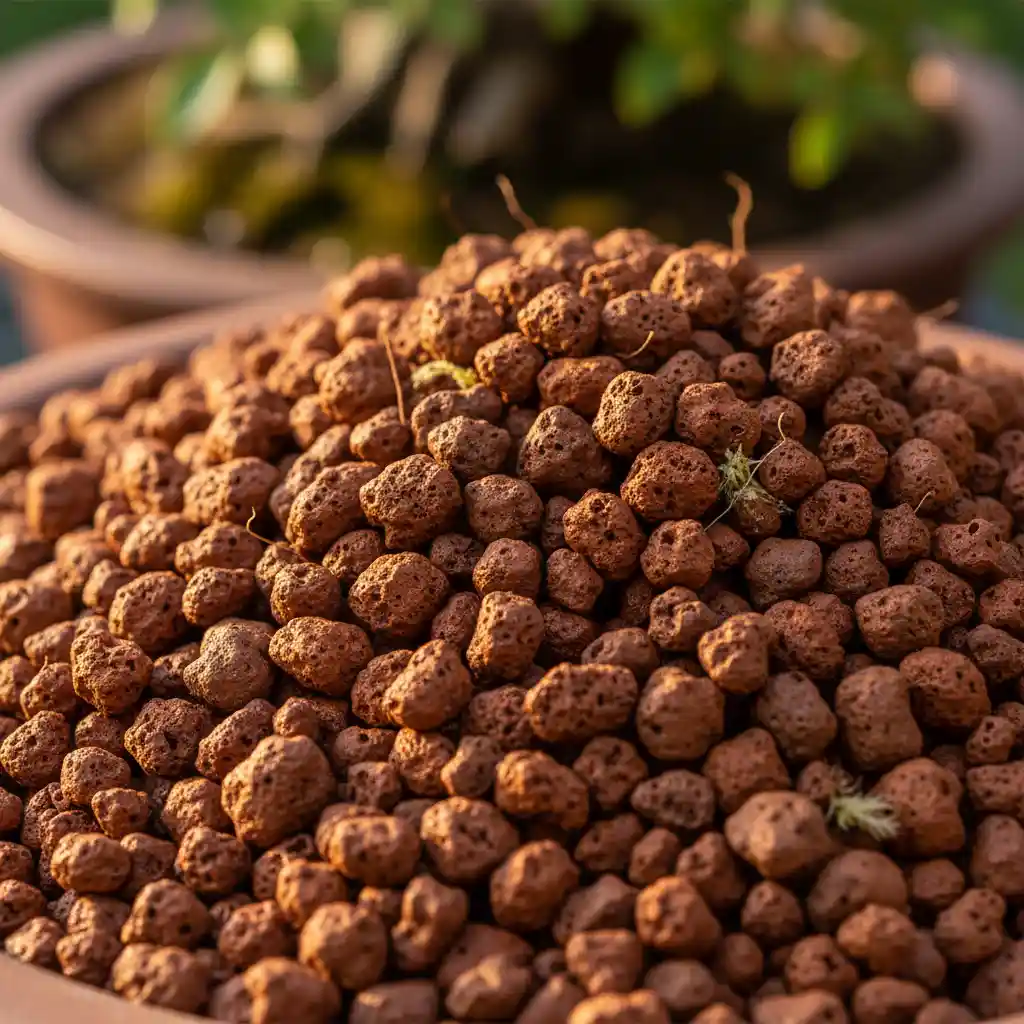
Akadama is a hard-baked clay found in Japan, revered by bonsai enthusiasts worldwide. It’s known for its granular structure, which provides excellent drainage and aeration. It also retains water and nutrients, releasing them slowly to the roots.
A unique feature of Akadama is its color change when wet. It darkens, indicating the soil’s moisture level. This makes watering management much easier for beginners. For those seeking to further refine their approach to hydration, exploring Advanced Bonsai Watering Systems & Tips can be highly beneficial. Over time, Akadama can break down, requiring repotting to maintain soil structure. This process is often combined with Bonsai Root Pruning Techniques for Health, crucial for invigorating your tree.
Pumice: Lightweight Aeration
Pumice is a lightweight, porous volcanic rock. Its irregular, sponge-like structure makes it excellent for aeration and water retention. It prevents compaction, ensuring air reaches the roots, which is vital for root health.
Because pumice is lighter than other components, it can help reduce the overall weight of your bonsai pot. It’s also very stable and doesn’t break down easily, providing long-term structural integrity to your soil mix.
Lava Rock: Durable Drainage
Lava rock, another volcanic material, offers superb drainage and aeration. Its rough surface provides anchor points for roots, helping to stabilize the tree in its pot. Lava rock is very durable and will not break down over time.
While it retains less water than Akadama or pumice, its primary role is to ensure excellent drainage. This prevents root rot, a common issue in overly wet conditions. It’s often used in conjunction with other components to balance moisture and airflow.
Other Important Components
Beyond the big three, several other materials contribute to a balanced bonsai soil mix:
- Kanuma: An acidic soil component, ideal for acid-loving bonsai species like azaleas. For those looking to achieve stunning floral displays, our guide on Flowering Bonsai Trees: Cultivation & Bloom Tips provides essential advice for nurturing blooming varieties.
- Kiryuzuna: A heavy, gritty component often used for conifers due to its excellent drainage and ability to anchor roots.
- Organic Matter: Such as pine bark fines or compost, which add nutrients and improve moisture retention. These must be used sparingly to avoid compaction and ensure drainage.
- Perlite/Vermiculite: Sometimes used in very small quantities, mainly for moisture retention and aeration, though less common in traditional bonsai mixes.
Combining these elements allows you to tailor a soil mix that perfectly suits your specific bonsai species and local climate conditions. For a broader perspective on how different trees adapt, explore our Bonsai Species Comparison for Different Climates. For more detailed information on soil science, consider exploring resources like Wikipedia’s page on soil.
Pre-mixed Bonsai Soil Comparisons
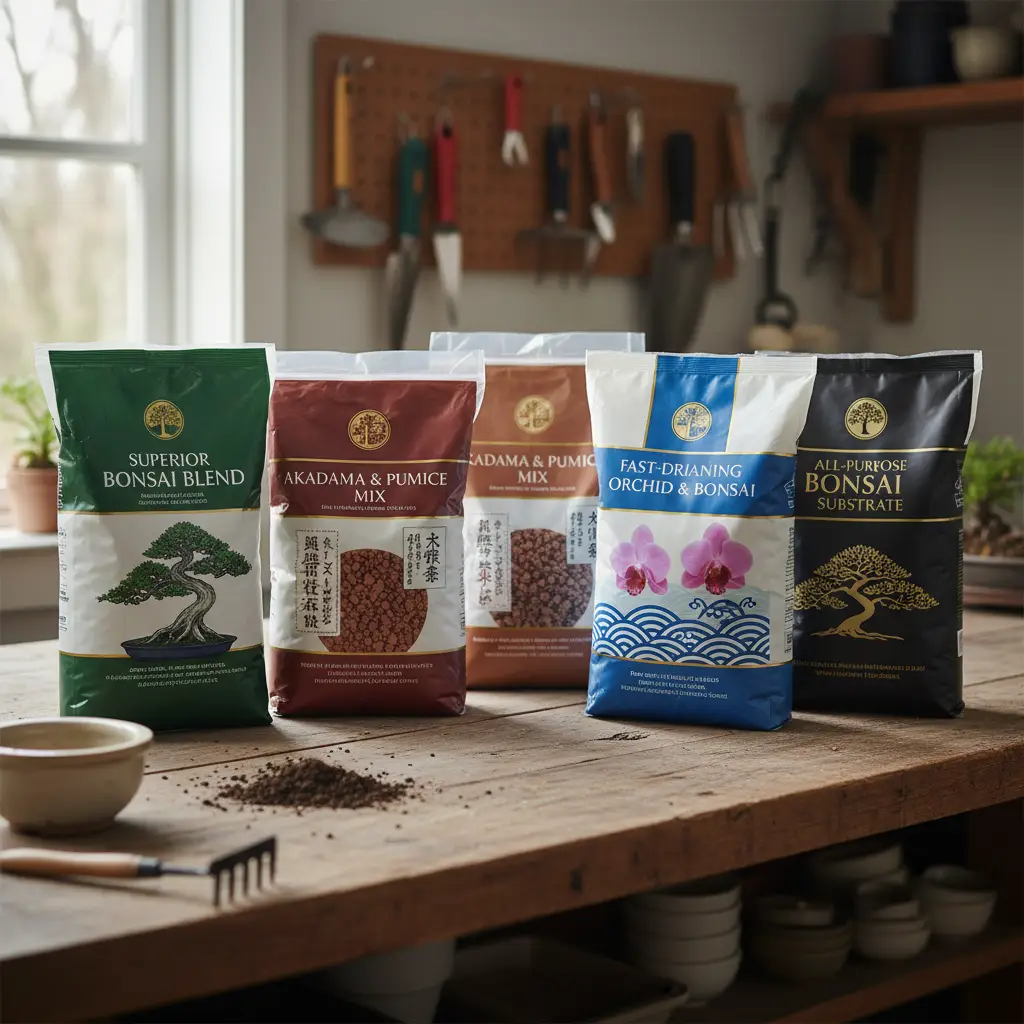
For convenience, many growers opt for pre-mixed bonsai soils. These can be a great starting point, especially for beginners. However, not all mixes are created equal. Let’s examine some common types in our bonsai soil reviews.
Beginner-Friendly Blends
These mixes often prioritize ease of use and forgiveness. They typically contain a balanced ratio of Akadama, pumice, and lava rock, sometimes with a small amount of organic matter. They are designed to work well for a wide range of common bonsai species.
While convenient, ensure the blend doesn’t contain too much fine organic soil, which can lead to compaction and poor drainage. Look for mixes with clearly visible, granular components. Our bonsai soil reviews suggest checking customer feedback for real-world performance.
Specialty and Advanced Blends
As you gain experience, you might explore specialty blends tailored for specific tree types. You can find mixes designed for:
- Conifers: Often contain more Kiryuzuna or larger grit for extra drainage.
- Deciduous Trees: Might have slightly more Akadama for consistent moisture.
- Tropical Bonsai: May include a higher percentage of organic matter but still maintain excellent drainage.
- Azaleas: Feature Kanuma to provide the acidic environment these plants need.
These advanced options allow for precise environmental control, helping your specific tree thrive. Always match the soil to the tree’s needs, not just its availability.
Crafting Your Own DIY Bonsai Soil Recipes
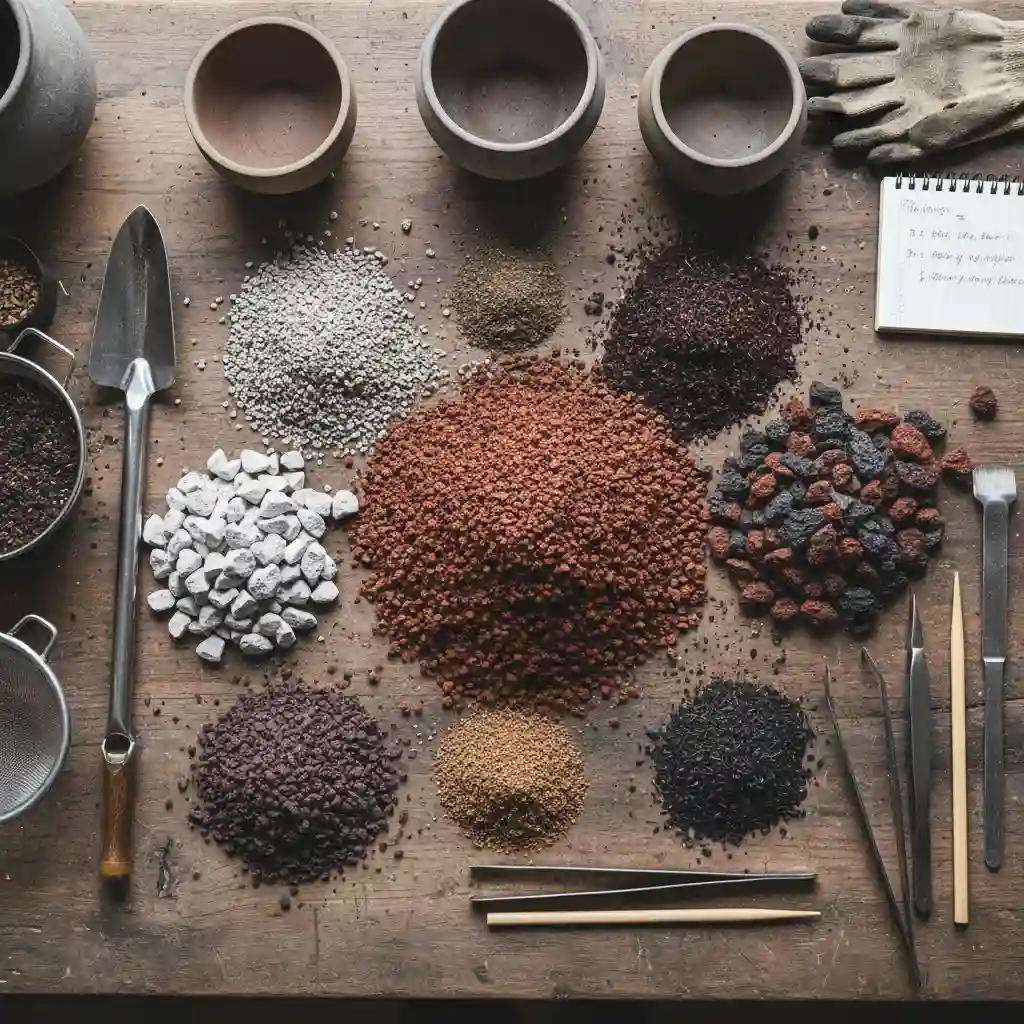
Creating your own bonsai soil mix gives you complete control over the growing medium. This approach allows you to customize the soil precisely for your tree’s species, age, and your local climate. Here are some popular recipes.
General Deciduous Blend
This mix is suitable for many common deciduous trees like maples, elms, and oaks. It balances good drainage with decent moisture retention.
- 50% Akadama: Provides structure and moisture indication.
- 25% Pumice: For aeration and lightweight structure.
- 25% Lava Rock: Ensures excellent drainage and root stability.
Adjust these ratios slightly based on your climate. If you live in a very dry area, you might increase Akadama slightly. In a very wet climate, increase pumice or lava rock.
Conifer and Pine Blend
Conifers, especially pines, prefer sharper drainage and more gritty soil. This helps prevent root rot in their typically drier root environment. This blend ensures stability and excellent airflow.
- 40% Kiryuzuna: A heavy, gritty component offering superior drainage and root anchorage.
- 30% Pumice: Provides essential aeration and some moisture retention.
- 30% Lava Rock: Enhances drainage and adds stable structure.
This mix creates a free-draining environment that mimics the natural, well-aerated conditions conifers thrive in. It’s especially useful for species like Japanese Black Pine or Juniper. Always sift your components to remove fine dust before mixing. Our bonsai soil reviews consistently highlight the importance of excellent drainage for these species.
Tropical Bonsai Mixes
Tropical bonsai species often have different needs compared to temperate varieties. They typically prefer mixes that retain slightly more moisture due to their natural humid environments, but still demand excellent drainage to prevent root rot in warm conditions.
- 50% Akadama: Good for moisture retention and nutrient exchange.
- 30% Pumice: Ensures aeration and prevents compaction.
- 20% Pine Bark Fines: Provides organic matter and helps retain humidity.
For tropical trees like Ficus or Portulacaria afra (Dwarf Jade), a mix with a bit more organic matter can be beneficial. Always observe your specific tree and adjust the components as needed for its optimal health. Understanding these nuances is a key part of successful bonsai soil reviews.
Conclusion: Choosing Your Ideal Bonsai Soil
The journey of bonsai cultivation is deeply intertwined with the quality of its soil. Our comprehensive bonsai soil reviews have covered the essential components like Akadama, Pumice, and Lava Rock, explored the convenience of pre-mixed options, and empowered you to create your own bespoke blends. Understanding these foundational elements is crucial for promoting vigorous growth and maintaining the health of your miniature trees, especially as you consider vital seasonal tasks like Spring Care for Bonsai SH. Beyond essential care, the aesthetic dimensions of bonsai, such as Shari and Jin: Deadwood Artistry in Bonsai, offer profound ways to express your creativity.
Remember, there is no single “best” bonsai soil; the ideal mix depends on your specific tree species, its stage of development, your local climate, and even your personal watering habits. Experimentation and keen observation are key to finding the perfect balance. Pay close attention to how your tree responds to different mixes and adjust accordingly. Should you encounter common issues such as yellowing leaves, our dedicated guide on Yellow Leaves Bonsai Fix offers practical solutions. A well-chosen and diligently maintained soil mix is the bedrock of a healthy, beautiful bonsai for years to come. For a complete guide to supporting your bonsai’s foundation, delve into our resources on Bonsai Soil, Fertilization & Nutrition.
By investing time in understanding your soil needs and applying the insights from these bonsai soil reviews, you are investing in the long-term vitality and aesthetic appeal of your living art. Happy growing and may your bonsai flourish!