Bonsai Soil, Fertilization & Nutrition: Your Complete Bonsai Soil Guide
bonzai.co.nz
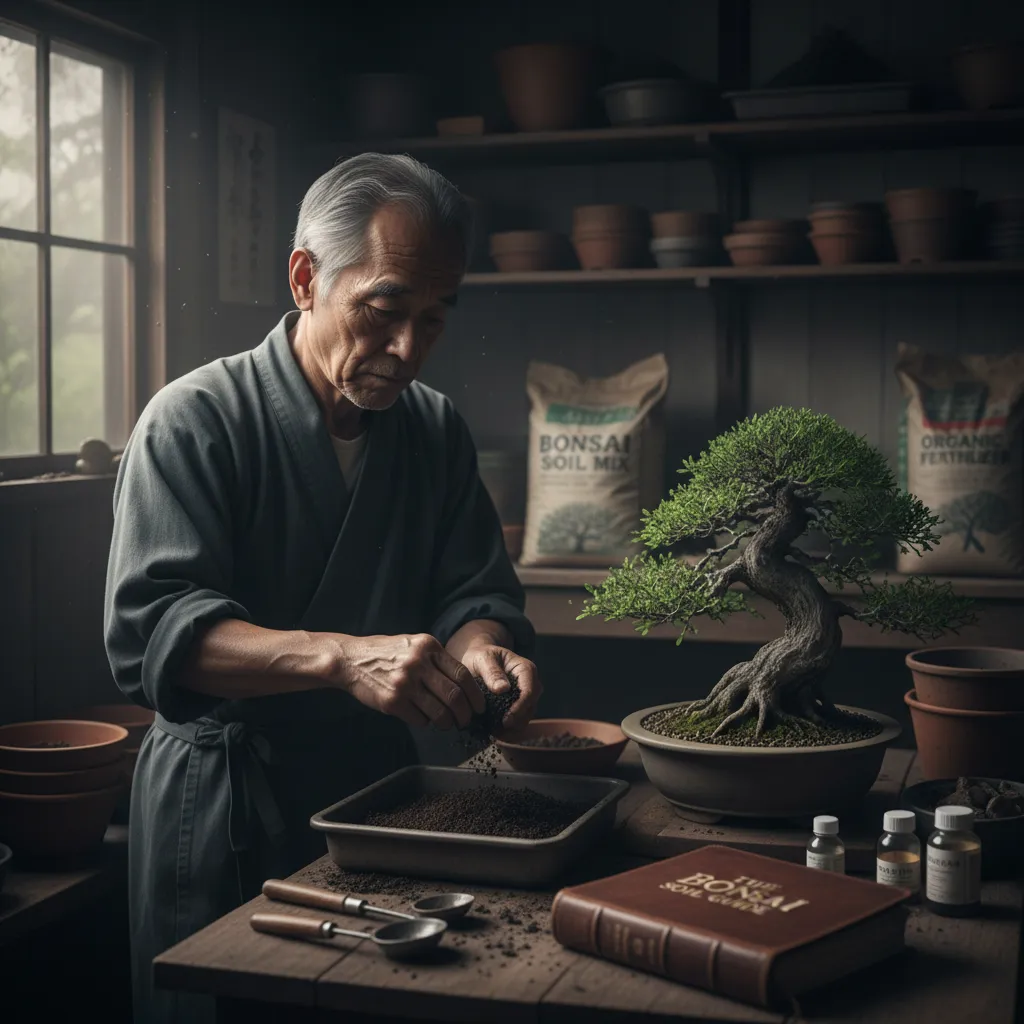
Optimal bonsai soil provides the essential foundation for root health, offering proper drainage, aeration, and nutrient retention. Understanding its components and how to fertilize is key to cultivating a vibrant and long-living miniature tree. This bonsai soil guide explores ideal mixes, feeding schedules, and repotting techniques.
Achieving a healthy bonsai begins from the ground up. The soil you choose is not just dirt; it’s a carefully balanced environment. It must support the tree’s roots, provide stable anchorage, and deliver vital nutrients. Without the right soil, even the most beautiful bonsai styling will struggle. For comprehensive guidance on shaping your tree, explore Bonsai Styles Explained: Upright, Slanting, Cascade and master essential Bonsai Pruning & Wiring Techniques.
This comprehensive bonsai soil guide will help you master the crucial elements of soil composition, fertilization, and timely repotting. You will learn how to create the best growing conditions for your miniature trees.
The Foundation: Understanding Ideal Bonsai Soil Components
Bonsai soil is quite different from garden soil. It prioritizes excellent drainage and aeration. This is vital because bonsai pots are shallow, and roots can quickly become waterlogged or compacted without proper structure.
A good bonsai soil mix prevents root rot and allows roots to breathe. It also ensures that oxygen, essential for root development, can reach all parts of the root ball.

Key Components of Bonsai Soil
Most mixes combine inorganic and organic materials. The inorganic components provide structure and drainage, while organic elements offer nutrient retention and support beneficial microbial life.
- Akadama: A hard-baked clay from Japan. It absorbs water and nutrients, then releases them slowly. Its granular structure breaks down over time, indicating when repotting is due.
- Pumice: A lightweight, porous volcanic rock. It enhances drainage and aeration, preventing compaction. Pumice also retains moisture, making it a valuable addition.
- Lava Rock: Another porous volcanic material. Lava rock provides excellent aeration and helps anchor roots. It is heavier than pumice and does not break down.
- Kiryu: A volcanic aggregate often used for coniferous species. It drains very well and provides good aeration, especially for pines and junipers.
- Organic Matter: Options like pine bark, composted forest products, or coco coir. These hold moisture and nutrients, slowly breaking down to feed the tree. Use sparingly to avoid excessive water retention.
Customizing Your Bonsai Soil Mix
The ideal mix depends on your climate, the bonsai species, and your watering habits. Tropical bonsai often prefer slightly more organic matter, while temperate species might need a faster-draining mix.
A common starting point is a 1:1:1 ratio of Akadama, Pumice, and Lava Rock. From there, you can adjust. For example, add more organic matter for young, rapidly growing trees, or increase inorganic components for mature trees needing less water. This customization is a critical part of developing your expertise in this bonsai soil guide.
Nourishing Your Bonsai: Fertilization Strategies
Bonsai trees need regular feeding because their restricted root space and frequent watering deplete soil nutrients quickly. Proper fertilization ensures strong growth, vibrant foliage, and overall tree vigor.
Think of fertilizer as a nutritional supplement. It supports the tree’s energy production and ability to fight off disease. Neglecting fertilization can lead to weak growth and pale leaves.

Understanding NPK Ratios and Micronutrients
Fertilizers are labeled with an NPK ratio: Nitrogen (N), Phosphorus (P), and Potassium (K). Each plays a crucial role:
- Nitrogen (N): Promotes lush, green foliage growth. Important during active growing seasons.
- Phosphorus (P): Essential for root development, flowering, and fruit production.
- Potassium (K): Supports overall plant health, strengthens cell walls, and improves disease resistance.
Bonsai also need micronutrients like iron, manganese, zinc, and boron. These are usually present in balanced fertilizers or can be supplemented.
Types of Fertilizers and Application Schedules
- Liquid Fertilizers: Fast-acting and easily absorbed. Dilute according to instructions and apply during watering, typically every 1-2 weeks during the growing season.
- Slow-Release Granular Fertilizers: Pellets or cakes placed on the soil surface. They release nutrients gradually over several months. This is a convenient option for consistent feeding.
- Organic Fertilizers: Made from natural sources like fish emulsion, bone meal, or cottonseed meal. They improve soil structure and support beneficial microorganisms. Organic fertilizers are gentler and release nutrients slowly.
Fertilize during the growing season (spring through early autumn), reducing or stopping during dormancy (winter). Adjust for tropical species which might grow year-round.
Avoiding Over-Fertilization
More is not always better. Over-fertilization can burn roots, damage foliage, and even kill your bonsai. Always follow product instructions carefully. It’s safer to under-fertilize slightly than to over-fertilize. For detailed recommendations on specific products, refer to our guide on Choosing & Applying Bonsai Fertilizer Brands.
Repotting for Vigor: Best Practices
Repotting is a critical maintenance task for bonsai. It involves removing the tree from its pot, pruning the roots, and replacing old soil with fresh substrate. This process revitalizes the tree and ensures continued healthy growth.
Over time, bonsai soil breaks down, losing its structure and ability to drain well. Roots also grow to fill the pot, becoming root-bound. Repotting addresses these issues, promoting new root growth and nutrient uptake.
When to Repot Your Bonsai
Repotting frequency varies by species, age, and growth rate. Young, vigorous trees might need repotting every 1-2 years. Older, slower-growing trees might only need it every 3-5 years.
Signs it’s time to repot include:
- Roots growing out of the drainage holes.
- Water pooling on the surface and draining slowly.
- The tree lifting slightly from the pot when picked up, indicating a dense root ball.
- Stunted growth or yellowing leaves despite proper care.
The best time to repot is usually early spring, just before the tree begins its active growth phase. This allows the tree to recover quickly.
The Repotting Process
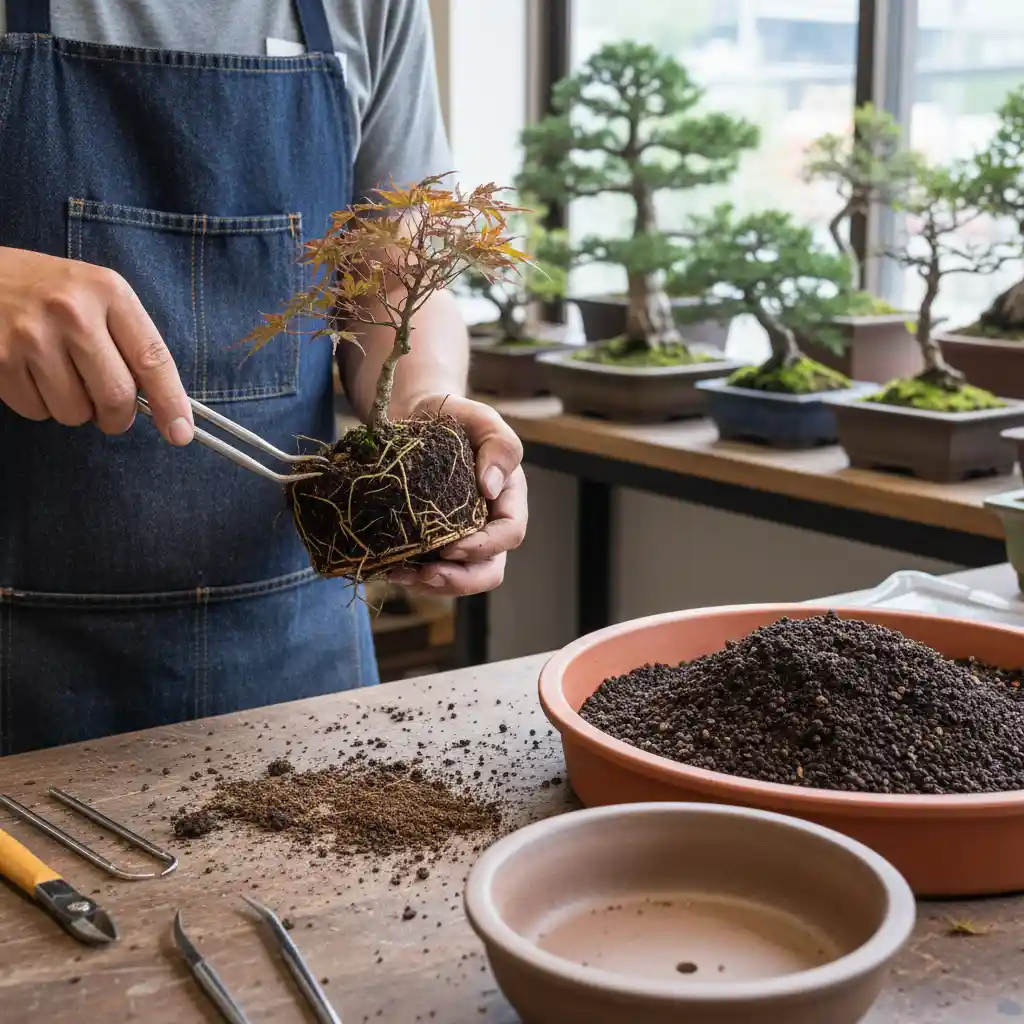
Preparation is key. Gather your tools: a root hook, sharp shears, a screening tray for soil, and your fresh bonsai soil mix. Gently remove the tree from its pot. Use the root hook to loosen and untangle the outer roots.
Next, carefully prune away approximately one-third to one-half of the root mass, focusing on thick, circling roots. Leave a good network of fine feeder roots. Place a mesh over the drainage holes in the clean pot, add a layer of fresh soil, position the tree, and backfill with more fresh soil, working it into the root ball.
Post-Repotting Care
After repotting, water thoroughly until water drains freely. Place the tree in a shaded, protected spot for a few weeks to allow it to recover from the shock. Avoid fertilizing immediately after repotting; wait until new growth appears. This essential step in your bonsai soil guide ensures a healthy transition.
Beyond the Basics: Advanced Tips for Bonsai Soil & Nutrition
To truly master bonsai care, consider these advanced concepts. They can further enhance the health and vitality of your trees. Beyond soil and nutrition, topics like NZ Yamadori Principles: Ethical Collection & Cultivation of Wild Stock offer insights into unique cultivation approaches.
Monitoring Soil pH
The pH level of your soil affects nutrient availability. Most bonsai prefer a slightly acidic to neutral pH (6.0-7.0). You can test your soil with a simple pH kit. Adjusting pH, if necessary, typically involves using specific additives or adjusting your water source. For more detailed information on soil pH, consult sources like Wikipedia.
Watering in Relation to Soil
Your watering regimen must adapt to your soil mix. Faster-draining mixes require more frequent watering, especially during hot weather. Heavier, more water-retentive mixes will need less. Always check the soil moisture before watering. Water thoroughly until it drains from the bottom.
The Role of Mycorrhizae
Mycorrhizal fungi form a symbiotic relationship with tree roots, enhancing nutrient and water absorption. Some bonsai enthusiasts inoculate their soil with these fungi, particularly for coniferous species. This can lead to stronger, healthier root systems.
Adjusting for Climate
If you live in a very hot or cold climate, your soil needs may differ. In hot, dry areas, a mix with slightly more water retention might be beneficial. In very humid or wet areas, opt for even faster drainage to prevent root issues.
Conclusion: Cultivating Mastery in Bonsai Care
Mastering bonsai soil, fertilization, and repotting is fundamental to cultivating stunning and resilient miniature trees. By understanding the intricate balance of components, the specific needs of your species, and the timely interventions required, you provide your bonsai with the best possible environment to thrive.
This comprehensive bonsai soil guide empowers you with the knowledge to make informed decisions for your collection. Continual learning and careful observation are the hallmarks of a successful bonsai enthusiast. Enjoy the journey of nurturing your living art!