Bonsai Health & Pest Management: Your Guide to Effective Bonsai Pest Control
bonzai.co.nz
What You’ll Learn
Effective bonsai pest control involves identifying common pests and diseases, understanding their life cycles, and applying appropriate organic or chemical treatments. Regular inspection, proper care, and environmental management are key to preventing infestations and maintaining the long-term health of your treasured bonsai trees.
Welcome to the essential guide for keeping your bonsai trees healthy and vibrant. These miniature living sculptures require diligent care to flourish. Just like any plant, bonsai can face challenges from pests and diseases. Understanding effective bonsai pest control is crucial for protecting your investment and ensuring your tree’s longevity. We will explore common issues, how to spot them, and proven solutions to keep your bonsai thriving.
Common Bonsai Ailments
Bonsai trees can suffer from various ailments, often manifesting as changes in leaf color, growth patterns, or overall vigor. Recognizing these signs early is key to successful treatment. Many problems stem from improper environmental conditions or specific pathogens.
Fungal Diseases
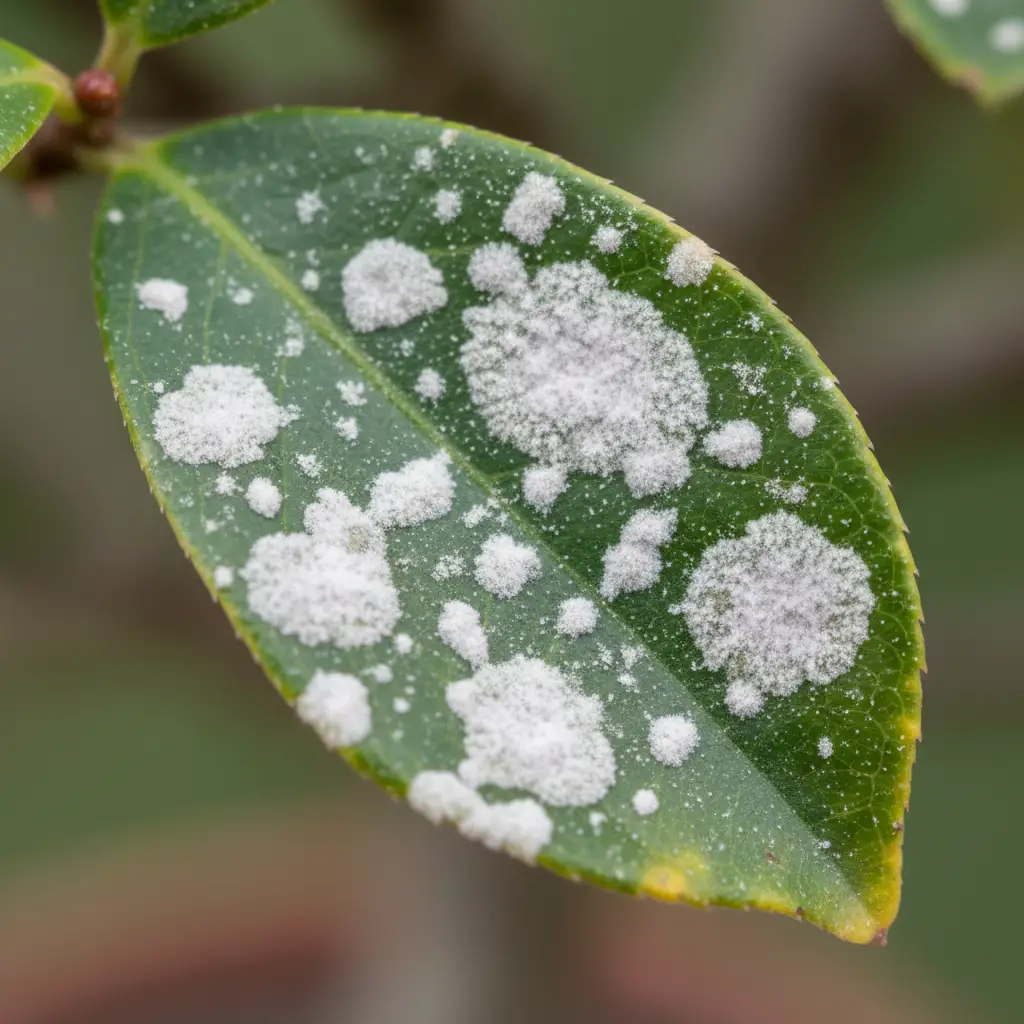
Fungi are a common enemy of bonsai. Powdery mildew appears as white, powdery spots on leaves and stems, hindering photosynthesis. Rust disease causes orange or brown spots, often on the underside of leaves. Black spot disease results in dark, circular spots, typically on rose species. These infections thrive in humid, poorly ventilated conditions.
Treating fungal issues often involves improving air circulation and reducing humidity. You might also need to use a fungicide designed for plants. Always remove infected leaves to prevent further spread. Early detection makes treatment much easier and more effective for your bonsai pest control efforts.
Bacterial Infections
Bacterial infections are less common but can be very damaging. They might cause soft rot, cankers, or leaf spots that look water-soaked or have a yellow halo. These infections often enter through wounds in the bark or leaves. Good hygiene, like sterilizing tools between uses, is vital to prevent bacterial spread.
There are few effective chemical treatments for bacterial infections in plants. Often, the best approach is to prune away infected parts, ensuring you cut into healthy tissue. Discard affected material and clean your tools thoroughly. Keeping your bonsai strong and healthy helps it naturally resist such invaders.
Environmental Stressors
Sometimes, the problem isn’t a pest or disease but the environment itself. Overwatering leads to root rot, causing leaves to yellow and drop. Underwatering results in wilting and crispy leaves. Too much or too little light can also cause stress, showing up as bleached or scorched leaves, or weak, leggy growth.
Correcting environmental issues is the first step. Check your soil moisture regularly. Ensure your bonsai gets appropriate light for its species. Protect it from extreme temperatures and harsh winds. A healthy, stress-free bonsai is much more resistant to pests and diseases.
Mastering Bonsai Pest Control: Identification and Solutions
Pests are unwelcome guests that can quickly weaken or even kill your bonsai if left unchecked. Knowing what to look for and how to act swiftly is crucial for effective bonsai pest control. Here are some of the most common pests and how to deal with them.
Aphids
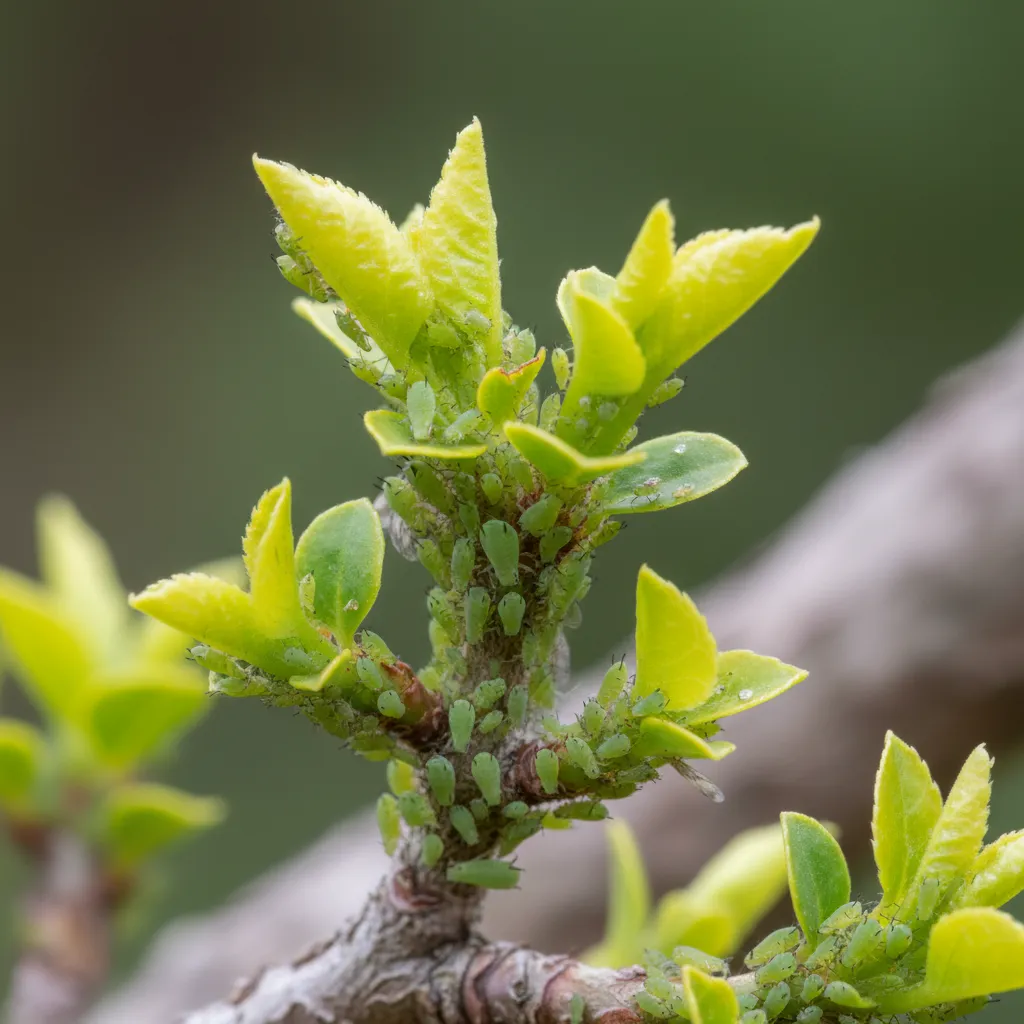
These tiny, pear-shaped insects often cluster on new growth and the undersides of leaves. They suck sap, causing leaves to curl, distort, and turn yellow. Aphids excrete a sticky substance called honeydew, which can lead to sooty mold growth.
Solution: For small infestations, a strong spray of water can dislodge them. Horticultural oil or neem oil sprays are effective organic solutions. Insecticidal soaps also work well. Repeat treatments are usually necessary to catch newly hatched aphids.
Spider Mites
Barely visible to the naked eye, spider mites are tiny arachnids that cause stippling (tiny dots) on leaves. Severe infestations result in fine webbing, especially on the undersides of leaves and between branches. Leaves may turn bronze or yellow and drop prematurely.
Solution: Increase humidity around your bonsai, as spider mites prefer dry conditions. Spraying forcefully with water can knock them off. Neem oil, insecticidal soap, or specific miticides can provide more thorough control. Ensure full coverage, especially on leaf undersides.
Scale Insects
Scale insects look like small, oval, motionless bumps on stems and leaves. They can be brown, black, or white, depending on the species. They also feed on sap and produce honeydew, leading to sooty mold. Their hard shells protect them from many sprays.
Solution: Manual removal with a soft brush or your fingernail is effective for small numbers. For larger infestations, use a cotton swab dipped in rubbing alcohol to wipe them off. Horticultural oils are good for smothering them, especially crawler stages. Repeat applications are key.
Mealybugs
These soft-bodied insects look like small, white, cottony masses in leaf axils, on stems, and under leaves. Like aphids and scale, they suck sap and excrete honeydew. They can severely stunt growth and deform leaves.
Solution: Dab mealybugs directly with a cotton swab dipped in rubbing alcohol. Systemic insecticides can be used for persistent problems, but organic options like neem oil or insecticidal soaps are often sufficient with consistent application. Isolate affected plants to prevent spread.
Caterpillars and Slugs
These larger pests are easier to spot. Caterpillars munch holes in leaves, while slugs and snails leave slime trails and ragged holes. They are typically active at night.
Solution: Hand-picking is the most direct method. For slugs and snails, you can set out shallow dishes of beer (slug traps) or use organic slug pellets. Regularly check under pots and in crevices where they might hide.
Proactive Strategies for Bonsai Pest Control
Prevention is always better than cure. By adopting a proactive approach to your bonsai care, you can significantly reduce the risk of pest infestations and diseases. A healthy bonsai is a resilient bonsai, capable of fending off many threats.
Proper Watering and Light
Overwatering can lead to root rot, a deadly fungal issue. Always check the soil moisture before watering. Allow the top inch or two of soil to dry out slightly. Similarly, ensure your bonsai receives the correct amount of light for its species. Too much sun can scorch leaves, while too little weakens the tree.
Understanding your specific bonsai species’ needs is fundamental. A jade bonsai needs different light and water than a Japanese maple. Researching your tree’s requirements will save you many headaches and contribute to successful bonsai pest control.
Good Air Circulation
Stagnant, humid air is an invitation for many fungal diseases and some pests like spider mites. Ensure your bonsai has good air circulation around it. If indoors, open windows or use a small fan. Outdoors, proper spacing between trees helps. Pruning away dense inner branches can also improve airflow within the tree’s canopy.
Soil Health and Fertilization
Healthy soil is the foundation of a healthy tree. Use a well-draining bonsai soil mix. Repotting regularly refreshes the soil and allows you to inspect roots. A balanced fertilization program, tailored to the growing season, provides the nutrients your bonsai needs to build strong defenses. Avoid over-fertilizing, as this can burn roots and attract pests.
Learn more about comprehensive soil and fertilization guides for bonsai here: Bonsai Care on Wikipedia.
Regular Inspection
Make it a habit to inspect your bonsai frequently. Look closely at the tops and undersides of leaves, stems, and the soil surface. Early detection of pests or disease symptoms allows for immediate, targeted action, preventing small problems from becoming major infestations. A magnifying glass can be a valuable tool for spotting tiny pests like spider mites.
Quarantine New Plants
Always isolate new bonsai or plants for several weeks before introducing them to your existing collection. This quarantine period allows you to observe them for any hidden pests or diseases. If an issue arises, you can treat the isolated plant without risking your entire collection.
Mastering bonsai pest control is an ongoing journey that combines vigilance, knowledge, and consistent care. By understanding the common threats and implementing these preventative and reactive strategies, you can ensure your bonsai trees remain healthy, beautiful, and a source of joy for years to come. Remember, a thriving bonsai is a testament to your dedication and skill.