Bonsai Health & Longevity in NZ: Pest, Disease & Environmental Management
Discover expert NZ bonsai pest control, disease management, and environmental strategies to ensure the health and longevity of your native New Zealand bonsai.
bonzai.co.nz
What You Will Learn
Discover expert NZ bonsai pest control, disease management, and environmental strategies to ensure the health and longevity of your native New Zealand bonsai.
Bonsai Health & Longevity in NZ: Pest, Disease & Environmental Management
Mastering the art of keeping your precious NZ native bonsai thriving against common threats.
Nurturing a bonsai is a journey of patience, artistry, and deep connection with nature. In Aotearoa, New Zealand, this journey comes with its unique set of challenges and triumphs. Our native flora, when miniaturised into breathtaking bonsai, requires specific care tailored to the local environment and its indigenous threats. This comprehensive guide is dedicated to equipping you, the discerning bonsai enthusiast, with the knowledge and strategies for robust NZ bonsai pest control, disease prevention, and environmental resilience, ensuring your living sculptures flourish for generations.
From the subtle signs of a burgeoning pest infestation to the critical adjustments needed for environmental shifts, understanding proactive health management is paramount. We’ll delve into identifying common New Zealand pests, implementing effective organic and chemical solutions, diagnosing various diseases, and mitigating environmental stressors that can compromise your bonsai’s vitality. Let’s embark on a journey to cultivate not just beautiful trees, but truly healthy and long-lived works of art.
Table of Contents
Proactive Health Management for NZ Bonsai
The cornerstone of bonsai longevity is prevention. A healthy bonsai is inherently more resistant to pests and diseases. This begins with establishing a routine of excellent horticultural practices tailored to New Zealand’s unique climate and your specific native species.
- Optimal Watering: Understand your species’ needs. Overwatering leads to root rot, while underwatering causes stress. Feel the soil; water when the top inch is dry, ensuring good drainage.
- Balanced Feeding: Provide appropriate nutrients during the growing season. Too much fertiliser can burn roots, while too little can weaken the tree.
- Adequate Light: Position your bonsai where it receives the right amount of sunlight for its species – some prefer full sun, others partial shade.
- Regular Repotting: Periodically repotting your bonsai with fresh, well-draining substrate invigorates root growth and prevents root bound conditions.
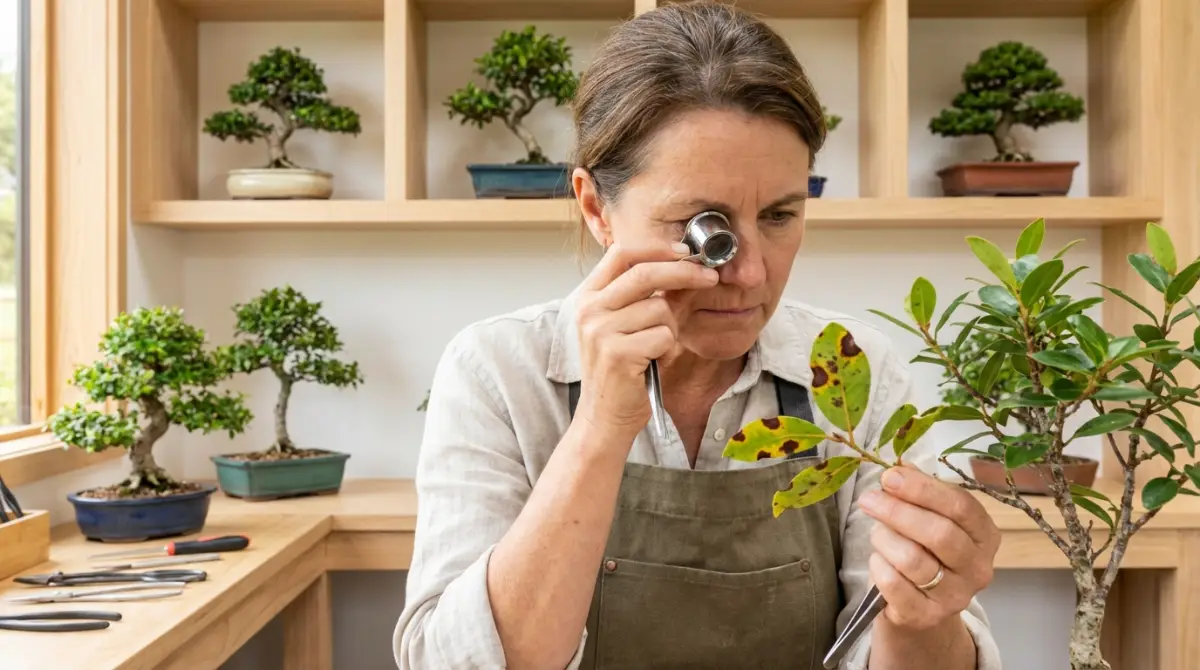
- Daily Inspection: Make it a habit to examine your bonsai closely. Look for discoloured leaves, sticky residues, tiny insects, or unusual growths. Early detection is key for effective NZ bonsai pest control.
- Quarantine New Plants: Always isolate newly acquired bonsai or nursery stock for several weeks before introducing them to your collection. This prevents potential pests or diseases from spreading.
“A healthy bonsai radiates strength and resilience, making it less susceptible to external threats. Proactive care is not just maintenance; it’s an investment in your tree’s future.”
Identifying Common Pests in NZ
New Zealand’s temperate climate supports a range of common garden pests that can unfortunately target your precious bonsai. Knowing what to look for is the first step in effective NZ bonsai pest control.
Key Pests to Watch For:
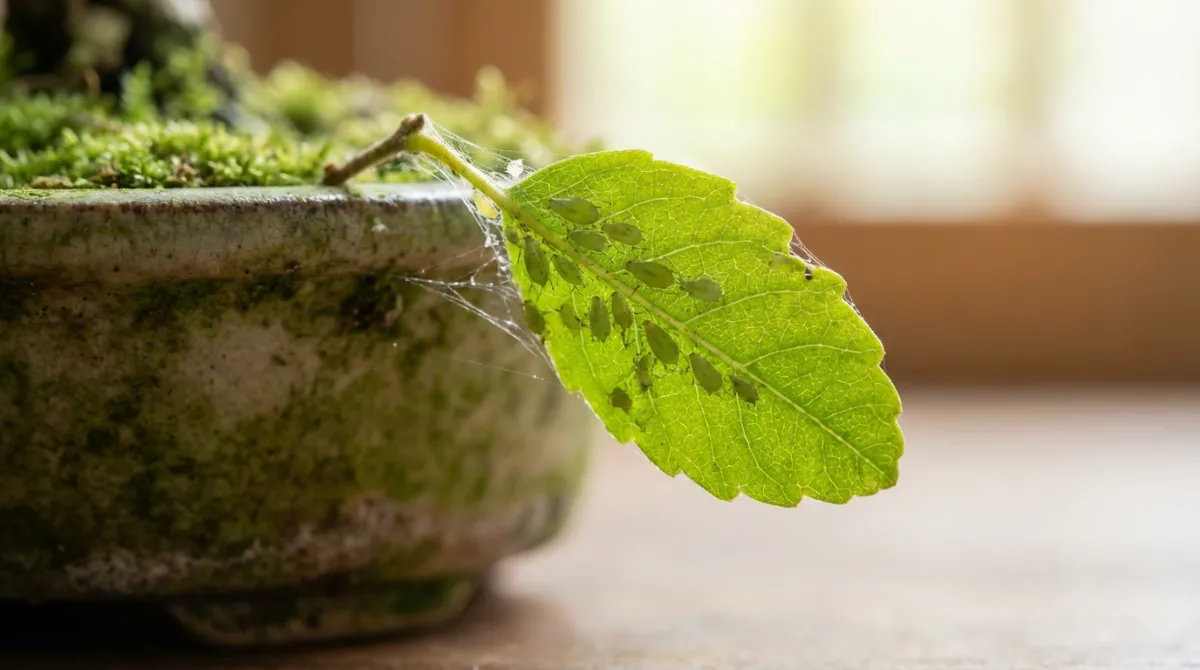
- Aphids: Small, soft-bodied insects often found on new growth, sucking sap. They can be green, black, or even red. Look for curled, distorted leaves and sticky honeydew.
- Scale Insects: Tiny, immobile insects that look like small bumps on stems and leaves. They come in various colours and produce honeydew, often leading to sooty mould.
- Mealybugs: White, cottony insects usually found in leaf axils or under leaves. They also excrete honeydew and can cause stunted growth.
- Spider Mites: Microscopic pests that thrive in hot, dry conditions. Look for fine webbing on foliage, stippled or discoloured leaves (often bronzing or yellowing).
- Thrips: Slender, tiny insects that feed by rasping plant tissues. Symptoms include silvery streaks or blotches on leaves, distorted growth, and tiny black dots of excrement.
- Caterpillars & Borers: While less common for established bonsai, various larvae can chew leaves or tunnel into branches. Look for chewed leaves, frass (excrement), or entry/exit holes.
Organic and Chemical Control Strategies
Once identified, prompt action is crucial. A multi-pronged approach, starting with the least invasive methods, is often most effective for NZ bonsai pest control. Always consider the safety of your plants, yourself, and the environment.
Step-by-Step NZ Bonsai Pest Control:
- Manual Removal & Water Blasting: For small infestations, simply pick off larger pests or use a strong jet of water (gentle enough not to damage foliage) to dislodge aphids and mites. This is often the first line of defence.
- Organic Solutions (Bio-Pesticides):
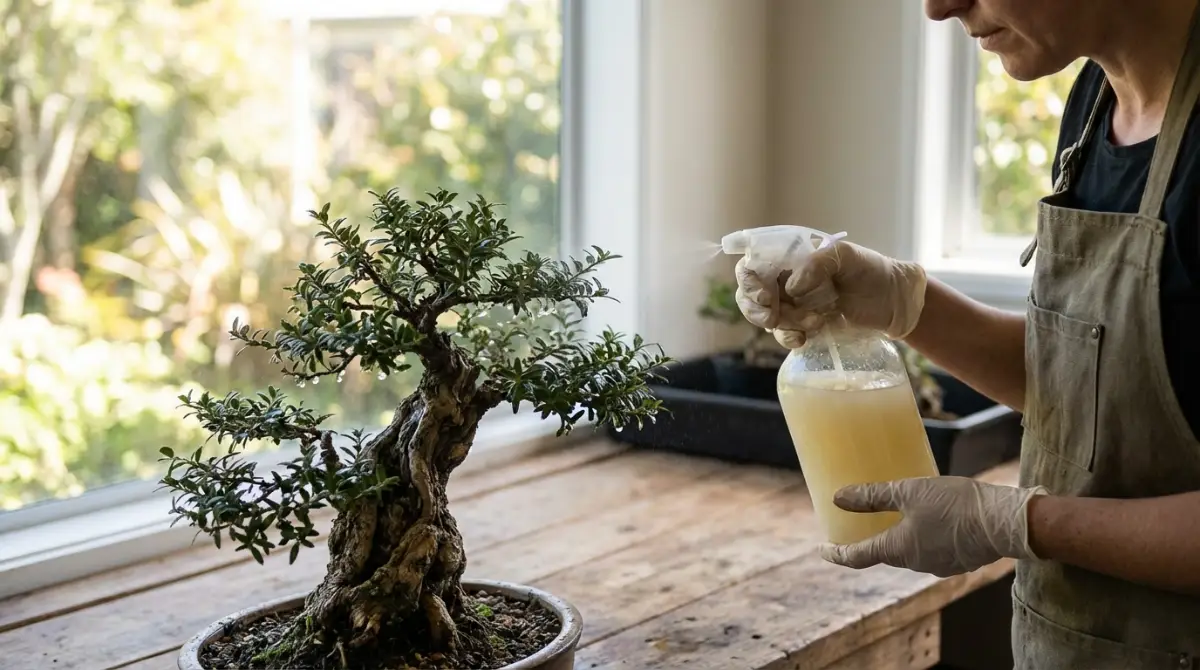
- Neem Oil: A natural insecticide and fungicide derived from the neem tree. It disrupts insect feeding and reproduction. Mix according to instructions and spray thoroughly.
- Horticultural Oils: These oils smother soft-bodied pests. Apply during cooler parts of the day to avoid leaf burn, ensuring full coverage.
- Insecticidal Soaps: Specially formulated soaps that break down the protective outer layer of soft-bodied insects, causing dehydration.
- Biological Control (Beneficial Insects): While more common in larger gardens, consider introducing beneficial insects like ladybirds (for aphids) if you have an enclosed growing area or a significant, persistent problem. Ensure your environment supports them.
- Chemical Intervention (Last Resort): For severe or persistent infestations, targeted chemical pesticides may be necessary. Always choose products specifically labelled for ornamentals and follow the application instructions precisely. In New Zealand, ensure the product is approved for home garden use and is suitable for your specific bonsai species. Apply in a well-ventilated area, wearing appropriate protective gear. Focus on systemic insecticides for borers, or contact sprays for surface pests.
Diagnosing & Treating Bonsai Diseases
Beyond pests, bonsai can succumb to various diseases, primarily fungal and bacterial, often exacerbated by environmental stress or poor cultural practices. Early diagnosis is critical for effective treatment.
Common Bonsai Diseases and Their Symptoms:
- Fungal Diseases (e.g., Powdery Mildew, Rust, Leaf Spot): Look for white powdery patches on leaves, orange/brown spots (rust), or dark, irregularly shaped spots. These often thrive in humid, poorly ventilated conditions.
- Root Rot: The most common and often fatal bonsai disease, caused by overwatering and poor drainage. Symptoms include yellowing leaves, wilting, stunted growth, and eventually soft, foul-smelling roots.
- Cankers: Sunken, discoloured areas on branches or trunks, often caused by fungal or bacterial infections entering through wounds.
- Bacterial Blight: Can cause dark, water-soaked spots on leaves that turn brown or black, leading to rapid wilting.
Treatment Strategies:
- Pruning: Immediately remove and destroy affected leaves, branches, or roots (sterilise tools between cuts).
- Improved Airflow: Prune dense foliage to increase air circulation, especially crucial for preventing fungal issues.
- Fungicides: For persistent fungal problems, apply an appropriate fungicide. Ensure it’s suitable for your bonsai species and observe all safety instructions.
- Repotting for Root Rot: If root rot is caught early, repotting into fresh, well-draining soil and pruning away diseased roots can save the tree.
- Sanitation: Clean up fallen leaves and debris around your bonsai to remove potential disease spores.
Environmental Stressors & Prevention
Even without pests or diseases, environmental factors can severely impact your bonsai’s health and longevity. New Zealand’s diverse climate requires thoughtful placement and protection.
Common Environmental Threats:
- Extreme Temperatures: Both intense heat and severe cold can damage roots and foliage. NZ summers can be hot, and winters can bring frosts, especially inland.
- Strong Winds: Wind can rapidly dry out soil and foliage, causing desiccation and physical damage to branches.
- Insufficient Humidity: Many bonsai species prefer higher humidity than typically found in indoor or exposed outdoor environments.
- Improper Light Exposure: Too much direct sun can scorch leaves; too little light leads to weak, leggy growth.
- Poor Water Quality: High chlorine or mineral content in tap water can accumulate and harm bonsai roots over time. Consider filtered water or rainwater.
Action Checklist – Ensuring Bonsai Environmental Resilience:
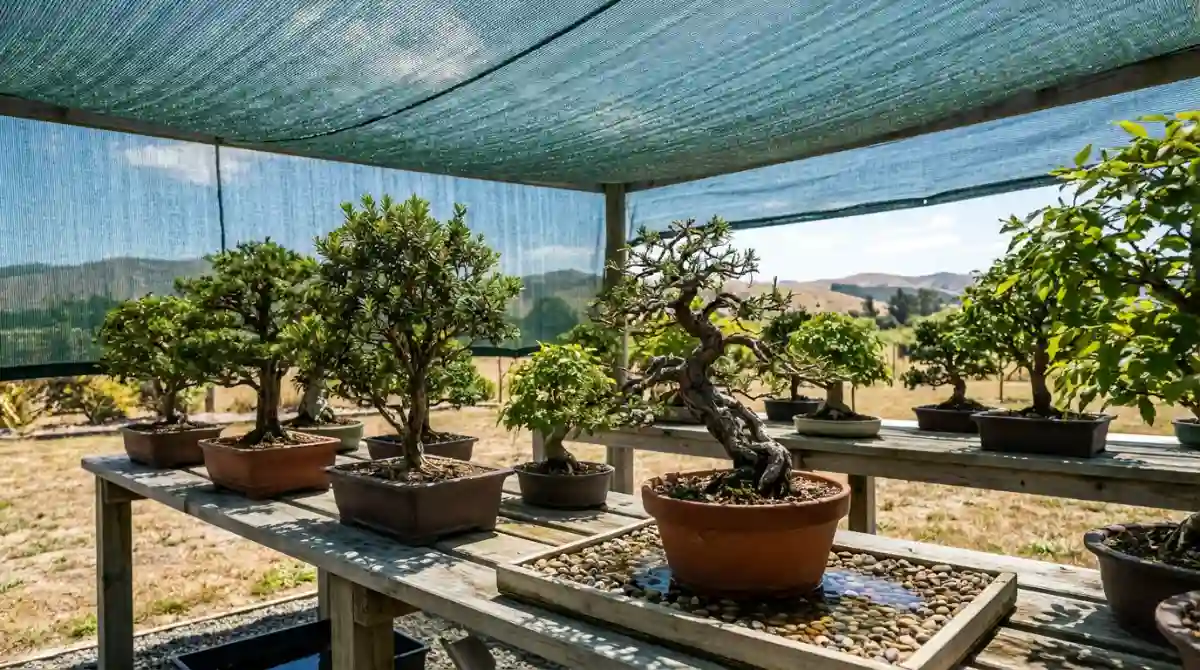
- Monitor Weather: Stay aware of local weather forecasts and move or protect your bonsai accordingly (e.g., frost covers, shade cloths).
- Optimal Placement: Choose locations that provide appropriate light, protection from strong winds, and adequate humidity. Rotate your bonsai regularly to ensure even growth.
- Humidity Trays: Place your bonsai pot on a tray filled with pebbles and water (ensure the pot is above the water level) to increase local humidity. Misting can also provide temporary relief.
- Water Wisely: Use collected rainwater or allow tap water to sit for 24 hours to dissipate chlorine. Always check soil moisture before watering.
- Windbreaks: Utilise natural or artificial windbreaks if your bonsai is in an exposed position.
Conclusion
Mastering NZ bonsai pest control, disease management, and environmental protection is an ongoing process that enriches your bonsai journey. By adopting a proactive mindset, regularly inspecting your trees, understanding the specific threats in New Zealand, and applying timely, appropriate interventions, you can ensure your miniature masterpieces not only survive but truly flourish.
Remember, every yellow leaf, every sticky spot, and every environmental change tells a story. Learning to read these signals and respond with informed care is the ultimate secret to cultivating magnificent, long-lived bonsai in Aotearoa. Your dedication will be rewarded with years of serene beauty and vibrant health.
Frequently Asked Questions
What are the most common pests affecting NZ native bonsai?
In New Zealand, common pests for bonsai include aphids, scale insects, mealybugs, and spider mites. Regular inspection of new growth and leaf undersides is crucial for early detection and effective NZ bonsai pest control.
When should I use chemical pesticides on my bonsai?
Chemical pesticides should generally be a last resort, used only after organic and manual methods have proven insufficient for effective NZ bonsai pest control. Always ensure the product is suitable for ornamentals, approved for use in NZ, and follow all instructions for application and safety.
How can I protect my bonsai from harsh NZ weather conditions?
To protect your bonsai from New Zealand’s weather extremes, monitor forecasts and move trees indoors or to sheltered areas during frosts, strong winds, or intense heatwaves. Use shade cloths for sun protection and humidity trays to combat low humidity. Proper placement is key to mitigating environmental stress.
What are the signs of root rot in bonsai and how is it treated?
Signs of root rot include yellowing or wilting leaves, stunted growth, and a general decline in vigour. The roots themselves may appear dark, mushy, and smell foul. Treatment involves promptly repotting the bonsai into fresh, well-draining soil, carefully pruning away all diseased roots, and adjusting watering practices to prevent future overwatering.