Mastering Effective Bonsai Fungal Disease Solutions for a Healthy Tree
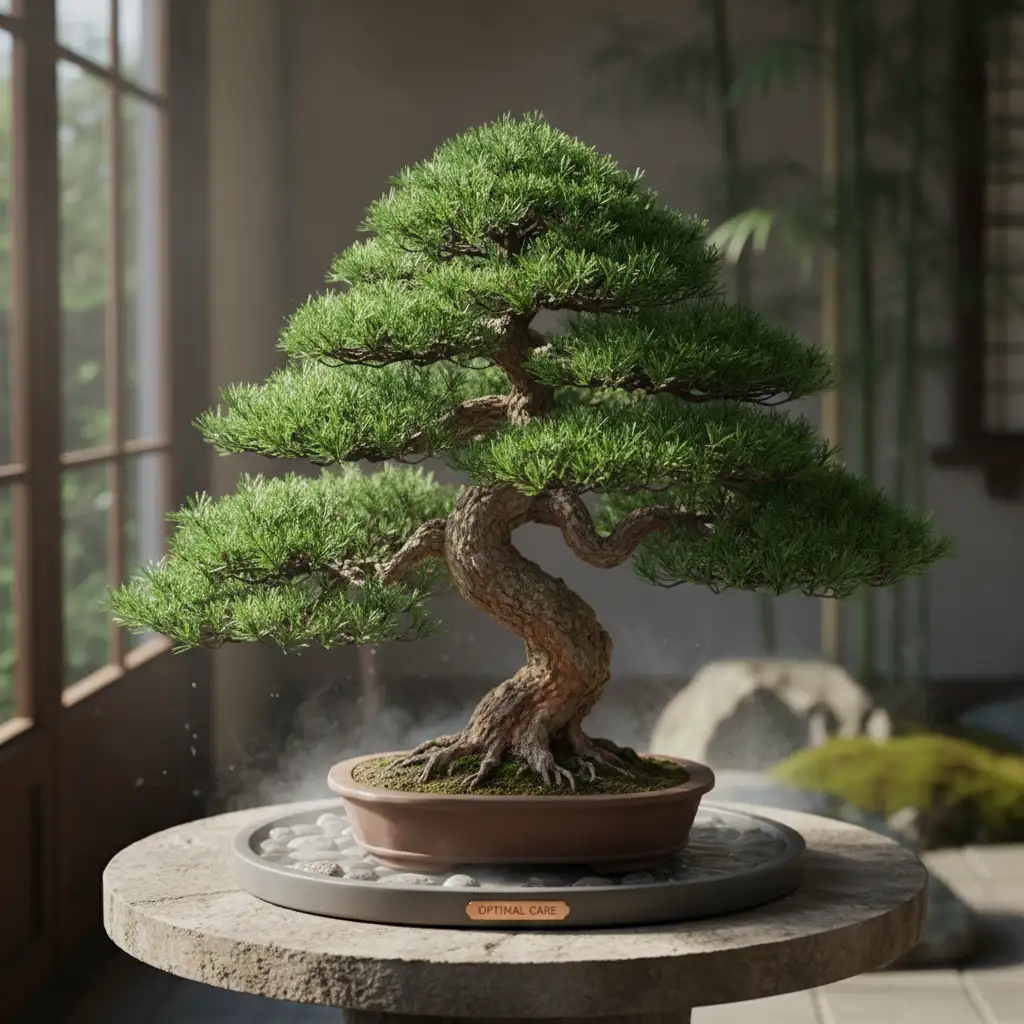
Bonsai trees bring peace and beauty to any home or garden. However, like all living plants, they can face health challenges. One common threat is fungal disease. Understanding and applying effective bonsai fungal disease solutions is key to keeping your miniature tree thriving. This guide will walk you through identifying, treating, and preventing these common issues, ensuring your bonsai remains a vibrant masterpiece for years to come.
Bonsai fungal disease solutions encompass a range of practices from early detection and precise identification to targeted treatments and proactive prevention. Essentially, it’s about understanding and implementing the best strategies to combat fungal infections, ensuring the long-term health and vitality of your miniature tree. This holistic approach is crucial for maintaining a resilient bonsai ecosystem and is a vital aspect of dedicated bonsai care.
Table of Contents
Identifying Common Fungal Infections
Early detection is vital when dealing with fungal diseases. Fungi can spread quickly, causing significant damage if not addressed promptly. Learning to spot the first signs of trouble can save your bonsai, preventing irreversible damage and protecting your investment in this living art form. Regular, thorough inspections are your first line of defense among effective bonsai fungal disease solutions. Aim to examine your tree weekly, paying close attention to both the top and undersides of leaves, the bark, and the soil surface. Look for any abnormalities in color, texture, or growth pattern.
Common Symptoms to Look For
Fungal infections manifest in various ways, often affecting leaves, branches, or even the roots. Keep an eye out for these tell-tale signs, which can help you pinpoint the specific issue:
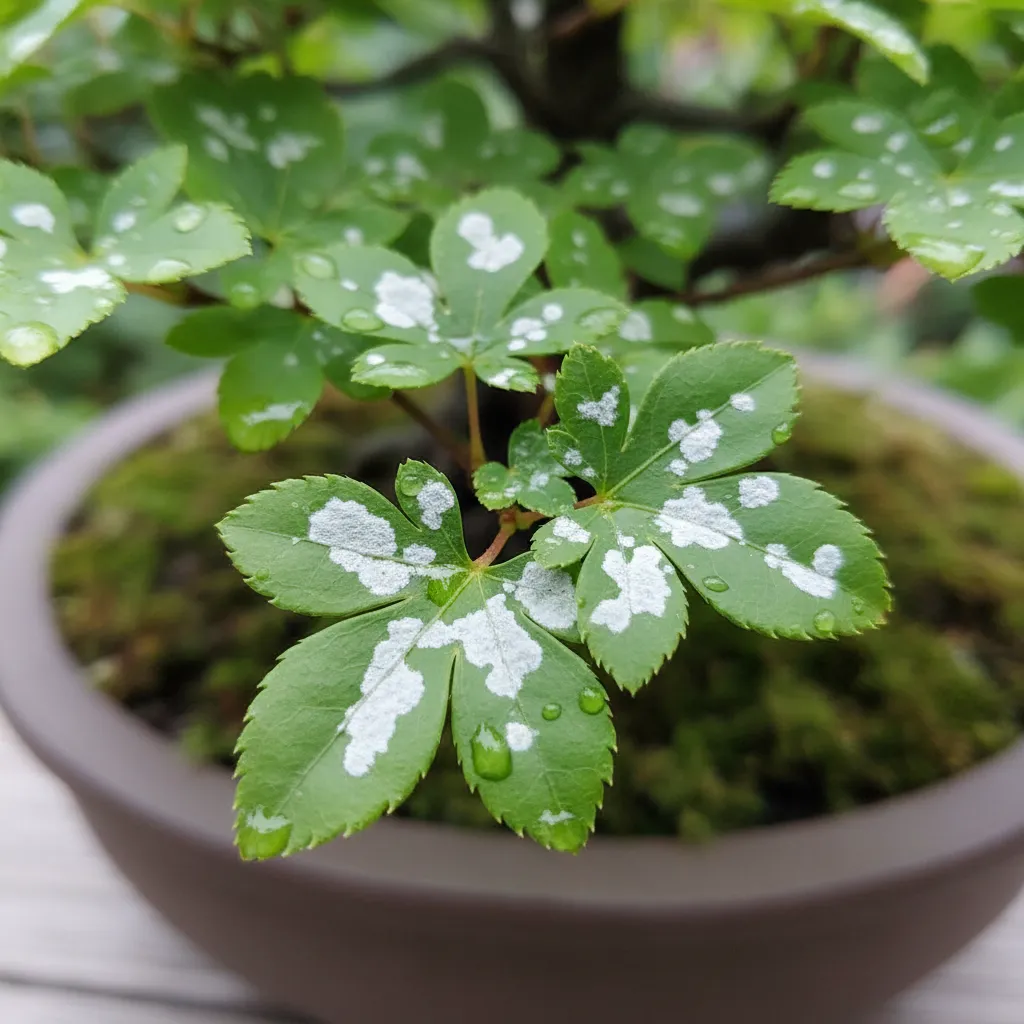
- Powdery Mildew: White, powdery spots on leaves and stems. These can look like dust but won’t wipe off easily. Often appears in humid, warm conditions with poor air circulation.
- Black Spot: Dark, circular spots with yellow halos on leaves, often leading to defoliation. Commonly seen on roses, but can affect some bonsai species, especially maples.
- Rust: Orange or reddish-brown pustules, usually on the undersides of leaves. These can resemble rust on metal and may release spores when touched.
- Sooty Mold: A black, velvety coating on leaves and branches. This often indicates a prior insect infestation (like aphids or scale) that excreted honeydew, on which the mold then grows. For comprehensive details on pest identification and organic solutions, refer to our guide on Common Pests of NZ Native Bonsai: Identification & Organic Solutions.
- Root Rot: Wilting, yellowing leaves, soft bark, and a foul smell from the soil. This is often caused by overwatering or poorly draining soil, leading to anaerobic conditions.
- Cankers: Sunken, discolored areas on branches or trunks, which can girdle and kill parts of the tree. These open wounds make the tree vulnerable to further infection. Understanding potential issues like Bonsai Branch Dieback Causes can help you address such vulnerabilities proactively.
Understanding the Causes and Inspection Techniques
Fungi thrive in specific conditions. High humidity, poor air circulation, and overwatering are common culprits. A weak or stressed tree is also more susceptible to disease. Our experts at Bonzai always emphasize creating an optimal environment to prevent these issues. Beyond visual checks, gently probe the soil to check moisture levels, and ensure your bonsai is receiving adequate light and ventilation. Early identification is a cornerstone of effective bonsai fungal disease solutions.
Natural Fungicide Options for Bonsai Care
For those who prefer a gentler approach or are dealing with mild infections, several natural bonsai fungal disease solutions are available. These options are often eco-friendly and safe for use around pets and children, making them excellent choices for integrated pest management.
Neem Oil Applications
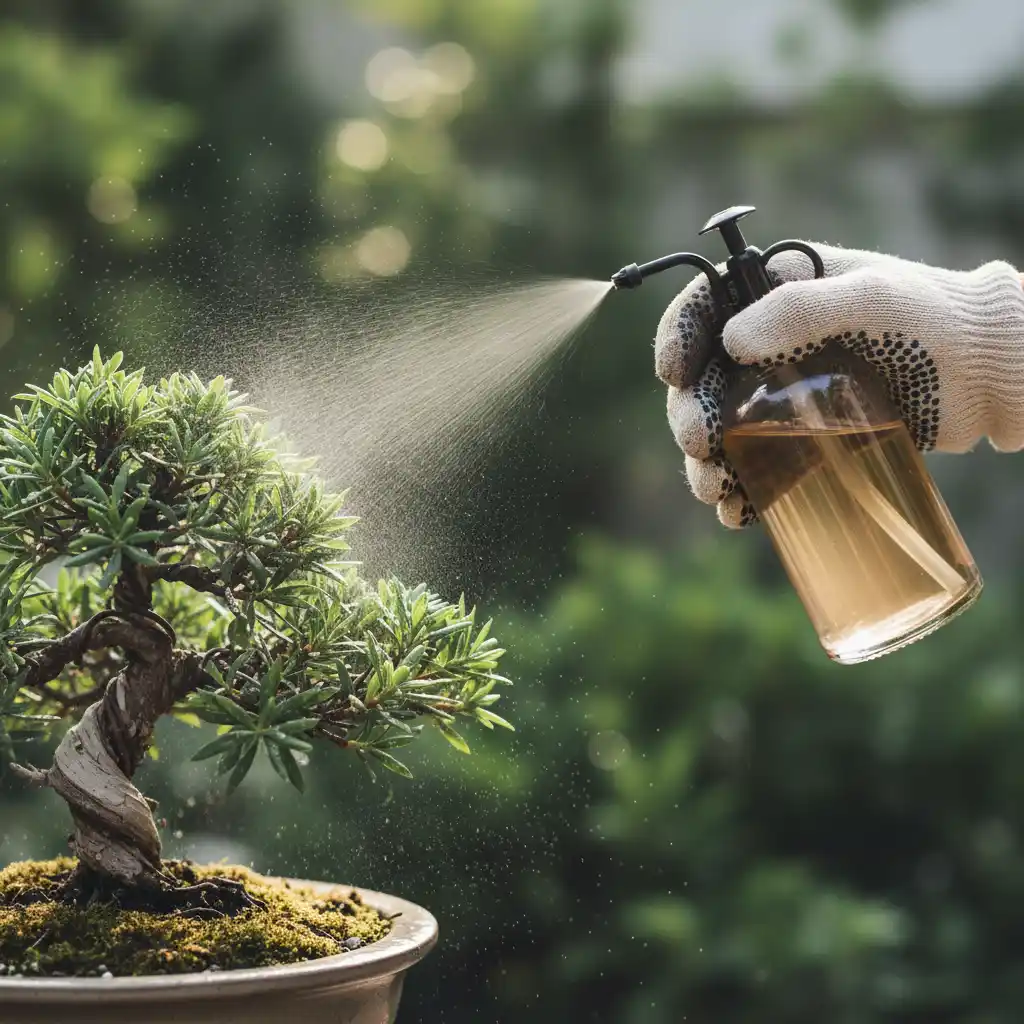
Neem oil is a popular organic pesticide and fungicide, derived from the neem tree. It works by disrupting fungal growth, acting as an anti-feedant, and repelling pests. Mix according to package directions, typically with water and a small amount of mild soap or horticultural surfactant, then spray your bonsai thoroughly. Ensure complete coverage of all leaf surfaces, top and bottom, and stems. Apply every 7-10 days until the infection clears, preferably in the evening to avoid leaf burn.
Baking Soda Spray
A simple mixture of baking soda (sodium bicarbonate) can effectively combat powdery mildew. Dissolve one tablespoon of baking soda and one tablespoon of horticultural oil or mild liquid soap in a gallon of water. Spray infected leaves every few days. The baking soda changes the pH on the leaf surface, making it less hospitable for fungi. Test this solution on a small area first, as some sensitive plants may react negatively.
Cinnamon Powder
Cinnamon isn’t just for baking; it has natural antifungal properties. You can lightly dust cinnamon powder on soil to deter damping-off in seedlings or sprinkle it on fresh cuts and wounds during pruning to prevent fungal entry. Its natural compounds act as a barrier against various pathogens, making it a surprisingly effective preventative measure, especially after repotting or major cuts.
Apple Cider Vinegar Dilution
For very mild cases, a diluted apple cider vinegar solution can be helpful. Mix one part apple cider vinegar with 10 parts water. Use this sparingly as a spray on affected areas, primarily for surface molds or light fungal growth. Always test on a small, inconspicuous section of your bonsai first to ensure it doesn’t harm your specific species, as the acidity can sometimes be too strong.
Chemical Treatments for Stubborn Fungi
When natural remedies aren’t enough, or if the infection is severe and spreading rapidly, chemical fungicides may be necessary. Always read and follow product instructions carefully, and wear appropriate protective gear to ensure safety for both you and your bonsai. Using chemical bonsai fungal disease solutions should be a last resort, but can be highly effective.
Understanding Fungicide Types
Fungicides typically fall into two categories, each with a different mode of action:
- Contact Fungicides: These work on the plant surface, killing fungi they come into direct contact with. They offer immediate protection but require thorough application and reapplication, as new growth won’t be protected.
- Systemic Fungicides: These are absorbed by the plant and move throughout its tissues, protecting new growth as well as existing foliage. They offer longer-lasting protection and can treat infections within the plant.
Common Active Ingredients
Look for fungicides containing active ingredients known to be effective against a broad range of fungal issues or specific ones you’ve identified:
- Copper-based fungicides: Effective against a broad spectrum of diseases, including blights, mildews, and leaf spots. These are often used as preventative sprays.
- Sulfur-based fungicides: Good for powdery mildew, rust, and black spot. Sulfur can also have some miticidal properties.
- Myclobutanil or Propiconazole: These are systemic options that provide broader control against various fungal issues, including rusts, mildews, and some blights.
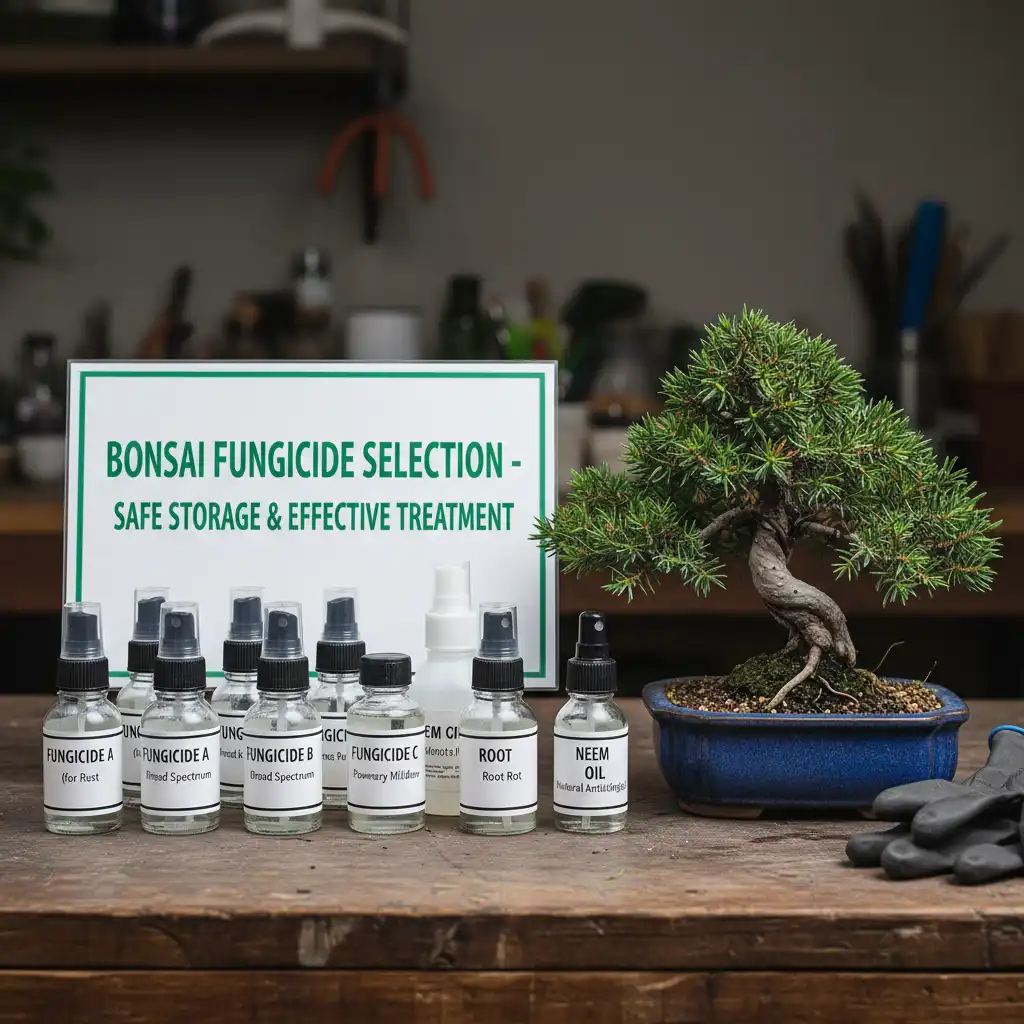
Always choose a fungicide specifically labeled for ornamental plants or bonsai to ensure it is safe for your tree. For more in-depth information on fungicide types and safety, you can consult resources like Wikipedia’s Fungicide page.
Safe Application Practices
When applying chemical bonsai fungal disease solutions, safety is paramount. Proper handling protects both you and your environment:
- Wear gloves, eye protection, and a mask to prevent exposure to chemicals.
- Apply in a well-ventilated area, preferably outdoors, away from other plants, pets, and children.
- Follow the dilution rates precisely to avoid harming your bonsai, as over-concentration can cause chemical burn.
- Do not apply during high heat or direct sunlight, which can cause leaf burn and reduce efficacy. The cooler parts of the day are best.
- Store chemicals safely in their original containers, away from children, pets, and food, in a cool, dry place.
Advanced Prevention Strategies for a Healthy Bonsai
Prevention is always better than cure. By implementing sound horticultural practices, you can significantly reduce the risk of fungal diseases. Proactive care is the best of all bonsai fungal disease solutions, creating a robust and resilient plant that can ward off most threats naturally.
Optimal Watering Techniques
Overwatering is a leading cause of root rot, creating an anaerobic environment where harmful fungi thrive. For a complete guide on how much and how often to water, explore our article on Watering Bonsai Trees: How Often & How Much. You might also find valuable insights in Advanced Bonsai Watering Systems & Tips. Ensure your bonsai pot has adequate drainage holes and is placed on a drip tray that is emptied regularly. Water only when the top inch of soil feels dry to the touch, and ensure water drains freely from the bottom. Good drainage and allowing the soil to dry slightly between waterings are crucial for root health.
Ensuring Good Air Circulation
Stagnant, humid air is a breeding ground for fungi. Place your bonsai in an area with good air movement. If growing indoors, consider a small fan to gently circulate air around your tree for a few hours daily. When arranging multiple trees, ensure they are not too close together, allowing air to flow freely around them and through their foliage, which helps to dry leaves quickly after watering.
Pruning for Health
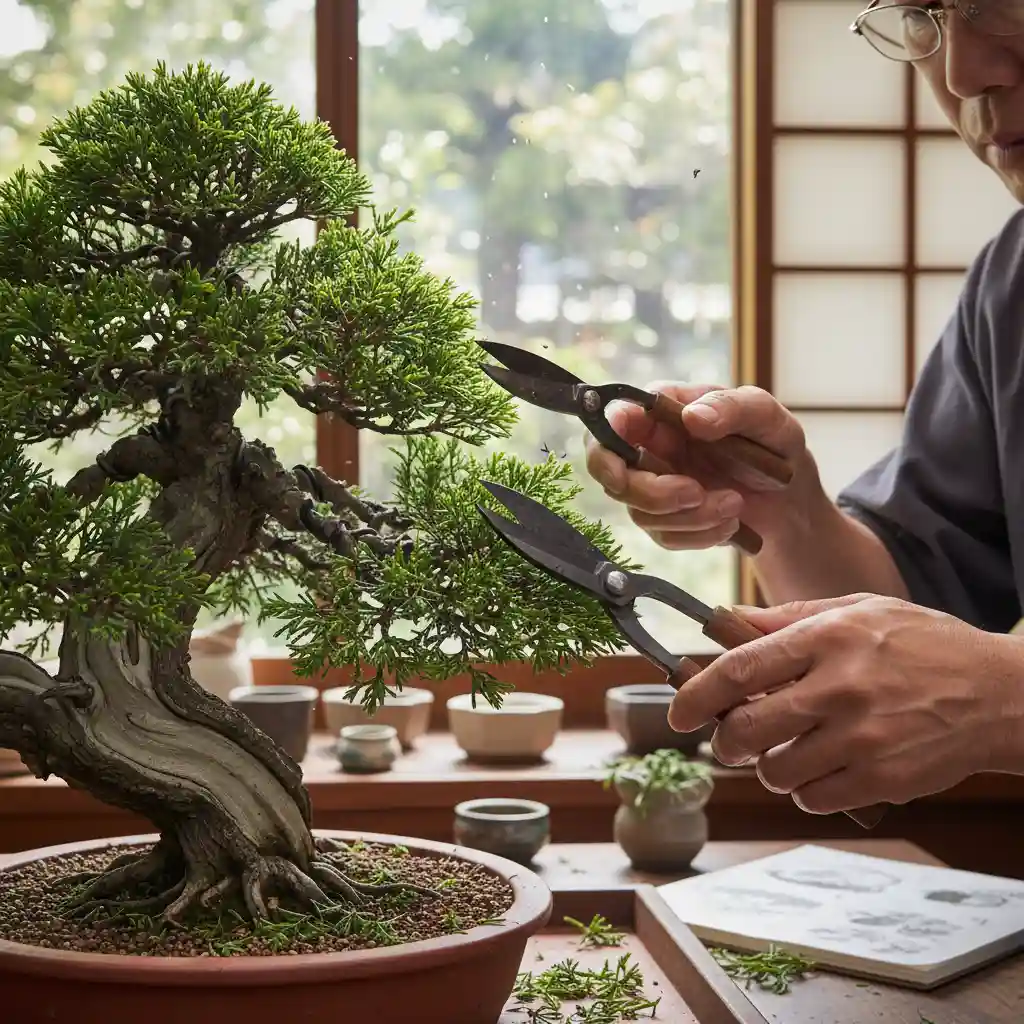
Regular pruning not only shapes your bonsai but also improves air circulation within the canopy, reducing humid microclimates. For advanced techniques, explore Bonsai Pruning for Refinement and Ramification. Remove any dead, diseased, or overly dense leaves and branches immediately. Always sterilize your pruning tools before and after each use with rubbing alcohol or a bleach solution to prevent disease spread from one part of the tree to another, or from one tree to another.
Proper Soil Management
Use a well-draining Bonsai Soil, Fertilization & Nutrition designed to prevent waterlogging while retaining essential nutrients. Heavy, water-retentive soils hold too much moisture, encouraging fungal growth. Repot your bonsai regularly (typically every 1-3 years depending on species and age) to refresh the soil, trim roots, and inspect them for any signs of disease. This proactive step is one of the most effective bonsai fungal disease solutions.
Seasonal Care for 2025 and Beyond
Pay close attention to seasonal changes and adjust your care routine accordingly. In humid summer months, increase air circulation and be vigilant about watering. During cooler, wetter periods, reduce watering frequency and ensure protection from excessive moisture. Proactive seasonal adjustments are key to maintaining long-term health and preventing future fungal outbreaks, ensuring your bonsai thrives through 2026 and beyond. For more detailed seasonal guidance, including Spring Care for Bonsai SH and understanding Seasonal Inversion for Bonsai Care, adapting your routine to the specific needs of your tree is essential.
Species-Specific Fungal Vulnerabilities
While general care applies to all bonsai, some species have particular susceptibilities to fungal infections. Knowing your tree’s specific needs and common ailments can further enhance your prevention and treatment efforts, making your approach to bonsai fungal disease solutions more targeted and effective.
Common Bonsai Types and Their Fungal Risks
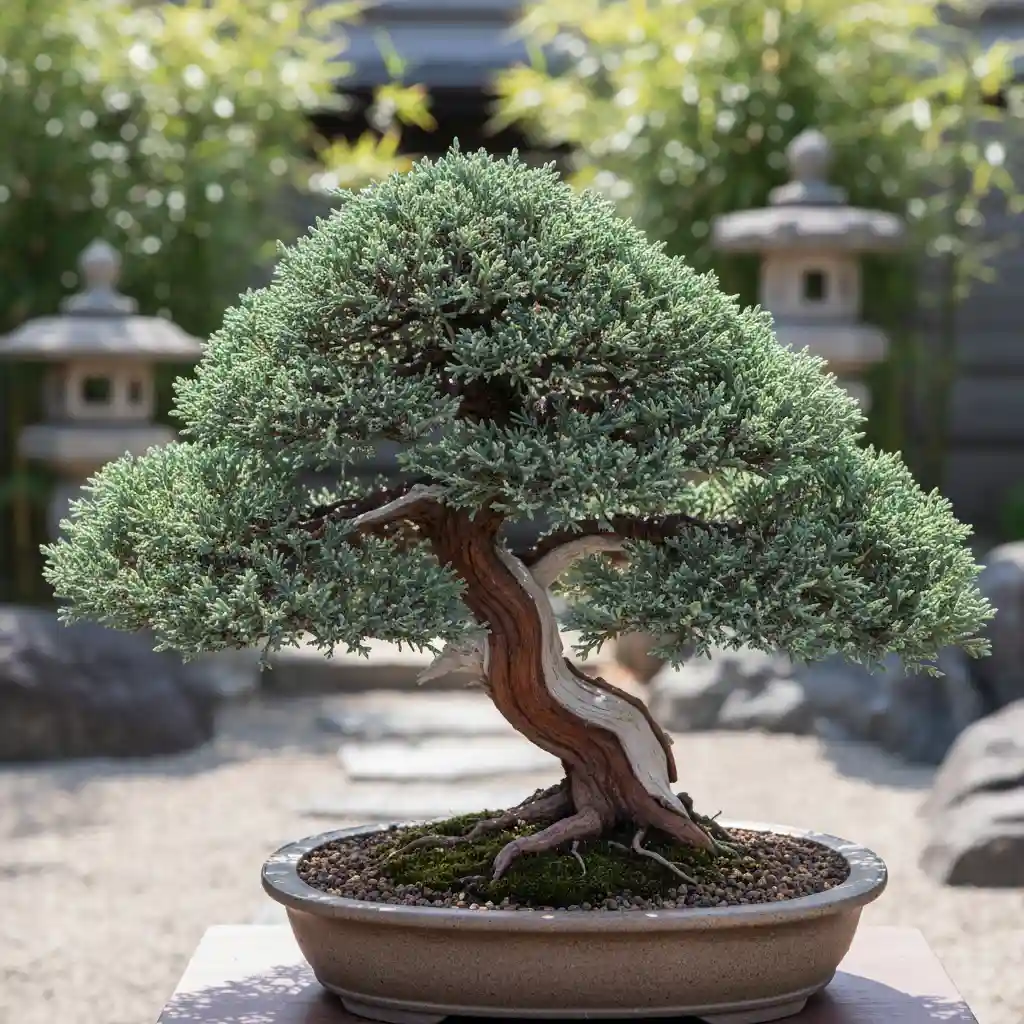
- Junipers: Often prone to various blights and rusts, especially if kept too wet or in poor air circulation. Symptoms may include browning tips or needle drop. Ensure sharp drainage and ample airflow.
- Pines: Can suffer from needle casts or rusts, often exacerbated by high humidity and infrequent air movement. Good drainage is crucial to prevent root issues, and careful watering prevents surface molds.
- Maples: Susceptible to powdery mildew, particularly during humid periods or when air circulation is poor. Ensuring good airflow around leaves is vital, and a preventative neem oil spray can be beneficial. They can also get black spot.
- Ficus: Generally quite resilient but can get leaf spot diseases if conditions are too damp and stagnant, or if exposed to cold drafts. Maintain consistent warmth and humidity, but ensure good ventilation.
- Elms: Can experience problems like black spot or various cankers, especially with environmental stress. Regular pruning to improve canopy air circulation and prompt removal of affected areas are key.
Understanding these predispositions allows for more targeted preventative care. For instance, a Juniper might need more attention to pruning for air circulation and careful site selection, while a Maple might benefit from a prophylactic neem oil spray during high-humidity seasons. Adapting your care based on your specific bonsai species significantly improves the efficacy of your bonsai fungal disease solutions. For those cultivating unique native species, such as the iconic Pohutukawa Bonsai: Care & Styling for NZ’s Christmas Tree, specific care guides are also available.
By diligently applying these identification, treatment, and prevention strategies, you can master bonsai fungal disease solutions. Regular observation, proper environmental control, and timely intervention are the cornerstones of maintaining a healthy and beautiful bonsai tree. Trust Bonzai to provide you with the resources to keep your miniature tree flourishing through 2025 and beyond, ensuring a vibrant future for your living art.