Bonsai Fundamentals & Philosophy: Cultivating Miniature Art
Welcome to the captivating world of bonsai, where the art of cultivating miniature trees intertwines with profound philosophical principles. Understanding Bonsai Fundamentals & Philosophy is key to embarking on this rewarding journey. It’s a practice that teaches patience, respect for nature, and an appreciation for the subtle beauty found in miniature landscapes. Whether you’re a beginner or seeking to deepen your knowledge, this guide will illuminate the essential techniques and the timeless wisdom behind this ancient art form.
Bonsai Fundamentals & Philosophy encompasses the art of cultivating miniature trees with horticultural techniques and profound spiritual principles. It emphasizes patience, balance, and harmony with nature, teaching growers to create living sculptures that reflect the beauty and wisdom of ancient, full-sized trees.
Understanding Bonsai’s Enduring Appeal
Bonsai is far more than just growing small trees; it’s a living art form that merges horticulture with aesthetics. Its allure lies in the ability to capture the essence of ancient, full-sized trees and grand natural landscapes within a compact, pot-bound form. This practice offers a unique connection to nature, even in urban environments, making it globally cherished. It is a true expression of Bonsai Fundamentals & Philosophy.
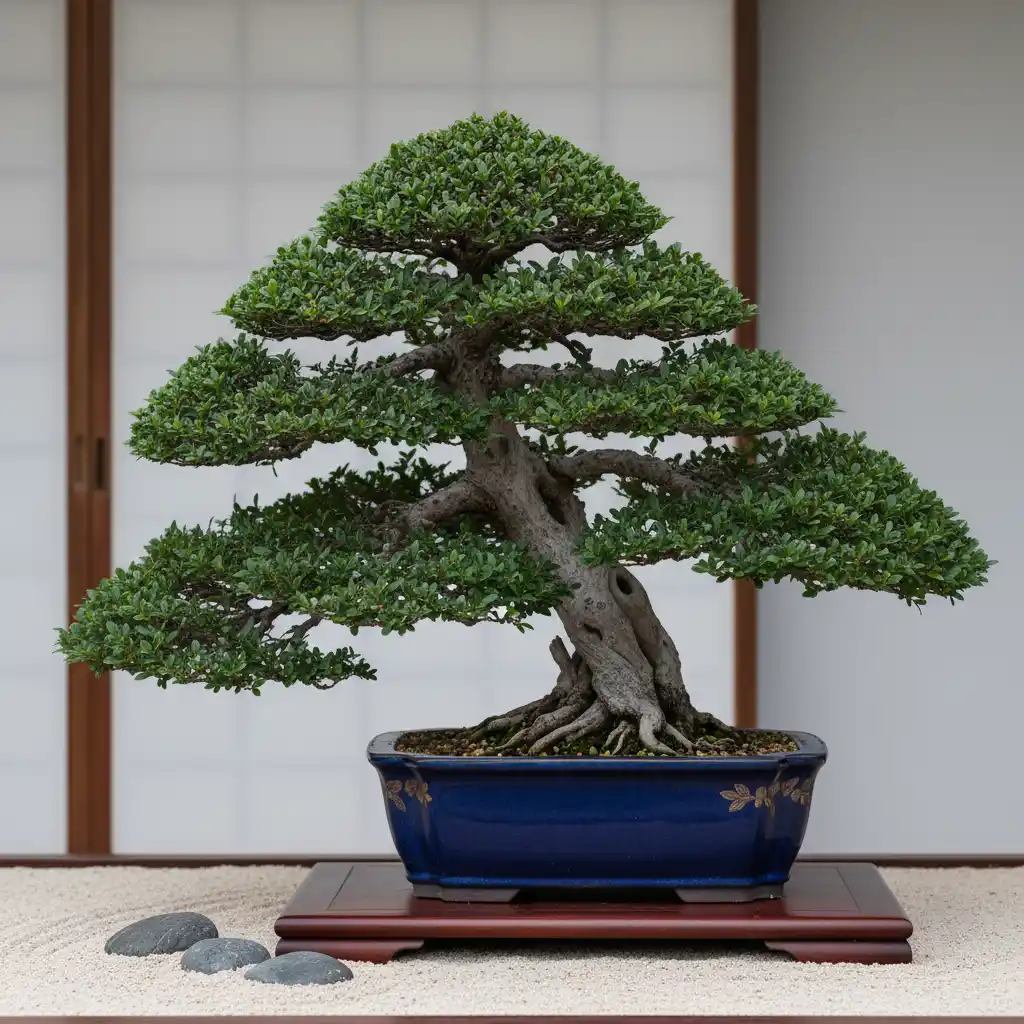
More Than Just a Plant: A Living Sculpture
Every bonsai tree is a carefully crafted sculpture, a testament to the grower’s vision and dedication. It requires an artist’s eye to envision the tree’s future shape and a gardener’s hand to bring it to life. Unlike static art, bonsai is dynamic, constantly evolving, and requiring ongoing interaction. This continuous process fosters a deep bond between the artist and their living masterpiece.
The miniature scale invites close inspection, revealing intricate details often overlooked in larger trees. This intimacy is a core part of its charm.
The Rich History of Bonsai
The roots of bonsai can be traced back over a thousand years to ancient China, where it was known as ‘Penjing’. It later evolved in Japan into the art form we recognize today. Initially reserved for the elite, bonsai eventually spread, captivating enthusiasts worldwide. Each style and technique carries centuries of tradition, passed down through generations of master growers.
Understanding this heritage enriches the cultivation experience, connecting modern practitioners to a long line of dedicated artists. This history underscores the depth of Bonsai’s aesthetic and philosophical impact.
Essential Bonsai Cultivation Techniques
Mastering the fundamental techniques is crucial for anyone engaging with bonsai. These practices ensure the health of your tree while guiding its artistic development. Patience and consistency are your most valuable tools, transforming ordinary saplings into stunning miniature works of art. Effective application of these techniques underpins successful Bonsai Fundamentals & Philosophy.
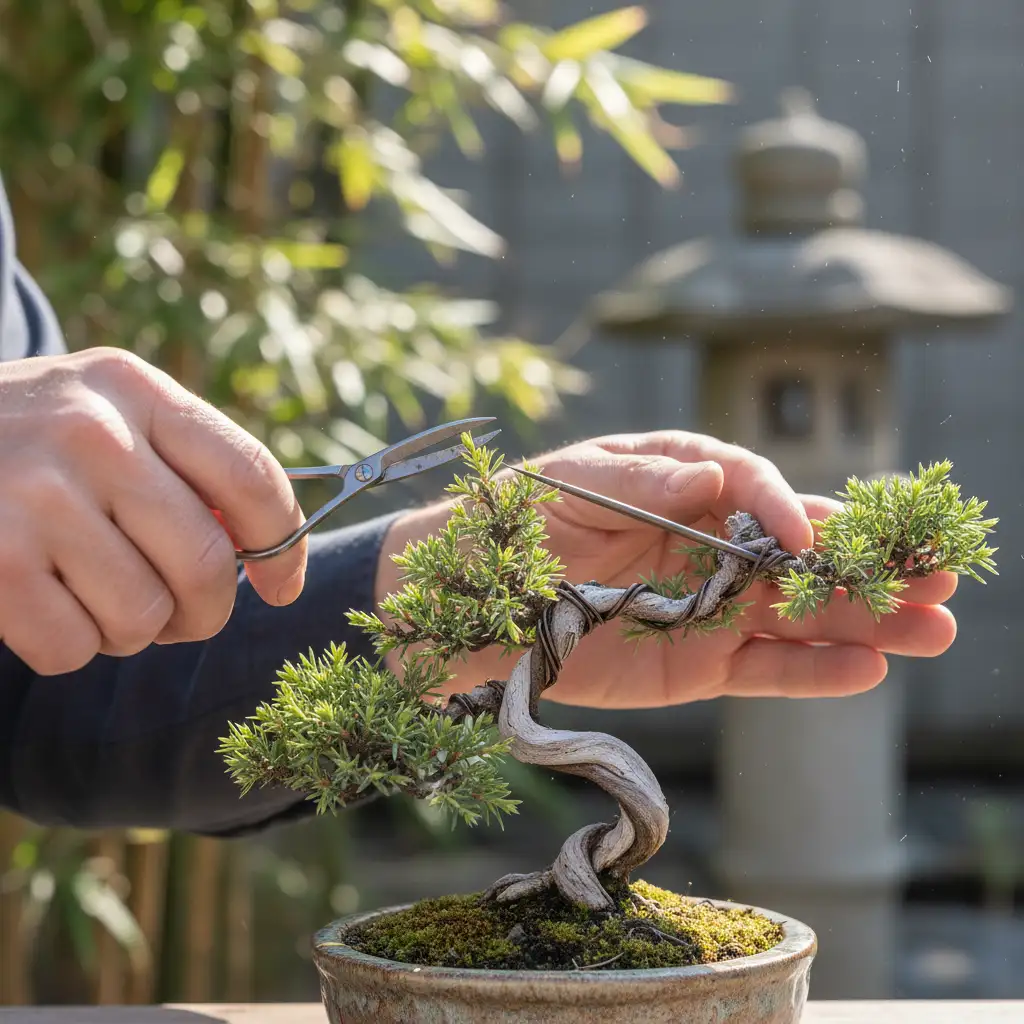
Choosing the Right Tree Species
Selecting the appropriate tree species is the first vital step. Beginners often start with resilient varieties like Ficus, Juniper, or Chinese Elm, which are more forgiving. Consider your local climate and the tree’s natural growth habits. Researching specific needs, such as light, temperature, and humidity, ensures your chosen tree thrives.
- Deciduous: Maples, Elms, Larches, known for seasonal changes.
- Evergreen: Pines, Junipers, Ficus, providing year-round foliage.
- Flowering/Fruiting: Azaleas, Crabapples, bringing seasonal color.
The right choice sets the foundation for a healthy and beautiful bonsai.
Potting and Repotting Techniques
Bonsai pots are not merely decorative; they are essential to controlling growth and root development. Repotting, typically every 1-3 years, involves carefully pruning the roots and refreshing the soil. This prevents the tree from becoming root-bound and encourages new, fine root growth, vital for nutrient uptake. A well-executed repotting keeps your bonsai vigorous.
The right soil mix, often a blend of akadama, pumice, and lava rock, ensures excellent drainage and aeration, which are critical for root health. Improper potting can quickly lead to tree decline.
Watering and Feeding Schedules
Watering is perhaps the most critical daily task. Bonsai in small pots dry out quickly, so checking soil moisture daily is essential. Water thoroughly until it drains from the bottom, but avoid overwatering, which can cause root rot. Fertilizing provides the necessary nutrients for growth, applied sparingly during the growing season.
Observing your tree and its environment will help you establish the perfect watering and feeding routine, unique to each individual bonsai.
Pruning and Shaping for Aesthetic
Pruning is fundamental to bonsai. It includes structural pruning to establish the tree’s overall form and maintenance pruning to refine foliage density and ramification. Wiring, using anodized aluminum or copper wire, gently bends branches and trunks into desired shapes. These techniques, when applied thoughtfully, create the illusion of age and natural character.
Always consider the tree’s health and natural growth patterns when shaping. This ensures a harmonious and natural-looking miniature tree.
The Deep Philosophy Behind Bonsai
Beyond the horticultural techniques lies a profound philosophy that elevates bonsai from a mere hobby to a spiritual practice. It encourages contemplation, mindfulness, and a deeper connection to the natural world. This philosophical depth is what truly defines Bonsai Fundamentals & Philosophy as an art form.
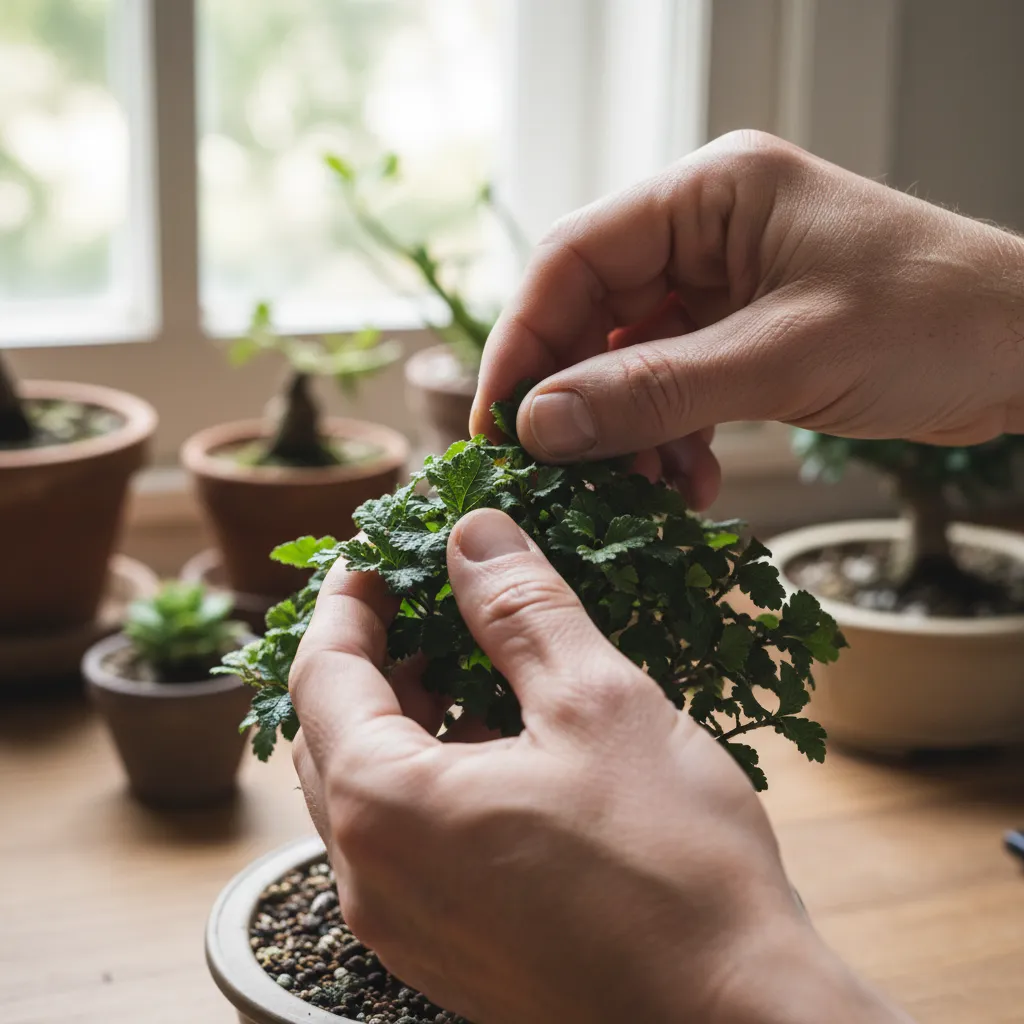
Patience and Presence
Bonsai teaches immense patience. Its growth is slow, and results often take years, sometimes decades, to fully manifest. This forces practitioners to slow down, be present in the moment, and appreciate incremental progress. It’s a meditative act that calms the mind and fosters a sense of enduring calm. The journey itself becomes the reward.
In a fast-paced world, bonsai offers a tranquil retreat, a reminder of nature’s unhurried rhythm.
Harmony with Nature
The aim of bonsai is to create a harmonious miniature representation of nature. This involves understanding how trees grow in the wild and replicating those elements – rugged trunks, windswept branches, and balanced foliage – within a pot. It’s an act of collaboration with nature, not domination, respecting the tree’s inherent character. Bonsai reflects the Japanese aesthetic of ‘Wabi-Sabi,’ finding beauty in imperfection and impermanence. For more on this, explore the concept of Wabi-Sabi on Wikipedia.
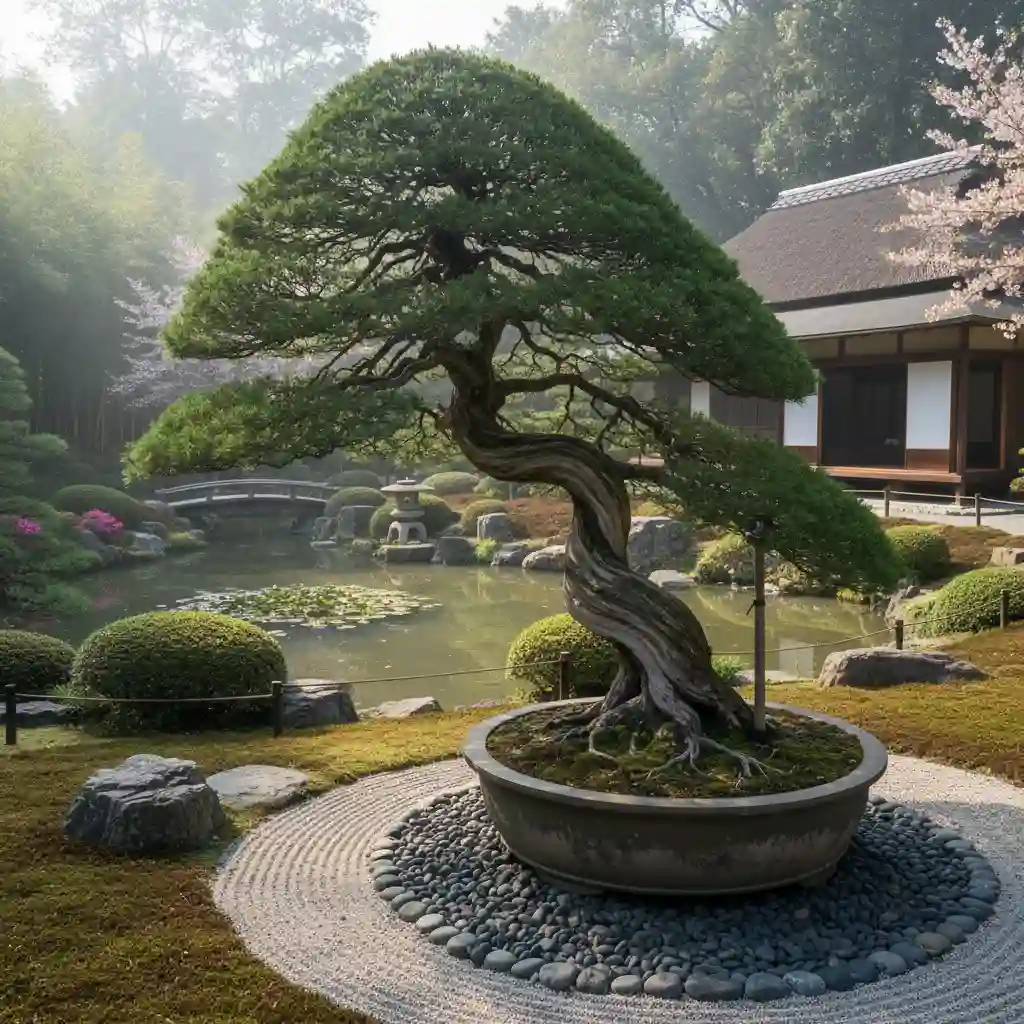
The tree, pot, and stand combine to form a single, balanced composition, mimicking natural ecosystems.
Continuous Learning and Growth
Every bonsai tree offers endless opportunities for learning. Each season presents new challenges and growth patterns. Growers constantly refine their techniques, deepen their understanding of tree biology, and evolve their artistic vision. There is no ultimate mastery, only continuous improvement and a lifelong journey of discovery.
This journey of growth parallels personal development, making bonsai a deeply enriching pursuit for the mindful individual.
Starting Your Bonsai Journey
Embarking on the path of bonsai cultivation can seem daunting, but with the right guidance and a few essential items, anyone can begin. The key is to start simple, learn from every experience, and enjoy the process. Understanding the practical aspects of Bonsai Fundamentals & Philosophy will ease your entry into this rewarding hobby.
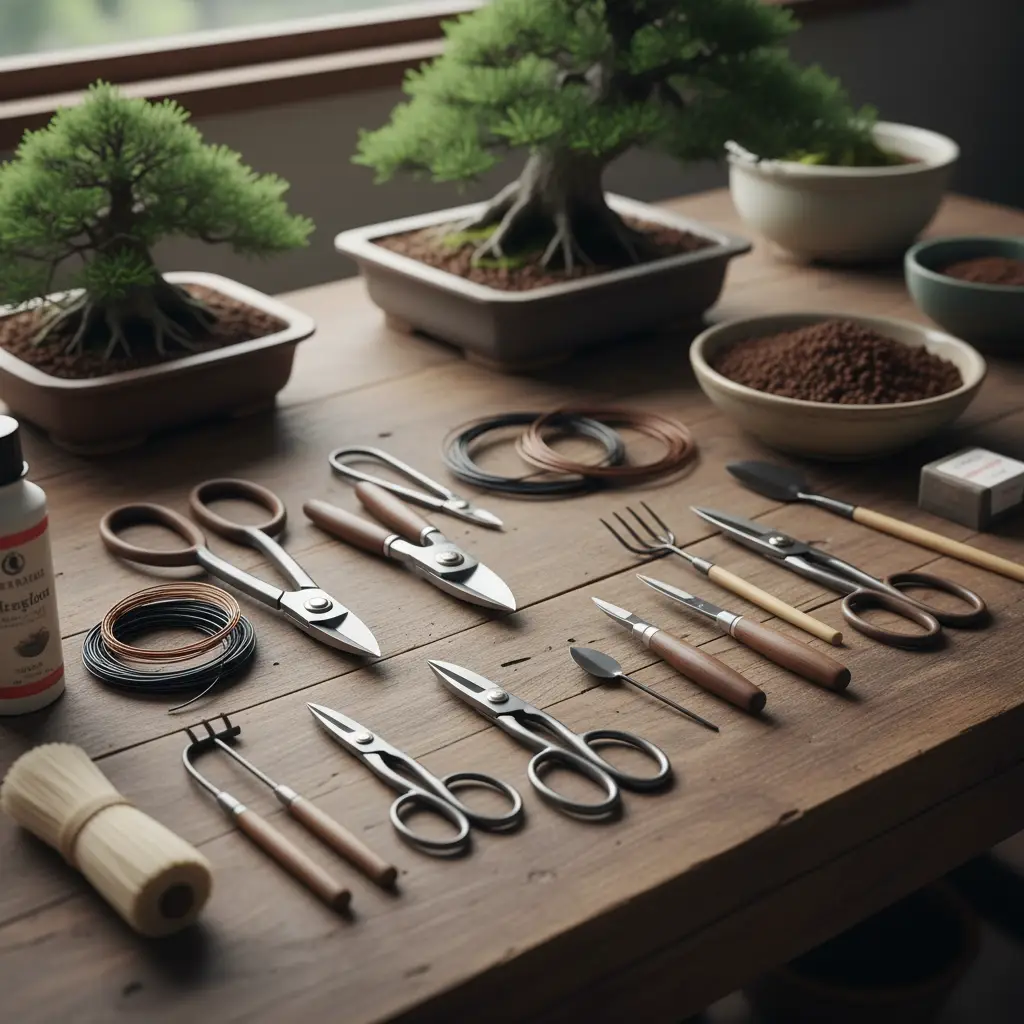
Tools and Supplies You’ll Need
Investing in good quality bonsai tools is highly recommended. Essential items include concave cutters for clean branch removal, wire cutters for safely removing wiring, and a pair of sharp shears for precision pruning. You’ll also need suitable bonsai soil, training wire, and a well-draining bonsai pot.
Starting with the right equipment makes the various techniques much easier to perform and ensures healthier cuts and shaping.
Finding Your First Bonsai
You can acquire your first bonsai in several ways: purchasing a pre-styled tree, buying nursery stock suitable for training, or even collecting suitable trees from the wild (with permission). For beginners, a healthy, established nursery plant is often the best starting point, allowing you to focus on styling rather than basic survival.
Look for strong trunk taper, healthy roots, and interesting branch structures to give you a good foundation.
Common Mistakes to Avoid
Newcomers often make a few common errors: inconsistent watering, using incorrect soil, over-fertilizing, or attempting too much styling too quickly. Remember that patience is paramount. Research your specific tree species, observe its responses, and make gradual changes. Learning from mistakes is part of the growth process for both you and your tree.
Avoid the temptation to rush; bonsai is a marathon, not a sprint. Proper application of Bonsai Fundamentals & Philosophy helps mitigate these issues.
Nurturing Your Bonsai for Years to Come
Cultivating bonsai is a long-term commitment, offering continuous rewards and deepening appreciation over time. With consistent care and a nurturing approach, your miniature tree can thrive for decades, becoming a cherished part of your home or garden. The long-term success of your tree truly showcases a mastery of Bonsai Fundamentals & Philosophy.
Seasonal Care and Protection
Bonsai trees, like their full-sized counterparts, require seasonal adjustments. During winter, many species need protection from frost, either by moving indoors or into sheltered spaces. Spring brings rapid growth, demanding more frequent watering and fertilizing. Summer requires vigilance against dehydration, while autumn is ideal for selective pruning and preparing for dormancy. Understanding these cycles is vital.
Adapting your care routine to the changing seasons ensures your bonsai remains healthy and robust throughout the year.
The Joy of a Lifelong Hobby
Bonsai is more than a hobby; it’s a lifelong passion. The satisfaction of seeing your tree evolve and flourish under your care is immense. It offers a continuous creative outlet, a connection to nature, and a peaceful escape from daily stresses. Each tree tells a story, and you are its guardian and artist.
This enduring practice brings a profound sense of accomplishment and a unique form of artistic expression to your life, enriching it in countless ways.
Frequently Asked Questions About Bonsai
As you explore the world of bonsai, it’s natural to have questions. Here, we address some common inquiries to provide clarity and further insight into the Bonsai Fundamentals & Philosophy.
What are the core principles of Bonsai Fundamentals & Philosophy?
The core principles involve a blend of horticultural science and artistic expression. It emphasizes patience, balance, harmony with nature, and the continuous pursuit of refining the tree’s form to evoke the essence of an aged, wild tree. The philosophy values mindfulness in cultivation and an appreciation for natural imperfections.
What are some recommended tree species for beginners in bonsai?
Beginners are often advised to start with species known for their resilience and adaptability. Excellent choices include Ficus, Chinese Elm, Juniper, and Dwarf Schefflera. These trees tolerate a wider range of conditions and are more forgiving of initial learning mistakes, making them ideal for developing basic bonsai skills.
How does one achieve the unique aesthetic of a bonsai tree?
Achieving the distinctive bonsai aesthetic is a meticulous process involving several key techniques. These include regular pruning of branches and roots to control size and shape, wiring to gently direct branch growth, and careful defoliation to encourage smaller leaves. The aim is to create a miniature tree that appears mature and exhibits characteristics found in natural landscapes, reflecting the deep aesthetic elements of Bonsai Fundamentals & Philosophy.
What role does patience play in cultivating bonsai?
Patience is absolutely fundamental to bonsai cultivation. It is a slow art form, with results manifesting over years, not weeks. Each action, from watering to wiring, requires careful thought and a long-term perspective. This practice teaches growers to appreciate the subtle changes and the gradual unfolding of life, fostering a profound connection to the tree and a meditative state of mind.