Mastering Your Bonsai Fertilization Schedule

bonzai.co.nz
A Bonsai Fertilization Schedule is a tailored plan for feeding miniature trees, crucial for their health and vibrant growth. It ensures they receive the right balance of Nitrogen, Phosphorus, and Potassium throughout the year, supporting robust development in their small pots. For a deeper dive into these vital aspects, explore our comprehensive guide on Bonsai Soil, Fertilization & Nutrition.
Table of Contents
- Understanding Bonsai Nutrition: Why Fertilizer Matters
- Organic vs. Chemical Fertilizers: Choosing the Best Bonsai Fertilizer
- Seasonal Fertilization Schedules for Thriving Bonsai
- Recognizing Nutrient Deficiencies in Your Bonsai
- Advanced Tips for Optimal Bonsai Feeding
- Frequently Asked Questions about Bonsai Fertilization
- References and Further Reading
Bonsai trees, though miniature, have specific nutritional needs that differ from garden plants. Their confined root systems in small pots quickly deplete available nutrients. This makes regular and targeted fertilization essential for their survival and aesthetic appeal.
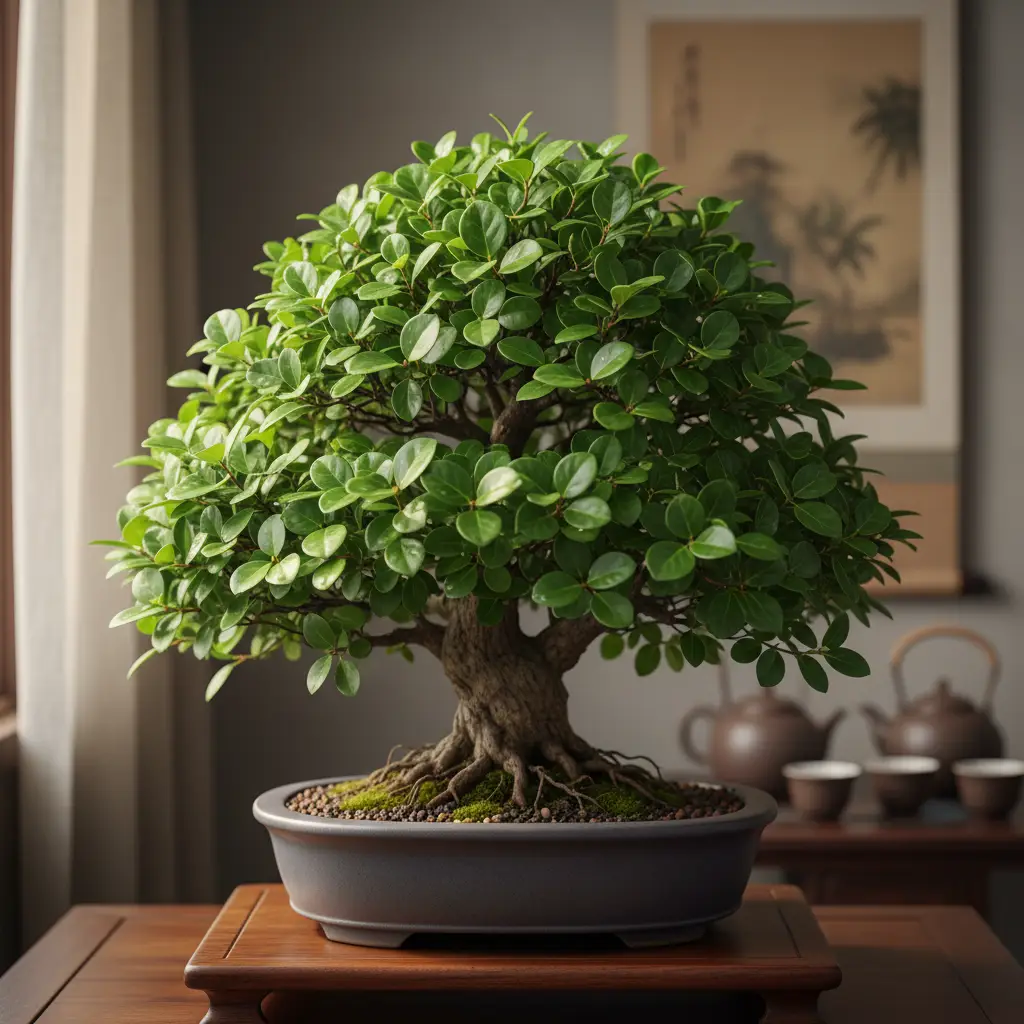
At Bonzai.com, we understand the art and science behind maintaining these living sculptures. Our comprehensive guide helps you choose the best bonsai fertilizer and establish a feeding regimen, which is a key part of any effective Bonsai Fertilization Schedule, that will keep your trees robust and beautiful for years to come. Proper fertilization is a cornerstone of successful bonsai cultivation, ensuring your tree flourishes and develops its intricate form. For insights into shaping this structure, delve into Ramification and Fine Branching in Bonsai.
Understanding Bonsai Nutrition: Why Fertilizer Matters
Just like any plant, bonsai trees require a balance of macro and micronutrients to perform their vital functions. The primary macronutrients are Nitrogen (N) for foliage growth, Phosphorus (P) for root and flower development, and Potassium (K) for overall plant health and disease resistance. These are often seen as N-P-K ratios on fertilizer labels.
Bonsai soils are designed for drainage, not nutrient retention. This means essential elements are quickly washed away with watering. Regular feeding replenishes these nutrients, supporting vigorous growth, dense foliage, and the development of a strong root system, all crucial for a healthy bonsai. For more on the foundation of healthy bonsai, see our guide on Crafting the Perfect Bonsai Soil Mixes. Developing a consistent Bonsai Fertilization Schedule is therefore paramount.

Organic vs. Chemical Fertilizers: Choosing the Best Bonsai Fertilizer
The choice between organic and chemical fertilizers significantly impacts your bonsai’s health and the soil’s ecosystem. Both have advantages and disadvantages, and many enthusiasts find a combination works best to provide the best bonsai fertilizer regimen, which is a core component of any effective Bonsai Fertilization Schedule.
Organic Options
Organic fertilizers typically release nutrients slowly as microorganisms in the soil break them down. This slow release provides a steady food source, reducing the risk of over-fertilization. They also improve soil structure and foster a healthy microbial environment.
- Fish Emulsion: A liquid fertilizer rich in nitrogen.
- Blood Meal: High in nitrogen, promoting lush foliage.
- Bone Meal: Excellent for phosphorus, supporting root development.
- Rapeseed Cake: A popular slow-release solid fertilizer in pellet form.
Organic fertilizers often have a mild odor and can attract pests if not managed properly. They are applied as solid cakes or liquid solutions, soaking into the soil.
Chemical Options
Chemical (or inorganic) fertilizers offer immediate nutrient availability, allowing for precise control over the N-P-K ratios. They are usually odorless and cleaner to use. However, they carry a higher risk of burning roots if over-applied, and do not contribute to long-term soil health.
These come in various forms:
- Liquid Feeds: Diluted and applied with watering, offering quick absorption.
- Granular Fertilizers: Dissolve over time, providing a sustained release.
Always dilute chemical fertilizers more than recommended for garden plants to avoid damaging your bonsai. Follow product instructions carefully.
Combining Approaches for Optimal Results
Many bonsai artists advocate for using both types. Organic fertilizers build healthy soil and provide a consistent background feed, while dilute chemical feeds can offer targeted boosts when specific growth is desired, such as during periods of rapid growth in spring. This combined approach often yields the best bonsai fertilizer results, fitting perfectly into a tailored Bonsai Fertilization Schedule.

Seasonal Fertilization Schedules for Thriving Bonsai
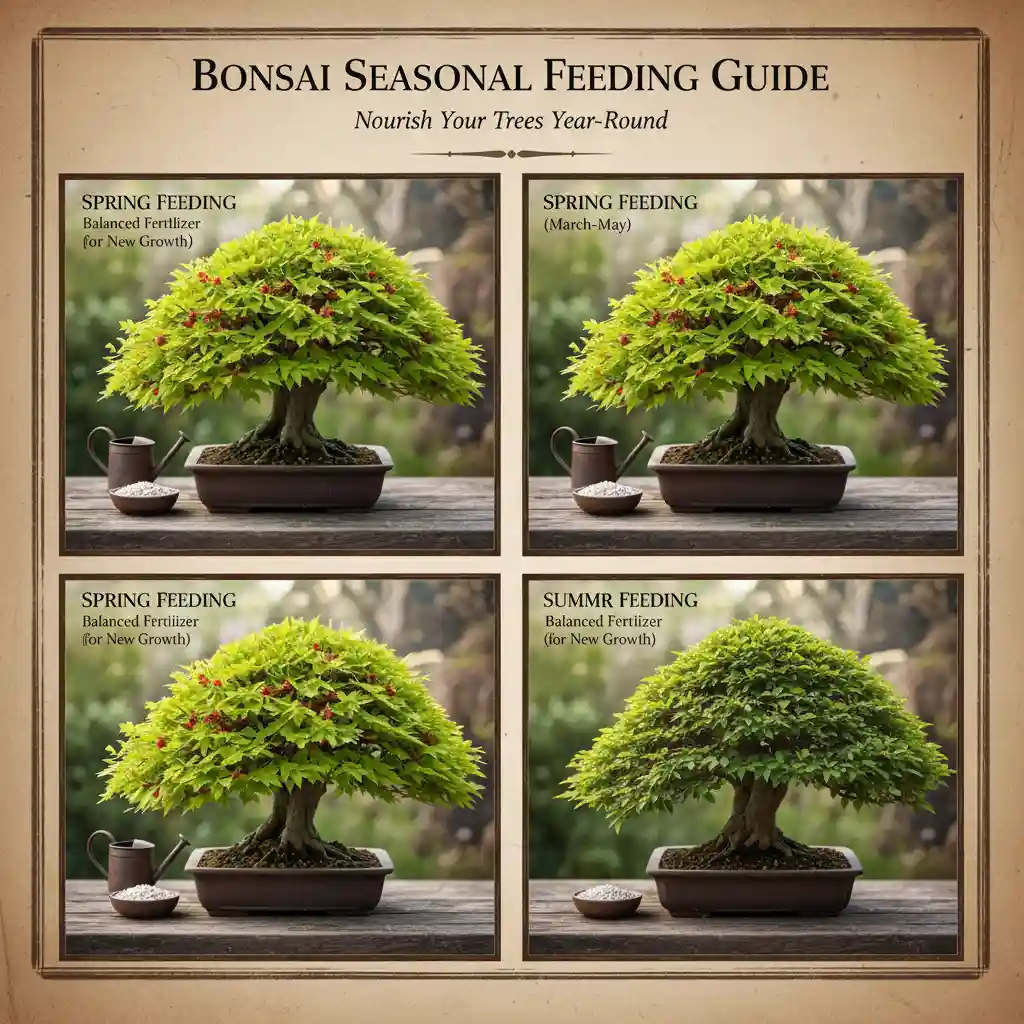
A bonsai’s nutritional needs change throughout the year, mirroring its natural growth cycles. Adjusting your feeding schedule seasonally is vital for success. Understanding this cyclical need is the essence of a good Bonsai Fertilization Schedule.
Spring: The Growth Surge
Spring is when most bonsai trees awaken from dormancy and begin vigorous growth. This is the period for increased fertilization. Start feeding when buds begin to swell and leaves unfurl. Use a balanced N-P-K fertilizer (e.g., 10-10-10) or one slightly higher in nitrogen to support new shoot and leaf development. For more detailed guidance on nurturing your trees during this critical period, refer to our comprehensive guide on Spring Care for Bonsai SH.
Frequency: Every 1-2 weeks for liquid, monthly for solid organics. Always water thoroughly before applying fertilizer.
Summer: Sustaining Vigor
As spring growth hardens, summer feeding aims to maintain vigor without promoting excessive, leggy growth. Continue with a balanced fertilizer, possibly reducing the nitrogen slightly as the hottest part of summer approaches. Be mindful of extreme heat, as some trees may slow growth and require less fertilizer during these times. Effective watering practices are also paramount, especially during warmer months; discover more in our guide on Watering Bonsai In Australian Summer.
Frequency: Every 2-3 weeks for liquid, every 4-6 weeks for solid organics. Monitor your tree’s response closely.
Autumn: Preparing for Winter
Autumn feeding shifts focus from foliage growth to strengthening roots and hardening branches for winter. Use a fertilizer with lower nitrogen and higher phosphorus and potassium (e.g., 3-10-10). This encourages storage of carbohydrates, vital for winter survival and strong spring growth.
Frequency: Reduce feeding to every 3-4 weeks for liquid, or apply a final solid organic feed for the season. Stop fertilizing completely when night temperatures consistently drop below 50°F (10°C).
Winter: Rest and Recovery
Most outdoor deciduous and temperate evergreen bonsai enter dormancy in winter and require no fertilizer. Feeding during dormancy can stress the tree. For advanced techniques on managing environmental factors throughout the year, consider our guide on Seasonal Inversion for Bonsai Care. Tropical and subtropical indoor bonsai may continue to grow slowly and can receive a very light, dilute feeding (e.g., once a month) if kept in warm, bright conditions.
Recognizing Nutrient Deficiencies in Your Bonsai
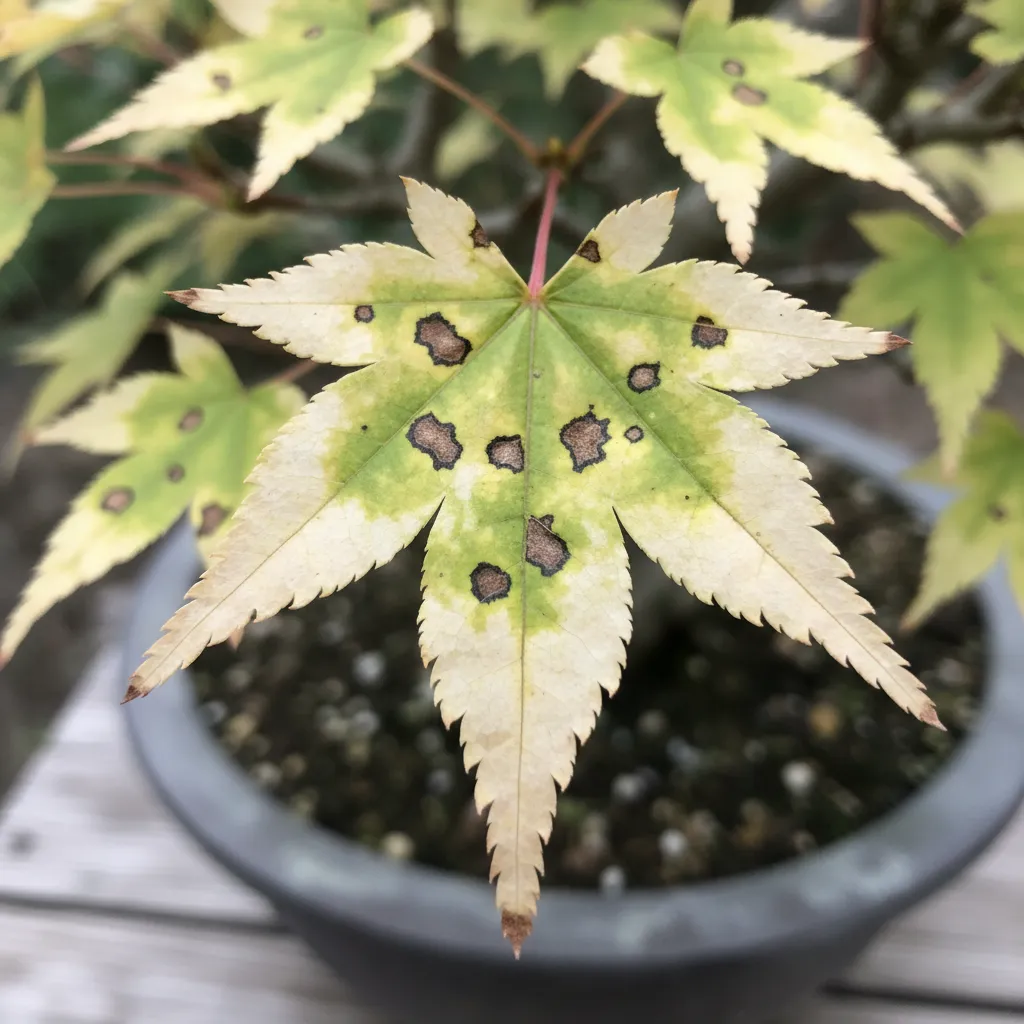
Your bonsai often communicates its nutritional needs through visual cues. Learning to interpret these signs can help you correct deficiencies before they cause serious harm and adjust your Bonsai Fertilization Schedule accordingly.
Common Signs to Look For
Here are some visual indicators of common nutrient issues:
- Yellowing Leaves (Chlorosis): Often indicates a nitrogen or iron deficiency. Nitrogen deficiency usually affects older leaves first, while iron deficiency shows in new growth.
- Stunted Growth: Overall lack of vigor, small leaves, and slow development can point to a general nutrient deficiency or insufficient phosphorus.
- Weak or Sparse Branches: Could be due to inadequate potassium, affecting the tree’s overall structural strength.
- Reddish or Purple Discoloration: Particularly on the undersides of leaves, this often signals a phosphorus deficiency.
- Necrosis (Dead Spots): Brown or black patches on leaves can indicate a deficiency in calcium or boron, though over-fertilization can also cause this.
Correcting Deficiencies
Once you suspect a deficiency, the first step is to review your current fertilization plan. If you’ve been consistent, consider a specialized feed to target the missing nutrient. For instance, an iron supplement can correct chlorosis. Always apply with caution and follow dilution instructions meticulously.
Remember that improper watering, pest infestations, or disease can also mimic nutrient deficiency symptoms. Rule out these other issues first, and for detailed identification and treatment, see our guide on Common Bonsai Pests & Diseases: Identification & Treatment.
Advanced Tips for Optimal Bonsai Feeding
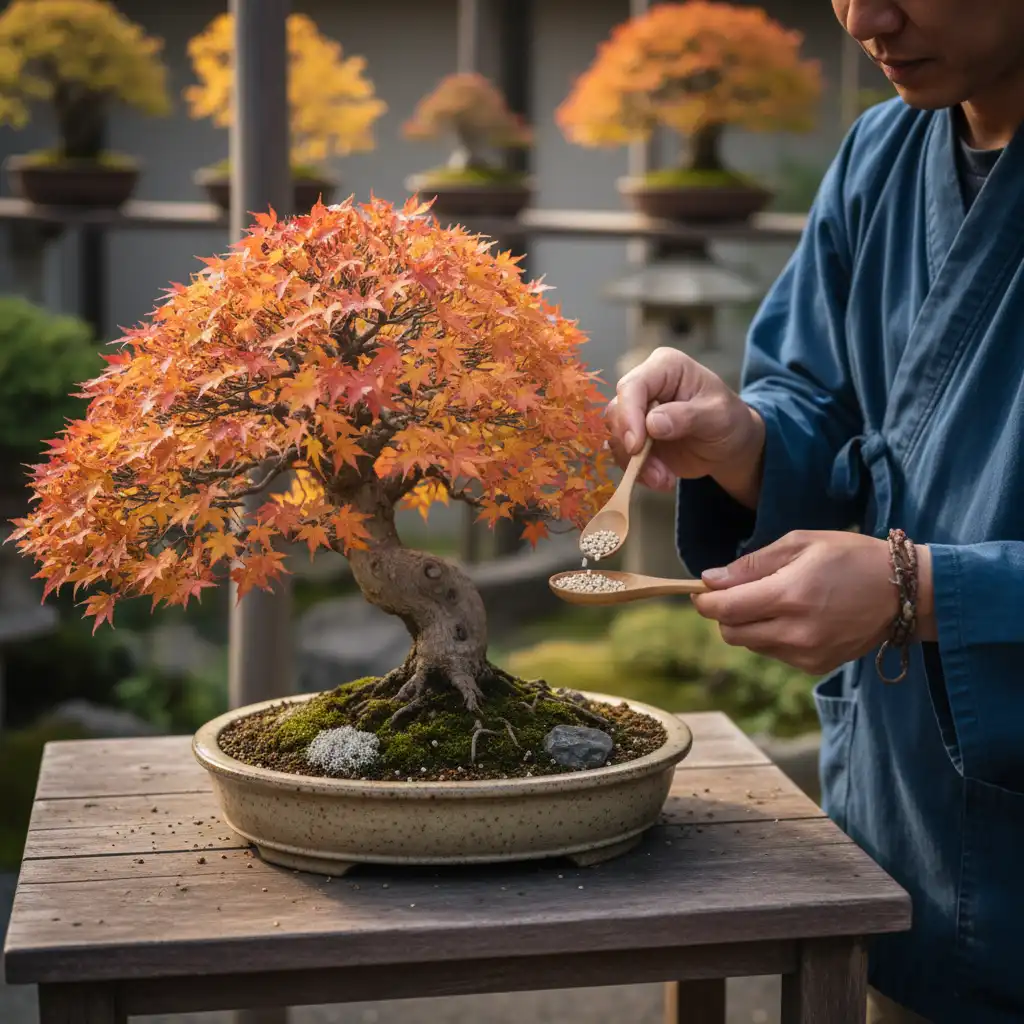
For those looking to take their bonsai care to the next level, here are some expert recommendations to refine your Bonsai Fertilization Schedule:
- Soil Testing: Occasionally testing your soil can give you precise information about its nutrient composition and pH level, guiding your fertilizer choices.
- Water Before Fertilizing: Always water your bonsai thoroughly before applying fertilizer. This prevents root burn by ensuring roots are hydrated and the soil can absorb nutrients effectively.
- Consider Species-Specific Needs: Different bonsai species may have slightly varied nutritional requirements. Research your specific tree type for tailored advice.
- Post-Repotting Pause: After repotting, wait 4-6 weeks before resuming fertilization. This allows the roots to heal and settle into their new environment.
- Monitor and Adapt: The best fertilization schedule is not static. Observe your tree’s response and adjust your feeding based on its health, growth rate, and environmental conditions.
For more in-depth information on plant nutrition, you can explore resources like Wikipedia’s Plant Nutrition page. Additionally, for peer support and shared wisdom, check out the Top Online Bonsai Forums and Communities.
Frequently Asked Questions about Bonsai Fertilization
What is the best bonsai fertilizer for my tree?
The best bonsai fertilizer depends on your tree’s species, age, and the current season. A balanced N-P-K fertilizer is generally good for overall growth, while a higher phosphorus/potassium formula is better for autumn. Many experts recommend a combination of slow-release organic fertilizers for steady feeding and occasional dilute chemical feeds for targeted boosts. Always consider the specific needs of your bonsai.
How often should I fertilize my bonsai tree?
The frequency of fertilization varies seasonally. During active growth in spring and summer, liquid fertilizers might be applied every 1-3 weeks, and solid organics monthly. In autumn, reduce frequency. Most bonsai require no fertilizer during winter dormancy. Always ensure the soil is thoroughly watered before applying any fertilizer to prevent root burn.
What are the common signs of nutrient deficiency in bonsai?
Common signs include yellowing leaves (chlorosis, often indicating nitrogen or iron deficiency), stunted growth, weak branches (potassium deficiency), or reddish/purple discoloration on leaves (phosphorus deficiency). It’s crucial to distinguish these from issues caused by improper watering, pests, or diseases.
Can I use regular plant fertilizer on my bonsai?
Regular plant fertilizers are often too strong for bonsai trees. Their formulations are typically concentrated for larger, fast-growing garden plants. If you must use a general fertilizer, dilute it significantly more than the package recommendations – often to 1/4 or 1/8 strength – to avoid burning your bonsai’s delicate root system. Specialized bonsai fertilizers are always recommended for optimal results.
When should I stop fertilizing my bonsai for winter?
For most outdoor deciduous and temperate evergreen bonsai, you should gradually stop fertilizing as autumn progresses and cease completely when night temperatures consistently drop below 50°F (10°C). This allows the tree to properly enter dormancy. Tropical indoor bonsai may require very light, dilute feeding year-round if kept in warm, bright conditions.
References and Further Reading
- Plant nutrition on Wikipedia – A comprehensive overview of how plants absorb and utilize nutrients.
- Trees for Life: Tree Feeding Guide – General principles of tree fertilization that can be adapted for bonsai.
- RHS Gardening: Fertilizers explained – Detailed information on different types of fertilizers and their applications.
Cultivating Healthy Bonsai with Bonzai.com
Mastering bonsai fertilization is a journey, not a destination. By understanding the difference between organic and chemical options, adhering to seasonal schedules, and recognizing signs of deficiency, you empower your bonsai to thrive. The choice of the best bonsai fertilizer ultimately comes down to your tree’s specific needs and your cultivation style, guided by an effective Bonsai Fertilization Schedule.
Bonzai.com is committed to providing you with the knowledge and tools to grow beautiful, healthy bonsai. Explore our other guides, such as Choosing Bonsai Pots for NZ Natives: Function & Form and Bonsai Pot Selection for Aesthetic Harmony, and product reviews to continue your journey in this rewarding art form.