Bonsai Care by Southern Hemisphere Climate Zones: Focus on Tropical Southern Africa
Embarking on the journey of bonsai cultivation in the Southern Hemisphere presents unique challenges and rewards. Unlike the widely available resources tailored for Northern Hemisphere climates, Southern Hemisphere enthusiasts must adapt their practices to inverted seasons and diverse regional weather patterns. Understanding your specific climate zone is paramount to nurturing thriving miniature trees. This comprehensive guide delves into tailored tropical bonsai care for Southern Africa and other distinct climate regions across the Southern Hemisphere, ensuring your collection flourishes and stands resilient against local environmental factors. From the humid tropics to the arid interior, we explore the nuances of keeping your bonsai healthy and vibrant year-round.
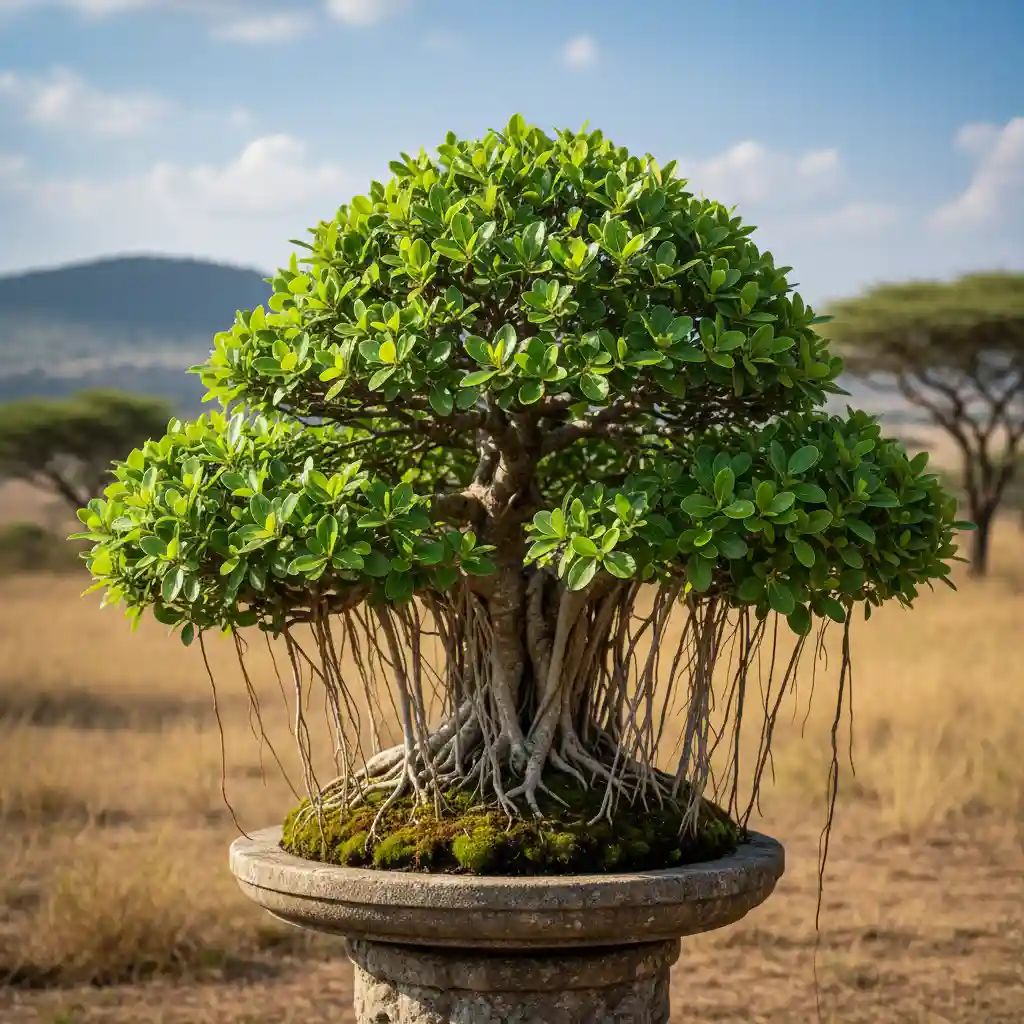
Tropical Bonsai Care in Southern Africa
For regions like the coastal areas of KwaZulu-Natal in South Africa or parts of northern Australia, true tropical conditions prevail year-round. These areas typically experience high humidity, consistent warmth, and often a wet and dry season rather than distinct cold winters. Bonsai care here focuses on continuous growth and robust health.
Specific Considerations for Tropical Southern Africa:
- Species Selection: Native species such as Ficus natalensis, Ficus burtt-davyi, Syzygium cordatum (Waterberry), and exotic species like various large-leaf Ficus (e.g., Ficus benjamina, Ficus microcarpa ‘Ginseng’), Bougainvillea, and Tamarind thrive in these conditions.
- Watering: During the wet season, ensure excellent drainage to prevent root rot. In dry periods, water frequently, often daily, sometimes twice daily, especially for trees in smaller pots. The goal is consistent moisture without waterlogging.
- Light: Full sun is generally preferred, promoting compact growth and small leaves. However, protection from intense midday sun during extreme heatwaves can prevent leaf scorch, particularly for newly styled or re-potted trees.
- Humidity: High humidity is naturally present, which is ideal. Misting is rarely needed unless trees are indoors or during exceptionally dry spells.
- Feeding: Fertilize consistently throughout the year with a balanced liquid fertilizer, perhaps reducing slightly during the driest or coolest (but still warm) months. Organic fertilizers can also be very beneficial.
- Pruning & Wiring: Growth is continuous, so regular pruning is essential to maintain shape and encourage ramification. Wiring can be done year-round, but monitor wires closely as bark grows quickly in these conditions. Defoliation can be performed strategically to promote smaller leaves.
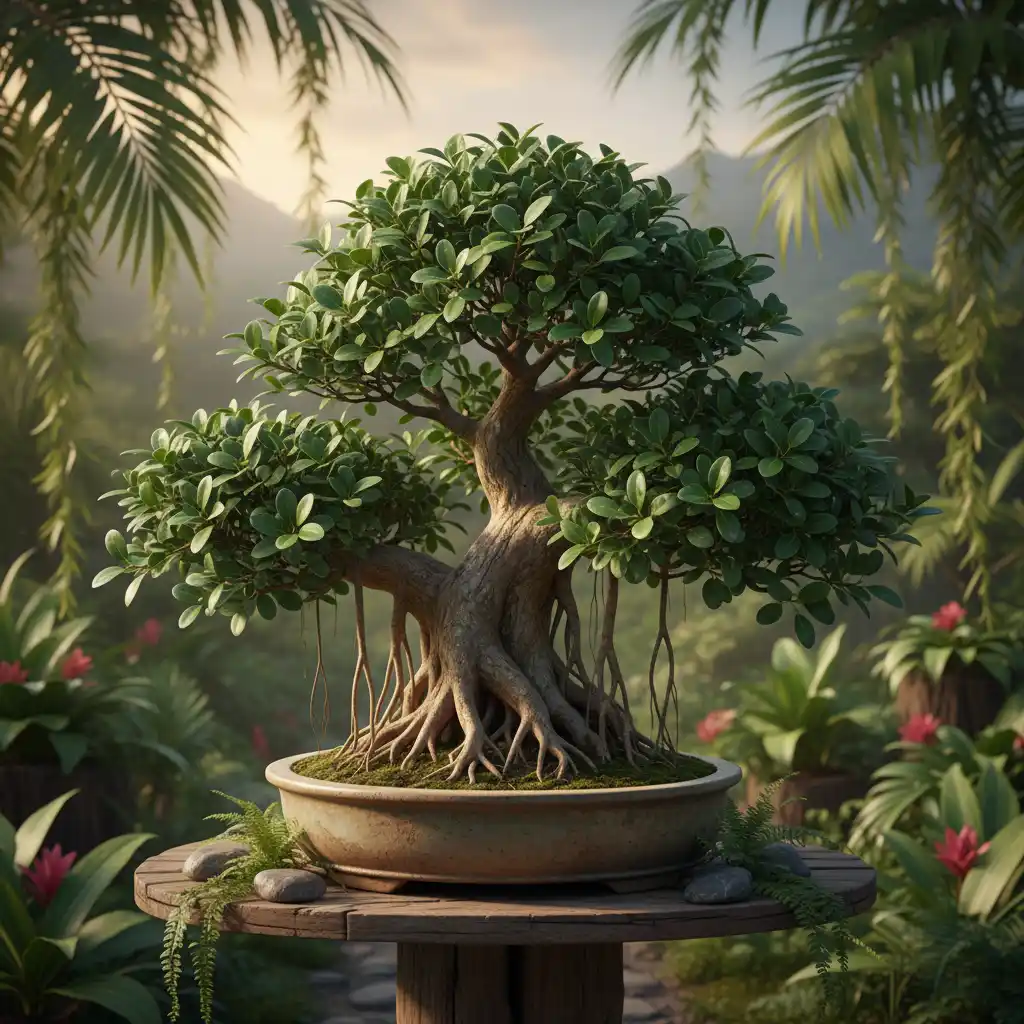
Subtropical Bonsai Care: Thriving in Warm Climates
Subtropical regions, common in areas like coastal Southern Africa, parts of Australia, and South America, offer ideal conditions for many tropical and subtropical bonsai species. These zones experience warm to hot summers, mild winters, and often a clear distinction between growing seasons and periods of slower growth. The key to successful tropical bonsai care southern africa lies in mimicking their natural environment while expertly managing humidity and seasonal variations.
Key Considerations for Subtropical Bonsai:
- Species Selection: Focus on robust species like Ficus varieties (e.g., Ficus salicifolia, Ficus rubiginosa), Portulacaria afra (Spekboom), Natal Plum (Carissa macrocarpa), and various types of Schefflera. Exotic choices like Brazilian Raintree (Pithecellobium tortum) and Jacaranda also perform well. These species are well-suited for warmer climates and respond well to consistent growth and heavy pruning.
- Watering: Subtropical bonsai typically require frequent watering, especially during warm, dry periods. Check soil moisture daily, ensuring it’s moist but not waterlogged. Good drainage is crucial to prevent root diseases. Reduce watering frequency in cooler, less active periods of winter.
- Light: Provide ample sunlight, ideally 6-8 hours of direct sun daily. Protect from the most intense midday sun during extreme heatwaves to prevent leaf scorch, particularly for sensitive species or those with thinner leaves.
- Humidity: High humidity is beneficial. Grouping trees together, using humidity trays filled with gravel and water, or regular misting can help, especially when trees are kept indoors or during prolonged dry spells.
- Feeding: Fertilize regularly during the active growing season (spring through autumn) with a balanced liquid feed. Consider using a slow-release granular fertilizer in spring for sustained nutrition. Reduce feeding frequency and strength significantly in cooler months when growth slows.
- Pruning & Shaping: These species often grow vigorously. Regular structural pruning, defoliation, and pinch-pruning are essential to maintain shape, control growth, and promote fine ramification. Wiring can be done year-round but monitor closely for bark damage due to rapid growth and embedment.
- Pest and Disease Management: Warm, humid conditions can be conducive to pests like scale, aphids, and spider mites. Regular inspection and proactive treatment with appropriate organic or chemical controls are vital. Good air circulation also helps prevent fungal issues.
For more detailed information on species, refer to our Comprehensive Bonsai Species Guide.
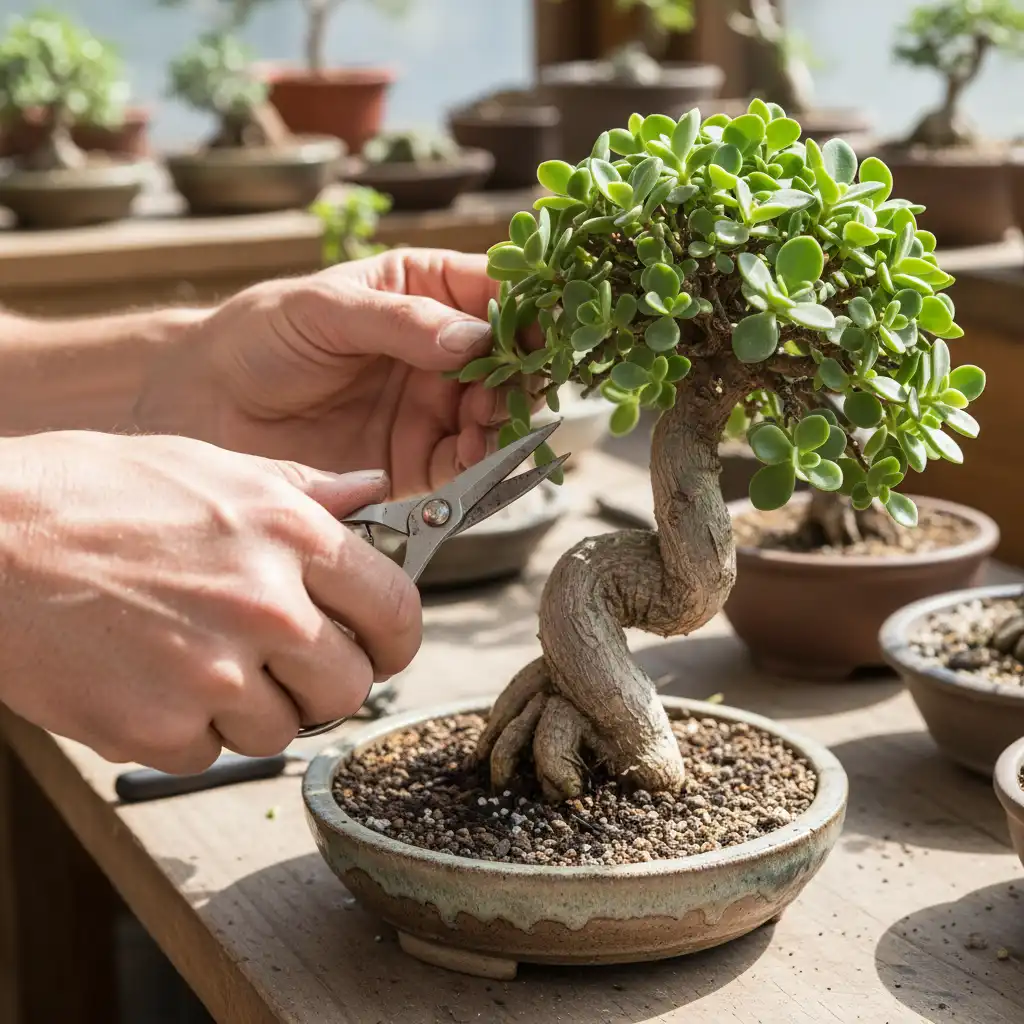
Temperate Bonsai Care: Adapting to Seasonal Shifts
Temperate zones, found in regions such as the Western Cape of South Africa, parts of New Zealand, and southern Australia, experience distinct four seasons with cold winters and warm summers. Bonsai care here revolves around preparing trees for dormancy, managing seasonal growth cycles, and protecting them from frost.
Key Considerations for Temperate Bonsai:
- Species Selection: Deciduous trees like Maples (Acer, especially Japanese Maples and Trident Maples), Elms (Ulmus parvifolia), and Oaks (Quercus), as well as conifers like Pines (Pinus thunbergii, Pinus parviflora) and Junipers (Juniperus procumbens), thrive here. Native species like some Podocarpus also adapt well.
- Watering: Water generously during the growing season (spring and summer), ensuring the soil is consistently moist but not soggy. Reduce frequency significantly in autumn and winter when trees are dormant, but never let the soil completely dry out. Dormant trees still require some moisture.
- Light: Full sun is generally preferred during spring and summer to promote vigorous growth and good health. However, some species, like Japanese Maples, may benefit from afternoon shade in the hottest part of summer to prevent leaf burn.
- Winter Protection: This is critical. Protect dormant trees from freezing winds, hard frosts, and prolonged sub-zero temperatures. Move them to an unheated garage, shed, cold frame, or shelter them outdoors in a protected spot, mulching the pots deeply. Pines and Junipers are generally more tolerant but still benefit from protection from extreme cold and wind.
- Feeding: Fertilize actively from early spring as buds swell through late summer. Use a higher nitrogen fertilizer in spring for growth, then a more balanced or higher potassium fertilizer in late summer to promote hardening off. Stop feeding as temperatures drop in autumn to allow the tree to prepare for dormancy.
- Repotting: Best done in early spring as buds swell, just before the growing season begins. For pines and some conifers, late winter/early spring is also suitable. Proper soil mix with good drainage is essential.
- Pest and Disease Management: Temperate trees can suffer from pests like aphids and caterpillars in spring, and fungal diseases in wet, humid conditions. Regular monitoring and appropriate preventative measures are important.
Learn more about winter protection techniques from Bonsai Empire’s Winter Care Guide.
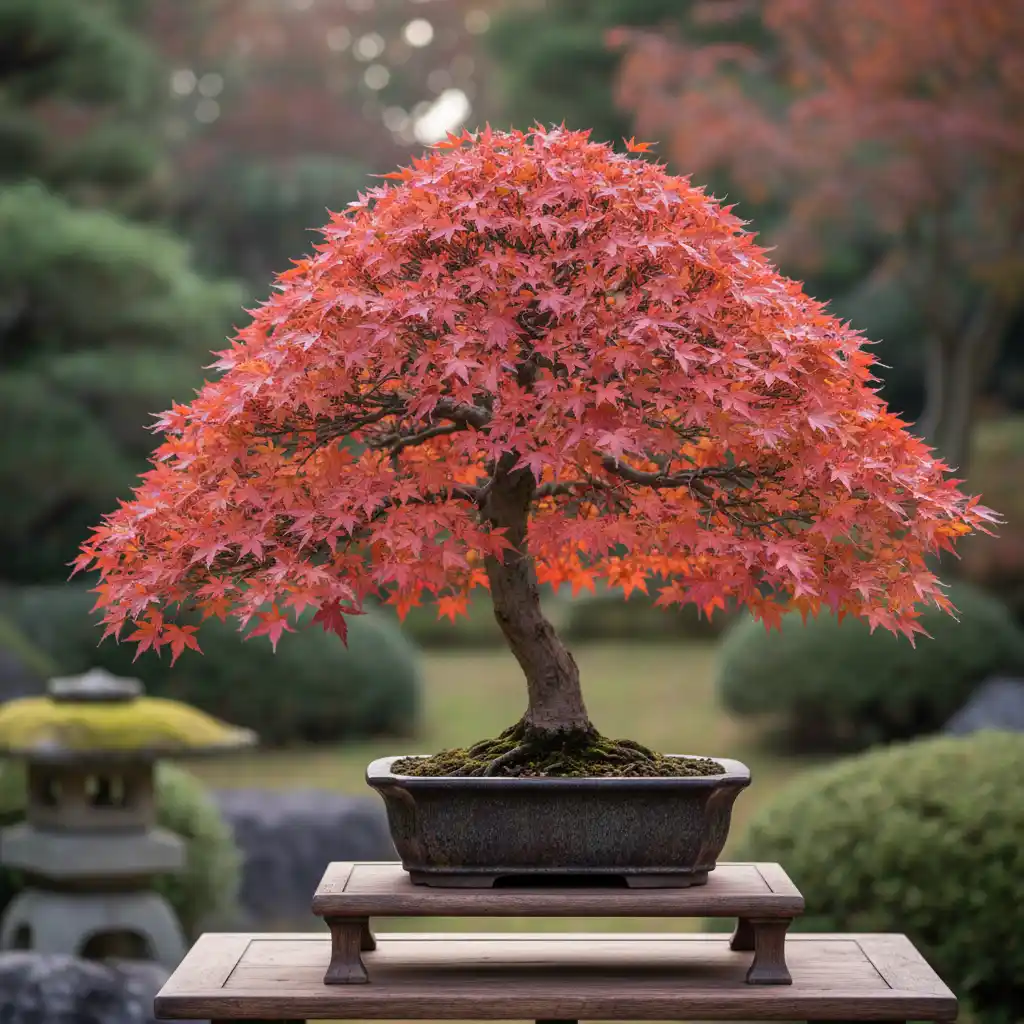
Arid Bonsai Care: Sustaining Life in Dry Conditions
Arid and semi-arid regions, like the Karoo in Southern Africa or parts of inland Australia, present the most challenging conditions for bonsai due to extreme heat, intense sunlight, and limited rainfall. Successful cultivation relies on selecting drought-adapted species and specialized watering and soil management.
Key Considerations for Arid Bonsai:
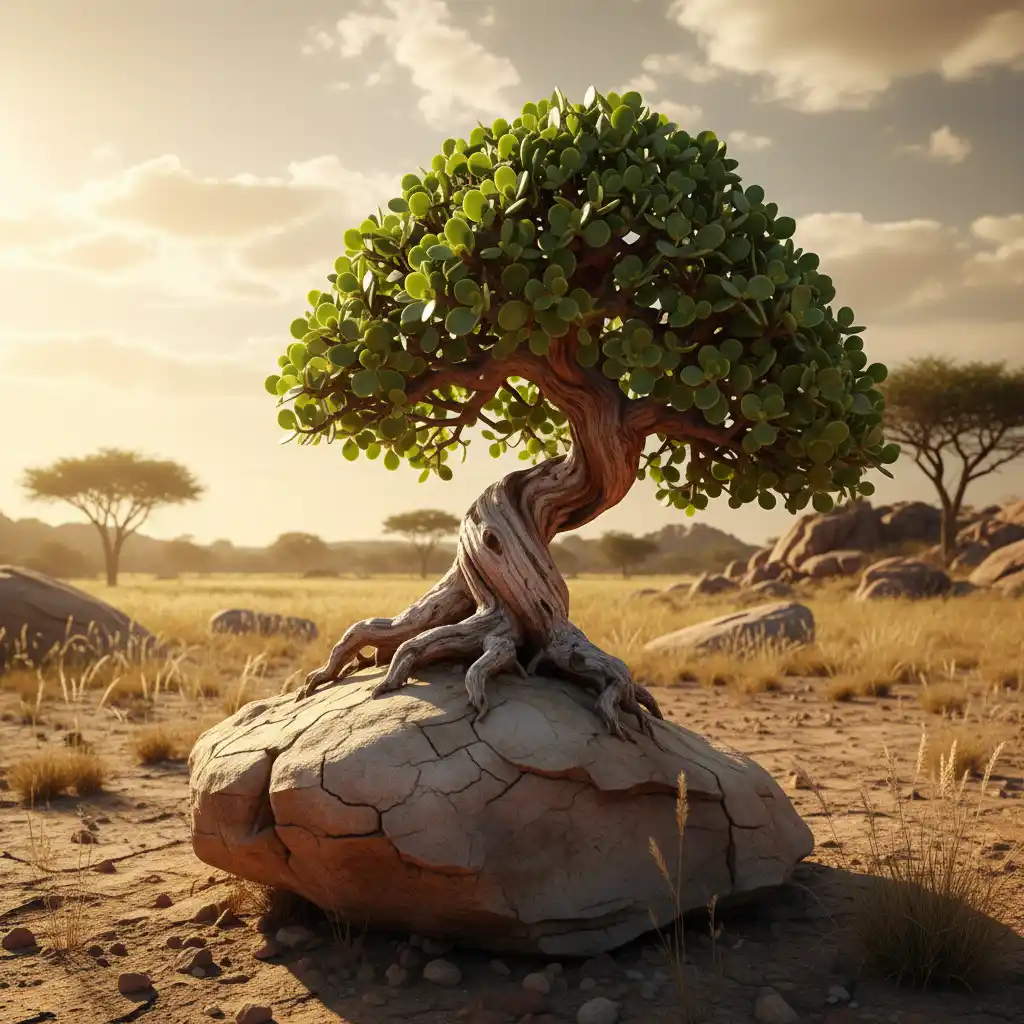
- Species Selection: Succulents like Portulacaria afra (Spekboom), certain Euphorbia species, and indigenous acacias or aloes can be cultivated as bonsai. Their natural adaptations, such as fleshy leaves or water-storing trunks, help them survive dry spells. Other drought-tolerant options include Olive (Olea europaea) and some naturally small-leafed, tough native species.
- Watering: Less frequent but thorough watering is essential. Allow the soil to dry out almost completely between waterings to prevent root rot, which is a common issue for succulents and arid-adapted plants. When you do water, soak the pot thoroughly until water drains from the bottom.
- Light & Heat: Full sun is generally tolerated and often required for these species to thrive and maintain compact growth. However, protection from the harshest midday sun during extreme summer heatwaves is advisable, especially for smaller pots which can dry out rapidly and heat up excessively.
- Soil: Use a very well-draining, gritty soil mix. Components like pumice, lava rock, coarse sand, and a minimal amount of organic matter are ideal. This prevents waterlogging and allows roots to breathe.
- Protection: During intense heat, provide some afternoon shade. Ensure good air circulation to prevent fungal issues in humid conditions after watering, especially if temperatures drop slightly at night. Pots should be light-colored to reflect heat.
- Feeding: Fertilize sparingly with a diluted, balanced liquid feed during the active growing season. Over-fertilization can stress arid-adapted plants.
- Pest Management: Monitor for mealybugs, especially on succulents. Good air circulation and proper watering are key preventative measures.
For additional resources on drought-tolerant bonsai, explore local horticultural societies or Drought-Tolerant Plant Guides.
General Southern Hemisphere Bonsai Principles
Beyond specific climate zones, certain overarching principles are critical for all bonsai enthusiasts in the Southern Hemisphere:
- Understanding Reversed Seasons: The most fundamental principle. Spring in the Southern Hemisphere is September-November, Summer December-February, Autumn March-May, and Winter June-August. All care calendars must be adjusted accordingly. Resources from the Northern Hemisphere are valuable but require careful re-timing.
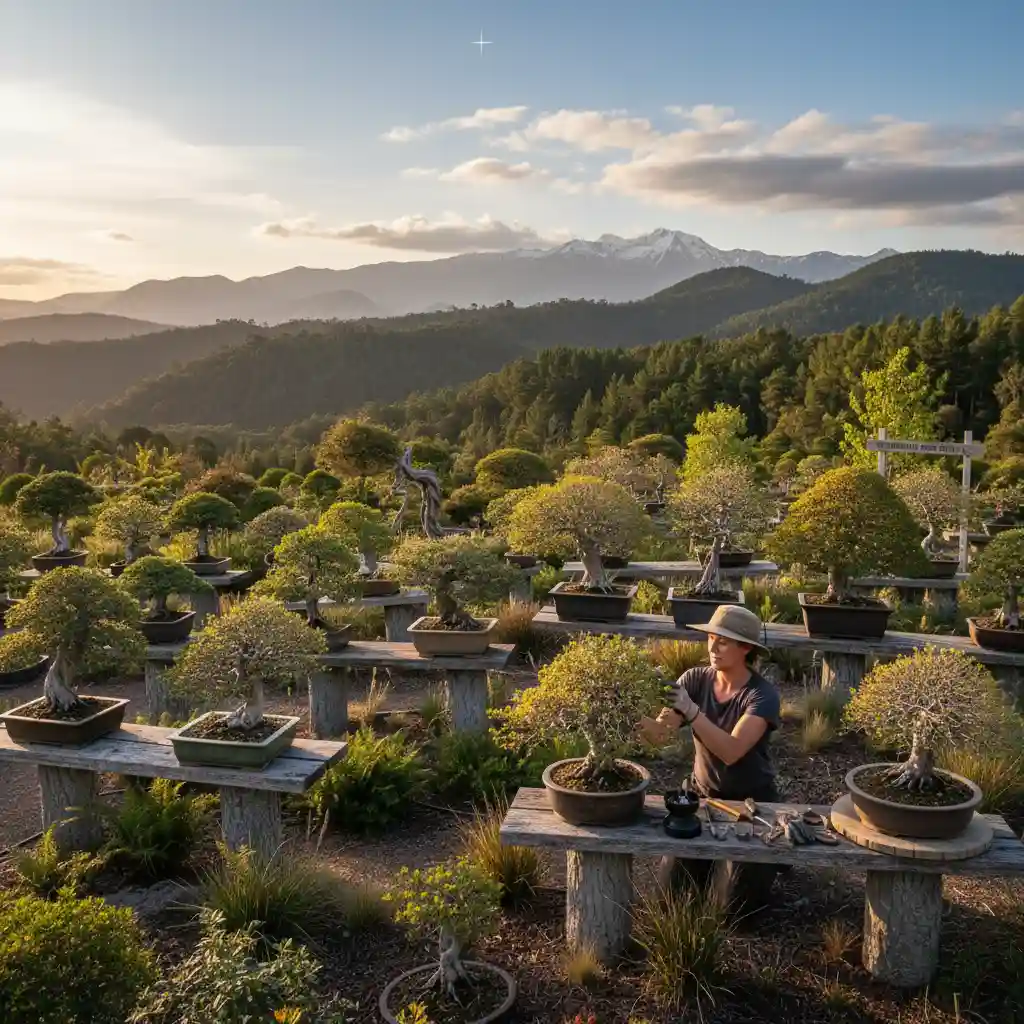
- Local Knowledge is Key: Connect with local bonsai clubs, nurseries, and experienced growers. They can provide invaluable advice on specific challenges and opportunities unique to your microclimate and local species. Observing native trees in your area can also offer clues about what thrives.
- Water Quality: In some regions, tap water can be high in salts or chlorine. If possible, collecting and using rainwater can be highly beneficial for sensitive species, promoting better soil health and nutrient absorption.
- Pest and Disease Vigilance: Warmer climates can lead to year-round pest pressure. Regular inspection for common pests like aphids, scale insects, spider mites, and fungal diseases is crucial. Early detection and treatment are vital to prevent widespread infestations.
- Adaptation and Experimentation: Bonsai is an art and a science. Don’t be afraid to experiment with different species, soil mixes, and techniques. Keep detailed records of your care routines and observe your trees’ responses to refine your approach.
Conclusion: Tailoring Your Approach for Southern Hemisphere Success
Successful bonsai cultivation in the Southern Hemisphere, from managing tropical bonsai care in Southern Africa to adapting to temperate winters and arid extremes, hinges on understanding and respecting your specific climate. By selecting appropriate species, adjusting your watering and feeding routines to inverted seasons, and providing essential seasonal protection, your miniature trees will thrive, reflecting the beauty and resilience of nature itself.
Embrace the unique aspects of your environment, leverage local knowledge, and be prepared to adapt standard bonsai practices. Your dedication will be richly rewarded with a stunning collection that celebrates the diverse beauty of the Southern Hemisphere. Happy growing!