Advanced Species-Specific Bonsai Care: Mastering Your Trees
bonzai.co.nz
This guide provides expert insights into advanced bonsai cultivation, covering species-specific needs, essential environmental factors, and detailed seasonal maintenance. Elevate your skills to grow healthier, more vibrant miniature trees.
Caring for bonsai is an art form, demanding patience and a deep understanding of horticulture. While basic care is important, mastering advanced bonsai care transforms your hobby. You learn to recognize subtle cues from your trees and respond effectively.
This comprehensive guide delves into the detailed needs of popular bonsai species, critical environmental factors, and seasonal routines. Elevate your skills and cultivate truly exceptional miniature trees that embody centuries of artistic tradition.
Advanced species-specific bonsai care is a specialized approach that moves beyond basic techniques, focusing intently on the unique requirements of individual tree species. This involves precise tailoring of watering, pruning, wiring, and fertilization based on the tree’s natural habitat, growth patterns, and seasonal cycles. Mastering this level of care is essential for cultivating exceptionally healthy and aesthetically refined bonsai, ensuring their long-term vitality and beauty.
Table of Contents
Tailored Care for Popular Species
Each bonsai species has unique characteristics. Understanding these differences is key to successful advanced bonsai care. Growth rate, water needs, and light preference vary widely. Adapting techniques to each tree ensures its health and aesthetic development. This species-specific approach allows for precise intervention and optimal growth, bringing out the unique beauty of each miniature tree.
Japanese Maple (Acer palmatum)
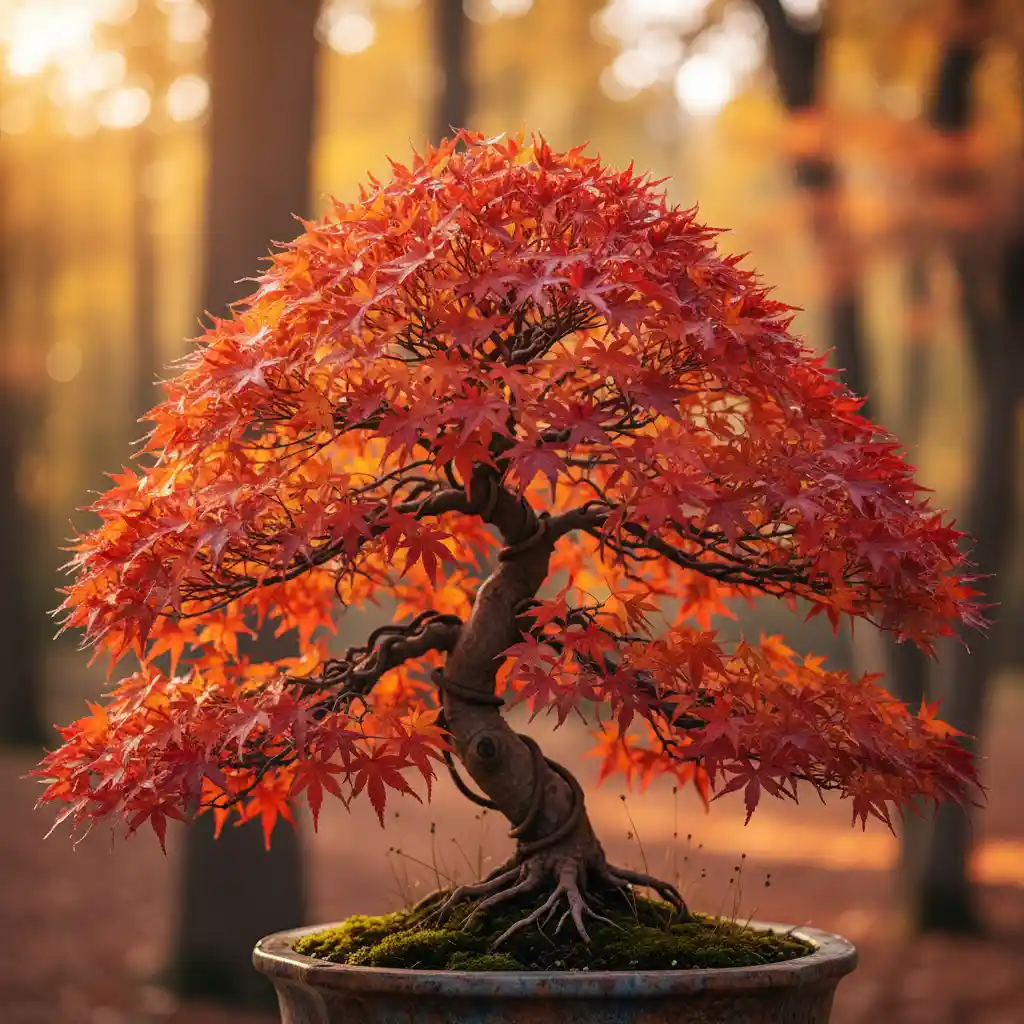
Japanese Maples are admired for their delicate leaves and stunning autumn colors. They prefer partial shade, especially during hot summer afternoons to prevent leaf scorch and maintain leaf vibrancy. They thrive in well-draining soil that retains some moisture, such as a mix of akadama, pumice, and lava rock. Consistent moisture is vital, but avoid waterlogging to prevent root rot. These trees are highly valued for their dramatic seasonal transformation, from vibrant spring green to fiery autumn hues.
Watering should be consistent, checking soil moisture daily to ensure it never completely dries out. Pruning is best in late summer or early autumn to avoid heavy sap bleeding, which can weaken the tree and attract pests. Repotting is usually needed every two to three years for younger trees to encourage vigorous root development, and less often for mature specimens, typically in early spring before bud break. Understanding their specific needs is crucial for their long-term health and vibrant display, especially concerning protection from extreme temperatures.
Juniper (Juniperus spp.)
Junipers are popular for their rugged appearance, fine needle-like foliage, and remarkable ease of styling, making them ideal for dramatic forms. They demand full sun exposure for dense, healthy foliage and vibrant color; inadequate light leads to sparse, weak growth. Good air circulation is vital to prevent fungal diseases and spider mites, which can quickly defoliate these trees if not managed. While drought-tolerant once established, regular watering is still required, allowing the soil to dry slightly between waterings to prevent root issues.
Wiring can be done throughout the year as branches are quite flexible, but caution is advised as older wood can be brittle. Pinch new growth rather than cutting with shears to maintain a compact form and encourage ramification, which creates fine twiggy growth. Repotting is typically every three to five years, often in spring, with careful attention to minimal root disturbance. Junipers are excellent for creating dramatic, aged-looking bonsai, often incorporating deadwood techniques like jin (stripped bark on branches) and shari (stripped bark on the trunk) to enhance their ancient character.
Ficus (Ficus retusa/microcarpa)
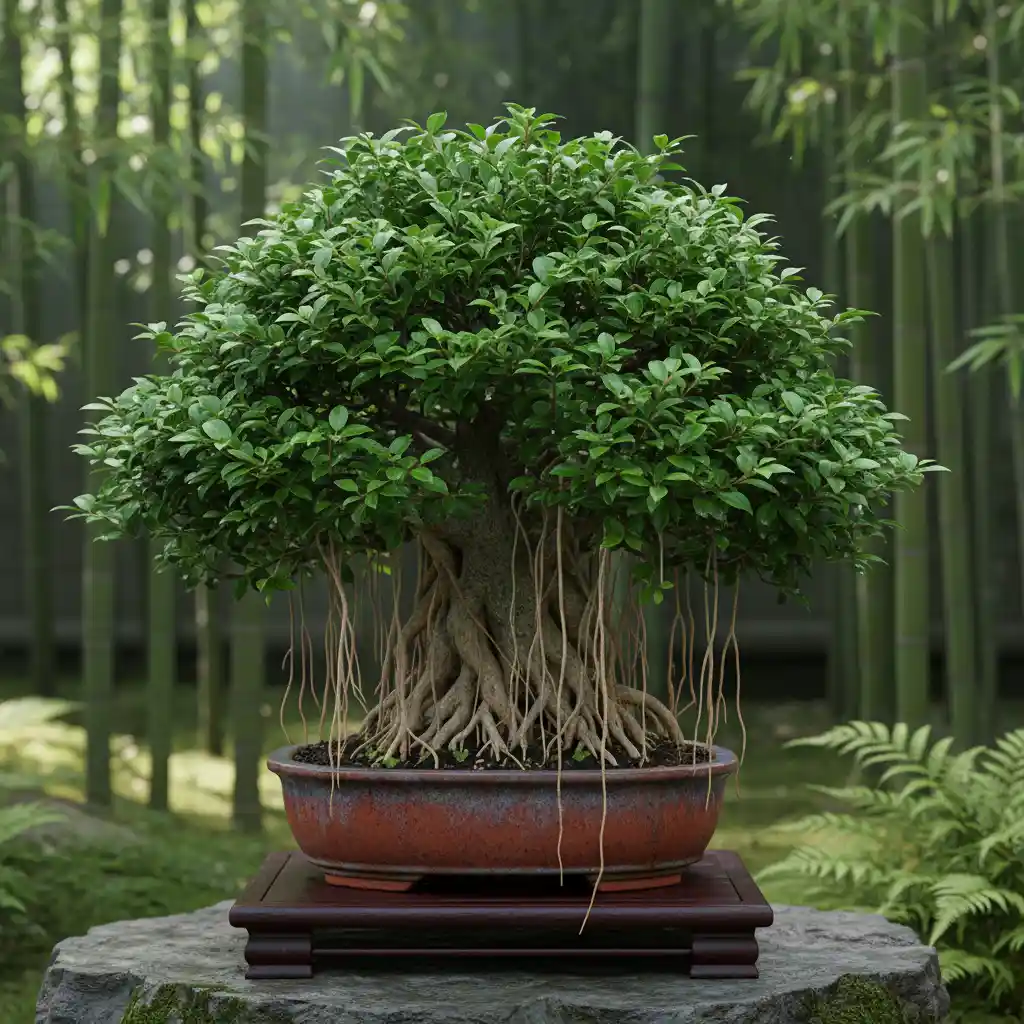
Ficus bonsai are excellent choices for all skill levels, especially in warmer climates, making them popular indoor bonsai due to their resilience. They tolerate various conditions and are forgiving of occasional care lapses, making them a good starting point for advanced techniques. They thrive in bright light, high humidity, and consistent warmth; avoid temperatures below 50°F (10°C) which can cause leaf drop. Water thoroughly when the topsoil feels dry, ensuring proper drainage to prevent waterlogged roots.
Ficus respond well to regular pruning, back-budding readily and forming dense canopies, making them ideal for developing intricate branch structures. They can be repotted year-round if kept warm, though spring is ideal for stronger recovery. Many species develop attractive aerial roots, which can be styled for an exotic, mature look, adding significant artistic value and contributing to a powerful trunk base. Their resilience and adaptability make them a joy to cultivate, allowing for diverse styling options.
Chinese Elm (Ulmus parvifolia)
Chinese Elms are known for their small, serrated leaves, fine branching, and relatively rapid growth, making them a favorite for developing intricate ramification quickly. They are remarkably hardy and can be grown indoors or outdoors in many climates, adapting well to various light conditions. They need plenty of light but tolerate some partial shade, especially during the hottest parts of the day. Good air movement is highly beneficial, helping to prevent common issues like powdery mildew and insect infestations.
Watering should be liberal during the active growing season, keeping the soil consistently moist but not soggy, reducing significantly in winter during their semi-dormant phase. They tolerate aggressive pruning and respond by ramifying exceptionally well, which is perfect for creating fine branch structures quickly and refining the canopy. Repot young elms annually to encourage robust root development, while older, more established trees may only need repotting every two to three years. Their vigorous nature makes them rewarding to style and watch develop into mature-looking specimens.
Environmental Considerations
The environment profoundly impacts bonsai health and vigor. Mimicking a tree’s natural habitat ensures its survival and promotes optimal growth. This section explores critical factors for advanced bonsai care regarding ideal placement and managing microclimates to meet your tree’s specific needs.
Light Requirements
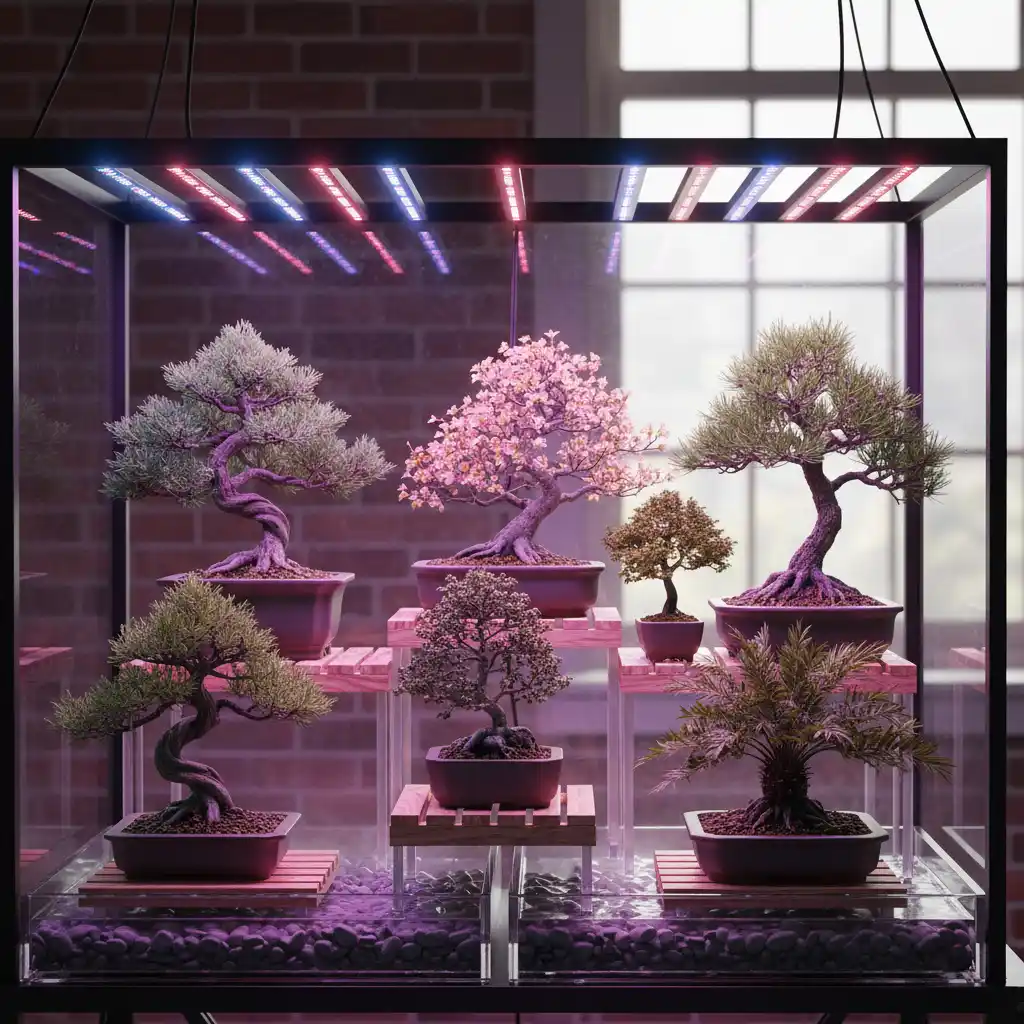
Light is vital for photosynthesis, the process by which trees produce energy. Most bonsai species prefer bright, direct sunlight for 4-6 hours daily for robust growth. However, some, like Japanese Maples, need protection from intense afternoon heat to prevent leaf scorch and maintain healthy foliage. Tropical species often require very bright indirect light when grown indoors, supplemented by artificial lights if natural light is insufficient, especially during shorter winter days. Insufficient light leads to weak, elongated growth, larger leaves, and increased susceptibility to disease; rotate trees regularly to ensure even exposure on all sides of the canopy.
Humidity and Airflow
Many bonsai, especially tropical varieties, thrive in high humidity, which mimics their natural jungle environments. Indoor environments often lack this, causing issues like leaf crisping and slowed growth. Use humidity trays filled with gravel and water, or regular misting, to increase local humidity around the tree. However, good air circulation is equally crucial. Stagnant air can lead to fungal problems, mold, mildew, and pest infestations, rapidly deteriorating the tree’s health. Ensure trees are not in stagnant corners; a small fan can greatly benefit indoor bonsai by improving air movement and mimicking natural breezes, helping to keep foliage dry and healthy.
Temperature Management
Temperature profoundly affects a tree’s metabolic rate and seasonal cycles. Deciduous and coniferous bonsai from temperate zones need a dormant period with cooler temperatures (ideally just above freezing) for proper rest and health, which is critical for their long-term vitality. Tropical species, conversely, prefer consistent warmth year-round and cannot tolerate cold temperatures, which can cause severe damage or death. Protect outdoor bonsai from extreme heat and frost by moving them to sheltered locations, such as unheated garages or cold frames, during harsh freezes or heatwaves. Monitoring soil temperature is also important, as overly cold or hot soil can hinder root function and nutrient uptake, impacting the entire tree’s health.
Seasonal Maintenance Schedules
Bonsai care is a year-round commitment, with each season bringing specific tasks crucial for a tree’s development and long-term health. Following a meticulous seasonal schedule is a cornerstone of effective advanced bonsai care, ensuring your trees remain vibrant, resilient, and aesthetically pleasing throughout the year.

Spring
Spring brings a burst of vigorous growth as trees emerge from dormancy, making it the most active period. This is the prime season to repot most deciduous and coniferous trees, ensuring fresh soil, root pruning for health, and addressing any root-bound issues. Prune heavy branches to refine shape, balance growth, and begin initial wiring on new shoots while they are still flexible. Increase watering frequency and start a balanced fertilizing regimen to support new foliage and robust root development. Vigilantly watch for pests and diseases as new growth emerges, addressing issues promptly to prevent widespread damage.
Summer
Summer demands diligent watering, often multiple times daily for outdoor trees in full sun, especially in hot climates, to prevent drought stress. Protect sensitive species like Japanese Maples from intense afternoon heat by moving them to partial shade or using shade cloth to prevent leaf scorch. Continue light pruning, pinching new shoots to maintain form and encourage ramification, rather than allowing leggy growth. Apply reduced strength fertilizer to avoid burning roots in high heat. Ensure excellent air circulation to prevent fungal problems and reduce pest breeding grounds.
Autumn
As growth slows in autumn, gradually reduce fertilization and watering in preparation for dormancy, allowing the tree to harden off. Autumn is an ideal time for final shaping and wiring, as branches are less brittle than in winter but growth has hardened, making them hold their new position better. It’s also a good time to collect seeds from mature trees for propagation. Prepare deciduous trees for leaf drop and begin planning winter protection strategies, considering applying a lower nitrogen fertilizer to encourage root hardening and winter resilience.
Winter
Winter is a dormant period for many outdoor bonsai from temperate zones. Protect them from freezing temperatures and harsh winds by moving them to sheltered locations or unheated structures like cold frames or garages. Reduce watering significantly, only providing enough to prevent the soil from drying out completely; overwatering can lead to root rot in cold conditions. No fertilization is needed during dormancy, as the tree is not actively growing. Indoor tropical bonsai still need consistent light and warmth, though their growth rate will naturally slow. For more general bonsai information, visit Wikipedia, a comprehensive source on the history and cultivation of bonsai.
The Art of Bonsai Display and Cultural Significance
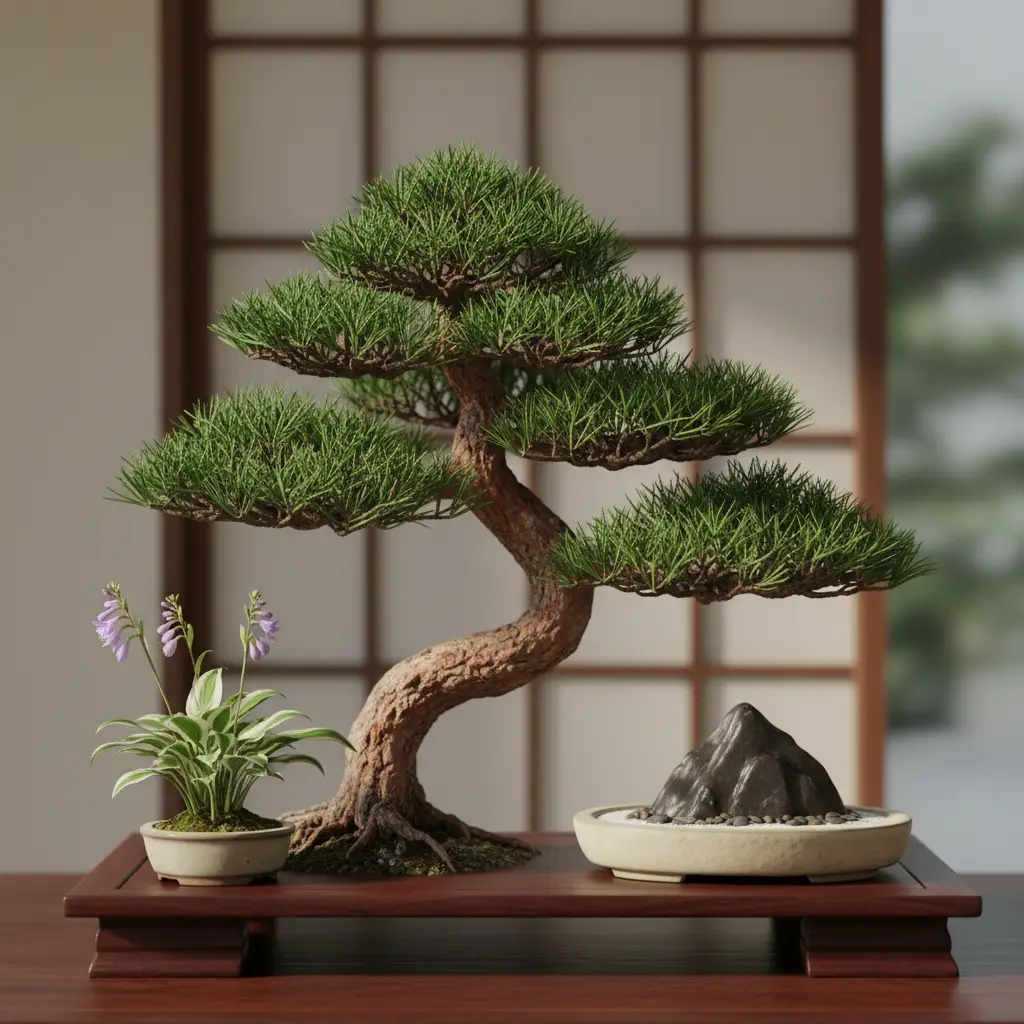
Beyond cultivation, bonsai embodies a rich history and artistic tradition, making it more than just a plant. The way a bonsai is displayed is as crucial as its growth and styling. Traditionally, bonsai are presented in harmony with their surroundings, often on elegant stands, accompanied by accent plants or suiseki (viewing stones). This creates a miniature landscape, or “bonsai display,” inviting contemplation and reflecting the deep beauty of nature within a small space.
The cultural aspects of bonsai are deeply rooted in East Asian philosophies, particularly Zen Buddhism. It symbolizes patience, harmony, and respect for nature, encouraging a meditative practice. Understanding these elements enriches the practitioner’s journey and enhances the appreciation of the art form, connecting them to centuries of artistic endeavor. Each tree tells a story through its form and age, and its presentation amplifies this narrative, fostering a deeper connection to tradition and mindfulness.
Fostering Engagement and Community
The bonsai journey is often shared, and engaging with a community of fellow enthusiasts can greatly enhance your skills and enjoyment. Participate in local bonsai clubs, attend workshops, and join online forums. These platforms provide invaluable opportunities to learn from experienced practitioners, share your progress, and gain valuable feedback on your trees, accelerating your learning curve and broadening your perspective.
Bonsai art is also a profound form of environmental resilience and connection. By nurturing these miniature trees, we develop a deeper understanding of nature and ecological principles, fostering a sense of stewardship. This practice encourages mindfulness and a connection to the natural world, contributing to a broader appreciation for conservation and sustainable living. Sharing your passion fosters a growing community dedicated to this living art, passing on traditions and fostering new growth.
Mastering advanced bonsai care is a rewarding journey that unfolds over years of dedicated practice. It demands dedication, keen observation, and adaptability to the subtle changes in your trees and environment. By understanding species-specific needs, environmental impacts, and seasonal routines, along with appreciating the artistic and cultural aspects, you cultivate stunning bonsai trees that truly reflect the art form.
Continuously observe your trees, learn from their responses, and enjoy nurturing these living sculptures. Your efforts will result in healthier, more beautiful bonsai for years to come, deepening your connection to this ancient and profound art, creating living legacies for future generations.