Advanced Multi-Tiered Bonsai Display Stands
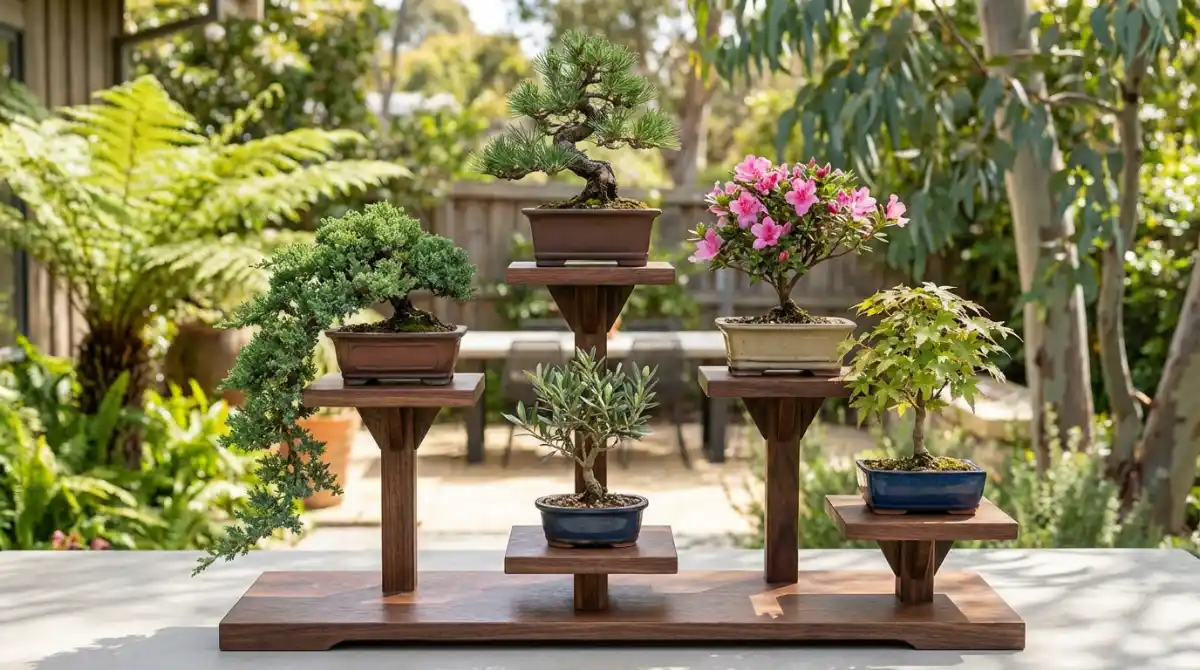
Elevate your bonsai collection with advanced multi-tiered display stands. Discover tiered bonsai stand plans, material choices, and expert tips for a stunning multi-level bonsai display.
Deep Dive
What You Will Learn
Elevate your bonsai collection with advanced multi-tiered display stands. Discover tiered bonsai stand plans, material choices, and expert tips for a stunning multi-level bonsai display.
Advanced Multi-Tiered Bonsai Display Stands: Elevate Your Collection
For serious bonsai enthusiasts, a simple stand is often insufficient. As collections grow and trees mature, the need for a display solution that optimizes space, enhances aesthetics, and provides individual care becomes paramount. This comprehensive guide delves into the world of multi-level bonsai display stands, exploring everything from foundational benefits to intricate joinery techniques and sophisticated tiered bonsai stand plans.
Whether you’re looking to showcase a diverse range of styles or create a cohesive miniature landscape, understanding advanced display strategies is key. We’ll equip you with the knowledge to design and construct robust, beautiful stands that not only protect your precious trees but also elevate their presentation to an art form.
Key Takeaways for Featured Snippet Optimization
- Multi-tiered displays optimize space and enhance the aesthetic appeal of diverse bonsai collections.
- Successful design balances tree size, style, light needs, and visual flow.
- Material choice (hardwoods, metals) and advanced joinery are critical for structural integrity and longevity.
- DIY tiered bonsai stand plans offer customizability and cost-effectiveness.
- Consider Southern Hemisphere specific challenges like sun exposure and material durability.
Table of Contents
- 1. The Undeniable Benefits of Tiered Bonsai Displays
- 2. Design Considerations for Multiple Trees & Visual Harmony
- 3. Structural Integrity & Optimal Material Choices
- 4. Mastering Advanced Joinery Techniques for Durability
- 4.1. Step 1: Meticulous Planning and Design
- 4.2. Step 2: Precision Material Preparation
- 4.3. Step 3: Executing Advanced Joinery
- 4.4. Step 4: Careful Assembly and Finishing
- 5. Showcase-Worthy Display Projects & Inspiration
- 6. Pros & Cons of DIY Tiered Bonsai Stands
- 7. Comparison: Common Bonsai Stand Materials
- 8. Frequently Asked Questions (FAQ)
- 9. Your Advanced Bonsai Display Action Plan
1. The Undeniable Benefits of Tiered Bonsai Displays
A well-designed multi-level bonsai display offers far more than just surface area. It transforms a collection from a scattered group of individual trees into a curated exhibit, maximizing visual impact and promoting plant health.
- Space Optimization: Vertical space is often underutilized. Tiered stands allow you to display more trees in a compact footprint, ideal for small gardens, patios, or indoor settings.
- Enhanced Aesthetics: Elevating trees at different heights creates dynamic visual interest, allowing each tree to be viewed from its best angle without being overshadowed. It mimics natural landscapes with varied terrain.
- Improved Air Circulation & Light Exposure: Spacing trees vertically can prevent overcrowding, leading to better airflow and more consistent light exposure for all specimens, crucial for Southern Hemisphere sun patterns.
- Individual Tree Presentation: Each tier can be dedicated to a specific style, species, or stage of development, allowing for focused appreciation and care.
- Watering & Drainage Efficiency: Many advanced designs incorporate drip trays or facilitate easier watering access, preventing waterlogging and ensuring proper drainage.
2. Design Considerations for Multiple Trees & Visual Harmony
Designing a multi-level bonsai display requires careful planning to ensure both structural integrity and aesthetic appeal. It’s not just about stacking shelves; it’s about crafting an environment.
2.1. Strategic Tree Placement
Consider the ultimate height and width of your trees. Taller trees often belong on lower or middle tiers to prevent them from dominating the display or blocking light. Smaller, more delicate trees can occupy higher, more visible spots.
“When arranging bonsai on a tiered stand, think of it as composing a living landscape painting. Each tree is a brushstroke, contributing to the overall balance, depth, and visual narrative.” – Dr. Kaito Tanaka, Master Bonsai Artist.
2.2. Optimizing Light & Airflow
Southern Hemisphere growers must pay particular attention to sun exposure. Design tiers to allow adequate light penetration to all levels throughout the day. Consider rotating trees periodically. Airflow is equally vital to prevent fungal issues, especially in humid climates.
Pro Tip: Southern Hemisphere Sun Angles
For growers below the equator, remember the sun tracks across the northern sky. Design your tiered stands with this in mind, potentially orienting taller trees slightly to the north-west to avoid excessive shading of lower tiers, or incorporating rotating platforms.
3. Structural Integrity & Optimal Material Choices
The choice of material dictates not only the aesthetic but also the longevity and load-bearing capacity of your tiered bonsai stand plans. Durability, especially outdoors, is non-negotiable.
- Hardwoods (Jarrah, Merbau, Teak): Excellent for outdoor use, especially in challenging Southern Hemisphere climates. They are dense, weather-resistant, and visually appealing. However, they can be costly and challenging to work with.
- Softwoods (Cedar, Redwood, Treated Pine): More affordable and easier to work with. Cedar and Redwood offer natural decay resistance. Treated pine is economical but requires proper sealing and can leach chemicals.
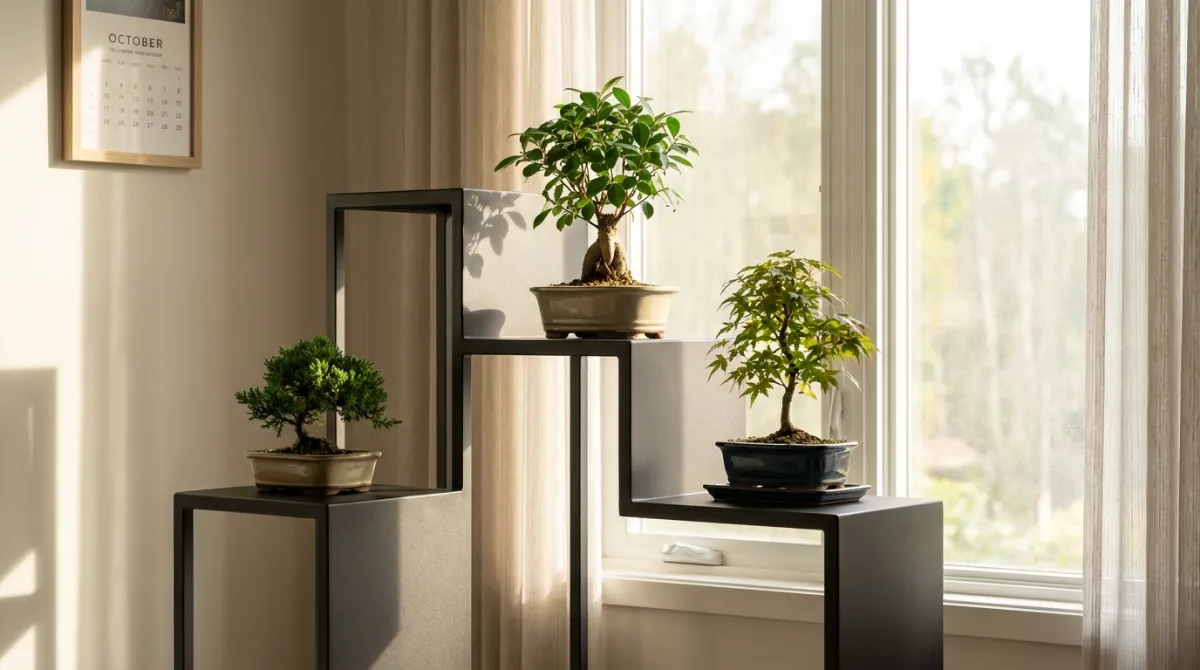
- Metal (Steel, Aluminum): Offers sleek, modern aesthetics and superior strength-to-weight ratios. Steel requires powder coating or galvanization for rust prevention. Aluminum is lightweight and rust-resistant but can be more expensive.
- Composite Materials: Recycled plastic lumber or wood-plastic composites offer low maintenance and excellent weather resistance, often mimicking wood grain.
Ensure all materials used are robust enough to support the combined weight of your trees, pots, soil, and water. A large bonsai can easily weigh **20-50 kg (44-110 lbs)**, and a multi-tiered stand will bear significant loads.
4. Mastering Advanced Joinery Techniques for Durability
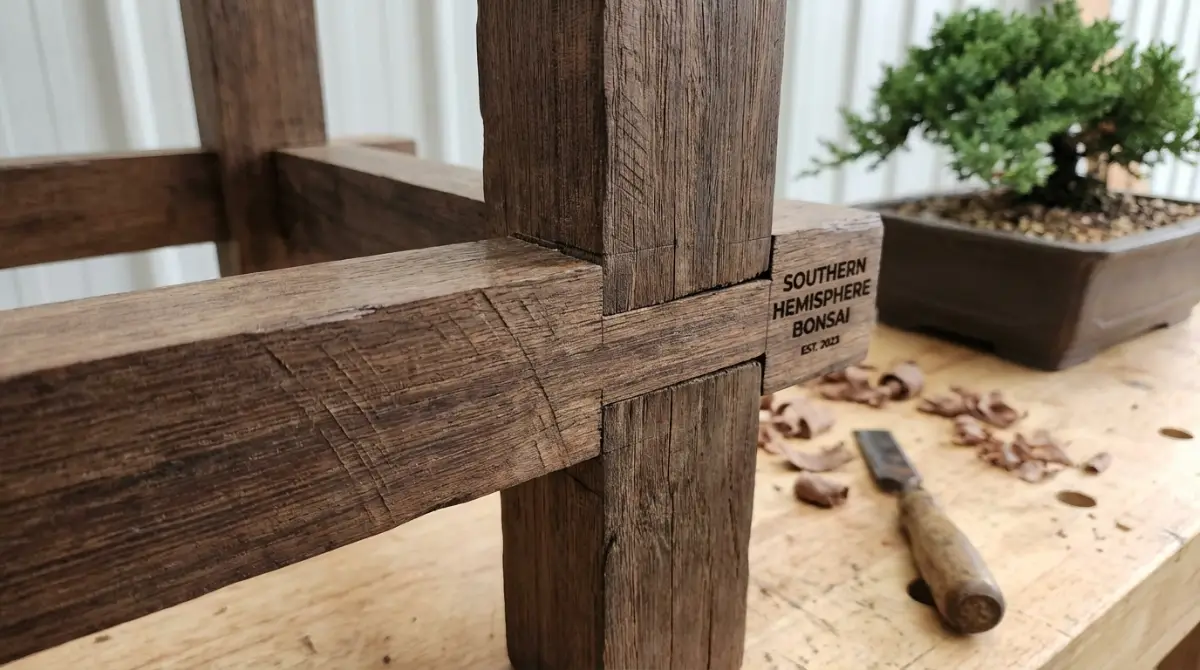
Beyond simple screws and nails, advanced joinery ensures your stand remains stable, beautiful, and withstands the test of time and weather. These techniques are fundamental for robust tiered bonsai stand plans.
Step 1: Meticulous Planning and Design
Before cutting, sketch your design in detail. Account for tree sizes, desired display height, and environmental factors. Use CAD software or graph paper to plan precise measurements for each joint. Consider a mock-up with cardboard if the design is complex.
Step 2: Precision Material Preparation
Accurately cut and dimension all your lumber or metal. For wood, ensure surfaces are flat and square. If working with hardwoods, pre-drill all pilot holes to prevent splitting. For metal, precise cuts and grinding for clean welds or bolt-holes are essential.
Step 3: Executing Advanced Joinery
- Mortise and Tenon: This classic woodworking joint is incredibly strong and ideal for connecting rails to legs. It involves fitting a projecting tenon into a rectangular mortise hole.
- Dovetail Joints: While more decorative, through or half-blind dovetails offer exceptional strength, particularly for drawer boxes or shelf connections where racking forces are a concern.
- Bridle Joints: Excellent for corner connections, offering strength and a clean appearance, often seen in table and stand construction.
- Dowels and Biscuits: Provide alignment and added strength to butt joints, often used in conjunction with screws or glue.
- Welding (for Metal Stands): MIG or TIG welding creates incredibly strong, seamless connections for metal frames. Ensure proper safety protocols and equipment.
Pro Tip: Japanese Joinery Inspiration
Explore traditional Japanese joinery techniques (e.g., Kumiko, Sashimono). These methods often rely on precise interlocking wood, eschewing metal fasteners for incredible strength and beauty – perfect for authentic bonsai displays.
Step 4: Careful Assembly and Finishing
Assemble components systematically, using high-quality waterproof wood glue for wood joints. Clamp joints securely and allow ample drying time. Once assembled, sand thoroughly and apply a protective finish suitable for outdoor conditions (e.g., marine-grade varnish, penetrating oil, or outdoor stain) to ensure longevity against the elements.
5. Showcase-Worthy Display Projects & Inspiration
The best tiered bonsai stand plans are those that marry functionality with breathtaking design. Here are some ideas for your next project:
- The Cascading River: A multi-level stand with shelves that gently descend, mimicking a river flowing over rocks. Ideal for cascade and semi-cascade style bonsai.
- The Zen Pagoda: A symmetrical, multi-tiered design with a slight taper upwards, creating a serene, pagoda-like silhouette. Perfect for formal upright and informal upright styles.
- The Branching Forest: Irregularly placed tiers at varying angles, suggesting a natural forest floor with trees growing at different elevations. Excellent for forest plantings or diverse collections.
- Modular Cube System: Individual cube units that can be stacked and arranged in various configurations, offering ultimate flexibility for changing collections or spaces.

6. Pros & Cons of DIY Tiered Bonsai Stands
Embarking on a DIY project for your multi-level bonsai display has its advantages and disadvantages.
Pros ✅
- ✅ Complete customization to fit your collection and space.
- ✅ Often more cost-effective than custom-built commercial stands.
- ✅ Satisfaction of building something with your own hands.
- ✅ Freedom to choose precise materials for durability and aesthetics.
Cons ❌
- ❌ Requires significant time, tools, and skill (especially for advanced joinery).
- ❌ Potential for structural failures if poorly constructed.
- ❌ Initial material costs can be high for quality hardwoods/metals.
- ❌ Learning curve for advanced techniques can be steep.
7. Comparison: Common Bonsai Stand Materials
Choosing the right material for your tiered bonsai stand plans is crucial for its longevity and appearance.
| Material | Pros | Cons | Best Use Case |
|---|---|---|---|
| Hardwood (e.g., Jarrah, Teak) | Extremely durable, weather-resistant, beautiful grain, high strength. | High cost, challenging to work with, heavy. | Premium outdoor displays, heirloom quality pieces. |
| Treated Pine | Economical, readily available, easy to work with. | Less aesthetically pleasing, requires regular sealing, can leach chemicals. | Budget-friendly outdoor utility stands, prototyping. |
| Powder-Coated Steel | High strength, modern aesthetic, weather-resistant finish, relatively slim profiles. | Can be costly, specialized tools for DIY (welding), heavy. | Contemporary displays, high-load bearing, minimalist designs. |
8. Frequently Asked Questions (FAQ)
What is the ideal height for a multi-tiered bonsai display?
The ideal height depends on the size of your trees and your viewing preference. Generally, the lowest tier should be high enough to prevent bending over excessively, while the highest tier should allow comfortable viewing without craning your neck. Aim for the main viewing points of your trees to be between waist and eye level.
How do I protect my tiered bonsai stand from Southern Hemisphere weather?
Choose weather-resistant materials like Jarrah, Merbau, or treated/sealed cedar for wood. For metal, opt for galvanized or powder-coated steel, or aluminum. Apply high-quality outdoor sealants or marine-grade varnishes regularly. Consider designs with good drainage to prevent water pooling.
Can I use recycled materials for a tiered bonsai stand?
Yes, recycled materials can be excellent, provided they are structurally sound and appropriately treated. Pallet wood, salvaged timbers, or even old metal shelving units can be repurposed. Always inspect for rot, pests, or rust, and treat/seal them thoroughly to ensure longevity and prevent harm to your trees.
What’s the difference between a multi-level bonsai display and a ‘bonsai bench’?
A bonsai bench is typically a single-level, often long and sturdy platform designed for holding multiple trees side-by-side for cultivation and basic display. A multi-level or tiered display, in contrast, uses vertical space to present trees at different heights, enhancing aesthetic appeal, optimizing viewing angles, and often allowing for more curated arrangements.
9. Your Advanced Bonsai Display Action Plan
Ready to elevate your bonsai collection? Follow this checklist:
- Assess Your Collection: Categorize trees by size, style, species, and light requirements.
- Measure Your Space: Determine the available footprint and vertical clearance.
- Sketch & Design: Create detailed tiered bonsai stand plans, incorporating tree placement and visual flow.
- Select Materials: Choose durable, weather-appropriate materials based on budget and aesthetic.
- Master Joinery: Practice advanced techniques like mortise and tenon for superior strength.
- Build & Finish: Execute your plans with precision, ensuring proper sealing and protection.
- Arrange & Observe: Place your trees, then step back and adjust for optimal light, airflow, and visual impact. Monitor performance, especially regarding Southern Hemisphere sun.
By meticulously planning and executing your multi-level bonsai display project, you’re not just building a stand; you’re crafting a dedicated stage for your living art, ensuring its health and maximizing its beauty for years to come.