Advanced Bonsai Watering Systems & Tips: Nurturing Your Miniature Trees
Mastering bonsai watering is crucial for the health and longevity of your miniature trees. While basic watering methods, like using the right Bonsai Watering Cans & Misters, are a good start, diving into advanced bonsai watering techniques can truly elevate your cultivation skills. This guide explores cutting-edge solutions and expert tips to ensure your bonsai thrive, adapting to their unique needs and environmental conditions.
Effective watering is more than just pouring water; it’s about understanding soil moisture, root health, and environmental factors. With the right strategies and modern tools, you can achieve optimal hydration for your precious collection.
Table of Contents
- Understanding Your Bonsai’s Unique Water Needs
- Automated Watering Solutions for Bonsai
- Mastering Moisture Sensors for Bonsai
- Efficient Watering Practices for Healthy Bonsai
- Choosing the Right Advanced Bonsai Watering System
- Common Advanced Watering Mistakes to Avoid
- Future of Bonsai Watering: Innovations for 2026
Understanding Your Bonsai’s Unique Water Needs
Every bonsai tree is an individual. Its watering requirements depend on several factors. Knowing these helps you tailor your approach, moving beyond a one-size-fits-all strategy.
Factors Influencing Water Requirements
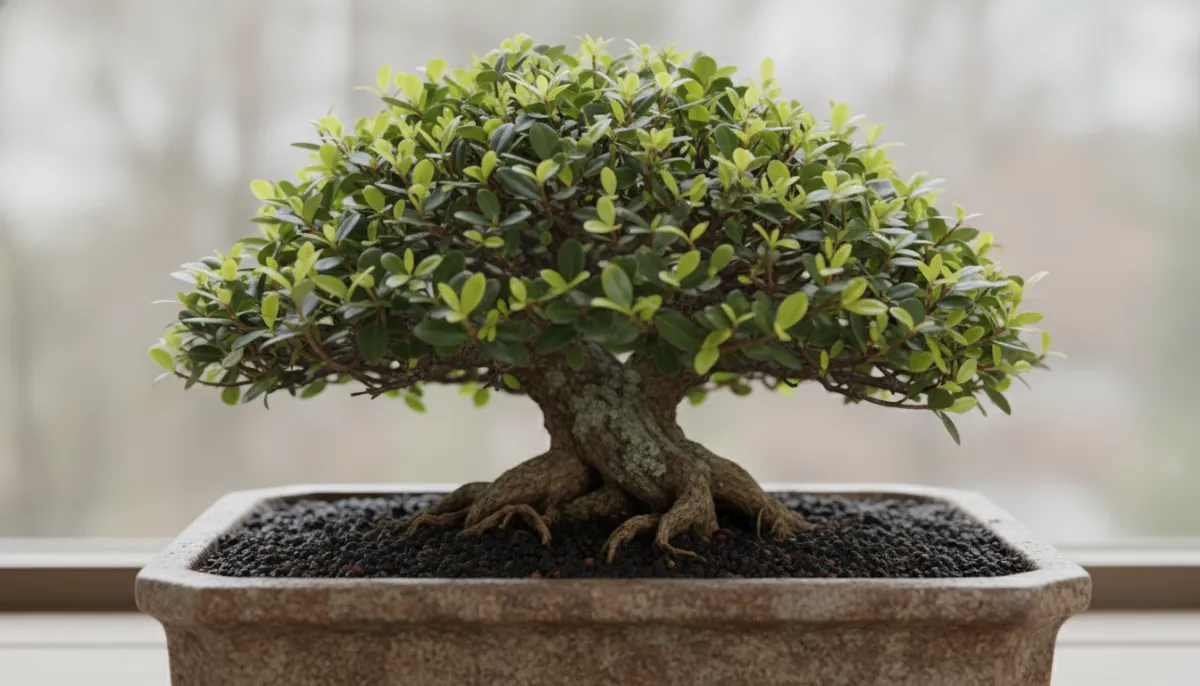
Consider the bonsai species, the pot size, and the local climate. Tropical species, such as Ficus, often need more water than temperate ones; for specific guidance, see our Ficus Bonsai Care: A Complete Guide. For those just starting their journey, exploring Beginner-Friendly Bonsai Tree Species can be a great first step. Smaller pots dry out faster. Hot, windy environments increase evaporation significantly.
The type of soil mix also plays a vital role. Well-draining soil prevents root rot but requires more frequent watering. Heavy, moisture-retentive soils hold water longer but can suffocate roots if overwatered. For comprehensive guidance on optimal growing mediums and feeding schedules, consider our guide on Bonsai Soil, Fertilization & Nutrition.
Signs of Under- and Over-Watering
Learning to read your tree is key. Wilting leaves, crispy edges, and dull foliage can signal under-watering. Yellowing leaves, soft bark, and moldy soil often point to over-watering, a more common and dangerous issue for bonsai. Such conditions can also make your trees vulnerable to various ailments; for detailed information on preventing and treating common problems, consult our guide on Disease Management for NZ Bonsai: Fungal, Bacterial & Viral Threats.
Check the soil surface and a bit deeper. If the top inch feels dry, it’s often time to water. However, some trees prefer to dry out a bit more between waterings. Observation is your best tool, not only for hydration but also for appreciating the artistry involved, including Classic Bonsai Styling Forms Explained, learning about Creating Deadwood Effects: Jin and Shari, and understanding the Bonsai Wire Gauge Guide: Aluminum vs. Copper.
Automated Watering Solutions for Bonsai
For serious collectors or those with busy schedules, automated systems offer peace of mind. These solutions help maintain consistent moisture levels, which is a hallmark of truly advanced bonsai watering.

Drip Irrigation Systems
Drip systems deliver water slowly and directly to the soil surface of each pot. They minimize waste and ensure deep saturation. These systems are highly customizable, allowing you to set specific flow rates for individual trees.
Timers can control the frequency and duration, making them ideal for consistent care. They are particularly beneficial for larger collections, reducing manual labor significantly.
Capillary Matting & Wicking Systems
Capillary mats work by absorbing water and allowing bonsai pots to draw moisture from below. This method provides a constant, gentle supply of water, mimicking natural soil wicking.
Wicking systems use a fabric wick inserted into the pot’s drainage hole, drawing water from a reservoir. Both methods are great for smaller trees or when you’re away for a short period.
Smart Sprinkler Integration
For larger areas or outdoor collections, smart sprinklers can be programmed to water specific zones. When combined with weather sensors, they can adjust schedules based on rainfall, preventing over-watering and conserving resources.
These systems offer high levels of control and can be managed remotely via smartphone apps, providing ultimate convenience and precision for your *advanced bonsai watering* setup.
- **Pros of Automation:** Consistency, time-saving, reduced human error, water conservation.
- **Cons of Automation:** Initial setup cost, potential for system failure, less direct observation of trees.
- **Best Use:** Larger collections, frequent travel, specialized species needing precise moisture.
Mastering Moisture Sensors for Bonsai
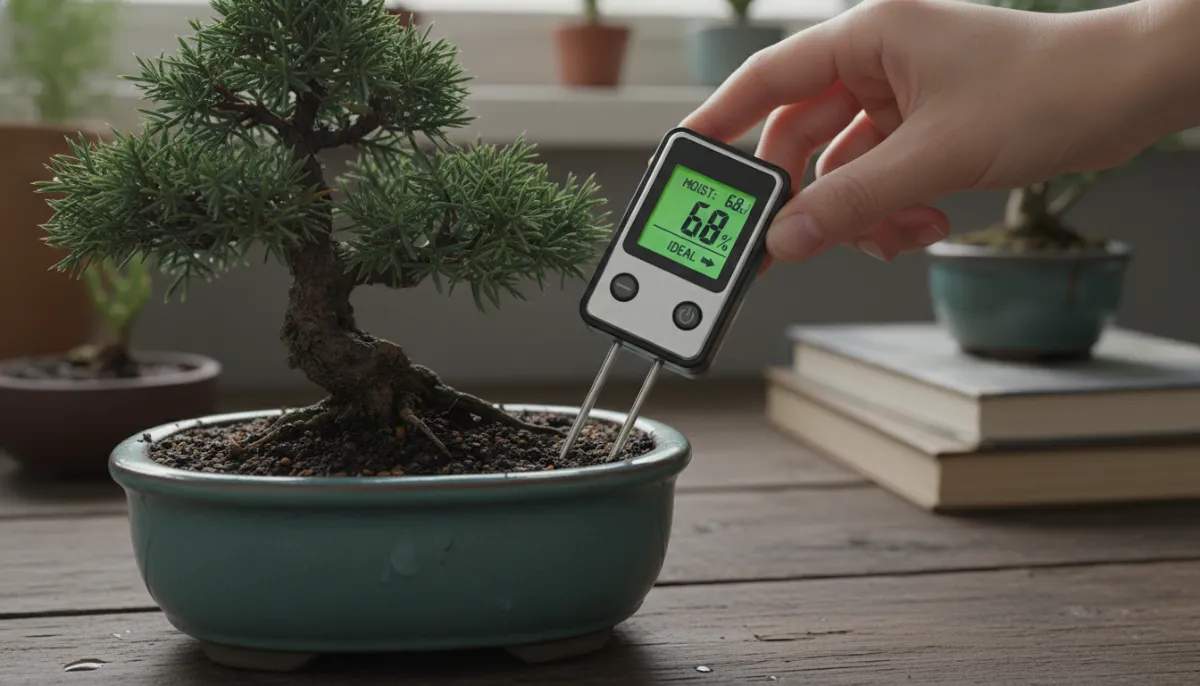
Moisture sensors are a game-changer for precise watering. They remove guesswork, giving you real-time data on soil conditions. This is fundamental to truly advanced bonsai watering.
Types of Sensors
There are two main types: resistive and capacitive. Resistive sensors measure electrical resistance between two probes, which changes with moisture. They are simple and affordable but can corrode over time.
Capacitive sensors measure the dielectric permittivity of the soil, offering more accurate and corrosion-resistant readings. They typically last longer and provide more consistent data.
Placement and Calibration
Proper sensor placement is critical. Insert the sensor into the root ball, avoiding direct contact with the pot’s edge or large drainage material. Ensure it’s deep enough to read moisture levels where roots actively absorb water.
Calibrate your sensor by noting readings when the soil is completely dry and after thorough watering. This helps you understand the ideal moisture range for your specific tree and soil mix.
Integrating Sensors with Automated Systems
The real power of sensors comes when integrated with automated systems. A smart controller can receive data from multiple sensors. When a sensor detects low moisture, the system triggers watering for that specific tree or zone.
This creates a closed-loop system, ensuring trees only get water when they truly need it.
Beyond the technology, continuous learning and engagement with fellow enthusiasts can significantly enhance your bonsai journey, covering essential topics like Spring Care for Bonsai SH. Exploring the vibrant Bonsai Community & Events offers valuable insights and networking opportunities. Additionally, consider Finding Local Bonsai Clubs and Societies to gain local expertise and hands-on guidance from experienced cultivators. For a broader perspective on the evolution and significance of bonsai, delve into The Future of NZ Native Bonsai: Innovation, Sustainability & Global Recognition.