Advanced Aesthetic Refinement & Display: The Art of NZ Bonsai
Discover the art of advanced aesthetic refinement for NZ native bonsai displays. Master the unique Bonsai display aesthetic NZ with cultural integration and design principles.
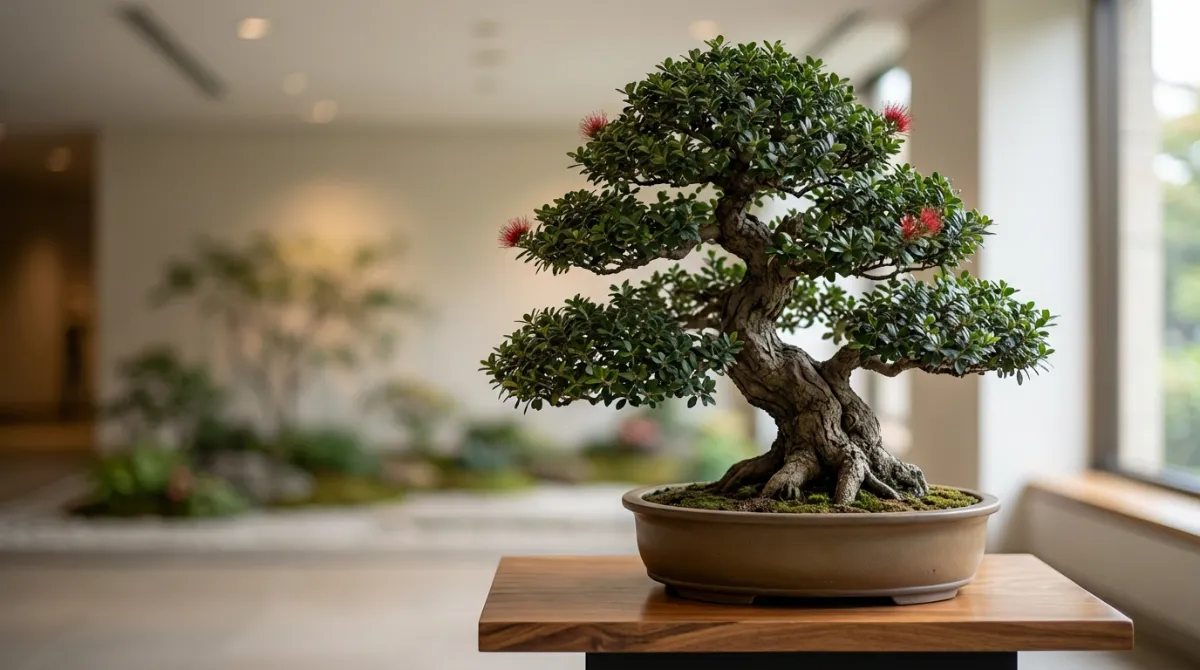
bonzai.co.nz
What You Will Learn
Discover the art of advanced aesthetic refinement for NZ native bonsai displays. Master the unique Bonsai display aesthetic NZ with cultural integration and design principles.
Advanced Aesthetic Refinement & Display: The Art of NZ Bonsai
In the exquisite world of bonsai, mere tree cultivation gives way to a profound artistic expression. For enthusiasts of New Zealand native species, this journey transcends traditional techniques, evolving into a dedicated pursuit of high-end aesthetic refinement. This article delves into the nuanced art of creating a captivating Bonsai display aesthetic NZ style, exploring how to craft displays that not only showcase your magnificent trees but also tell a story steeped in Aotearoa’s unique natural and cultural heritage.
Beyond basic pruning and wiring, truly advanced bonsai display is about context, harmony, and evoking emotion. It’s about understanding the subtle interplay of tree, pot, stand, and accent, all contributing to a singular, breathtaking composition. Join us as we uncover the secrets to elevating your native NZ bonsai from a horticultural specimen to a living sculpture of unparalleled beauty.
Table of Contents
Beyond Basic Styling: Achieving High-End Aesthetics
Achieving a high-end bonsai aesthetic extends far beyond the technical mastery of horticulture. It’s an immersion into design principles, an understanding of visual psychology, and a commitment to meticulous refinement. The goal is to create a display that feels complete, balanced, and evocative, one that resonates deeply with observers.
Consider your bonsai not as an isolated object, but as the central figure in a miniature landscape. Every element surrounding it—the stand, the accent plant, the suiseki (viewing stone), or even the texture of the display surface—contributes to the overall narrative. For an elevated Bonsai display aesthetic NZ, this means thoughtful consideration of indigenous materials, subtle colour palettes, and forms that echo the rugged beauty of New Zealand’s natural environment.
Expert Insight: True high-end aesthetic refinement is often characterized by restraint. Less can be more, allowing the intrinsic beauty and story of the tree to shine without unnecessary distraction. Focus on quality over quantity in your display elements.
The Role of Subtle Details
Attention to minute details differentiates good from great. This includes the subtle patina on a pot, the natural grain of a display table, or the choice of moss to simulate a forest floor. These elements, when harmonized, create an immersive experience. For native species, think about details that suggest their natural habitat – perhaps a piece of driftwood reminiscent of a windswept coast or a small accent plant found in New Zealand’s undergrowth.
The Art of Bonsai Display in a Southern Context
New Zealand’s unique geographical position in the Southern Hemisphere, its diverse microclimates, and distinctive flora offer a profound wellspring of inspiration for bonsai display. Unlike traditional Japanese or Chinese styles, a truly ‘Kiwi’ display embraces the raw, untamed beauty of Aotearoa.
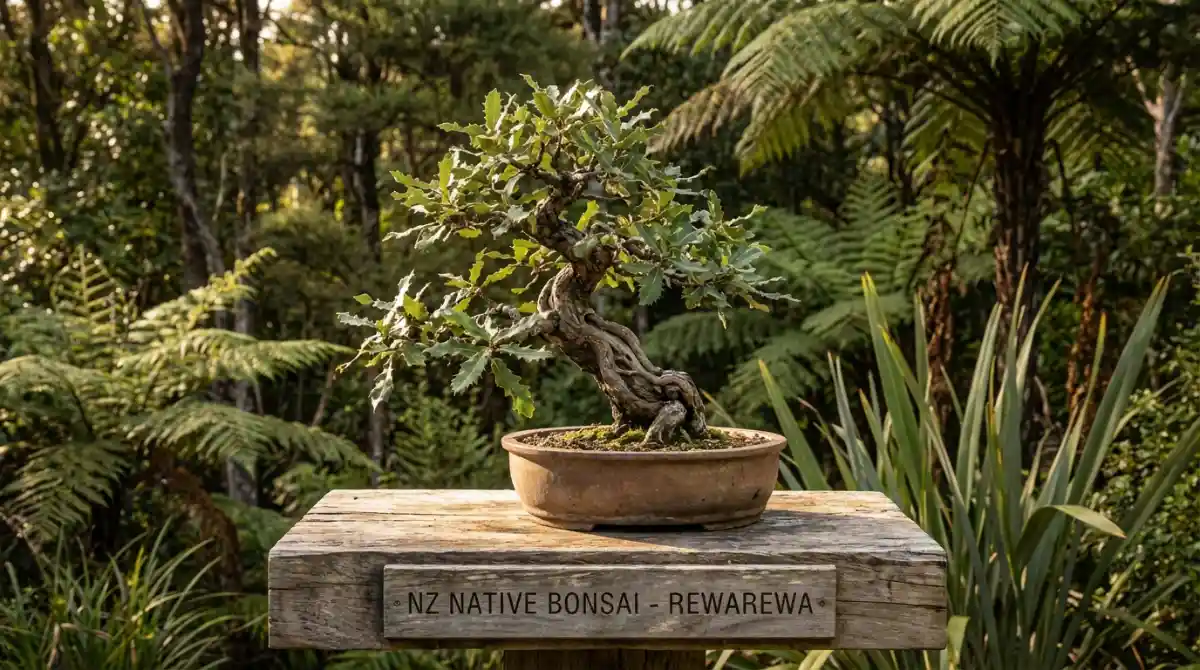
Consider the dramatic light quality, often sharper and more direct than in the northern latitudes. This can influence how shadows play on your display, adding depth and drama. The seasonal shifts, while different from traditional bonsai cultures, also present opportunities. A bare Tōtara in winter can evoke a powerful sense of resilience, while the vibrant new growth of a Kauri in spring speaks of renewal.
Embracing NZ’s Natural Palette
The colour palette of the New Zealand landscape is distinct: verdant greens, earthy browns, and the deep, rich tones of volcanic rock and native timber. Incorporating these natural hues into your stand, accent pieces, and pot selection will significantly enhance the authentic Bonsai display aesthetic NZ strives for.
Key Principle: When designing a display for a native species, imagine its natural habitat. What kind of undergrowth would it have? What stones or fallen wood would lie near it? Replicating these elements in miniature enhances authenticity and connection.
Integrating NZ Cultural Elements in Display
Perhaps the most profound way to achieve a unique Bonsai display aesthetic NZ style is through the respectful integration of Māori cultural elements. This goes beyond mere decoration; it’s about infusing your display with meaning and connection to the land and its people.
- Kaitiakitanga (Guardianship): Reflect this philosophy by choosing sustainable materials and ensuring your display respects the natural world.
- Kowhaiwhai & Raranga: Patterns inspired by traditional Māori art or woven flax mats can serve as exquisite backdrops or subtle accents, adding depth and cultural resonance.
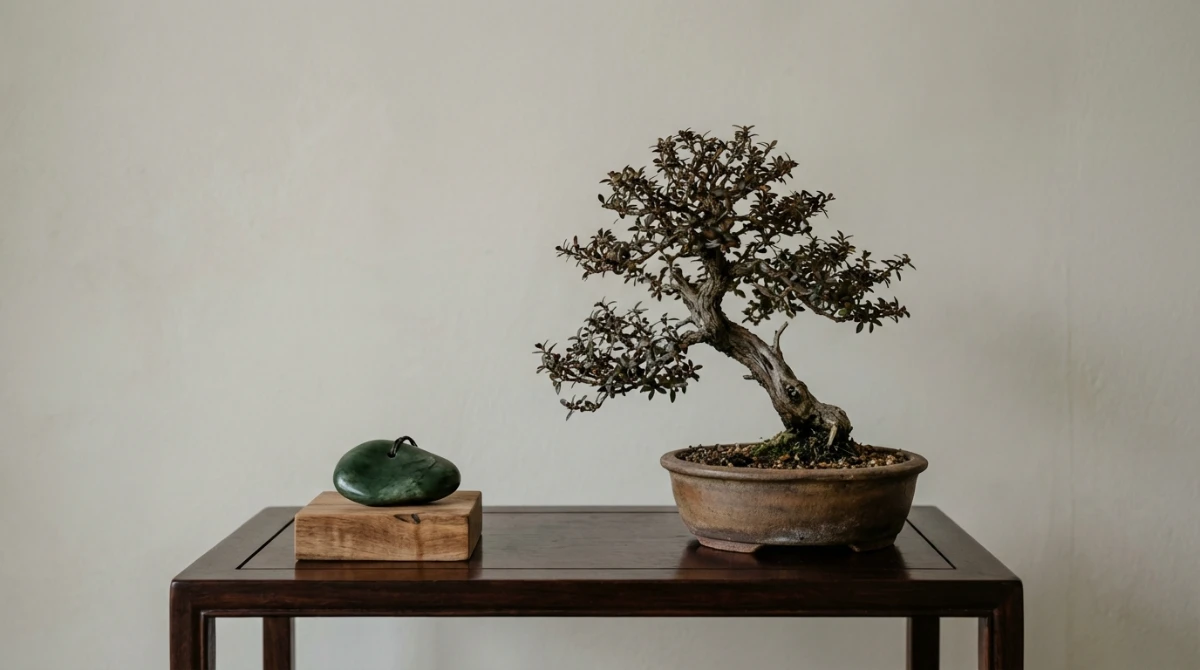
- Pounamu (Greenstone) & Native Timber: Small, ethically sourced pieces of pounamu or polished native timbers (like Rimu, Kauri, or Matai) can serve as powerful accent elements, connecting your display directly to the land.
Always approach cultural integration with sensitivity and a desire to understand the meaning behind the forms. Research and engage with local iwi (tribes) or cultural experts if you plan to incorporate specific designs or materials to ensure accuracy and respect.
Ceramics & Pot Selection for NZ Natives
The pot is more than just a container; it’s an integral component of the bonsai’s overall composition. For New Zealand native species, pot selection is particularly crucial for enhancing the Bonsai display aesthetic NZ. The right pot complements the tree’s character, reinforces its natural habitat, and completes the visual story.
Harmony of Form, Colour, and Texture
- Form: Consider the tree’s trunk shape and movement. A strong, rugged trunk might suit a heavier, more angular pot, while a delicate, weeping native could pair with a softer, rounder form.
- Colour: Earthy tones, deep greens, blues, and natural unglazed ceramics often work best with NZ natives, echoing the country’s landscape. Avoid overly bright or contrasting colours that distract from the tree.
- Texture: A rough, unglazed pot can mirror the bark texture of many native trees, creating a tactile connection. Smooth, refined glazes can highlight the elegance of a specimen with delicate foliage.
Supporting Local Artisans
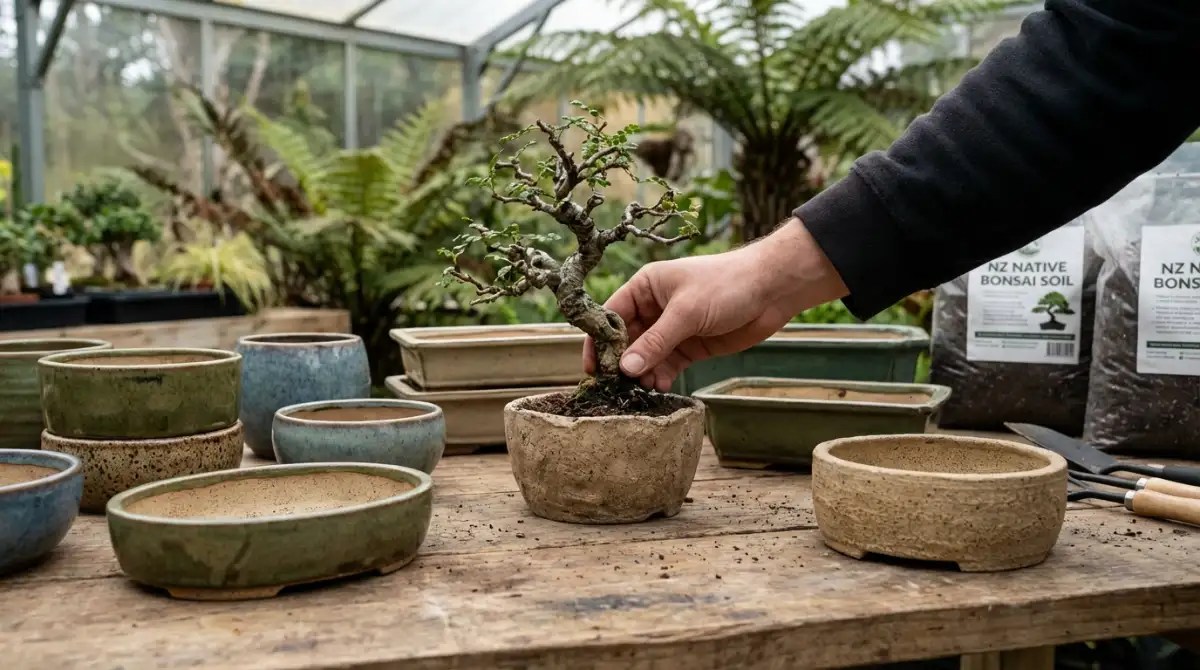
Many talented New Zealand ceramic artists specialize in bonsai pottery. Supporting these local artisans not only ensures high-quality, unique pots but also provides vessels crafted with an inherent understanding of the local environment and aesthetic, further enhancing your Bonsai display aesthetic NZ.
Mastering the Art of Negative Space & Proportion
Two fundamental principles of design—negative space and proportion—are paramount in achieving a sophisticated bonsai display. These are not merely abstract concepts but practical tools for creating depth, balance, and visual interest in your composition.
1. Understanding Negative Space
Negative space refers to the empty areas around and within your bonsai and its display. It’s the canvas upon which your art is presented. Rather than ignoring it, actively design with it. A well-utilized negative space can draw the eye, create a sense of calm, and allow the tree’s form to breathe.
- Frame the View: Use negative space to frame the tree, guiding the viewer’s gaze to its most compelling features.
- Create Depth: Strategic placement of elements can create illusions of distance and depth, even in a small display.
- Provide Rest: Empty space offers visual relief, preventing the display from feeling cluttered or overwhelming.
2. Applying Proportion and Scale
Proportion relates to the size relationship between various elements in your display. This includes the tree’s height to its pot, the size of an accent plant to the main tree, and the overall display’s footprint to its environment. Achieving harmonious proportion ensures that all elements feel like they belong together.
- Golden Ratio: While not a strict rule, the golden ratio (approximately 1:1.618) can be a useful guide for pleasing proportions in your arrangements.
- Visual Weight: Consider the ‘visual weight’ of each element. A large, dark pot has more visual weight than a small, light-coloured accent. Balance these weights.
- Scale to Environment: The entire display should feel appropriately scaled to where it will be viewed – a grand display for a large room, a more intimate one for a private nook.
Expert Insight: Practice ‘visual editing’. Before finalizing your display, remove elements. If the display still works, or even improves, the removed element was likely unnecessary. This iterative process refines your eye for negative space and proportion.
Frequently Asked Questions (FAQ)
What makes a bonsai display ‘high-end’ for NZ natives?
A high-end display for NZ natives goes beyond basic styling to incorporate sophisticated design principles, cultural resonance, and a deep understanding of the species’ natural habitat. It involves thoughtful selection of pots, stands, and accent elements that create a cohesive, harmonious, and evocative composition, often integrating elements like native timbers, pounamu, or Māori-inspired patterns, all while respecting negative space and proportion.
How can I incorporate Māori cultural elements respectfully into my bonsai display?
Respectful integration involves understanding the meaning behind the elements. You can incorporate subtle motifs from kowhaiwhai or raranga as backdrops, use ethically sourced native materials like pounamu or specific timbers as accent pieces, or draw inspiration from philosophies like Kaitiakitanga (guardianship). Always ensure your choices are informed and culturally appropriate, ideally by consulting with local iwi or cultural experts.
What are the best types of pots for NZ native bonsai?
For NZ native bonsai, pots that reflect the natural ruggedness and earthy tones of the New Zealand landscape are often preferred. This includes unglazed pots with natural textures, or those glazed in muted greens, blues, browns, or greys. The form should complement the tree’s character, with sturdy, robust pots for strong-trunked species and finer, more elegant pots for delicate natives. Supporting local NZ ceramic artists ensures unique, context-aware choices.
Why is negative space important in bonsai display?
Negative space, the empty area around and within your bonsai display, is crucial because it allows the eye to rest, frames the tree effectively, and enhances the perception of depth and drama. It prevents visual clutter and ensures that the tree itself remains the focal point, allowing its form and story to be fully appreciated. Mastering negative space is key to a sophisticated and balanced composition.
Elevate Your NZ Bonsai Masterpiece
The art of advanced aesthetic refinement in NZ native bonsai is a journey of continuous learning, cultural appreciation, and creative expression. By thoughtfully considering context, integrating cultural elements, selecting appropriate ceramics, and mastering fundamental design principles like negative space and proportion, you can transform your bonsai displays into captivating works of art that truly reflect the spirit of Aotearoa. Embrace the challenge, and let your native bonsai inspire wonder and connection.