Acacia & Eucalyptus Bonsai: Challenges & Rewards
Explore the unique eucalyptus bonsai challenges and rewards. Learn expert tips for selecting, pruning, and caring for stunning Acacia and Eucalyptus bonsai.

Deep Dive
What You Will Learn
Explore the unique eucalyptus bonsai challenges and rewards. Learn expert tips for selecting, pruning, and caring for stunning Acacia and Eucalyptus bonsai.
Acacia & Eucalyptus Bonsai: Challenges & Rewards
Delve into the intricate world of cultivating Australia’s iconic native trees as bonsai, understanding their unique demands and the profound satisfaction they offer.
Key Takeaways
- Acacia and Eucalyptus species offer distinct aesthetic rewards for bonsai, but demand specific care due to their vigorous growth and unique physiology.
- Successful cultivation hinges on understanding their natural growth habits, including aggressive root systems and rapid shoot extension.
- Effective pruning and wiring techniques are crucial, focusing on timing and careful management to prevent dieback and achieve ramification.
- Climate adaptation and protection from extreme conditions are vital, especially for species unaccustomed to shallow pot culture.
- Patience and a long-term vision are essential for transforming these natives into stunning, characteristic bonsai.
Table of Contents
- Selecting Acacia & Eucalyptus for Bonsai
- Growth Habits & Pruning Strategies
- Hardiness & Climate Considerations
- Achieving Unique Aesthetic Outcomes
- Action Checklist for Native Bonsai Care
- Frequently Asked Questions (FAQ)
Selecting Acacia & Eucalyptus for Bonsai
The allure of bringing a piece of the Southern Hemisphere’s rugged beauty into the refined art of bonsai is undeniable. Acacia and Eucalyptus, with their diverse foliage, striking bark, and often vibrant flowering, present an exciting challenge for the dedicated enthusiast. However, choosing the right species is the first critical step in overcoming potential eucalyptus bonsai challenges and acacia difficulties.
Not all species are created equal for bonsai. Look for those with naturally smaller leaves, good branch ramification potential, and adaptability to pot culture. Smaller-leaved species like Acacia iteaphylla (Willow-leaf Wattle) or specific dwarf Eucalyptus varieties are often more forgiving. Research your chosen species’ natural growth habits and climate requirements thoroughly.
Pros and Cons of Acacia & Eucalyptus Bonsai
Pros:
- Unique Aesthetics: Distinctive bark, foliage, and sometimes flowers/seed pods that stand out.
- Resilience: Many species are incredibly tough and drought-tolerant in their natural habitat.
- Rapid Growth: Allows for faster development and styling changes, especially for beginners.
- Southern Hemisphere Connection: A rewarding way to connect with native Australian and New Zealand flora.
Cons (Challenges):
- Vigorous Growth: Can quickly outgrow styling and become leggy if not managed.
- Leaf Reduction: Achieving small leaves can be very difficult, especially with larger-leaved varieties.
- Branch Brittleness: Many species have brittle branches, making wiring a delicate task.
- Dieback: Pruning can sometimes lead to unpredictable dieback, a significant eucalyptus bonsai challenge.
- Water Management: While drought-tolerant in the ground, they need consistent watering in pots.
Growth Habits & Pruning Strategies
Understanding the natural inclination of Acacia and Eucalyptus species is paramount to successful bonsai. These are often fast-growing trees in the wild, designed to reach for light quickly. This inherent vigor, while sometimes beneficial for rapid development, is also the source of many eucalyptus bonsai challenges, especially concerning ramification and leaf size.
“Patience is not merely waiting; it is the active cultivation of understanding the plant’s natural rhythm.” – A Bonsai Master’s Insight
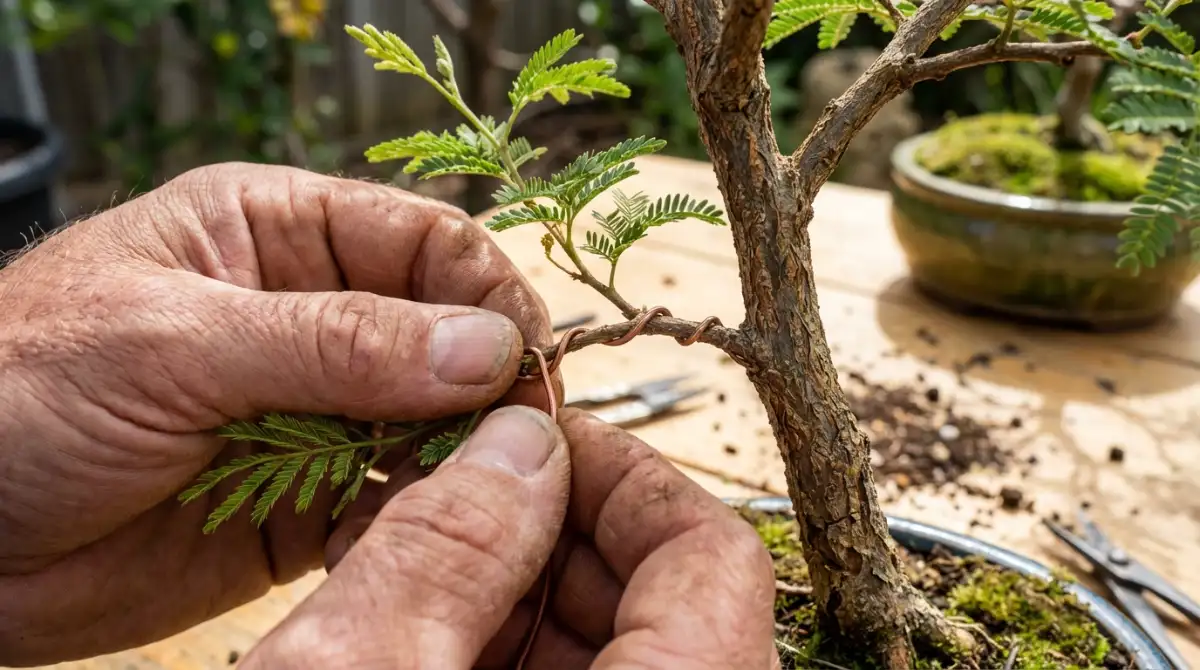
Step-by-Step Guide to Pruning and Shaping:
-
Initial Hard Pruning (Developmental Stage):
For collected material or young plants, hard pruning is often necessary to establish basic trunk line and primary branches. This is typically done in late winter or early spring before strong new growth emerges. Be bold, but always ensure there are active buds or existing foliage below your cut point to encourage back-budding.
-
Managing Vigorous Shoots:
Eucalyptus and Acacia produce incredibly strong shoots. Allow them to grow out for a period (sacrificial branches) to thicken specific areas, then cut them back hard. For general ramification, prune new shoots back to 1-2 sets of leaves once they have extended sufficiently (e.g., 6-8 sets of leaves). This helps control leaf size over time and encourages denser growth.
-
Wiring with Caution:
The branches of many native species, particularly Eucalyptus, can be brittle, and their bark is easily scarred. Use annealed aluminum wire and apply it gently. Check wiring frequently (every few weeks during active growth) to prevent wire bite. Consider alternative shaping methods like guy wires or clip-and-grow, especially for older, more rigid branches.
-
Root Pruning & Repotting:
These species develop strong, often dense root systems. Repotting every 1-3 years, depending on vigor and pot size, is crucial. Be prepared for a substantial root mass. When root pruning, aim to remove about 20-30% of the root ball, focusing on thick, circling roots, and replacing with fresh, well-draining native bonsai soil mix.
Consistent pruning is key to taming their natural vigor and encouraging the refined structure required for bonsai. It’s a continuous dance between allowing growth and reining it in, directly addressing the core eucalyptus bonsai challenges.
Hardiness & Climate Considerations
While Acacia and Eucalyptus are renowned for their hardiness in their natural extensive landscapes, translating this to the confined environment of a bonsai pot introduces specific considerations. The primary eucalyptus bonsai challenges here relate to water management, nutrient supply, and protection from environmental extremes.

Key Environmental Factors:
- Sunlight: Most species thrive in full sun. Ensure they receive ample light throughout the day, especially during the growing season.
- Watering: Despite their drought tolerance in the ground, bonsai pots dry out quickly. Water thoroughly when the topsoil begins to feel dry, often daily in hot, windy conditions. Good drainage is non-negotiable to prevent root rot.
- Fertilizing: Use a balanced liquid fertilizer or slow-release granular feed during the growing season. Reduce or cease fertilization in winter. Be mindful not to over-fertilize, as these natives can be sensitive.
- Winter Protection: While some species tolerate light frosts, many benefit from protection in colder climates. Move them to a sheltered location, unheated greenhouse, or even indoors if temperatures drop significantly below freezing for extended periods. Protect roots from freezing solid.
- Pest & Disease: Generally robust, but monitor for common bonsai pests like scale, aphids, or spider mites. Good air circulation and appropriate watering reduce fungal issues.
Achieving Unique Aesthetic Outcomes
The true reward of cultivating Acacia and Eucalyptus bonsai lies in the unique aesthetic they offer. Unlike traditional Japanese species, these natives encourage a more naturalistic, rugged, and free-flowing style that captures the essence of the Australian bush or New Zealand landscape. Embracing their distinct characteristics, rather than forcing them into conventional molds, is key.
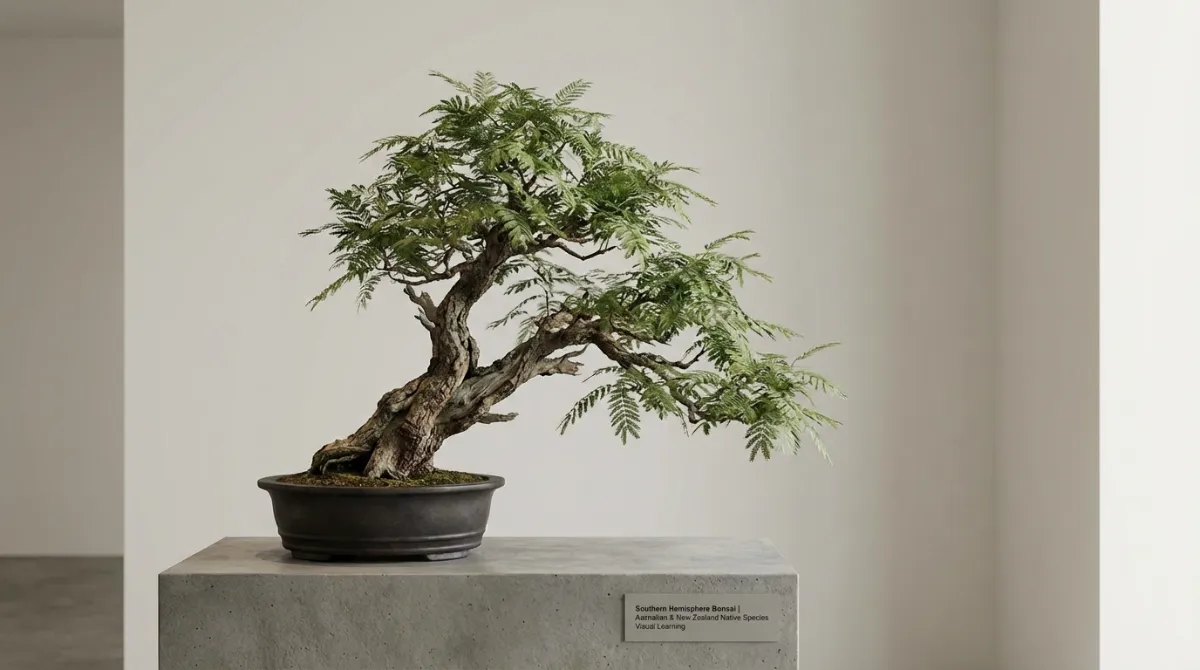
“The beauty of native bonsai isn’t in perfection, but in capturing the spirit of the wild within a cultivated form.”
Focus on showcasing their unique bark textures, which can be striking and shed in fascinating ways, or the delicate, often scented, foliage. Allow the natural flow of branches to dictate the style, whether it’s an informal upright, a windswept representation of coastal conditions, or a multi-trunked bushland cluster. The flowering of Acacias and the sometimes colorful new growth of Eucalypts can also be celebrated moments in your design.
With thoughtful styling and patient cultivation, these species can develop into magnificent, culturally resonant bonsai that truly stand apart. Overcoming the initial eucalyptus bonsai challenges paves the way for a deeply satisfying artistic journey.
Action Checklist for Native Bonsai Care
To successfully navigate the journey of cultivating Acacia and Eucalyptus bonsai, follow this comprehensive checklist:
- Species Selection: Choose smaller-leaved, adaptable species suitable for your local climate.
- Soil Mix: Use a fast-draining, gritty bonsai mix designed for native plants.
- Watering: Water thoroughly and consistently, especially during warm periods. Avoid waterlogging.
- Sunlight: Provide full sun exposure for optimal growth.
- Pruning: Prune actively and strategically to manage vigor and encourage ramification.
- Wiring: Wire carefully, check frequently, or use alternative shaping methods due to branch brittleness.
- Repotting: Repot every 1-3 years with root pruning to maintain root health.
- Fertilization: Fertilize regularly during the growing season with a balanced, gentle feed.
- Winter Protection: Protect from severe frosts or prolonged freezing temperatures.
- Pest & Disease Monitoring: Regularly inspect your trees for any signs of issues and address promptly.
- Observation: Constantly observe your tree for signs of stress or vigor, adjusting care as needed.
Conclusion
Embarking on the journey of Acacia and Eucalyptus bonsai is both a test of skill and a profound source of reward. While the eucalyptus bonsai challenges – from their vigorous growth to their often brittle branches – demand a particular understanding and patience, the payoff is a striking, unique piece of living art that reflects the untamed beauty of the Southern Hemisphere. With the right approach, these native gems can thrive, offering a truly distinctive contribution to the world of bonsai.
Frequently Asked Questions (FAQ)
Are Eucalyptus good for bonsai?
Eucalyptus can be excellent for bonsai, offering unique bark, foliage, and rapid growth. However, they present challenges such as strong apical dominance, difficulty in leaf reduction for some species, and brittle branches that require careful wiring. Selecting species with naturally smaller leaves or those known for good ramification is key to success.
What are the main eucalyptus bonsai challenges?
The main eucalyptus bonsai challenges include their vigorous, often leggy growth, which makes ramification difficult; the tendency for branches to be brittle and prone to dieback after heavy pruning; difficulty in significantly reducing leaf size; and managing their strong root systems in a confined pot. Climate adaptation and consistent watering are also critical.
Can Acacia trees be used for bonsai?
Yes, many Acacia species are suitable for bonsai. They are known for their beautiful fern-like or phyllode foliage, interesting bark, and often showy flowers. Similar to Eucalyptus, they require diligent pruning to control vigorous growth and achieve ramification. Smaller-leaved varieties are generally preferred.
How do I reduce the leaf size of a Eucalyptus bonsai?
Leaf reduction in Eucalyptus bonsai is achieved primarily through consistent cut-back pruning of new growth. Allow shoots to extend, then cut them back hard to 1-2 sets of leaves. This repeated process, combined with strong root health and adequate light, can gradually lead to smaller foliage. Defoliation is generally not recommended for Eucalyptus as it can stress the tree and lead to dieback.
What soil is best for native Australian bonsai?
For native Australian bonsai like Acacia and Eucalyptus, a very well-draining, aerated soil mix is essential. A common mix includes akadama, pumice, and lava rock, often with a small percentage of organic material. Avoid heavy, moisture-retentive soils that can lead to root rot. Good drainage is paramount to prevent waterlogging.