Mastering Underwatering Bonsai Recovery: A Comprehensive Guide
Discover how to effectively save your precious miniature trees from the detrimental effects of underwatering. This guide focuses on crucial steps for underwatering bonsai recovery, ensuring your tree returns to vibrant health. Learning these techniques is essential for every bonsai enthusiast.
Table of Contents
1. Recognizing the Signs of an Underwatered Bonsai
Spotting an underwatered bonsai early is key to successful recovery. Many new enthusiasts confuse underwatering with overwatering symptoms, but there are distinct differences. Pay close attention to your tree daily.
Common Symptoms: Drooping Leaves and Dry Soil
The most obvious sign of underwatering is wilting or drooping leaves. They may appear dull, lifeless, and sometimes curled. Unlike overwatered leaves, which often turn yellow and fall off, underwatered leaves might shrivel and become crispy. Needles on coniferous bonsai will lose their vibrant green and start to look dull.
Beyond the foliage, inspect the soil. Is it bone dry, hard, and pulling away from the edges of the pot? This is a strong indicator. Lightly scratch the surface of the soil with your finger. If it feels completely dry even an inch or two deep, your bonsai is likely thirsty. Don’t let your bonsai reach this critical point too often.
Diagnostic Steps: The Finger Test and Pot Weight
A simple and reliable method is the finger test. Insert your finger about an inch or two into the soil. If it feels dry, it’s time to water. Another useful diagnostic is lifting the pot. A well-watered bonsai pot will feel noticeably heavier than a dry one. Over time, you’ll develop a feel for the ideal weight.
Observe the branches and trunk. In severe cases, branches might become brittle and snap easily. The bark could also appear shriveled. These are later stages of dehydration and require immediate intervention to start the underwatering bonsai recovery process. Act quickly to give your tree the best chance.
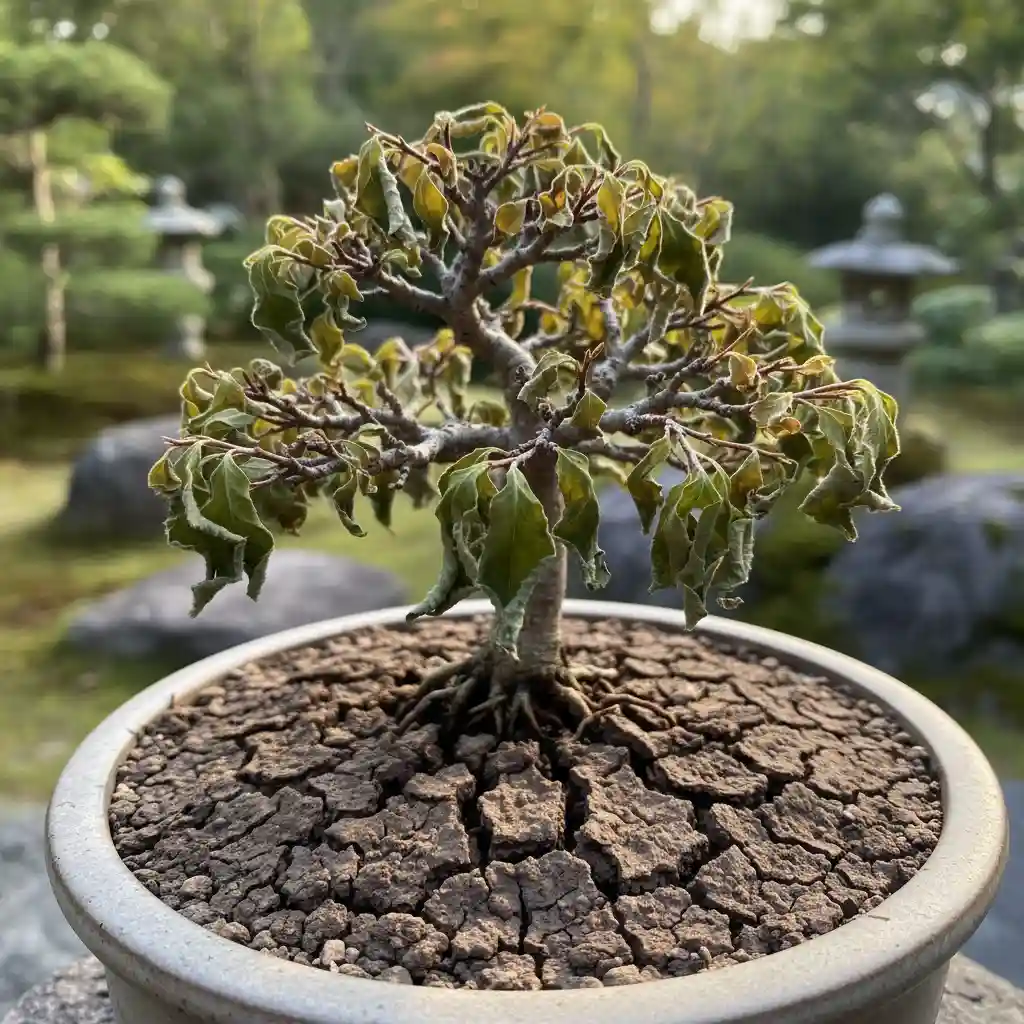
Understanding these visual cues and physical tests will significantly improve your ability to identify and address insufficient watering before it causes irreversible damage to your beloved bonsai tree. Early detection is a bonsai’s best friend.
2. Effective Rehydration Methods for Underwatering Bonsai Recovery
Once you’ve identified an underwatered bonsai, swift and gentle rehydration is crucial. Avoid the temptation to drench it forcefully, as this can wash away nutrients or compact the soil too much. Proper rehydration aims to slowly and thoroughly moisten the entire root ball.
The Soaking Method: A Deep Drink for Thirsty Roots
The most effective method for severe underwatering is the soaking technique. Place your bonsai pot in a basin or tray filled with room-temperature water. The water level should reach just below the rim of the pot, ensuring it doesn’t overflow into the foliage. Let the pot soak for 15-30 minutes, or until bubbles stop rising from the soil.
This allows the dry soil to absorb water slowly and evenly, rehydrating the entire root system. Once soaking is complete, remove the pot and let it drain completely before returning it to its spot. This method is particularly effective for achieving comprehensive underwatering bonsai recovery.
Top Watering Technique: Gentle and Consistent
For less severe cases, or as a follow-up to soaking, top watering can be very effective. Use a watering can with a fine rose attachment to gently water the surface of the soil. Apply water slowly and evenly across the entire surface until it drains from the bottom holes. Wait a few minutes and repeat this process once or twice.
This ensures the water fully penetrates the root ball rather than just running off the dry surface. This technique mimics natural rainfall and prevents soil erosion. It’s a standard practice for regular watering, but essential for recovery too.
Humidity Boost: Aiding Leaf Recovery
While rehydrating the roots is paramount, increasing humidity around the leaves can also aid recovery. Mist the foliage gently with a spray bottle of room-temperature water, especially if the air is dry. Avoid misting during direct sunlight to prevent leaf burn.
Placing the bonsai on a humidity tray (a tray filled with pebbles and water, ensuring the pot doesn’t sit directly in the water) can also provide a consistent boost of moisture around the plant. This helps reduce moisture loss from the leaves while the roots are recovering.

Remember, patience is key during the rehydration phase. Do not overwater in an attempt to speed up recovery, as this can lead to further problems like root rot. Follow these methods carefully for the best chance of revival.
3. Post-Recovery Care and Long-Term Prevention Strategies
After successfully rehydrating your bonsai, the work isn’t over. Post-recovery care is crucial for its long-term health and to prevent future incidents of underwatering. Consistency and careful observation are your best tools.
Pruning Damaged Parts: Encouraging New Growth
Once your bonsai shows signs of recovery (new growth, rehydrated leaves), you can prune away any severely damaged or dead branches and leaves. Use sharp, sterile tools. Effective Pruning for Bonsai Shape and Health encourages the tree to redirect energy into healthy growth. Be patient; this might take a few weeks. Avoid heavy pruning immediately after rehydration, as the tree is still stressed.
Optimal Watering Schedule: Tailored to Your Bonsai
There’s no universal watering schedule. It depends on your bonsai species, pot size, soil type, and environmental factors like temperature and humidity. Generally, water when the top inch of soil feels dry. Some species prefer to dry out more between waterings, while others need consistent moisture.
Always check the soil moisture before watering. Don’t just water on a set calendar day. This adaptable approach is fundamental to preventing another underwatering bonsai recovery situation. Our experts recommend developing a personalized watering routine.
Choosing the Right Soil and Pot: Drainage is Key
Good drainage is paramount. Bonsai soil should be free-draining, typically a mix of akadama, pumice, and lava rock. Avoid heavy potting soils designed for common houseplants. For more details on maintaining soil health and nutrient balance, see our guide on Bonsai Soil, Fertilization & Nutrition. Ensure your bonsai pot has adequate drainage holes. Proper drainage prevents both overwatering and allows for effective rehydration when needed.

Consider using a moisture meter as a helpful tool, especially if you’re new to bonsai care. It provides an objective reading of soil moisture, reducing guesswork and helping you establish a reliable watering rhythm. This small investment can save your tree.
4. Advanced Tips for Resilient Bonsai Health in 2026
To truly master bonsai care and ensure your trees thrive year after year, especially looking ahead to 2026, consider these advanced strategies. Moving beyond basic care helps you cultivate truly resilient and stunning specimens, for example, by mastering techniques like Creating Cascade and Semi-Cascade Bonsai Styles or understanding the full range of Bonsai Styles Explained: Upright, Slanting, Cascade.
Understanding Water Requirements by Species
Each bonsai species has unique water requirements. For instance, junipers typically prefer to dry out a bit more between waterings, while maples and elms often need more consistent moisture. For specific guidance on species like maples, explore Maple Bonsai Cultivation: Seasonal Care and Styling. Research the specific needs of your tree. Knowing these nuances is a hallmark of an advanced enthusiast. Resources like Wikipedia offer basic species information.
Seasonal Adjustments for Watering
Watering needs change dramatically with the seasons. In summer, higher temperatures and active growth demand more frequent watering, sometimes daily or even twice daily. For specific advice on managing your bonsai during the warmer months, consult our guide on Summer Bonsai Care: Heat & Humidity Management. During winter dormancy, especially for outdoor bonsai, watering needs decrease significantly. Indoor bonsai will also have reduced needs if they enter a semi-dormant state.
Adjust your schedule proactively based on the weather and your tree’s growth cycle. To ensure vibrant growth during the warmer months, detailed Spring Care for Bonsai SH is highly recommended. This foresight prevents both underwatering and overwatering, which are common issues when seasons shift.
Leveraging Community Support and Expert Advice
Don’t underestimate the power of community. Bonzai’s thriving community offers a wealth of shared knowledge and experience. Engage with other enthusiasts, ask questions, and share your journey. Sometimes a fresh pair of eyes or an experienced tip can make all the difference when dealing with a challenging situation like underwatering bonsai recovery.
- Join online forums and social groups.
- Attend local bonsai club meetings or workshops.
- Consult with experienced growers for personalized advice.
- Share your progress and learn from others’ experiences.

By combining careful observation, appropriate rehydration techniques, and proactive preventive measures, you can ensure your bonsai trees not only recover from underwatering but flourish for many years to come. Your dedication makes all the difference.