Root Rot Treatment Bonsai: A Comprehensive Guide
Root rot is a critical threat to the health and survival of your cherished bonsai trees. This common condition stems from excess moisture and poor drainage, suffocating the roots. Learning to identify, treat, and prevent root rot is essential for any bonsai enthusiast to ensure their tree thrives and remains a beautiful miniature landscape.
Root rot treatment bonsai is a vital process that involves carefully removing the tree from its pot, thoroughly inspecting the root system, pruning all diseased and mushy roots, and then repotting into fresh, well-draining soil. This intervention aims to halt decay, promote new, healthy root growth, and save your valuable bonsai specimen.

Understanding Root Rot in Bonsai
Root rot is a pervasive problem that can quickly devastate bonsai trees. This condition occurs when the roots are deprived of oxygen, most often due to overwatering or insufficient drainage in the potting medium. When the soil remains waterlogged, air pockets disappear, creating an anaerobic environment.
In these oxygen-starved conditions, beneficial soil microorganisms die off. Harmful fungi and bacteria then flourish, attacking the weakened and suffocated roots. These pathogens cause the roots to decay, hindering the tree’s ability to absorb water and essential nutrients, ultimately leading to a decline in bonsai health.
The Science Behind Root Rot
Bonsai roots, like all plant roots, require oxygen for cellular respiration. This process is crucial for absorbing water and nutrients from the soil. When soil aeration is compromised by excess water, roots cannot “breathe”. This leads to the breakdown of root cells and makes them vulnerable to pathogenic attacks.
The resulting decay manifests as root rot. Without a healthy root system, the tree cannot transport water and nutrients to its foliage and branches. This causes a cascade of issues, from wilting leaves to overall stunted growth, making timely root rot treatment bonsai critical for survival.
Common Causes of Root Rot
- Overwatering: The most frequent cause. Applying too much water, or watering too often, keeps the soil saturated.
- Poor Drainage: Pots without adequate drainage holes or heavy, dense potting mixes trap water around the roots.
- Incorrect Potting Medium: Using garden soil or mixes not formulated for bonsai can lead to poor aeration and water retention.
- Lack of Repotting: Over time, bonsai soil compacts and breaks down, reducing drainage and air circulation.
- Large Pot for Small Tree: A pot that is too large for the bonsai can hold excess soil and moisture, leading to waterlogging.
Types of Root Rot Affecting Bonsai
While often grouped simply as “root rot,” this condition can be caused by different types of pathogens, primarily fungi and bacteria. Understanding the distinction can sometimes aid in the specific approach to bonsai care and treatment.
Fungal Root Rot
Fungal root rot is the most common form. It is typically caused by soil-borne fungi such as Pythium, Phytophthora, and Rhizoctonia. These fungi thrive in wet, poorly aerated conditions. They attack the root tissues, causing them to turn soft, brown, or black, and eventually leading to the collapse of the root structure.
Symptoms often include wilting, yellowing leaves, and a general decline in vigor. Fungicides can sometimes be effective in controlling fungal infections, but cultural practices like proper watering and drainage are the most important preventative measures.
Bacterial Root Rot
Bacterial root rot is less common but equally destructive. It is caused by various species of bacteria that also thrive in waterlogged conditions. Bacterial infections often result in a foul, distinct odor emanating from the soil and roots, a key diagnostic difference from fungal rot.
The roots become slimy and decompose rapidly. There are fewer effective chemical treatments for bacterial root rot, making strict hygiene and environmental control paramount. Both types of rot require similar physical root rot treatment bonsai steps, focusing on removing diseased tissue and improving growing conditions.

Identifying Root Rot: Key Symptoms
Catching root rot early is vital for successful treatment. Unfortunately, the symptoms often mimic those of underwatering or nutrient deficiencies, making diagnosis tricky for new bonsai enthusiasts. However, there are distinct signs to look for that can help differentiate the issue.
One of the most common indicators is a general decline in the tree’s vigor, even when you believe you are watering correctly. A closer inspection of both foliage and the root system will provide more definitive clues.
Visual Cues in Foliage
- Yellowing or Browning Leaves: Leaves may turn yellow, then brown, and often drop prematurely. This can start with older leaves but quickly spread throughout the canopy.
- Wilting or Drooping Foliage: Despite the soil being wet, the leaves may appear wilted or limp. This indicates that the rotten roots cannot absorb water, leading to dehydration.
- Stunted Growth: The bonsai may stop producing new growth, or new leaves appear unusually small, weak, and discolored.
- Soft Branches: Young twigs and branches might feel unusually soft or pliable, signaling a severe lack of internal turgor pressure due to poor water uptake.
Inspecting the Roots and Soil
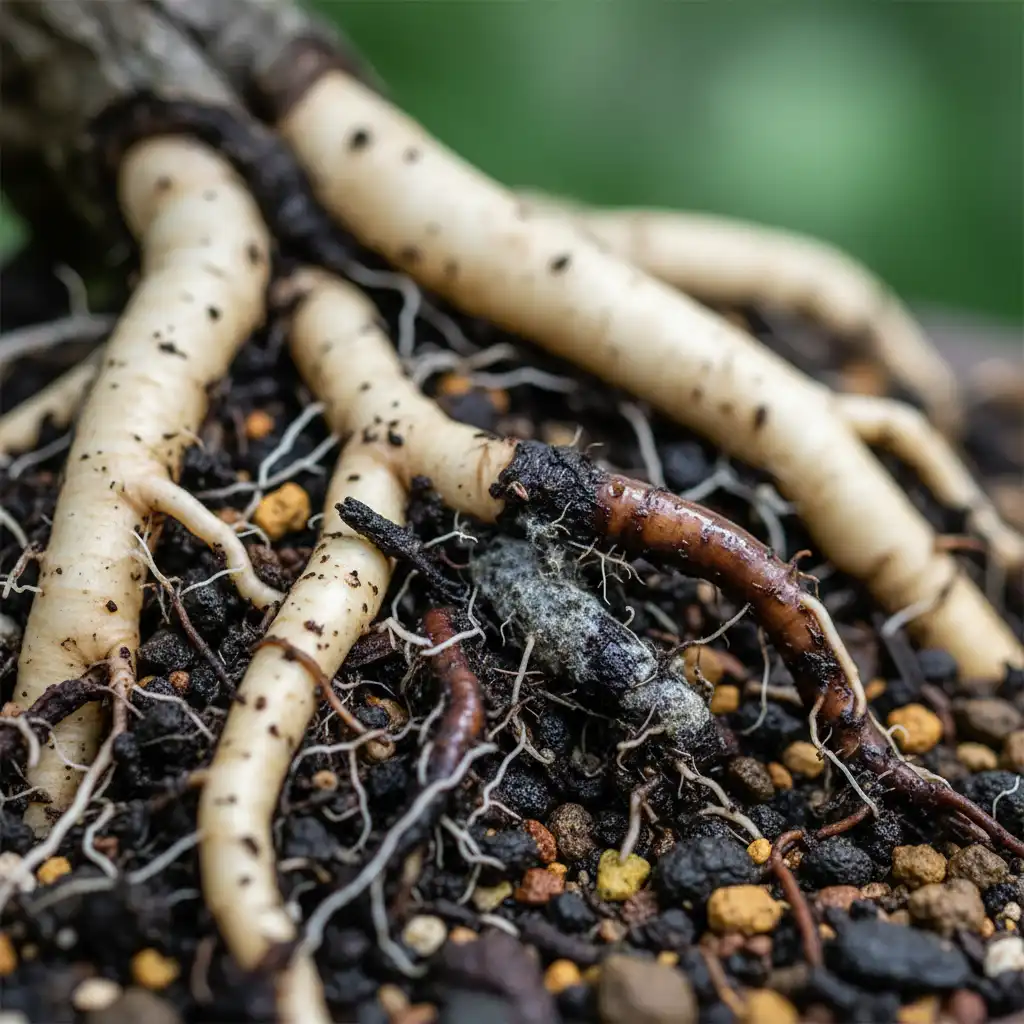
The most definitive way to identify root rot is by inspecting the roots themselves. Carefully remove the bonsai from its pot. Healthy roots are usually firm, white, or light tan, and have a fresh, earthy smell. They should be robust and spread throughout the potting medium.
Roots affected by rot, however, will appear dark brown or black. They will feel mushy, slimy, or stringy to the touch. Often, affected roots emit a foul, rotten odor, similar to decaying organic matter. This distinct smell is a strong indicator of a severe fungal or bacterial infection in the root system.
Essential Tools and Materials for Treatment
Before you begin the intensive process of root rot treatment bonsai, gather all necessary tools and materials. Having everything at hand will make the procedure smoother and minimize stress on your ailing tree. Preparedness is key to effectively combating this serious condition and giving your bonsai the best chance at recovery.
- Clean Pruning Shears or Root Scissors: Essential for cleanly removing diseased roots. Sterilize them with rubbing alcohol or a bleach solution (1 part bleach to 9 parts water) before and after use to prevent spreading pathogens.
- Root Hook or Chopstick: For gently teasing apart the root ball and carefully removing old soil without damaging healthy roots.
- New, Well-Draining Potting Mix: A fresh, inorganic-heavy substrate specifically formulated for bonsai, ensuring excellent drainage and aeration. Avoid heavy, water-retentive garden soil at all costs.
- Sterile Pot: A clean pot of the same size or slightly larger. Ensure it has adequate drainage holes. Thoroughly clean and sterilize any old pots with a bleach solution to eliminate lingering pathogens.
- Fungicide (Optional): A systemic or contact fungicide can be applied after pruning, especially if the rot is extensive or caused by a known fungal pathogen. Always consult with a bonsai expert for appropriate product recommendations and follow label instructions carefully.
- Gloves: To maintain hygiene, protect your hands, and prevent the transfer of pathogens.
- Watering Can with Fine Rose: For gentle watering after repotting, preventing soil disturbance.
- New Drainage Screens: To prevent soil from washing out through the drainage holes.
- New Bonsai Wire: To secure the tree in its pot after repotting.
Step-by-Step Root Rot Treatment Bonsai
Treating root rot requires a careful, methodical approach. Follow these steps precisely to give your bonsai the best chance of recovery. This comprehensive root rot treatment bonsai guide will walk you through each critical action, ensuring you address the problem thoroughly.
-
Step 1: Prepare Your Workspace
Lay down newspaper or a tarp to keep your work area clean. Gather all your sterilized tools and materials. Having everything organized reduces stress and allows you to work efficiently, which is important for the bonsai’s well-being during this delicate procedure.
-
Step 2: Remove the Bonsai from its Pot
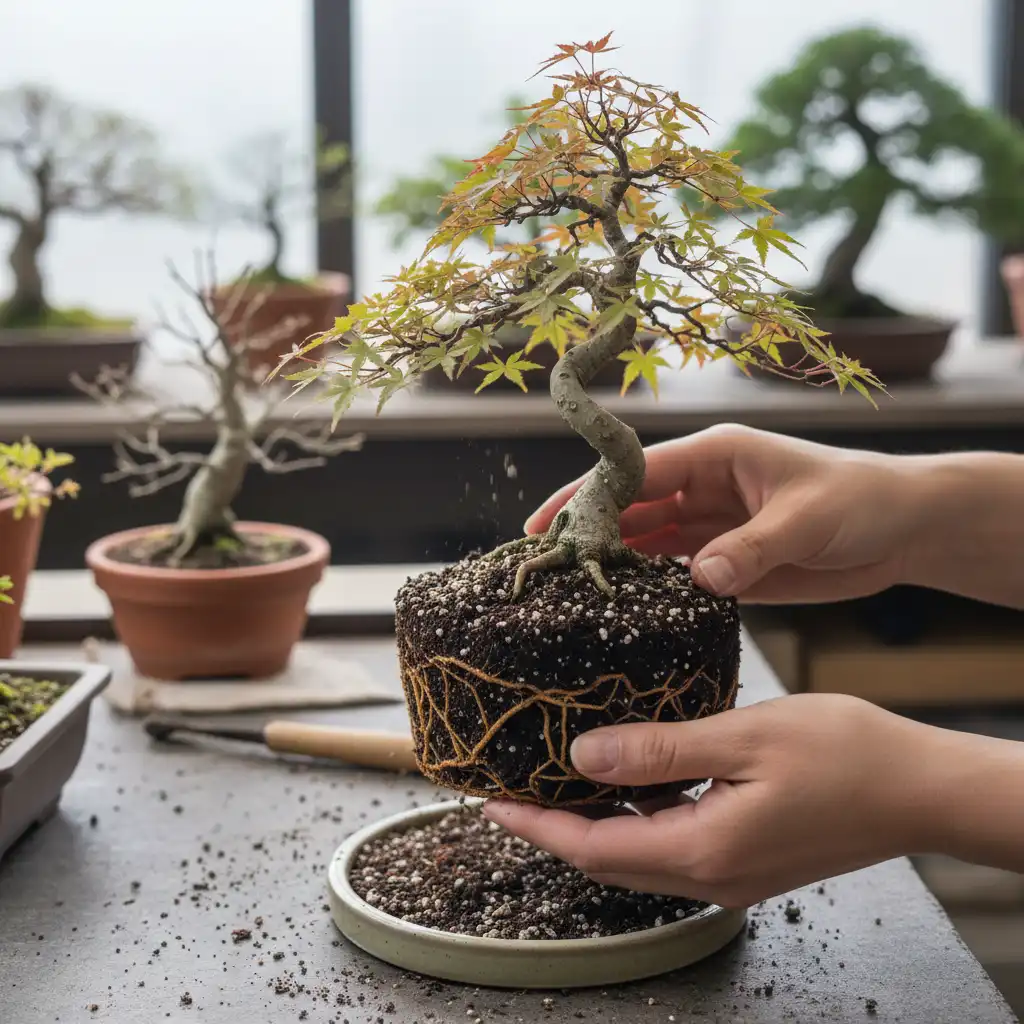
Gently tilt the pot and carefully slide the bonsai out. Support the root ball as you do this to minimize further damage. Avoid pulling the tree by its trunk, as this can injure the nebari (base of the trunk). If the roots are heavily matted or stuck, you may need to run a thin knife around the inside edge of the pot to loosen the soil.
-
Step 3: Inspect and Clean the Roots
Using a root hook or chopstick, carefully tease away all the old soil from the root ball. Be thorough but gentle, as healthy roots are still delicate. Rinse the roots under a slow, lukewarm stream of water to expose the entire root system. This step makes it much easier to identify healthy versus diseased roots by their color and texture.

-
Step 4: Prune Damaged Roots
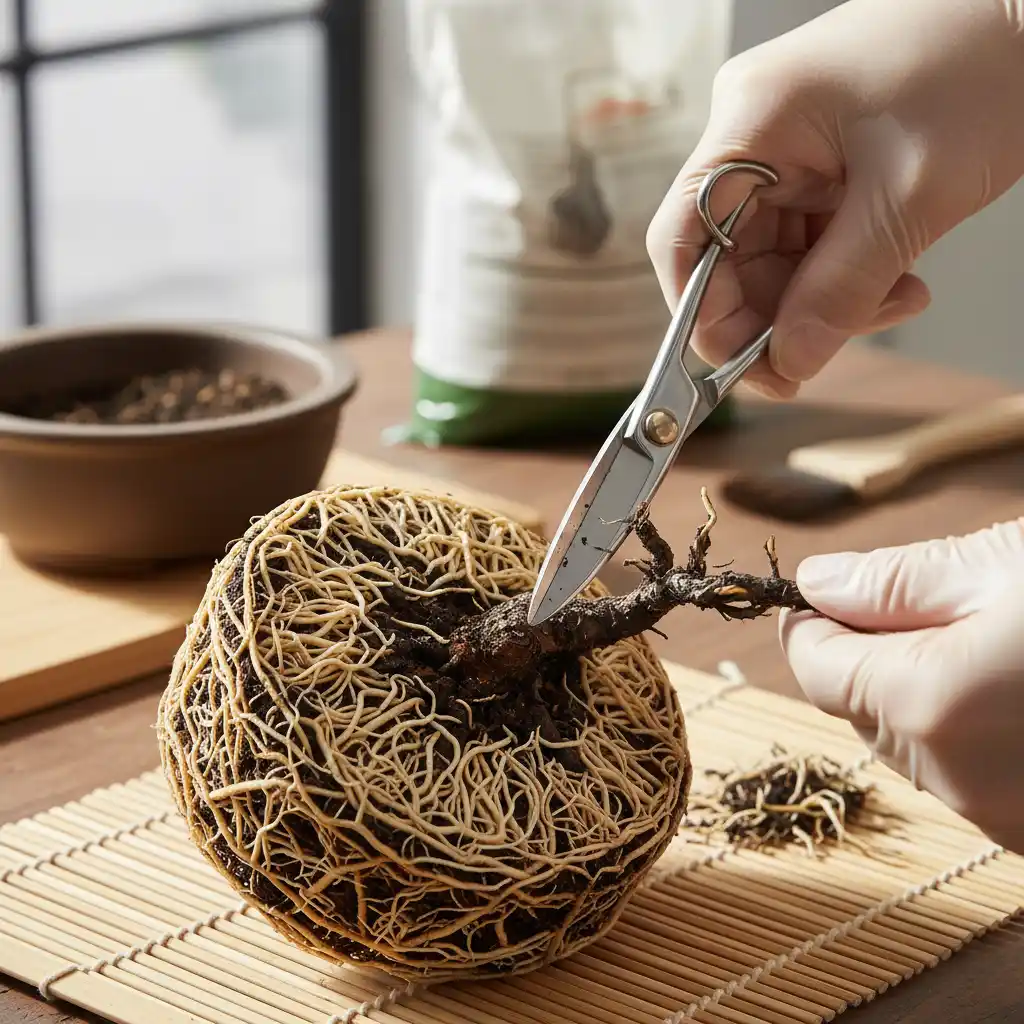
With your sterilized shears, meticulously cut away all roots that show signs of rot. This includes any roots that are dark brown or black, soft, mushy, slimy, or smell foul. Cut back to healthy, firm, white or light tan root tissue. Be decisive; it is far better to remove more diseased roots than to leave any infected parts behind.
If a significant portion of the roots must be removed, you might also need to prune some foliage (leaves and small branches) to balance the tree’s reduced water uptake capacity. This helps prevent further stress and is a critical part of successful root rot treatment bonsai.
-
Step 5: Apply Fungicide (If Necessary)
If the root rot was severe, or if you suspect a particularly aggressive fungal pathogen, consider applying a fungicide. Dip the pruned root ball into a diluted fungicide solution as per product instructions, or drench the new soil with it after repotting. This can provide an extra layer of protection against lingering fungal spores and promote healthy recovery.
-
Step 6: Repot with Fresh Substrate
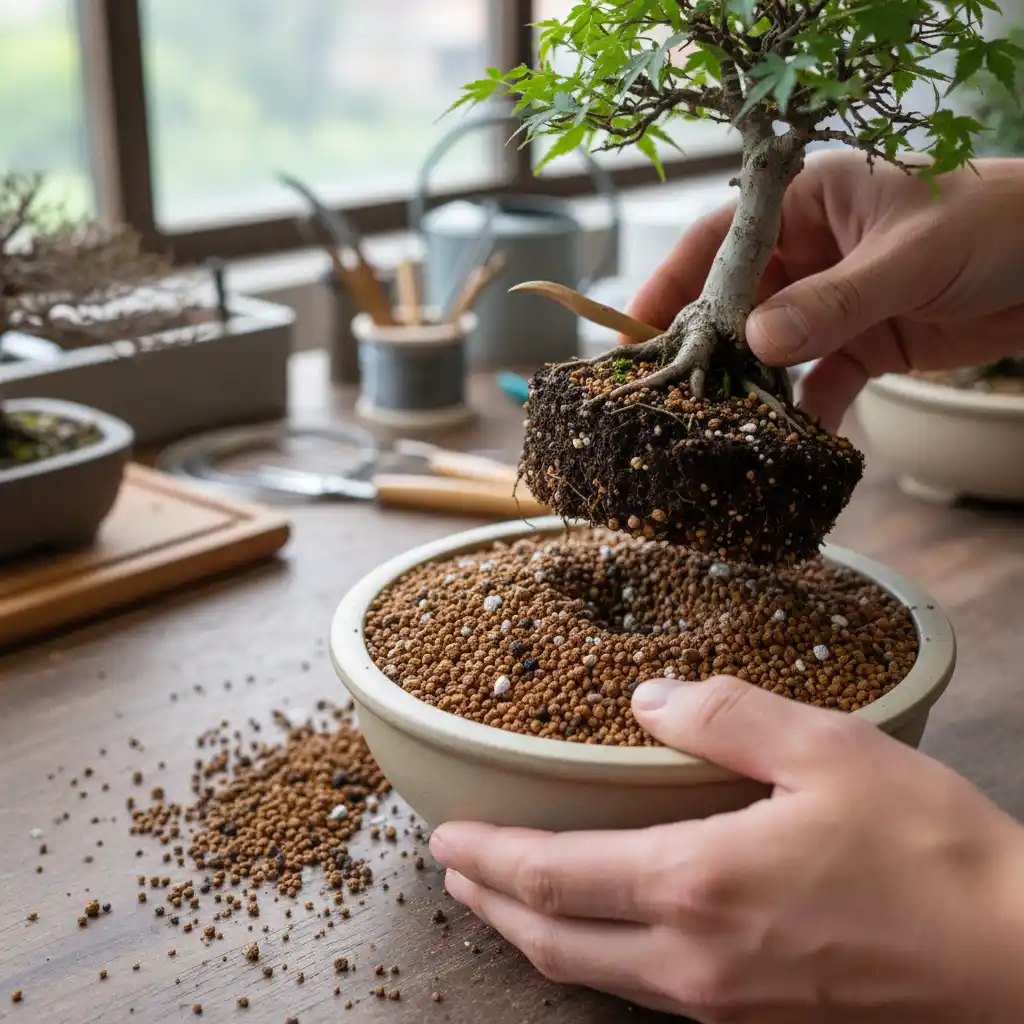
Repot the bonsai into a clean, sterilized pot using fresh, well-draining bonsai potting mix. Ensure the pot has adequate drainage holes, and use new drainage screens to prevent soil loss. Center the tree and gently work the new substrate around the roots, making sure there are no large air pockets. Water thoroughly until water drains freely from the bottom of the pot, settling the soil around the roots.
-
Step 7: Provide Post-Treatment Care
After repotting, place the bonsai in a warm, sheltered location out of direct sunlight and harsh winds. A partially shaded area with good air circulation is ideal. Maintain consistent but moderate moisture levels; do not overwater. Avoid fertilizing for at least 4-6 weeks to allow the roots to recover without additional stress.
Mist the foliage occasionally to reduce transpiration and help the tree retain moisture while its roots are healing. Monitor the tree closely for new growth and signs of recovery. Recovery can take several weeks to many months, requiring patience and continued vigilance in your bonsai maintenance.

Preventing Root Rot: Best Practices
Prevention is always better than cure, especially when it comes to the delicate art of bonsai cultivation. Proactive bonsai care, including essential seasonal routines like Spring Care for Bonsai SH, ensures vibrant health and long-term vitality for your miniature trees.
Master Proper Watering Techniques
Water only when the top layer of soil feels dry to the touch, or when the pot feels noticeably lighter. For comprehensive guidance on moisture and light, consult our guide on Basic Bonsai Watering & Light Requirements. A common mistake is watering on a fixed schedule; instead, adjust your watering frequency based on the climate, season, tree species, and pot size. For example, understanding a specific Pine Bonsai Watering Schedule can be crucial. Always ensure water drains freely from the drainage holes after watering. Never let your bonsai sit in standing water.
Choose the Right Potting Mix
Always use a high-quality, well-draining, inorganic-heavy bonsai specific substrate. This type of mix, often containing akadama, pumice, and lava rock, provides essential aeration and prevents waterlogging. Good soil composition and drainage are non-negotiable for preventing root rot treatment bonsai needs. Learn more about Crafting the Perfect Bonsai Soil Mixes to optimize your tree’s environment. For more details on maintaining healthy soil and providing proper nutrients, refer to our comprehensive guide on Bonsai Soil, Fertilization & Nutrition.
Ensure Adequate Drainage
Beyond the potting mix, ensure your bonsai pot has sufficient drainage holes. Consider adding a layer of coarser material at the bottom or using drainage screens to prevent finer soil particles from blocking the drainage holes. A well-designed pot is crucial for root health. For further insights into selecting the ideal container, explore our guide on Bonsai Pot Selection for Aesthetic Harmony.
Regular Repotting Schedule
Repot your bonsai according to its species-specific schedule, typically every 1-3 years. This allows you to refresh the soil, prune circling or unhealthy roots, and inspect the root system for early signs of problems before they become severe. Repotting also rejuvenates the tree and encourages new growth.
Environmental Control and Airflow
Provide good air circulation around your bonsai. Avoid placing it in overly humid or stagnant environments, as these conditions favor the development of fungal and bacterial pathogens. Proper light exposure also contributes significantly to overall tree health, making your bonsai more resilient against diseases like root rot.
When to Call an Expert
While this guide provides comprehensive steps for root rot treatment bonsai, some situations warrant professional intervention. If your bonsai is a particularly valuable specimen, or if the root rot is extremely advanced with significant dieback of the canopy, consulting an experienced bonsai artist or arborist is highly recommended.
They can offer specialized advice, advanced treatments, or even perform a root grafting procedure if necessary to save the tree. Early and decisive action, whether taken by you or an expert, is key to the survival of a sick bonsai. Do not hesitate to seek help if you feel overwhelmed or unsure about the severity of the condition.
Conclusion
Root rot is a formidable enemy for any bonsai enthusiast, but with vigilance, knowledge, and timely intervention, it is a battle you can win. By understanding the causes, recognizing the symptoms, and diligently applying the correct root rot treatment bonsai techniques, you can restore your tree to health and ensure its continued beauty for years to come. For those just starting their journey, understanding Beginner-Friendly Bonsai Tree Species can be particularly helpful.
Remember, consistent monitoring and proper cultural practices are the best defense against this common ailment. Your dedication will ensure your miniature trees flourish. Beyond health, exploring artistic techniques like Creating Deadwood Effects (Jin & Shari) on Bonsai can further enhance their beauty. Continue to learn and adapt your care routines to the specific needs of each unique bonsai, exploring specialized approaches like Rata Bonsai Cultivation: Techniques for a Hardy Native. Your dedication will ensure your miniature trees flourish.
References
- For more in-depth information on plant diseases, refer to Wikipedia’s Plant Pathology page.
- Additional general bonsai care guidelines can be found on resources like Bonsai Empire.