Mastering Bonsai Troubleshooting & Problem Solving: Your Ultimate Guide
Every bonsai enthusiast, from beginner to expert, will eventually face challenges. Our comprehensive guide focuses on Bonsai Troubleshooting & Problem Solving to equip you with the knowledge to diagnose, treat, and prevent a wide range of issues.
Bonsai Troubleshooting & Problem Solving involves identifying, diagnosing, and treating common issues affecting miniature trees. This crucial process helps maintain the health and beauty of your bonsai, ensuring it thrives for years to come. Our experts offer effective strategies for diagnosis, treatment, and prevention to keep your miniature tree vibrant and strong.
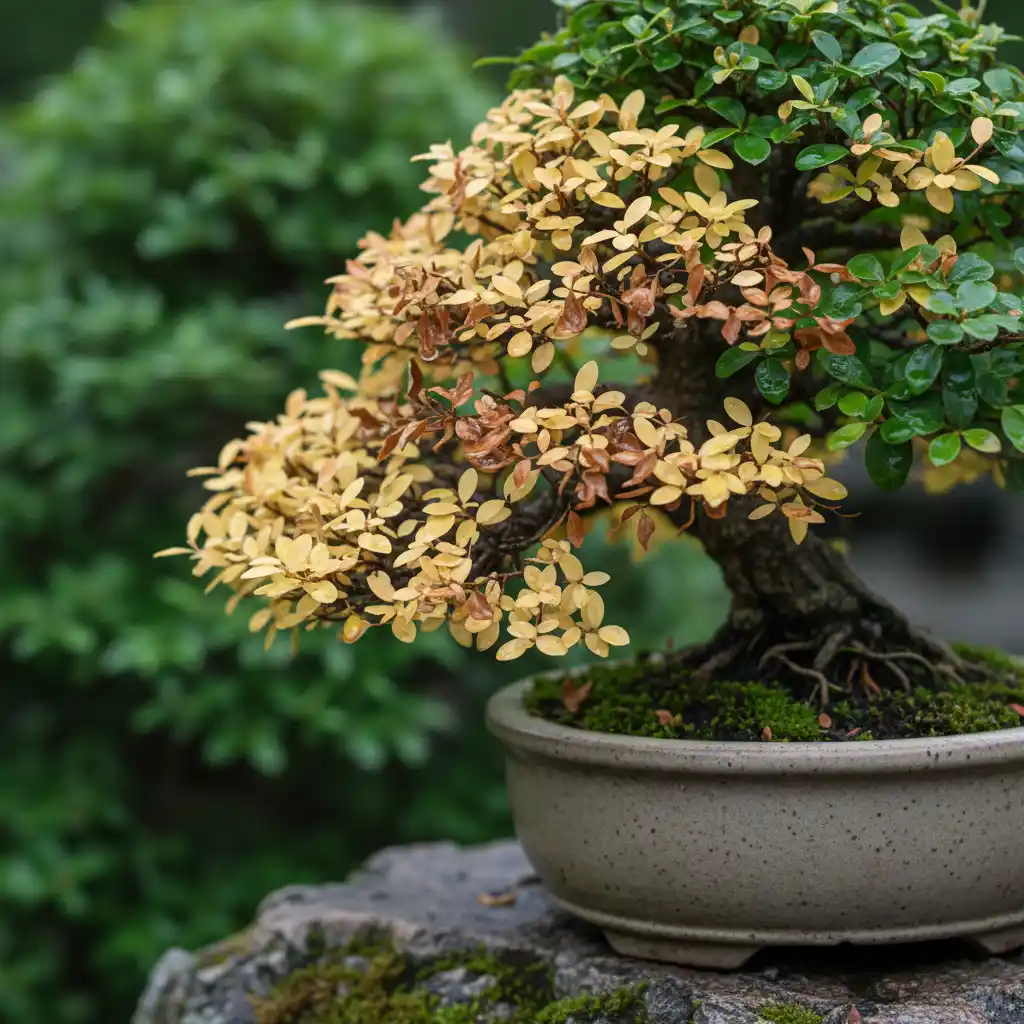
Table of Contents
Diagnosing Common Bonsai Issues
The first step in any successful Bonsai Troubleshooting & Problem Solving effort is accurate diagnosis. Your tree communicates its health through its leaves, branches, and overall vigor. Learning to interpret these signals is vital. Pay close attention to changes, as early detection often leads to easier recovery and prevents minor issues from escalating.
Leaf Discoloration: Yellowing, Browning, and Spots
Leaf changes are often the most noticeable signs of distress in your bonsai. Yellowing leaves can point to issues like overwatering, a lack of nitrogen, or insufficient light. Browning tips might indicate underwatering, overly dry air, or even too much fertilizer. Spots, on the other hand, could signal fungal infections or unwelcome pest activity.
For example, uniform yellowing across older leaves usually suggests a nitrogen deficiency, which is crucial for healthy green foliage. Meanwhile, yellowing on new growth often points to an iron deficiency. If leaves turn yellow and then drop quickly, overwatering or root rot might be the underlying cause. Always observe the pattern and location of the discoloration carefully to guide your bonsai troubleshooting efforts.
Stunted Growth & Weakness
A bonsai that isn’t growing as expected, or appears weak and listless, is clearly signaling trouble. Stunted growth can result from being root-bound, where the roots have completely filled the pot and are circling, preventing proper nutrient uptake. Poor soil quality, lacking essential micronutrients, or an improper pH level can also significantly inhibit healthy growth.
Weakness might also stem from a lack of proper light exposure, insufficient watering, or a hidden pest infestation draining the tree’s vital energy. Consider the tree’s typical growth habit for its specific species and compare it to its current state. A healthy bonsai should show steady, albeit controlled, growth during its active growing season, which is key for effective problem solving.
Branch Dieback & Shedding
When branches start to die back, or the tree sheds an unusual number of leaves, it’s a serious concern that requires immediate attention for bonsai troubleshooting. This can be caused by severe stress from environmental changes, such such as sudden temperature drops, drafts, or extreme heat. Diseases, like canker or blight, can also lead to branch death, spreading quickly if not addressed.
Incorrect pruning, especially removing too much foliage at once, can shock the tree and cause dieback. Insufficient light or consistent underwatering can also starve branches of necessary resources, leading them to wither and fall. Identifying the underlying cause quickly is vital to implement effective Bonsai Troubleshooting & Problem Solving strategies and save your tree.

Effective Solutions for Pests and Diseases
Pests and diseases are common adversaries for bonsai enthusiasts. Early detection and swift action are absolutely key to protecting your tree. Knowing which invaders to look for and how to combat them is a cornerstone of effective Bonsai Troubleshooting & Problem Solving.
Identifying Common Pests
Several small insects love to make bonsai trees their home. Aphids are tiny, soft-bodied insects often found on new growth, causing leaves to curl and distort. Spider mites are almost invisible, leaving fine webbing and tiny yellow dots on leaves, especially on the underside. Mealybugs appear as white, cottony masses in leaf axils and on stems, slowly sapping the tree’s energy.
Scale insects look like small, hard bumps on stems and leaves, often blending in with the bark. Inspect your bonsai regularly, especially the undersides of leaves and new shoots. Catching these pests early makes treatment much easier. For mild infestations, a strong spray of water can dislodge many pests. For more persistent issues, neem oil or insecticidal soap are organic, effective options. Always follow product instructions carefully to ensure the best bonsai troubleshooting outcomes.
Battling Fungal & Bacterial Diseases
Fungal diseases, such as powdery mildew, appear as white, powdery patches on leaves, hindering photosynthesis. Root rot, often caused by overwatering and poor drainage, leads to mushy, dark roots and overall tree decline. Bacterial diseases can cause cankers, galls, or unsightly leaf spots, impacting the tree’s aesthetic and health.
Proper air circulation and precise watering practices are your first line of defense against many diseases. For fungal issues, specific fungicides can be effective, but improving environmental conditions is paramount. For root rot, immediate repotting into fresh, well-draining soil and careful root pruning are often necessary. In some cases, severely infected parts may need to be removed to save the rest of the tree. Learn more about general plant diseases on Wikipedia.
Reviving Unhealthy Bonsai Trees: A Step-by-Step Approach
Finding your bonsai in distress can be disheartening, but many trees can be brought back to health with the right approach and diligent Bonsai Troubleshooting & Problem Solving. This section outlines key strategies for revival, crucial for any dedicated enthusiast looking ahead to 2026.
Assessing the Damage & Initial Steps
First, isolate the struggling bonsai from healthy plants to prevent any potential spread of pests or diseases. Thoroughly inspect the tree from top to bottom, including the soil surface and trunk. Look for any visible pests, signs of fungus, or unusual odors from the soil. Check the soil moisture level and the tree’s position relative to light and temperature, as these are critical environmental factors.
Make immediate, basic adjustments. If the soil is too dry, water it thoroughly until water drains from the bottom. If it’s overwatered, allow the soil to dry out significantly before the next watering. Move it to a more suitable light condition if necessary, avoiding harsh direct sun or overly dark spots. These simple steps can often initiate recovery before more drastic measures are needed for effective bonsai problem solving.
Repotting for Recovery
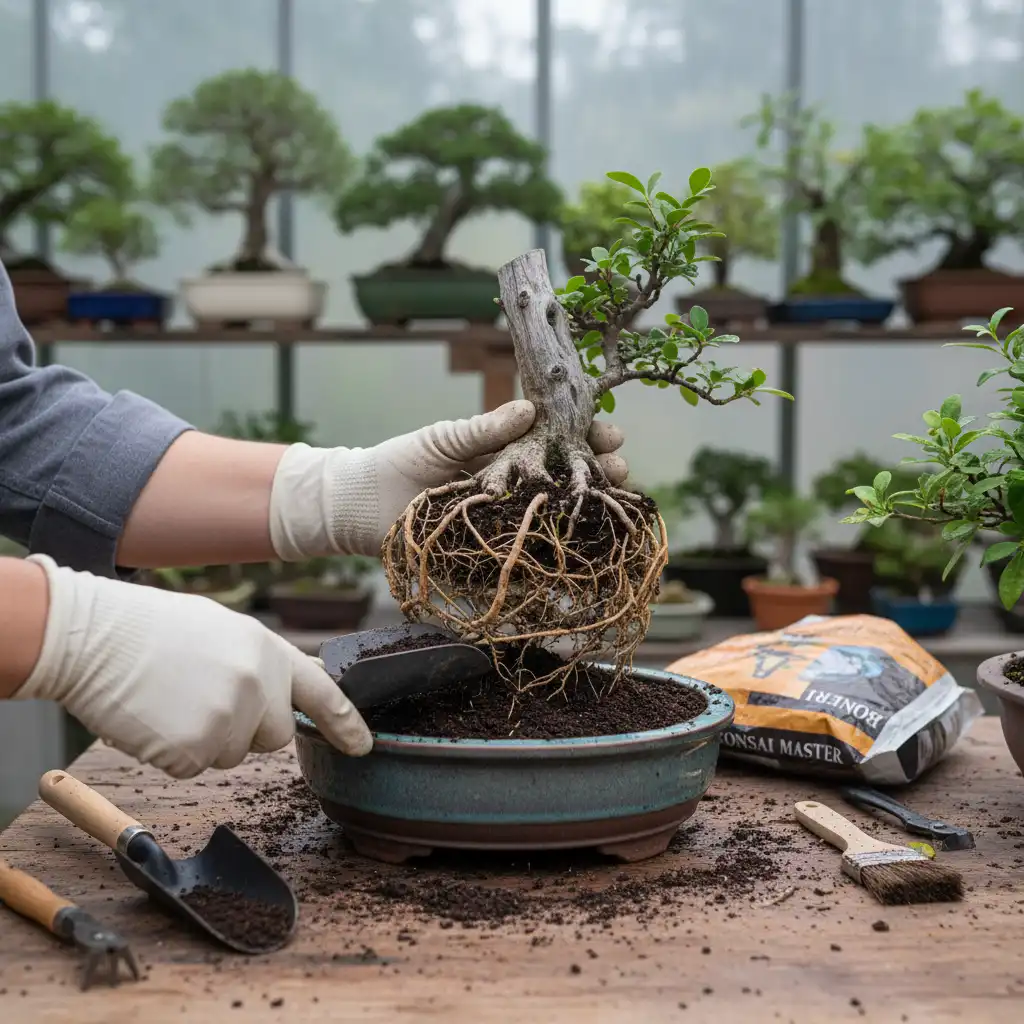
If initial adjustments don’t work, or if you strongly suspect root issues like root rot, repotting might be the best option. Carefully remove the tree from its pot and inspect the roots. Healthy roots are typically firm, white, or light-colored. Roots that are dark, soft, or emit a foul smell indicate serious root rot, a common issue in bonsai troubleshooting.
Gently prune away any damaged or diseased roots with sterilized tools to prevent further spread. Repot the tree into fresh, well-draining bonsai soil mix. This provides a fresh start, better aeration, and prevents further waterlogging. Always choose a pot that allows for excellent drainage. After repotting, avoid fertilizing for several weeks to allow the tree to recover from the shock.
Corrective Pruning & Aftercare
Once the tree is repotted, or if pests/diseases are addressed, corrective pruning may be necessary. Remove any dead, dying, or severely damaged branches and leaves. This helps the tree redirect energy to healthy growth and improves air circulation, which can deter future issues. Always use clean, sharp tools to make precise cuts and minimize stress.
Post-recovery care is crucial. Place the tree in a sheltered location with bright, indirect light to avoid further stress. Maintain consistent but careful watering, ensuring the soil dries slightly between waterings to prevent overhydration. Avoid direct, harsh sunlight and extreme temperatures during its critical recovery phase. Minimal disturbance will help the bonsai regain its strength and contribute to long-term bonsai problem solving success.
Key Steps to Recovery
- Isolate: Move the struggling bonsai away from others to prevent spreading any potential issues.
- Inspect: Thoroughly check leaves, stems, roots, and soil for specific signs of distress.
- Adjust Environment: Optimize light, water, and humidity levels to suit the tree’s needs.
- Treat Pests/Diseases: Apply appropriate remedies, such as neem oil or fungicides, promptly and effectively.
- Repot if Necessary: Refresh soil and carefully prune unhealthy roots to promote new growth.
- Prune Dead Material: Remove any damaged or dead branches or leaves to redirect energy.
- Provide Aftercare: Ensure a stable environment, careful watering, and abundant patience for healing.
Preventing Future Bonsai Problems
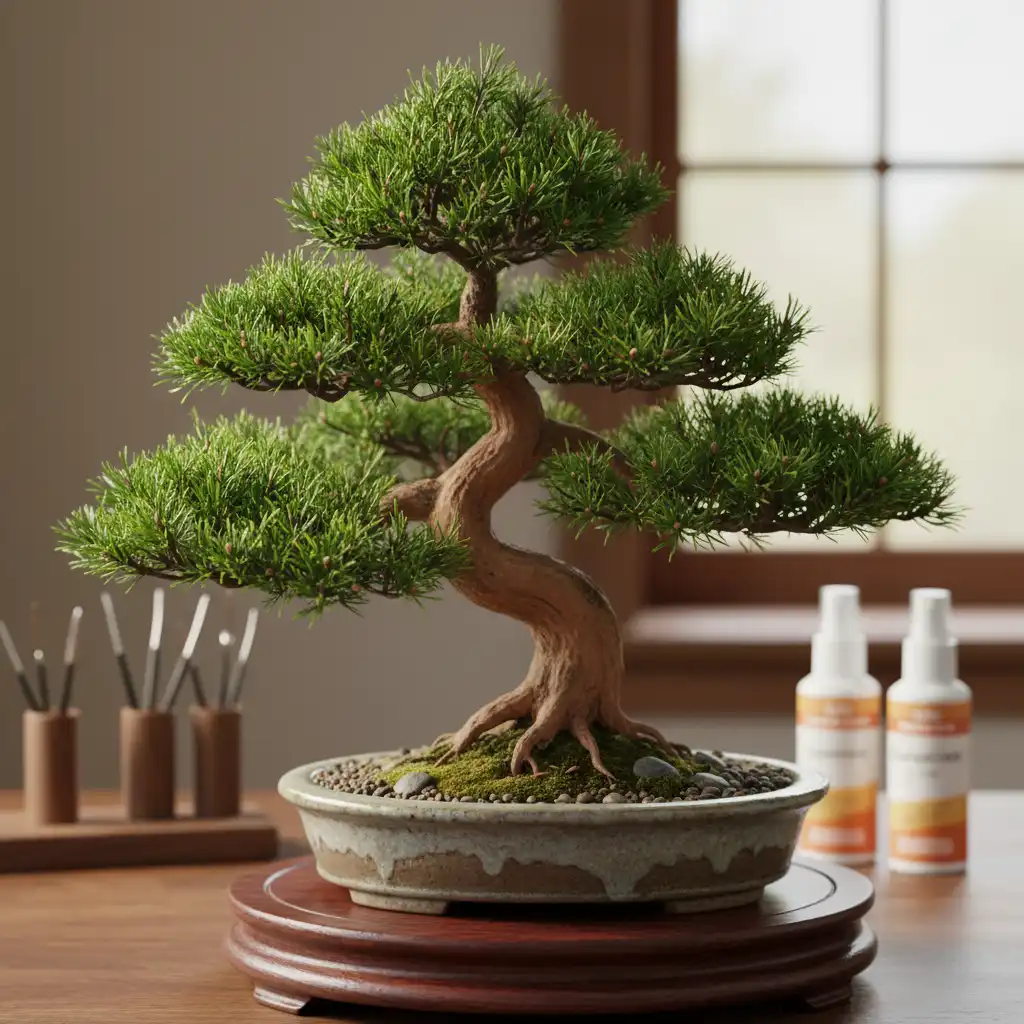
The best Bonsai Troubleshooting & Problem Solving strategies are always preventative ones. A proactive approach to care can significantly reduce the incidence of issues, keeping your bonsai healthy and vigorous for years to come.
Consistent Care & Environment
Establish a regular watering schedule tailored precisely to your specific bonsai species and its unique environment. Avoid both overwatering, which leads to root rot, and underwatering, which causes wilting. Ensure your tree receives adequate light – usually bright, indirect light for indoor bonsai, or appropriate sun exposure for outdoor species, depending on their natural habitat. Maintain stable temperatures and humidity levels, protecting your tree from sudden changes or harsh conditions like strong winds or frost.
A well-draining soil mix is paramount for root health and preventing waterlogging. For proper growth, consider using a mix specifically designed for bonsai, which often includes akadama, pumice, and lava rock. Understanding the specific needs of your bonsai species (e.g., tropical vs. temperate) is critical for providing the exact right environment and minimizing the need for extensive bonsai troubleshooting.
Regular Inspection & Maintenance
Make it a habit to inspect your bonsai weekly. Look closely at leaves (top and bottom), stems, and the soil surface for any early signs of pests, diseases, or nutrient deficiencies. Early detection is a powerful tool in preventing minor issues from becoming major bonsai problems. Rotate your tree periodically to ensure even light exposure to all sides of the foliage.
Regular feeding with a balanced bonsai fertilizer during the growing season is also important, but always follow the recommended dosage to avoid over-fertilization. Prune proactively to maintain shape and encourage healthy growth, removing any dead or weak material as you spot it. This routine attention dramatically reduces the likelihood of severe problems and enhances your overall problem solving skills.
Choosing the Right Species
One of the most effective preventative measures is to choose a bonsai species that is well-suited to your climate and your experience level. Beginners might start with hardy and forgiving species like Ficus, Juniper, or Chinese Elm, which are generally more tolerant of initial care mistakes. These species often require less intensive Bonsai Troubleshooting & Problem Solving.
Understanding the natural habitat and specific needs of a species before bringing it home can save you a lot of trouble and ensure its longevity. Our experts at Bonzai can help you select the perfect tree to ensure a successful and enjoyable bonsai journey, minimizing the need for extensive Bonsai Troubleshooting & Problem Solving and allowing you to focus on the art itself.
Your Bonsai Journey Continues
Mastering Bonsai Troubleshooting & Problem Solving transforms challenges into opportunities for growth, both for your tree and for you as an enthusiast. By combining diligent observation, accurate diagnosis, and timely action, you can ensure your bonsai remains a vibrant, living work of art. Remember, patience and consistency are your greatest allies in nurturing these miniature marvels. Continue to learn and enjoy the rewarding world of bonsai!