Juniper Bonsai Care Guide: Your Essential Handbook for Thriving Trees
The ultimate juniper bonsai care guide is here to help you cultivate stunning, healthy miniature trees. Junipers are a favorite among bonsai enthusiasts for their rugged beauty and adaptability. This comprehensive handbook provides all the essential knowledge, from understanding their unique needs to advanced styling techniques. Whether you’re a beginner or an experienced artist, Bonzai’s expert advice will ensure your juniper thrives for years to come. Get ready to master the art of juniper bonsai.
The Juniper Bonsai Care Guide is a detailed resource for growing and maintaining juniper trees as miniature art forms. It covers critical aspects like watering, pruning, wiring, feeding, and seasonal care, ensuring your juniper bonsai remains vibrant and healthy through all stages of its life.
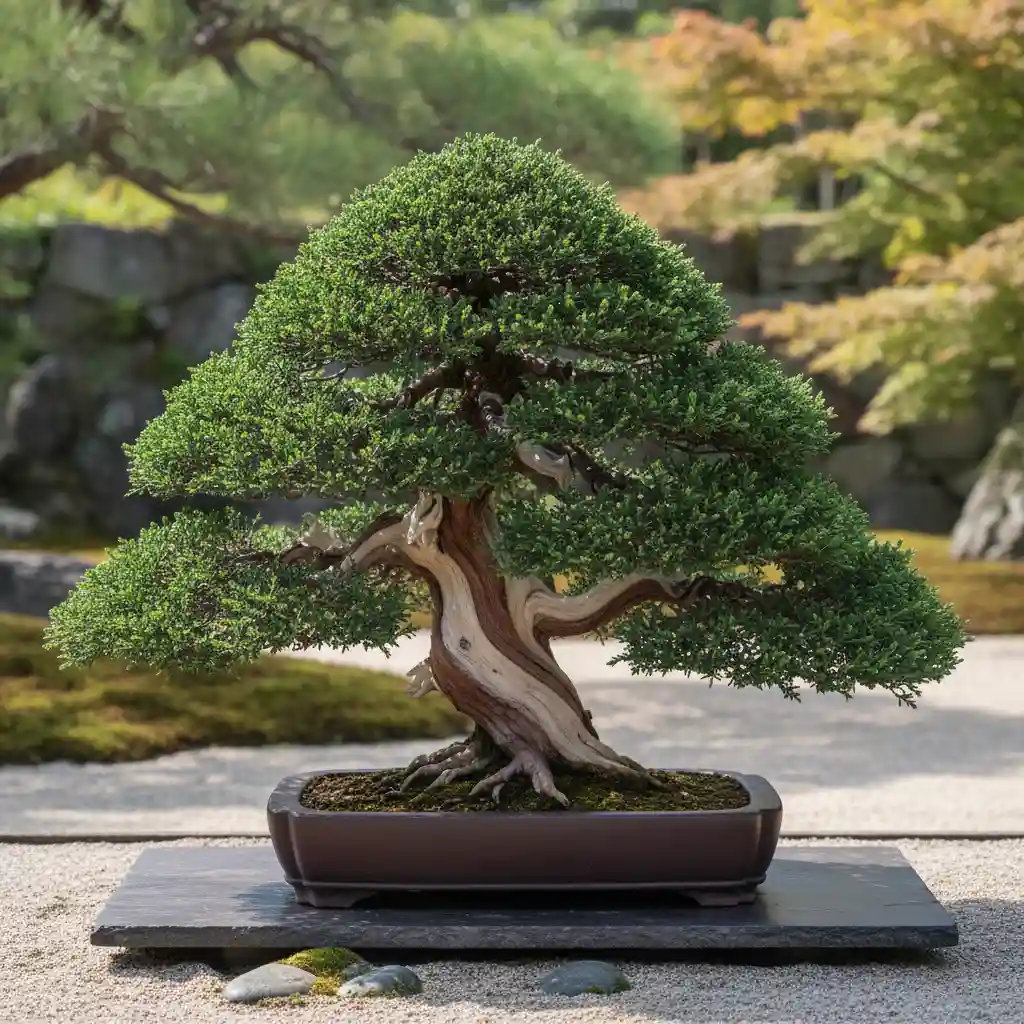
Understanding Juniper Bonsai: Outdoor vs. Indoor Placement
Junipers are magnificent outdoor trees by nature. They demand abundant sunlight and proper air circulation to flourish. Many beginners mistakenly attempt to keep junipers indoors. This often leads to severe health problems and, unfortunately, the eventual decline of the tree. Therefore, correct placement is the very first and most crucial step in successful juniper bonsai care.
Why Junipers Need Outdoor Conditions
While some temperate climates might allow junipers to be kept indoors for brief periods during extreme cold, they generally require significant temperature fluctuations. These natural variations are found exclusively outdoors. Junipers need to experience the full range of seasons, including a period of winter dormancy, which cannot be adequately replicated indoors.
Ensure your juniper is placed in a location that receives at least six hours of direct sunlight daily. Protecting it from harsh, strong winds, especially during the colder months, is also vital. A well-drained spot is absolutely crucial to prevent issues like root rot, which can quickly harm your delicate bonsai.
Choosing the Right Juniper Variety
Always research your specific juniper variety. Different types may have slightly varied needs. For instance, the Shimpaku Juniper is a highly popular choice among enthusiasts. It is celebrated for its incredibly fine foliage, robust nature, and excellent response to shaping techniques. Other popular varieties include Itoigawa and Kishu junipers. Knowing your specific variety helps tailor your care.
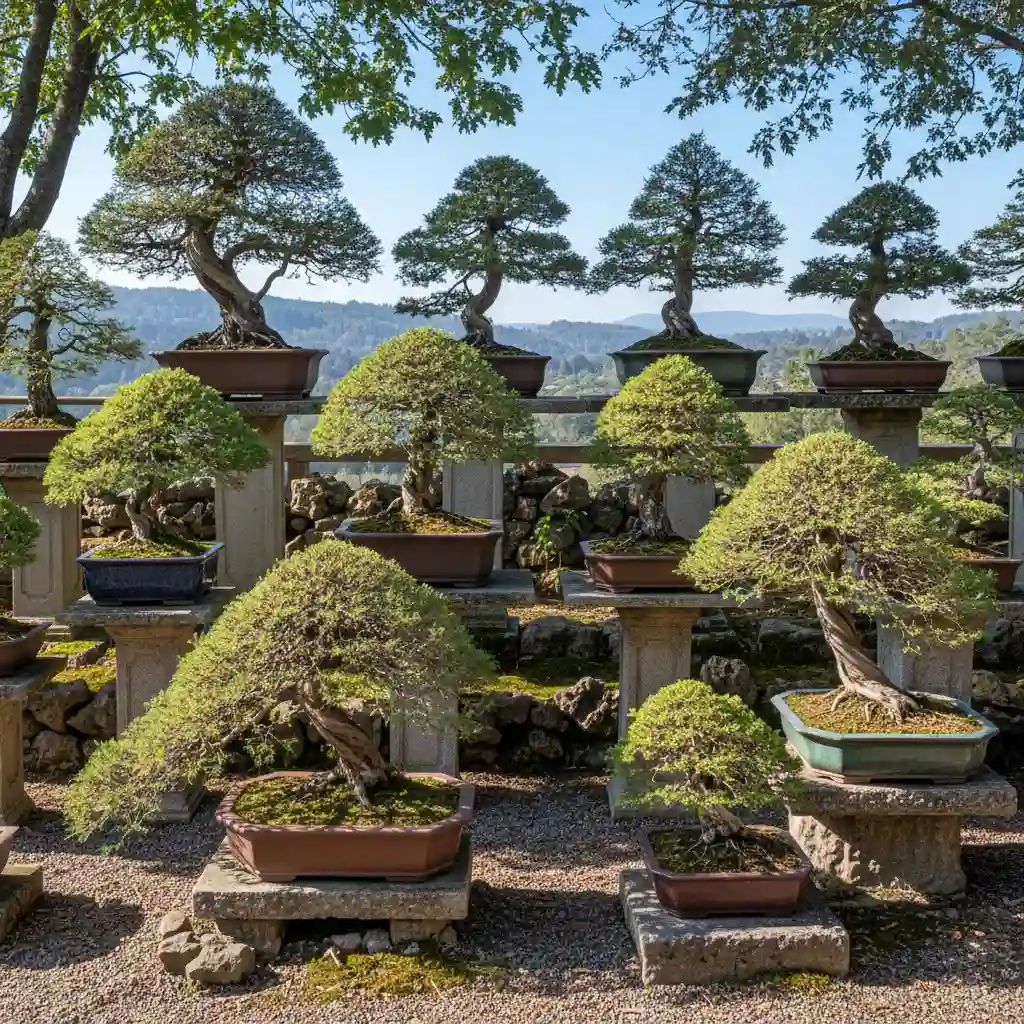
Mastering the Art of Watering Your Juniper Bonsai
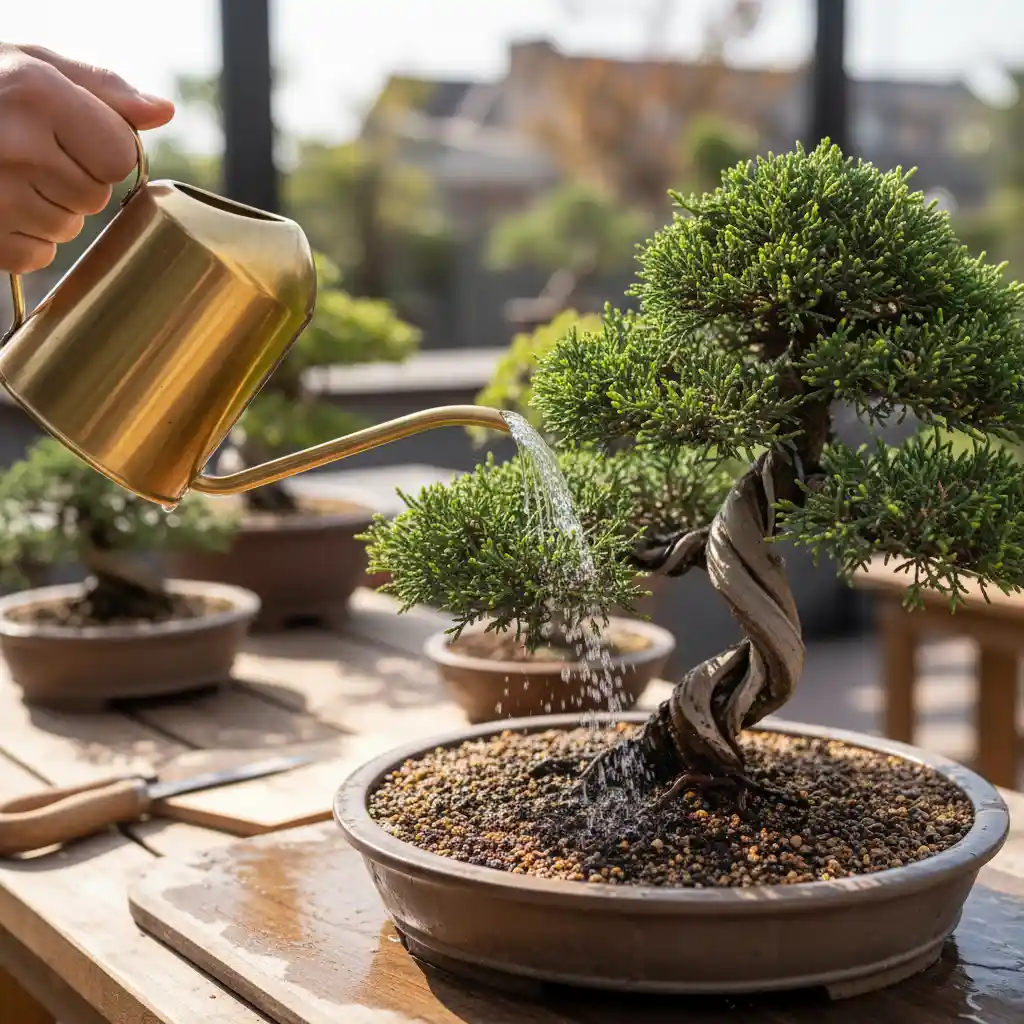
Watering is arguably the most critical aspect of juniper bonsai care. Junipers prefer their soil to dry out slightly between waterings. Overwatering is a prevalent killer, leading to detrimental root rot and various fungal issues. Always check the soil moisture diligently before applying any water. For more in-depth Bonsai Watering Techniques, explore our dedicated resources.
How to Determine Watering Needs
To check for moisture, simply insert your finger about an inch deep into the soil. If it feels dry to the touch, it is definitely time to water your tree. When you do water, do so thoroughly and generously until water visibly drains from the bottom of the pot. This method ensures that all the roots, even the deepest ones, receive adequate moisture.
Factors such as climate, the size of your pot, and the type of soil you use will greatly influence your watering schedule. During hot, dry periods, you might find yourself watering daily. In cooler, more humid weather, less frequent watering will be necessary. Observing your tree’s unique needs is key to preventing both over and under-watering. Using a watering can with a fine rose attachment helps prevent soil displacement.
Proper Watering Techniques
Always use a gentle, diffused spray when watering to avoid disturbing the soil surface or exposing roots. Water in stages if the soil is very dry, allowing it to soak in before applying more. This ensures even saturation. The soil mix should be fast-draining, typically a blend of akadama, pumice, and lava rock. This composition prevents waterlogging while still retaining enough moisture for the roots.
Choosing the Right Soil and Repotting Techniques
The health of your juniper bonsai largely depends on the quality of its soil and proper repotting practices. The right soil provides necessary drainage and aeration, preventing root issues. Repotting, when done correctly, invigorates the tree and allows for root maintenance, a vital part of comprehensive juniper bonsai care.
Ideal Soil Mix for Junipers
Junipers require a well-draining, airy soil mix. A typical blend includes akadama (hard-baked clay granules), pumice (a volcanic stone), and lava rock. These components ensure good aeration, prevent compaction, and help maintain appropriate moisture levels without becoming waterlogged. Some enthusiasts also add a small amount of horticultural charcoal or organic compost for beneficial microbes and nutrients. Avoid standard potting soil, as it retains too much moisture and lacks proper drainage for bonsai.
When and How to Repot
Repotting is typically performed every two to five years, depending on the tree’s age and growth rate. The best time to repot a juniper is in early spring, just before the vigorous new growth begins. Carefully remove the tree from its pot, gently comb out the outer roots, and prune any thick, circling, or damaged roots. Aim to remove about one-third of the root ball. Place the tree back into its original or a slightly larger pot with fresh soil, securing it firmly. Water thoroughly after repotting and protect it from strong winds and direct sun for a few weeks to aid recovery.
Wiring and Styling Juniper Bonsai for Classic Shapes
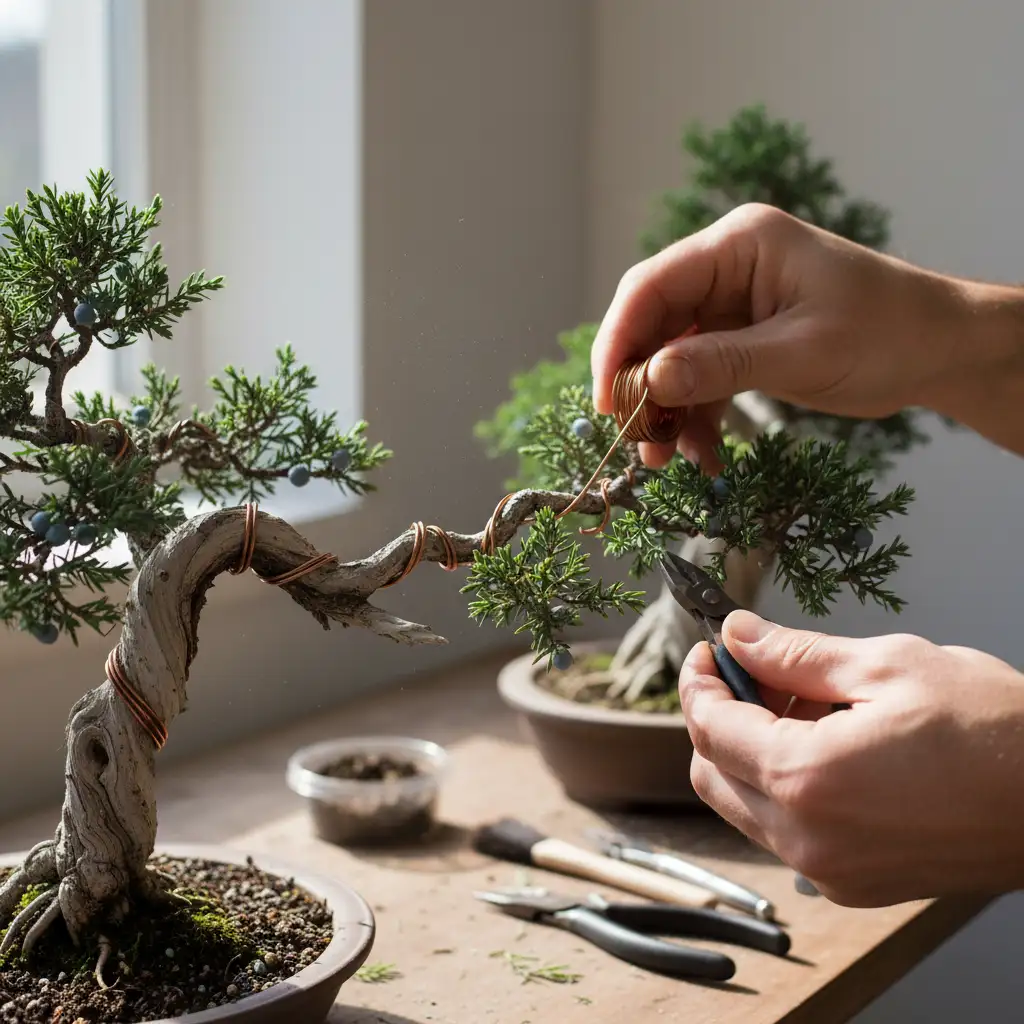
Wiring is an absolutely essential technique for shaping your juniper bonsai. It allows you to carefully bend and position branches to achieve classic bonsai styles that mimic mature trees in nature. Junipers are quite flexible and respond very well to wiring. However, great care must be taken to avoid damaging the bark, which can scar the tree permanently. This artful technique is a key component of any comprehensive juniper bonsai care guide.
Principles of Bonsai Wiring
Use anodized aluminum or copper wire, selecting a gauge appropriate for the thickness of the branch you are working with. Apply the wire at a gentle 45-degree angle, wrapping it neatly and firmly to secure the branch without constricting it. Always aim to wrap the wire snugly but not so tightly that it bites into the bark. The optimal time to wire is usually during the cooler months when the tree’s growth is slower, making it easier to see and manipulate the branch structure.
Leave the wire on for several months, typically three to six, until the branch has fully hardened and holds its new shape. Regularly check the wire to ensure it isn’t biting into the bark, which will cause unsightly scarring. If necessary, remove and reapply the wire to prevent damage.
Common Juniper Bonsai Styles
Junipers are particularly well-suited for a variety of traditional bonsai styles. Common styles include Literati (Bunjingi), characterized by a tall, slender trunk with sparse branching; Slanting (Shakan), where the trunk leans dramatically to one side; and Semi-Cascade (Han-Kengai), which features branches extending horizontally and slightly below the pot rim. Before wiring, it’s wise to prune any unwanted branches. This simplifies the wiring process and clarifies the tree’s intended form, making it easier to visualize the final outcome.
Essential Pruning Techniques for Healthy Juniper Bonsai
Pruning is absolutely vital for maintaining the desired shape, compact size, and overall health of your juniper bonsai. There are two primary types of pruning: maintenance pruning and structural pruning. Both are critical for cultivating a thriving juniper and are extensively detailed within this comprehensive juniper bonsai care guide.
Maintenance Pruning for Density
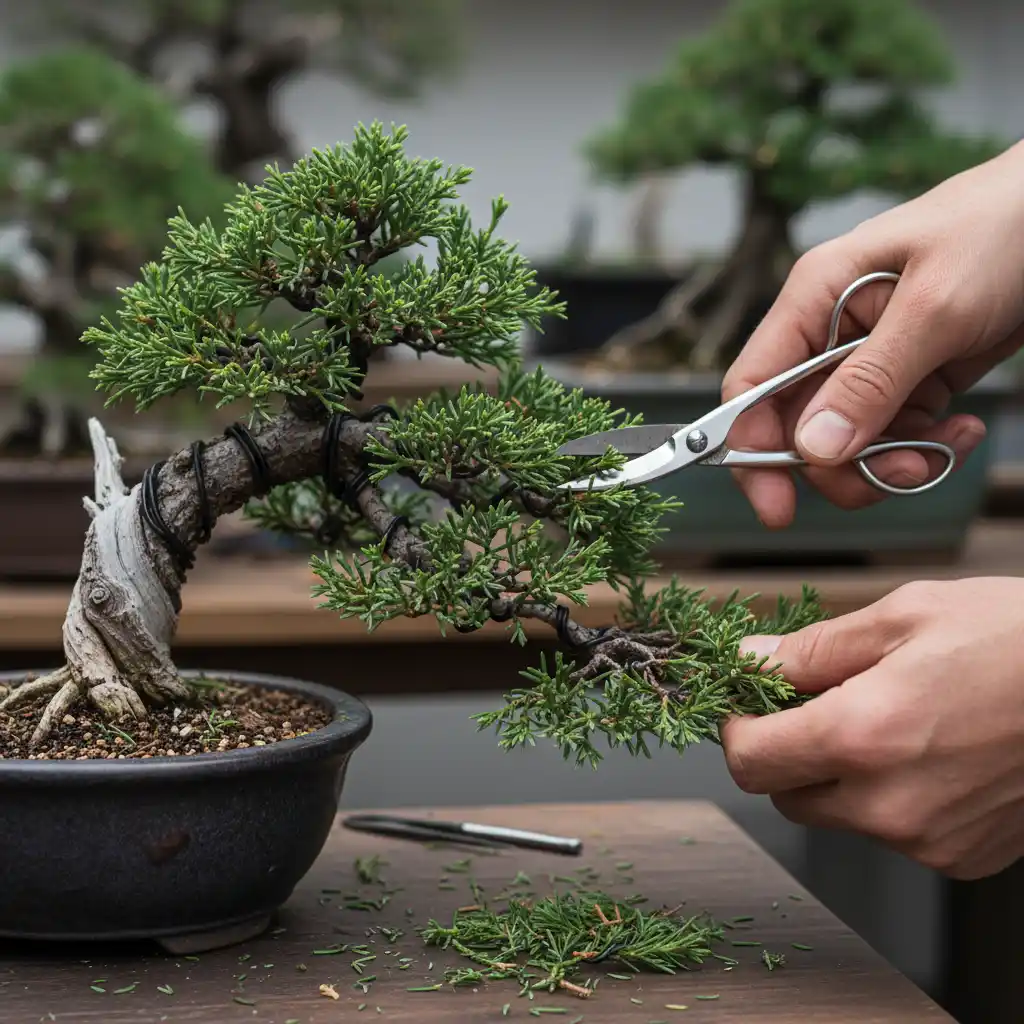
Maintenance pruning primarily involves pinching back new growth to encourage finer foliage and maintain the desired density and shape. Use your fingers to gently pinch off the soft, new tips of the foliage pads. It is very important to avoid using scissors to cut the green foliage, as this can cause the cut tips to turn an unsightly brown and damage the delicate growth. Perform this type of light pruning consistently throughout the entire growing season to keep your juniper looking its best.
Structural Pruning for Form
Structural pruning, in contrast, involves the removal of larger branches to define the tree’s overall artistic form and silhouette. This more significant work is typically carried out in late winter or early spring, just before the period of vigorous growth begins. Always use sharp, clean bonsai tools to make precise cuts. For guidance on Choosing the Best Bonsai Tools for Styling, refer to specialized resources. This minimizes stress to the tree and helps prevent disease. Focus on removing dead, crossing, poorly placed, or overly strong branches that detract from the tree’s design. Think about the long-term vision for your tree’s shape when undertaking structural pruning.
Feeding Your Juniper Bonsai: Nutrition for Growth
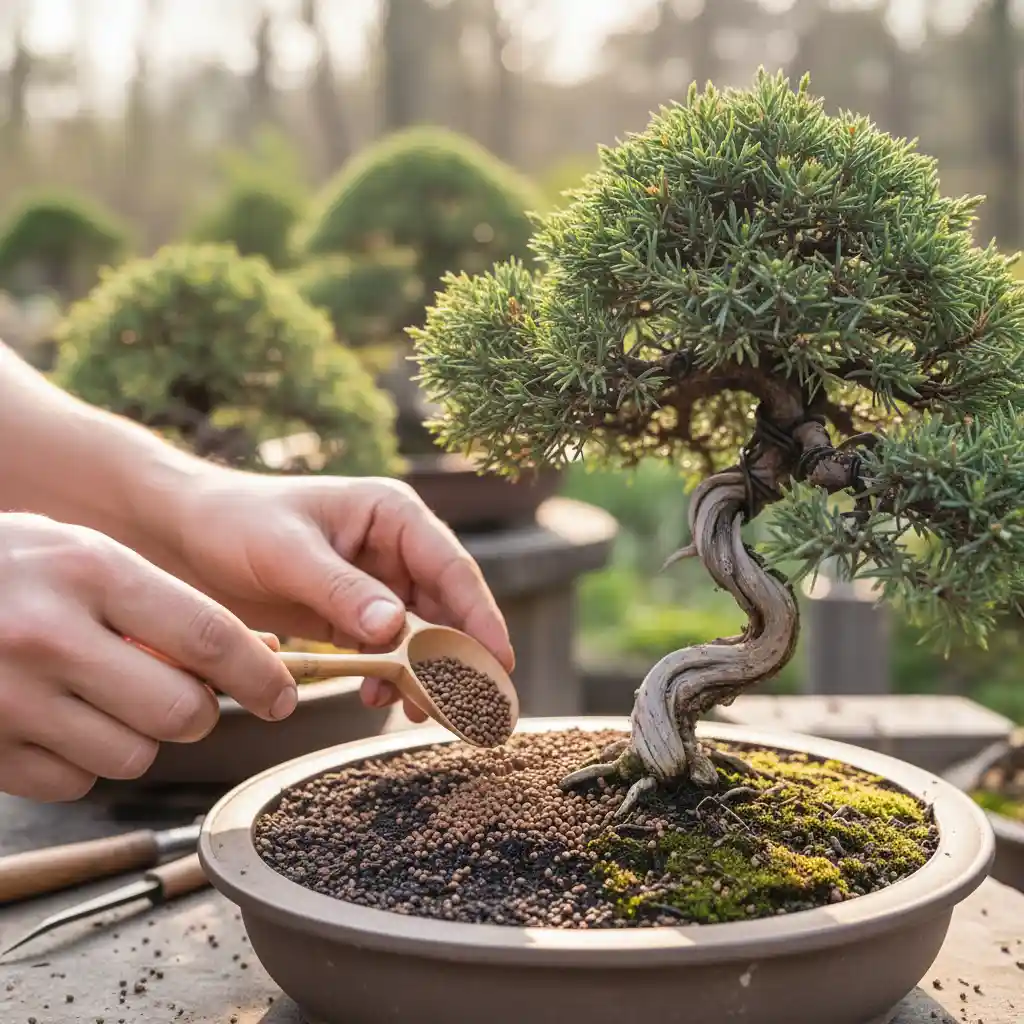
Proper nutrition ensures your juniper remains vigorous, healthy, and full of life. For a deeper dive into all aspects of Bonsai Soil, Fertilization & Nutrition, explore our dedicated guide. While junipers are not considered heavy feeders, a consistent and thoughtful fertilization schedule is undeniably important for their long-term vitality. Use a balanced, slow-release organic fertilizer, or if you prefer liquid options, apply them at half the recommended strength to avoid over-fertilization.
Fertilizer Types and Schedules
Begin fertilizing in early spring, once the first flush of new growth has appeared and hardened slightly. Continue this feeding regimen through the summer months and into early fall. It is crucial to reduce or completely stop fertilization during the winter dormancy period, as the tree’s metabolic processes slow down significantly. Always adhere strictly to the manufacturer’s instructions for dosage, and critically, never fertilize a tree that is sick, stressed, or has been newly repotted, as this can cause further harm.
Tips for Optimal Feeding
Organic fertilizers, such as rapeseed cake or fish emulsion, are frequently preferred by experienced bonsai enthusiasts. They offer the benefit of releasing nutrients slowly over time, which not applies only feeds the tree but also actively improves overall soil health and microbial activity. A well-planned and executed feeding regimen, when combined with appropriate watering, sufficient light, and correct pruning, will consistently promote strong, healthy growth and vibrant, lush foliage. Remember, consistency is key for optimal results.
Troubleshooting Common Juniper Bonsai Problems
Even with the most dedicated care, junipers can occasionally encounter problems. Early detection and swift, appropriate action are absolutely crucial to minimize damage and ensure your tree’s recovery. This essential section of our juniper bonsai care guide is designed to help you quickly identify, understand, and effectively resolve the most common issues that may arise.
Diagnosing Foliage Issues
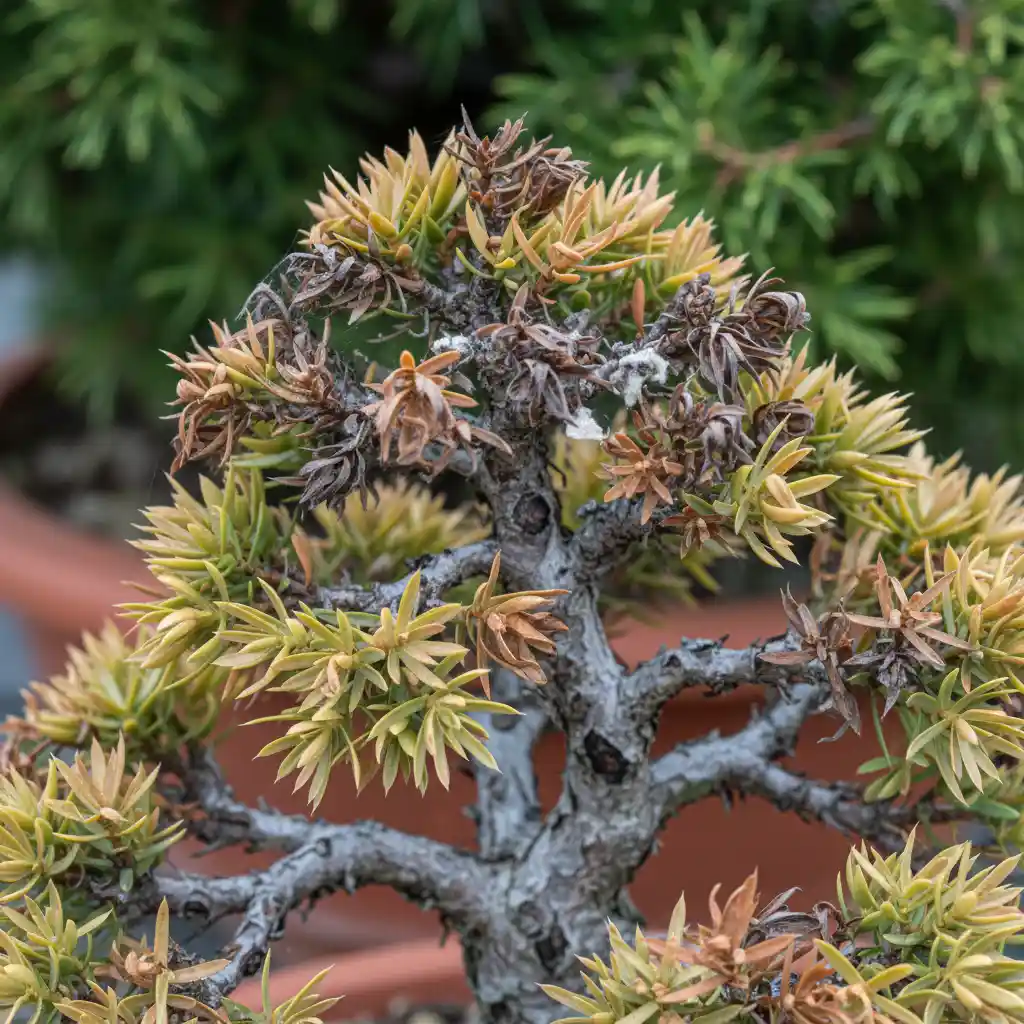
Yellowing or Browning Foliage: This is a common indicator that often points to either overwatering or underwatering. Immediately check the soil moisture levels. Insufficient light, poor soil drainage, or even sudden cold drafts can also be culprits. Additionally, inspect closely for pests like spider mites, which can cause discoloration and lead to significant defoliation. Look for tiny webs or minute insects on the undersides of the foliage.
Dieback: If entire branches or sections of foliage start to turn brown and die, it could be a sign of root rot from excessive moisture, a severe pest infestation, or inadequate light. Promptly assess the root health and growing conditions.
Managing Pests and Diseases
Pests: Common pests affecting junipers include aphids, spider mites, and scale insects. For treatment, use an insecticidal soap or neem oil. Apply thoroughly to all parts of the tree, paying special attention to the undersides of the foliage. Repeat applications as necessary and, if possible, isolate affected trees to prevent the infestation from spreading to other bonsai.
Fungal Diseases: These are typically caused by excessive humidity, poor air circulation, or overly wet conditions. Symptoms may include darkened patches on the foliage, powdery mildew, or soft decay. To mitigate, improve airflow around your tree and reduce watering if the soil is consistently too wet. Fungicides can be employed in severe cases, but prevention through good hygiene and proper environmental control is always best. Regularly clean your bonsai area and tools.
Seasonal Care for Juniper Bonsai
Juniper care demands specific adjustments with the changing seasons. Understanding and responding to these seasonal shifts is absolutely vital for ensuring your tree’s year-round health and sustained beauty. Adapting your care routine allows your bonsai to thrive through all conditions.
Spring Awakening: Growth and Repotting
Spring is the season of vigorous growth and renewal. This is the optimal time for repotting, best done in early spring just before the new buds fully swell and burst open. For more detailed insights, delve into specific Spring Care for Bonsai SH practices. As temperatures begin to rise and daylight hours lengthen, gradually increase your watering frequency. You can also begin light fertilization once the initial flush of new growth has emerged and hardened slightly.
Summer Vigilance: Heat and Hydration
Summer brings hot and often dry conditions, which necessitate more frequent watering. For comprehensive strategies on Summer Bonsai Care: Heat & Humidity Management, consider additional resources. During periods of extreme heat, consider protecting your juniper from intense afternoon sun to prevent scorching. Continue with your regular fertilization schedule. This is also a crucial time to remain vigilant for any signs of pests, as their populations can multiply rapidly in warm weather.
Autumn Preparation: Slowing Down
As autumn arrives, the tree’s growth naturally begins to slow down. At this point, gradually reduce your fertilization frequency, eventually stopping it entirely as winter approaches. Some structural pruning can still be undertaken during early fall. Ensure excellent drainage as rainfall typically increases, preventing roots from sitting in waterlogged soil.
Winter Dormancy: Protection and Rest
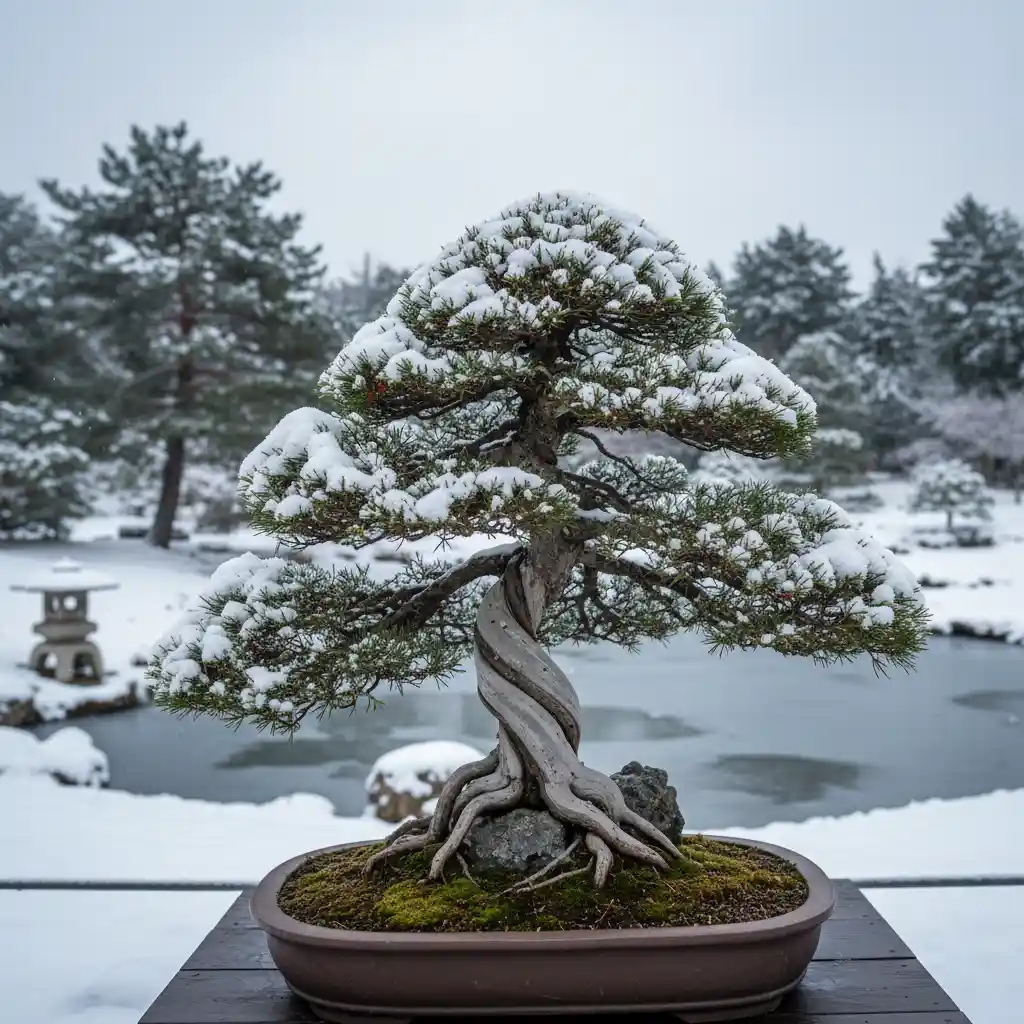
Junipers require a crucial period of cold dormancy during winter. For insights into caring for different species, such as Jade Bonsai Winter Care, specific approaches are necessary. While they need cold, protect them from harsh, freezing winds and severe frosts. However, do not bring them indoors, as this disrupts their natural cycle. Water sparingly on warmer winter days to prevent the roots from drying out completely. Mulch the top of the pot with bark or straw for added insulation if you live in a particularly cold region. Proper seasonal adjustments guarantee your juniper remains robust and healthy, poised for another year of splendid growth and enduring beauty.
Deepening Your Juniper Knowledge: Advanced Tips and Resources
Beyond mastering the foundational basics, there is an expansive world of Advanced Bonsai Carving & Shaping Methods waiting to be explored in your bonsai journey. Consider dedicating time to studying more complex styling elements, such as creating authentic deadwood features like jin (stripped branches) and shari (stripped trunks). Junipers, with their durable wood, excel at these techniques, which add incredible character and an illusion of ancient age to your trees, reflecting nature’s profound resilience.
Exploring Advanced Styling Techniques
Advanced styling also involves refining the tree’s silhouette, creating intricate branch structures, and developing a mature nebari (root flare). Explore different wiring methods for older, stiffer branches, and learn about carving techniques to enhance deadwood features. Understanding the natural growth habits of junipers will empower you to guide their development more artfully and realistically. For ideas on presenting your masterpieces, consider Inspirational Bonsai Display Ideas & Setups.
Community and Continuous Learning
Joining a local bonsai club or an active online community can provide invaluable insights, mentorship, and a rich source of inspiration. Sharing your experiences and learning directly from seasoned practitioners will significantly accelerate your journey and deepen your understanding. For those interested in broader trends, explore The Future of NZ Native Bonsai: Innovation, Sustainability & Global Recognition. Actively seek out workshops specifically focused on advanced juniper styling and specialized care to further hone your skills.
Investing in higher-quality tools, gaining a deeper understanding of advanced soil compositions, and regularly analyzing your tree’s nuanced growth patterns will continually refine your capabilities as a bonsai artist. For further reading on general bonsai principles and history, explore reputable resources like Wikipedia’s bonsai section. This comprehensive juniper bonsai care guide is merely the beginning of what promises to be an incredibly rewarding and lifelong artistic journey.
With dedication and this guide, your juniper bonsai will be a testament to your patience, artistic vision, and a deep connection to nature. Happy growing from the Bonzai experts!