Starting Your Own Local Bonsai Study Group
Do you dream of deepening your knowledge and craft in the art of bonsai? One of the most rewarding ways to achieve this is to start a bonsai study group right in your local community. Connecting with fellow enthusiasts offers a unique pathway for learning, sharing, and growth that you simply cannot get alone. It’s a fantastic way to elevate your skills and find inspiration.
Many bonsai artists, both beginners (who might be in the process of Choosing Your First Bonsai Tree) and advanced, find immense value in a collective learning environment. This guide will walk you through the essential steps to kickstart your own group, ensuring it becomes a vibrant hub for bonsai lovers. Get ready to cultivate not just trees, but also strong friendships and a shared passion.
Table of Contents
The Benefits of a Bonsai Study Group
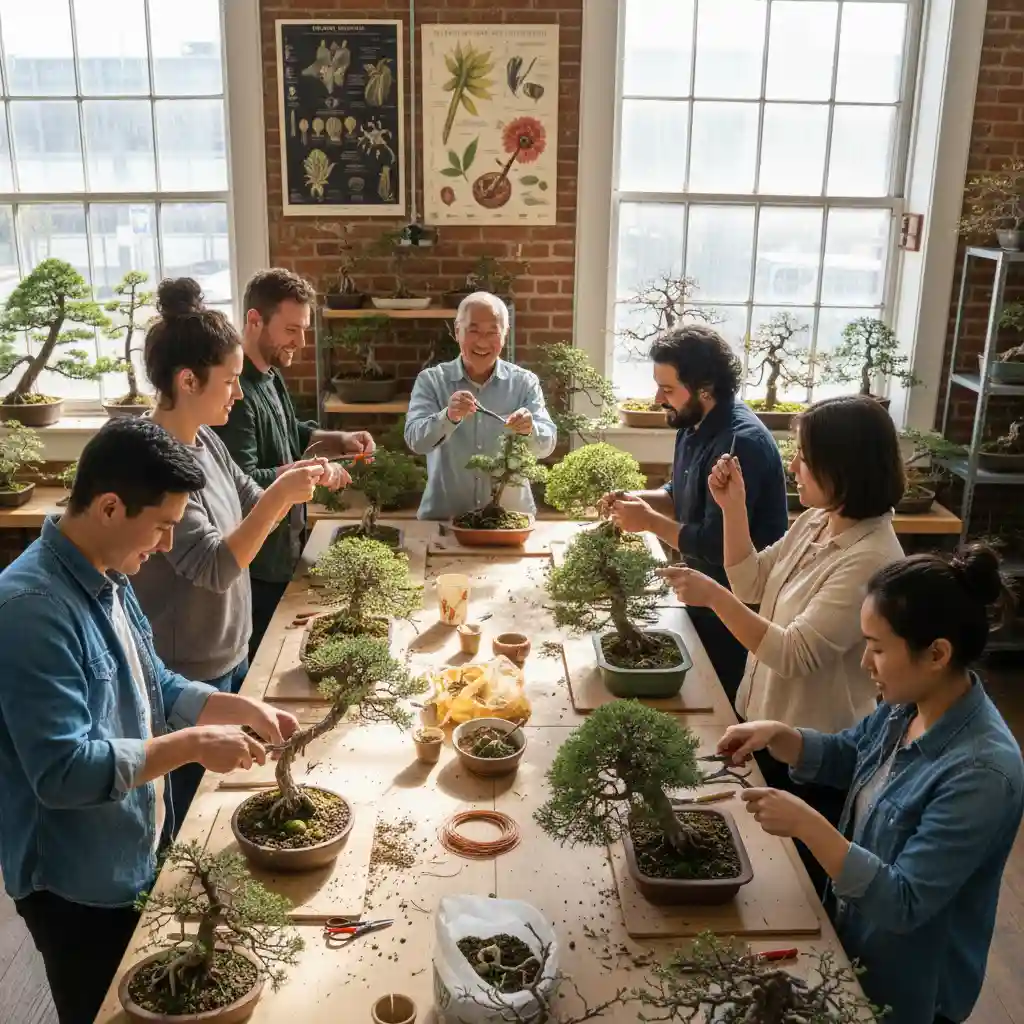
Starting a bonsai study group offers numerous advantages beyond just learning techniques. It cultivates a vibrant Bonsai Community & Events and provides essential support.
Shared Knowledge and Experience
Every bonsai artist brings unique experiences. In a group, diverse perspectives merge, allowing you to learn from decades of experience with specific tree species or get tips on pest issues, perhaps using a Bonsai Pest Identification Guide. Members can also discuss common ailments like Bonsai Branch Dieback Causes or best practices for Disease Management for NZ Bonsai: Fungal, Bacterial & Viral Threats. This collective wisdom significantly accelerates everyone’s learning. Different members excel in wiring, pruning, or potting, creating a rich learning environment beyond textbooks, covering crucial topics like Basic Bonsai Watering & Light Requirements.
Motivation and Accountability
Bonsai requires patience. A study group provides a vital support system, keeping motivation high. Seeing others’ progress, discussing challenges, and setting group goals keeps your spirits up and tools sharp. Regular meetings and shared projects inspire members to take on challenging work they might avoid alone.
Access to Tools and Resources
Specialized bonsai tools are costly. A group allows pooling resources, sharing tools, or bulk-buying soil components like those discussed in Bonsai Soil, Fertilization & Nutrition. Members can also discuss and share insights on specialized equipment and aesthetic considerations such as Choosing Bonsai Pots for NZ Natives: Function & Form. You’ll discover local nurseries or online resources from other members. Groups can also invite guest speakers or organize trips to Major Bonsai Exhibitions and Shows Worldwide, making the art more accessible and enjoyable for all.
 AESES
AESES
Step-by-Step Guide to Organizing Your Group
Ready to start a bonsai study group? Initial planning is crucial for success. Follow these steps to build a strong foundation for your new community.
1. Find Your Core Members
Identify a few dedicated individuals sharing your enthusiasm—friends, family, or contacts from gardening clubs. Start with a committed core of 3-5 people to help shape the group’s vision. These reliable members will be instrumental in recruiting others and establishing early activities, making future growth easier.
2. Choose a Meeting Location
Consider locations with adequate space, light, and water access: a member’s home, community centers, nurseries, or parks. Ensure accessibility and comfort for working on trees. A central location boosts attendance. Discuss potential costs for public venues and how to share them.
3. Set Up Basic Communication
Effective communication is key. Create a simple channel like a group chat, email list, or private social media group. This allows members to schedule meetings, share tree photos, ask questions, and disseminate important information, ensuring everyone stays informed and can easily participate.
 ESES
ESES
Structuring Engaging Group Meetings
Once formed, keeping meetings productive and enjoyable is crucial. Well-structured sessions ensure consistent learning and engagement.
1. Brainstorming Activity Ideas
Vary activities to keep things fresh. Include tree styling demonstrations (e.g., for Juniper Bonsai Care, or exploring specific techniques like How To Wire Totara Bonsai), repotting workshops, critique sessions, educational presentations on species, group sourcing trips, or discussions on bonsai history (see Wikipedia on Bonsai). Encourage member suggestions for diverse, skill-level-appropriate programs.
2. Creating a Yearly Schedule
Plan ahead by mapping out a rough schedule of topics and activities for the entire year with your core group. This allows members to prepare and ensures seasonal tasks, including essential Spring Care for Bonsai SH and general spring repotting, are covered. A structured schedule prevents repetitive meetings, ensuring continuous learning and keeping members excited about upcoming sessions.
3. Encouraging Active Participation
A thriving bonsai study group depends on active member involvement. Encourage everyone to bring trees for critique, share projects, or present topics. Rotating leadership or demonstrations empowers individuals and broadens collective skills. Create a welcoming atmosphere where questions are encouraged, building camaraderie and enriching the learning experience for all.
Fostering Knowledge Sharing and Growth
Beyond structured meetings, a truly successful bonsai study group fosters an environment where continuous learning and sharing flourish. This means actively seeking opportunities to expand collective knowledge and individual skills.
Leveraging Resources and Mentorship
Utilize online resources by sharing insightful articles, tutorials, or reputable forums. Encourage members to document their work with photos and notes, providing valuable case studies for everyone. Within the group, foster informal mentorship. More experienced artists can guide newer enthusiasts, while peer support helps everyone overcome challenges and reinforces collective problem-solving.
Workshops and Expert Insights
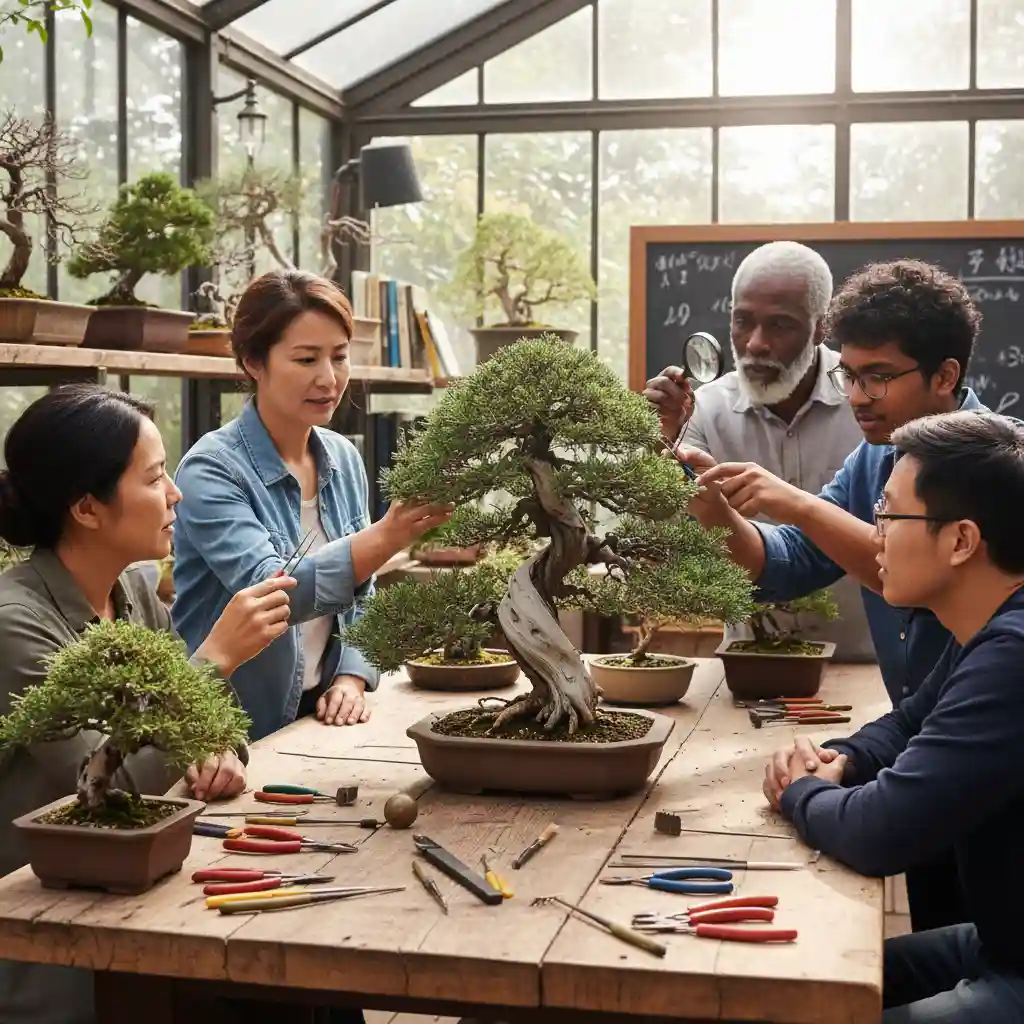
As your group develops, consider organizing workshops on specific techniques like carving or grafting. These hands-on sessions elevate skills. Inviting guest speakers—renowned bonsai artists or horticulturists—can bring fresh, advanced knowledge. Collaborating with other local bonsai clubs can help secure high-caliber speakers and share costs, providing unique educational opportunities for your bonsai study group.
Cultivate Your Bonsai Community
Starting a local bonsai study group is more than just organizing meetings; it’s about cultivating a thriving community. This journey enriches your personal bonsai practice and builds lasting friendships. The shared passion, collective knowledge, and mutual support found within a group are truly invaluable.
Don’t be daunted by the initial steps. Begin with a few dedicated individuals, foster open communication, and keep learning engaging. Over time, your small study group can grow into a vibrant hub for bonsai enthusiasts. Embrace the process, nurture your connections, and watch both your trees and your community flourish.