Discover the Best Bonsai Workshops for Beginners
Are you new to the ancient art of bonsai? Joining dedicated bonsai workshops offers the perfect starting point. These guided sessions provide hands-on experience, expert advice, and a supportive community to help you cultivate your first living masterpiece. Discover where to find the best workshops and what to expect.
Bonsai workshops are structured learning sessions designed to teach beginners the ancient art of cultivating miniature trees. These hands-on classes provide expert guidance on essential techniques like pruning, wiring, and repotting. Participants gain practical experience and valuable insights into nurturing their own bonsai tree.
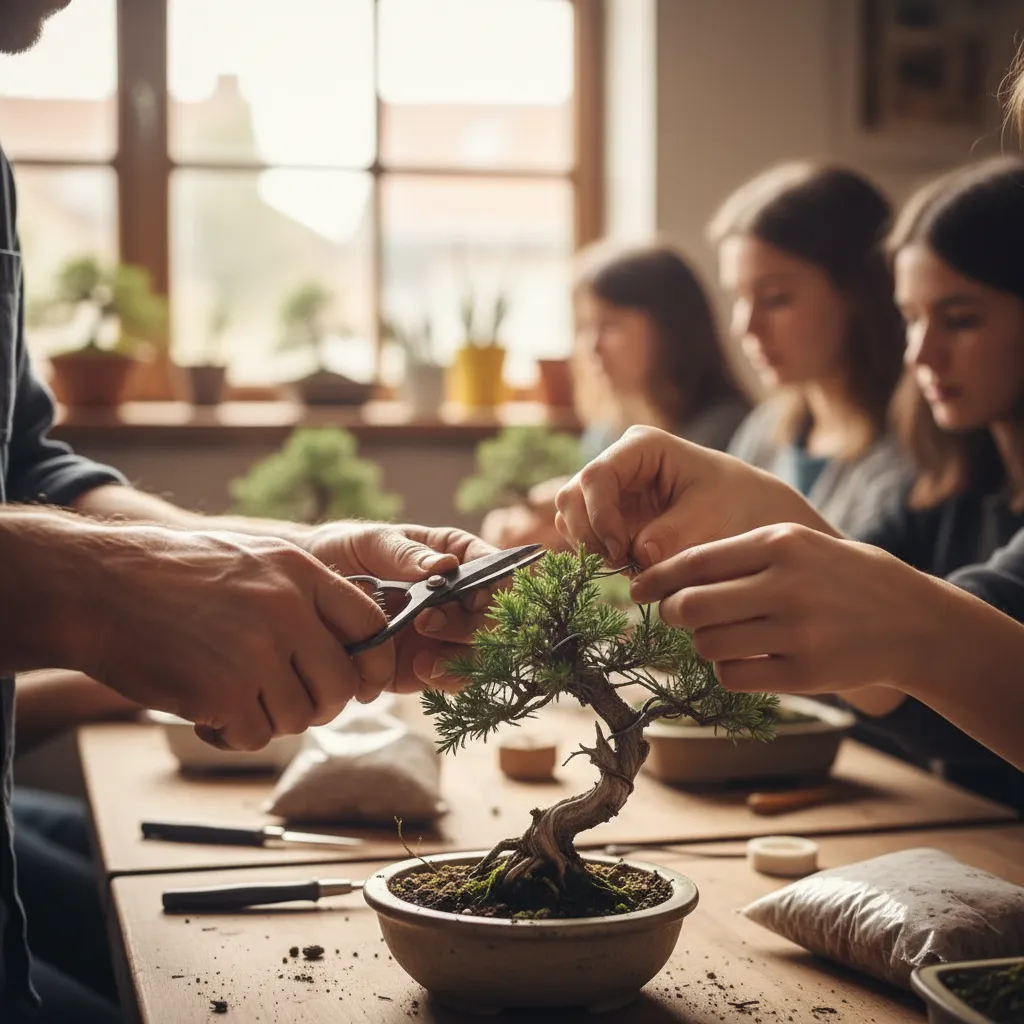
Table of Contents
Why Join a Bonsai Workshop?
Bonsai is more than just growing a tree; it’s an art form requiring patience, skill, and horticultural understanding. For beginners, books and online tutorials can be overwhelming. This is where bonsai workshops truly shine. They offer a structured environment to learn directly from experienced practitioners.
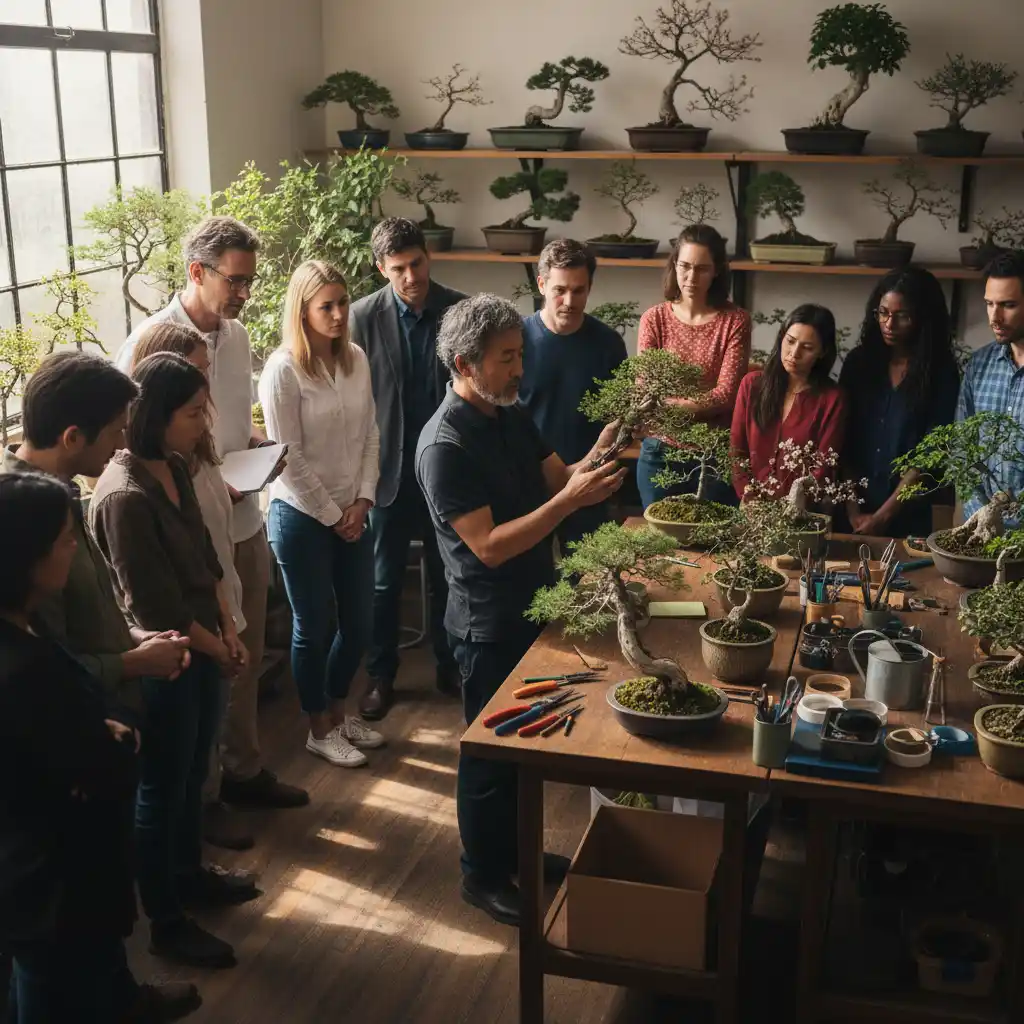
You get immediate feedback on techniques, ask questions, and see real-time demonstrations. This hands-on guidance is invaluable for mastering the delicate art of shaping and caring for these miniature trees. Many enthusiasts find a workshop accelerates learning far beyond self-study.
Finding Beginner Bonsai Workshops Near You
Locating the right beginner-friendly bonsai workshops is your first step. Explore several excellent avenues, both locally and online. Seek reputable instructors and welcoming environments.
Finding Local Bonsai Clubs and Societies
Many cities and regions have dedicated bonsai clubs. These clubs often host workshops for members, ranging from absolute beginner sessions to advanced styling. Joining a club not only provides access to workshops but also connects you with a network of fellow enthusiasts. This Bonsai Community & Events can be a great source of ongoing support and advice. Check their websites or local community boards for schedules.
Nurseries and Garden Centers
Specialized nurseries and larger garden centers often host educational events, including bonsai workshops. These are particularly great for beginners as they frequently cover the very basics. The advantage here is the immediate access to materials, tools, and plant stock for purchase. Ask at your local plant store if they have upcoming events or know of any local instructors.
Online Resources and Platforms
While hands-on is ideal, many online platforms now offer virtual bonsai workshops. These can be a convenient option if in-person classes are scarce in your area. Look for live, interactive sessions where you can ask questions. Some platforms might even send you a starter kit beforehand. Remember that for true hands-on learning, a physical workshop is usually more beneficial, especially for your first experience.
What to Expect at Your First Bonsai Workshop
Attending your first bonsai workshop is exciting. Most beginner workshops provide a solid foundation in theory and practical application. You’ll likely start with an introduction and move quickly into working with a tree.
Basic Principles and History
Workshops typically begin with an overview of bonsai’s rich history and core principles. You’ll learn about the different styles (like formal upright, slanting, cascade), the importance of proportion, and how bonsai reflects nature. Understanding this background enhances your appreciation for the art and guides your styling decisions. Many workshops also cover the cultural significance of bonsai. For a deeper dive into the history, consider exploring resources like Wikipedia’s Bonsai article.
Essential Tools and Materials
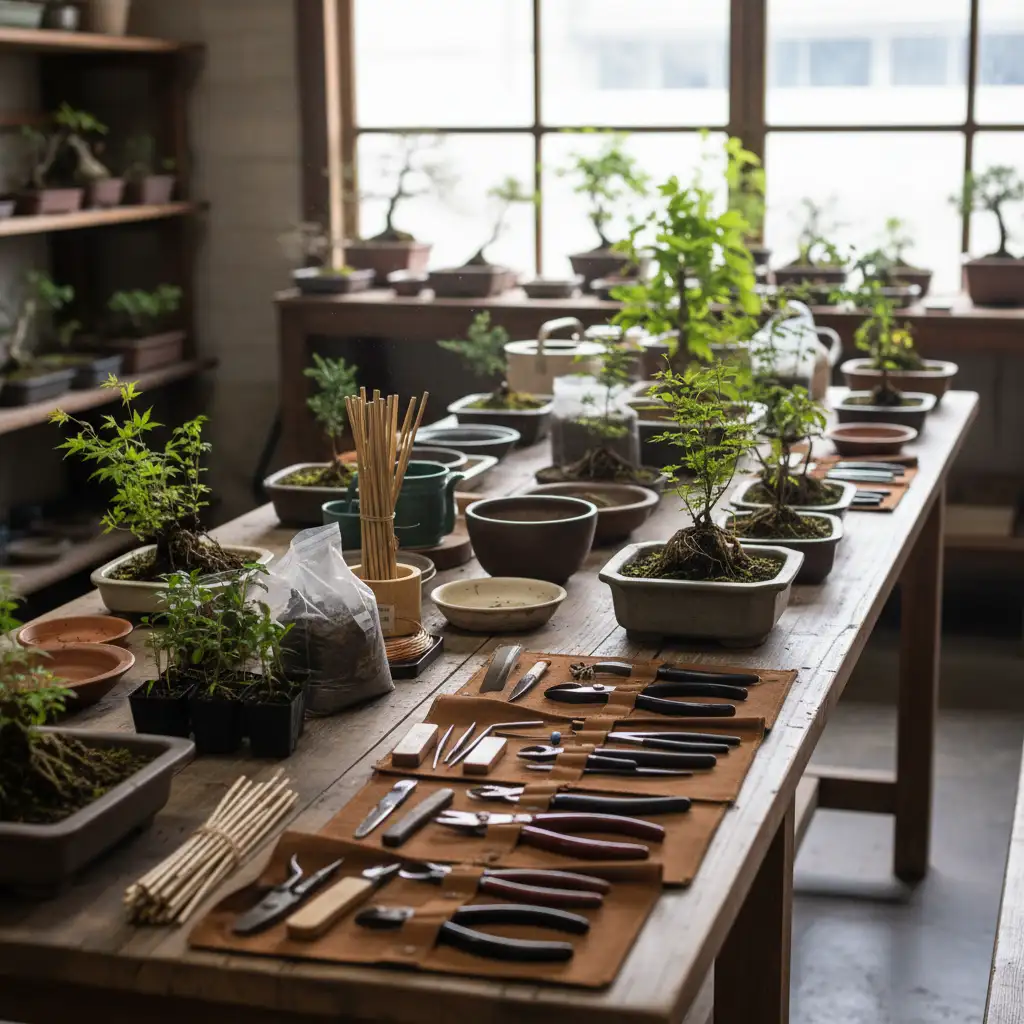
Before you start styling, your instructor will introduce you to the fundamental tools of bonsai. You’ll learn what each tool is for and how to use it safely and effectively.
- Concave Cutters: Essential for making clean cuts that heal well.
- Wire Cutters: Designed to remove wiring without damaging bark.
- Shears: For detailed pruning of leaves and small branches.
- Repotting Tools: Like hooks or rakes, used for root work.
- Bonsai Wire: Copper or aluminum, used for shaping branches.
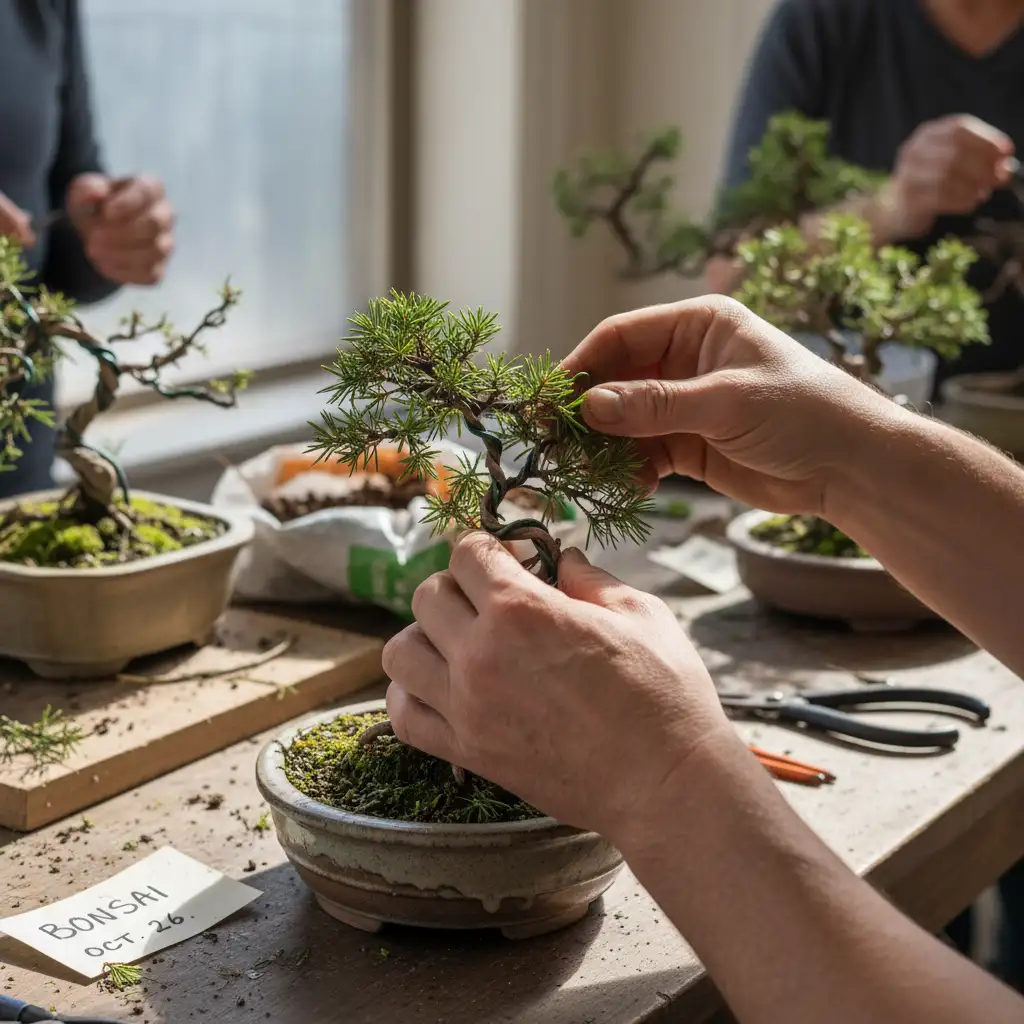
Most workshops provide the necessary tools and a starter tree, often a juniper or a similar hardy species, for you to work on and take home.
Hands-On Styling Techniques
The core of any good beginner bonsai workshop is the practical session. Under direct supervision, you’ll learn key techniques:
- Pruning: Learning which branches to remove to create shape and promote growth. For a deeper understanding of this crucial technique, read about Pruning for Bonsai Shape and Health.
- Wiring: Gently bending and shaping branches using specialized wire.
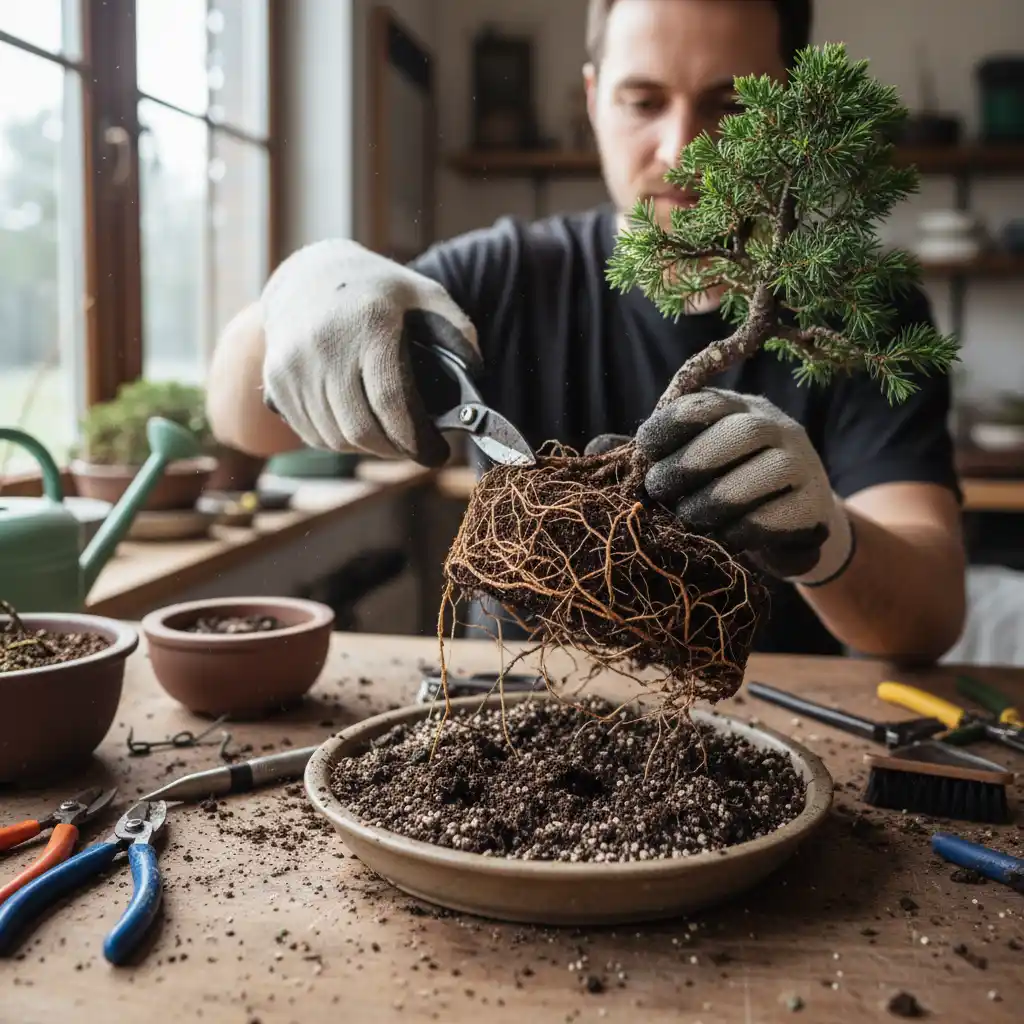
- Repotting Basics: Understanding when and how to repot, including Bonsai Root Pruning Techniques for Health.
- Care and Maintenance: Guidance on watering, Bonsai Soil, Fertilization & Nutrition, pest control, and understanding Environmental Stressors Affecting Bonsai Health for your new bonsai.
By the end of the session, you’ll have styled your very own bonsai tree and gained the confidence to continue its care at home. As you grow in skill, you might explore more advanced artistic techniques like Creating Deadwood Effects (Jin & Shari) on Bonsai.
Once you’ve mastered the foundational techniques and styled your first bonsai, the next step is often to consider how to best present your living art. Exploring different display methods can significantly enhance the beauty and impact of your miniature tree, turning it into a true focal point in your home or garden. For further inspiration on how to showcase your work, consider delving into Inspirational Bonsai Display Ideas & Setups to find the perfect arrangement for your cherished piece.
Maximizing Your Hands-On Learning
To get the most out of your experience, come prepared and engage fully. Don’t be afraid to ask questions. Every master started as a beginner, and instructors are passionate about sharing their knowledge. They want to see you succeed and enjoy the art of bonsai.
Before attending a bonsai workshop, it can be helpful to do a little research. Familiarize yourself with basic bonsai terminology. This will help you understand the instructor’s explanations more easily. You might also want to bring a small notepad and pen to jot down key tips and care instructions specific to your new tree.
Engage Actively During the Workshop
The most valuable aspect of an in-person workshop is the immediate feedback. Pay close attention to demonstrations of techniques like branch selection for pruning or the correct way to apply bonsai wire. When it’s your turn to work on your tree, ask if your grip is correct or if your cut is in the right place. Don’t worry about making mistakes; learning often involves trial and error.
Observe how others in the workshop approach their trees. Different trees present unique challenges, and seeing various solutions can broaden your understanding. Share your progress and questions with fellow participants, fostering a sense of community. Many lasting friendships begin in these shared learning environments.
Continuing Your Bonsai Journey
The end of a workshop isn’t the end of your learning. It’s just the beginning! Take your newly styled bonsai home and apply the care instructions diligently. Regularly check your tree’s soil moisture, light exposure, and overall health. Understanding specific needs, such as Spring Care for Bonsai SH and Soil & Fertilization for NZ Native Bonsai: Custom Blends & Feeding, is crucial. Explore further insights into The Future of NZ Native Bonsai: Innovation, Sustainability & Global Recognition. Bonsai is a continuous process of observation and refinement.
Consider joining a local bonsai club or online forum to stay connected. These communities offer ongoing support, advanced workshops, and opportunities to display your trees. Continued learning, whether through books, advanced courses, or simply spending time with your tree, is key to mastering this rewarding art form. Remember, every time you prune or repot, you’re not just shaping a tree; you’re developing your artistic vision and horticultural skills.
Frequently Asked Questions about Bonsai Workshops
What should I bring to my first bonsai workshop?
Most beginner bonsai workshops provide all necessary tools, materials, and a starter tree. However, it’s a good idea to bring a notepad and pen for taking notes. Some participants also like to bring a camera to document their progress, though always ask for permission first. Wearing comfortable clothes is also recommended as you’ll be working hands-on.
How long do bonsai workshops typically last?
The duration of a beginner workshop can vary. Most hands-on sessions last anywhere from 2 to 4 hours, providing ample time for instruction, demonstration, and practical work on your tree. More advanced workshops or multi-day courses can extend for longer periods, delving deeper into specific techniques or species.
Is bonsai suitable for everyone, even those without a green thumb?
Absolutely! Bonsai is an art form that can be enjoyed by anyone, regardless of prior gardening experience. Bonsai workshops are specifically designed to demystify the process and provide a solid foundation. With patience and consistent care, anyone can learn to cultivate beautiful miniature trees. It’s more about observation and consistency than a “green thumb.”
What kind of tree will I work on in a beginner workshop?
Beginner bonsai workshops typically use hardy and forgiving species that are easier for novices to style and maintain. Common choices include juniper, ficus, schefflera, or certain types of pine or elm. As you advance, understanding the specific needs for species like Maple Bonsai Care: Seasonal Needs & Pruning becomes important. The goal is to provide a tree that allows you to practice fundamental techniques without being overly fragile or requiring highly specialized care immediately.