Discovering the Best Beginner Bonsai Trees for Your Home
Embarking on the journey of bonsai cultivation is a rewarding experience. For newcomers, selecting the right species is crucial for success and enjoyment. Thankfully, many resilient and beautiful beginner bonsai trees thrive with minimal fuss, making the art accessible to everyone.
What are beginner bonsai trees? They are resilient, easy-to-care-for tree species perfect for new enthusiasts. These plants tolerate common initial mistakes in watering, lighting, and pruning, providing a forgiving learning experience. Their adaptability makes the ancient art of bonsai accessible and enjoyable for those just starting.
Table of Contents
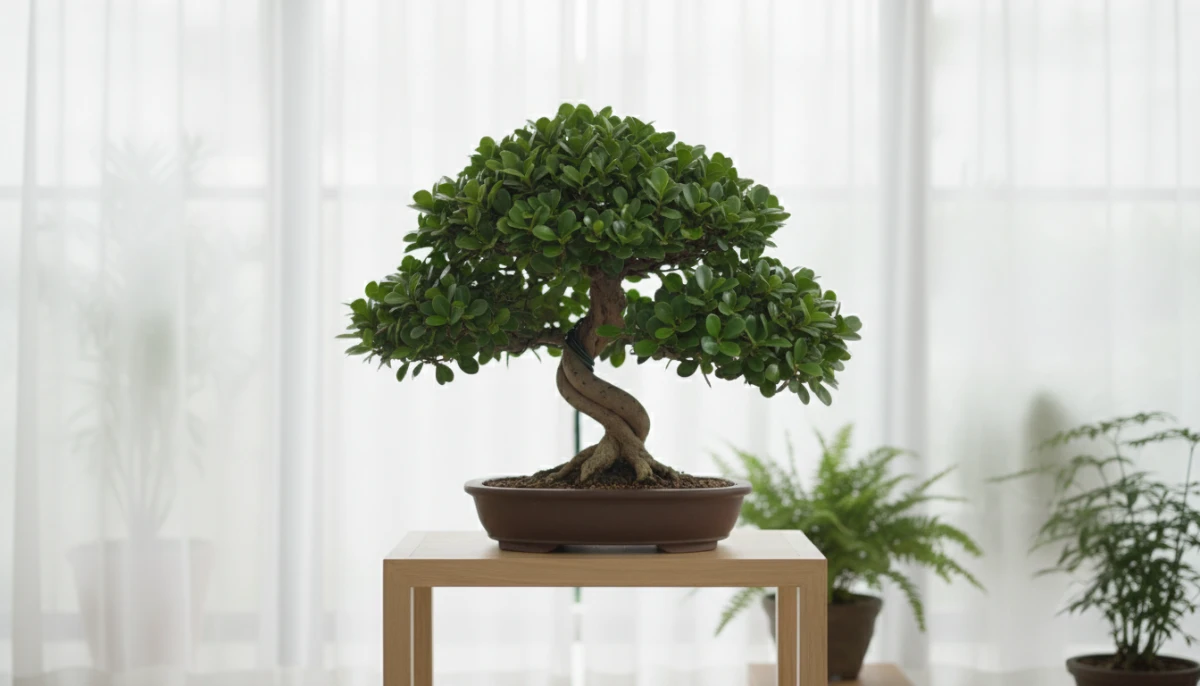
Easy to Care For: The Appeal of Beginner Bonsai Trees
The thought of growing a bonsai tree can seem intimidating. Many people imagine complex rules and a delicate plant that requires constant attention. However, this is not always the case. Choosing the right species simplifies the process greatly.
Easy-to-care-for bonsai varieties are forgiving. They can tolerate minor mistakes in watering or lighting without suffering permanent damage. This resilience is key for anyone just starting out, as it builds confidence and allows you to learn at your own pace.
Understanding Basic Bonsai Needs
All bonsai trees, regardless of their ease of care, share fundamental needs. These include proper watering, adequate light, and occasional fertilization. The difference with beginner-friendly options lies in their tolerance range for these factors.
For instance, some trees need watering precisely when the topsoil dries. Others can handle a little more or less moisture. Understanding these basics, even with resilient trees, sets you up for long-term success. It’s about learning the plant’s rhythm.
Why Resilience Matters for Beginners
When you’re new to any hobby, making mistakes is part of the learning curve. Bonsai is no different. A resilient tree won’t punish you severely for a missed watering or an imperfect pruning cut. It will bounce back, giving you another chance to get it right.
This ability to recover is invaluable. It reduces stress and allows you to focus on developing your skills. Resilient beginner bonsai trees are, therefore, highly recommended by experts for a smooth entry into the art.
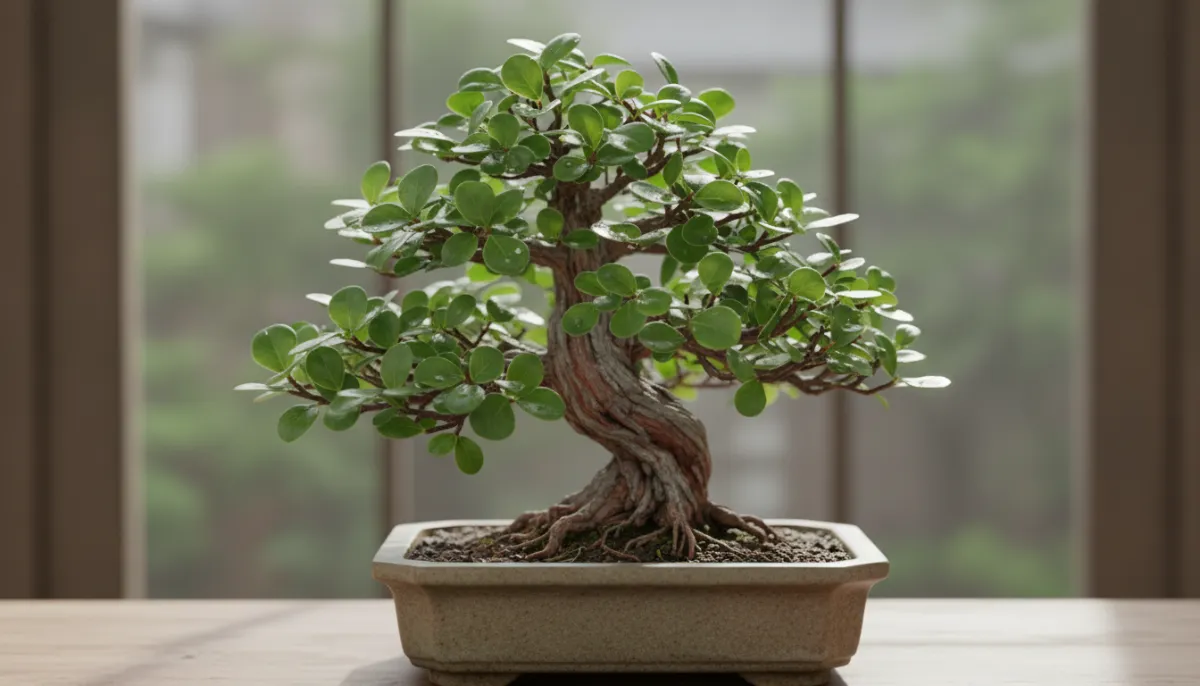
Resilient Species List: Top Beginner Bonsai Trees
Choosing the right species is half the battle won. Here’s a list of bonsai trees renowned for their hardiness and adaptability, perfect for anyone just starting their journey.
Ficus (Ficus retusa/microcarpa)
The Ficus is arguably the most popular choice for indoor bonsai. It’s incredibly forgiving, tolerates a wide range of conditions, and can even recover from severe neglect. Ficus trees are known for their aerial roots and shiny leaves.
- Light: Bright indirect light.
- Watering: Allow topsoil to dry slightly between waterings.
- Care Level: Very easy, tolerates low humidity.
Chinese Elm (Ulmus parvifolia)
A favorite among both beginners and experienced enthusiasts, the Chinese Elm is versatile. It can be grown indoors or outdoors in suitable climates. Its small leaves and fine branching make it ideal for creating intricate bonsai designs.
- Light: Full sun to partial shade (outdoors), bright indirect (indoors).
- Watering: Keep consistently moist, but avoid waterlogging.
- Care Level: Easy, adapts well to pruning.
Juniper (Juniperus procumbens nana)
For those seeking an evergreen conifer, the Juniper is an excellent outdoor choice. It loves sunlight and cooler temperatures. Junipers are known for their distinct aesthetic and are often styled in dramatic, windswept forms.
- Light: Full sun.
- Watering: Water thoroughly when the soil surface dries.
- Care Level: Moderate, but very hardy once established. Requires outdoor environment.
For outdoor species like Junipers or Chinese Elms, especially in regions with distinct seasons, understanding how to protect them from harsh weather is crucial. Preparing your trees for colder temperatures by learning about Winterizing Bonsai Trees: Protecting from Cold will ensure their health and survival through the winter months.
Portulacaria Afra (Dwarf Jade)
Often called the ‘money tree,’ Dwarf Jade is a succulent that makes a fantastic bonsai. It’s extremely drought-tolerant and stores water in its leaves and trunk. This makes it perfect for those who might forget to water occasionally. It’s an ideal plant for creating thick trunks quickly.
- Light: Bright light, can tolerate some direct sun.
- Watering: Allow soil to dry completely between waterings.
- Care Level: Very easy, forgiving of neglect.
These are just a few of the fantastic beginner bonsai trees available. Each offers unique characteristics and a rewarding growing experience. For more in-depth information on specific species, consider consulting resources like Wikipedia’s Bonsai page.
Once you’ve chosen and started nurturing your tree, you might begin to think about how to best present your living art. Exploring Inspirational Bonsai Display Ideas & Setups can help you discover creative ways to showcase your bonsai and enhance its beauty within your space.
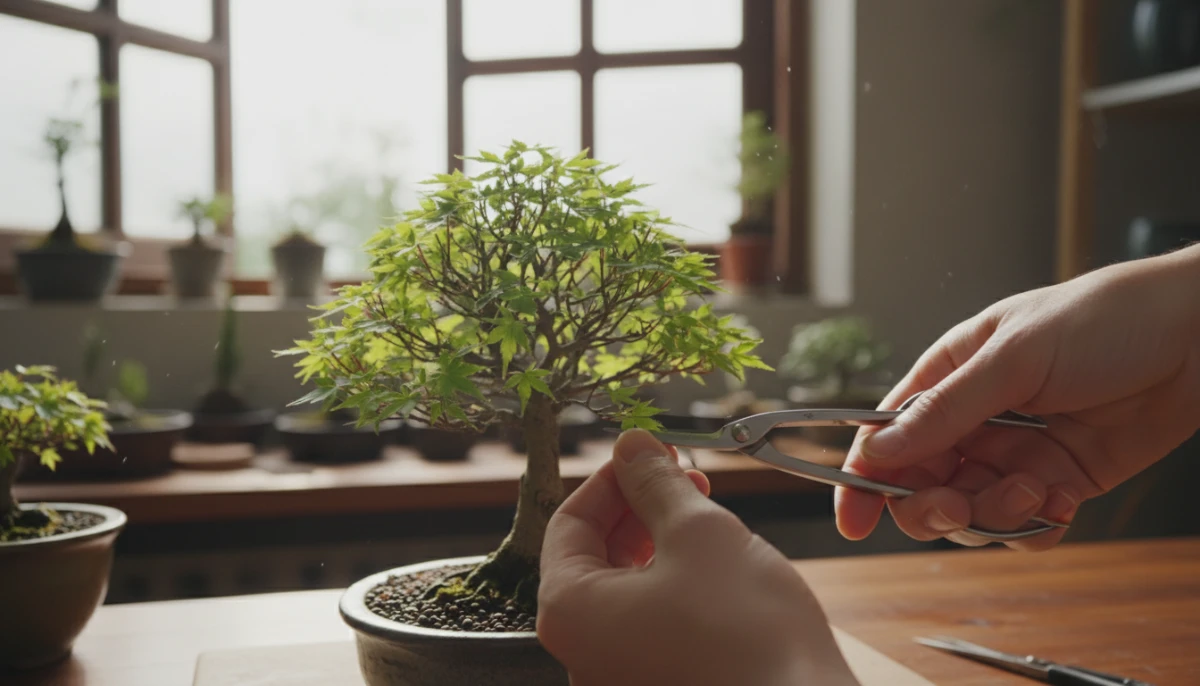
Starting Your First Bonsai Journey
Beginning your bonsai adventure is a fulfilling experience. With the right guidance and a resilient tree, you’ll find the process incredibly rewarding. Here’s how to get started on the right foot, ensuring a long and healthy life for your miniature tree.
Choosing Your First Tree
Based on the species listed above, consider your environment. Will your bonsai live indoors or outdoors? How much natural light do you have? Answering these questions will help narrow down your choice. Local nurseries and specialized bonsai shops are excellent places to find healthy specimens.
Don’t be afraid to ask for advice from the experts. They can guide you towards a tree that suits your living conditions and lifestyle. Remember, the best tree is one you will enjoy caring for. Connecting with the broader Bonsai Community & Events can also provide invaluable resources, workshops, and opportunities to learn from experienced enthusiasts.
Basic Care Essentials for New Bonsai
Once you’ve chosen your beginner bonsai tree, understanding its fundamental needs is next. Proper watering is paramount. Generally, water thoroughly when the topsoil feels dry to the touch, allowing excess water to drain completely from the pot. Avoid letting your bonsai sit in standing water.
Light is another critical factor. Most bonsai thrive in bright, indirect light. Indoor species like Ficus will appreciate a spot near a window, while outdoor species like Junipers demand full sun. Research your specific tree’s light requirements. Regular, but gentle, pruning helps maintain the desired shape and encourages dense foliage. To deepen your understanding of specific requirements for different species, consider guides like Maple Bonsai Care: Seasonal Needs & Pruning.
Fertilization provides essential nutrients. A balanced liquid fertilizer, applied during the growing season (spring to autumn), will keep your bonsai healthy. To further optimize your tree’s seasonal vitality, especially after the dormancy of winter, learning about Spring Care for Bonsai is highly recommended. Always follow the product instructions for dilution and frequency to avoid over-fertilization. Proper soil composition and good drainage are also vital for root health. Understanding these elements often goes hand-in-hand with knowing when and how to refresh your tree’s environment; consider exploring Repotting Bonsai: When, Why, and How-to for a comprehensive guide. For comprehensive guidance on these critical aspects, delve into Bonsai Soil, Fertilization & Nutrition.
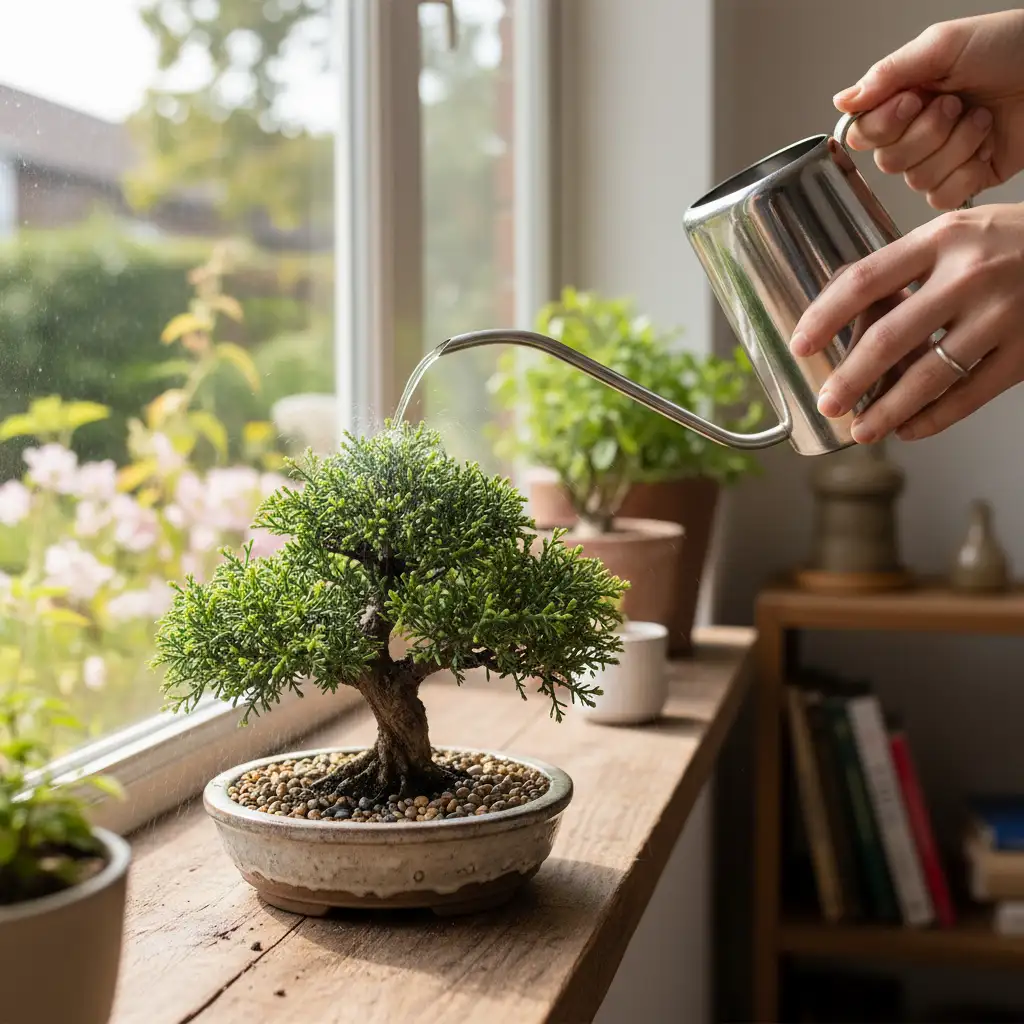
Common Beginner Mistakes and How to Avoid Them
Every bonsai enthusiast makes mistakes, especially when starting. One common error is overwatering, which can lead to root rot. To prevent this, always check the soil moisture before watering and ensure your pot has adequate drainage holes. Conversely, underwatering causes leaves to wilt and dry out. Such issues can sometimes manifest as Bonsai Branch Dieback Causes, a serious problem to avoid. Beyond watering issues, vigilance against common plant ailments is also key; consult a Bonsai Pest Identification Guide to keep your tree healthy.
Another mistake is placing your bonsai in unsuitable light conditions. Insufficient light can weaken the tree, while too much direct sun for an indoor species can scorch its leaves. Understand your chosen species’ needs and provide the appropriate light exposure. These environmental factors, if not managed, can significantly impact your tree’s well-being; learning about Environmental Stressors Affecting Bonsai Health can help you prevent many common issues.
Improper pruning or styling can also cause setbacks. Understanding various aesthetic approaches, such as the forms highlighted in Bonsai Styles Explained: Upright, Slanting, Cascade, is crucial. While resilient trees are forgiving, drastic cuts without knowledge can harm the tree’s health or aesthetic. Start with light maintenance pruning and gradually learn more advanced techniques like wire training as your confidence grows. For those ready to delve deeper into shaping their bonsai, exploring Advanced Bonsai Carving & Shaping Methods can open up new possibilities. Patience is key in the art of bonsai cultivation.
The Joy of Ongoing Learning and Community
The journey with your bonsai is a continuous learning process. Each tree has its unique personality and needs. Observe your plant closely for signs of health or stress. Reading books, watching tutorials, and visiting local bonsai exhibitions will deepen your knowledge and appreciation for this ancient art form.
Joining a local bonsai club or online forum can connect you with experienced growers. Sharing experiences, asking questions, and getting feedback on your trees can accelerate your learning and provide invaluable support. The bonsai community is often very welcoming and eager to share their passion.
With these tips and the right beginner bonsai tree, you are well on your way to enjoying a fulfilling new hobby. Embrace the learning, cherish the growth, and enjoy the peace that comes with nurturing your very own miniature landscape.