Mastering Elm Bonsai Care: Indoor vs. Outdoor Growing Strategies
Cultivating a beautiful elm bonsai tree is a rewarding journey. Whether you’re a seasoned enthusiast or just starting, understanding proper elm bonsai care is crucial for your tree’s health and longevity. This comprehensive guide will walk you through the specifics of caring for your elm, whether it thrives indoors or enjoys the great outdoors. With the right knowledge, your elm bonsai can become a stunning living sculpture, a testament to your patience and dedication.
Elm bonsai care involves specific techniques for cultivating miniature elm trees, focusing on pruning, watering, lighting, and repotting. These practices ensure the tree’s health, shape, and longevity, whether grown indoors or outdoors, adapting to environmental needs to create a beautiful living art piece.
Table of Contents
Understanding Your Elm Bonsai
Elm trees, especially the Chinese Elm (Ulmus parvifolia), are among the most popular choices for bonsai enthusiasts. Their small leaves, fine branching, and rapid growth make them ideal for training. They are resilient and adapt well to various environments, making them suitable for both beginners and experienced growers.
Knowing your specific elm species is the first step in successful elm bonsai care. While many elm varieties can be trained as bonsai, the Chinese Elm is particularly favored for its adaptability and aesthetic qualities. Its natural grace and elegant form are a joy to behold when properly cultivated. For more detailed botanical information on Chinese Elms, you can visit Wikipedia.
Why Choose an Elm Bonsai?
Elm bonsai trees offer a fantastic entry point into the world of miniature trees. They are generally forgiving of minor care mistakes, which is a huge benefit for newcomers. Their ability to thrive in both indoor and outdoor settings adds to their appeal, providing flexibility for growers with different living situations. While elm bonsai care is relatively straightforward for beginners, exploring other species like maples can broaden your expertise. For dedicated advice on cultivating different varieties, refer to Maple Bonsai Care Tips.
Beyond their resilience, elm bonsai trees develop stunning bark textures over time. This characteristic, combined with their dense canopy, creates a powerful visual impact. Many experts recommend Chinese Elms for their vigorous growth, allowing for relatively quick styling and development.
To further enrich your bonsai journey, consider connecting with fellow enthusiasts. Engaging with the broader Bonsai Community & Events or exploring Top Online Bonsai Forums and Communities can provide invaluable insights and support. You might also benefit greatly from Finding Local Bonsai Clubs and Societies, where experienced members can offer guidance tailored to your region.

Essential Elm Bonsai Care Tips
Proper care is the cornerstone of a healthy elm bonsai. From watering techniques to light exposure, each element plays a vital role. For a broader perspective on essential seasonal practices, especially those vital for optimal growth, delve into our guide on Spring Care for Bonsai. Following these guidelines will ensure your elm bonsai flourishes, whether it’s kept indoors or outdoors. Consistency is key, and observing your tree’s specific needs will guide your routine.
Watering Your Elm Bonsai
Watering is perhaps the most critical aspect of elm bonsai care. Elms prefer consistently moist, but not waterlogged, soil. Check the soil daily by feeling the top inch. If it feels dry, it’s time to water thoroughly until water drains from the bottom of the pot. Adjust watering frequency based on climate, season, and whether your tree is indoors or out. For specific challenges in hot climates, such as the Australian summer, refer to Watering Bonsai In Australian Summer.
During warmer months or if your bonsai is outdoors, you might need to water once or even twice a day. In cooler periods or indoors, the soil will dry out slower. Always use a watering can with a fine rose to avoid displacing the soil. Ensuring proper drainage is as important as the watering itself.
Light Requirements
Elm bonsai trees thrive in bright, indirect light. If kept indoors, place your tree near a window that receives ample light, ideally east or west-facing. For situations where natural light is insufficient, understanding Bonsai Grow Lights: Choosing the Right Spectrum can be critical for maintaining your tree’s health. Avoid direct, intense afternoon sun, especially through glass, as it can scorch the leaves.
Outdoor elm bonsai can tolerate more direct sun, but partial shade during the hottest part of the day is beneficial. Insufficient light can lead to leggy growth and weakened foliage. Rotate your tree periodically to ensure all sides receive adequate light exposure for even growth.
Soil and Repotting
A well-draining soil mix is essential for elm bonsai. A good mix typically includes akadama, pumice, and lava rock, often with a small amount of organic compost. This mix ensures proper aeration and drainage while retaining enough moisture for the roots. If you’re also interested in specialized care, insights into Soil & Fertilization for NZ Native Bonsai: Custom Blends & Feeding can provide further valuable information.
Repot your elm bonsai every two to three years, preferably in early spring. This allows you to prune the roots and refresh the soil. Remove about one-third of the old root mass. Use a high-quality bonsai soil mix to encourage strong root development and overall tree health. Regular repotting keeps the root system compact and healthy.
Pruning and Shaping
Pruning is vital for maintaining the desired shape and promoting dense foliage. Regular pinching and trimming of new growth will encourage branching. For structural pruning, use sharp concave cutters to remove unwanted branches without leaving unsightly stubs.
Elm bonsai trees respond very well to pruning, quickly sprouting new shoots. You can also use wiring techniques to guide branches into specific positions, but be careful not to let the wire bite into the bark. Remove wire before it constricts growth. Seasonal pruning helps define the tree’s silhouette and keeps it in proportion. These general techniques form the foundation, though specialized approaches exist for diverse flora. For instance, while elm pruning techniques are discussed here, you might be interested in specific methods for other species, such as Oak Bonsai Pruning Techniques. You can also delve deeper into specific methods for local species through resources like Wiring & Pruning NZ Natives: Shaping for Optimal Health & Aesthetics.
Fertilization
Feed your elm bonsai regularly during the growing season (spring through fall). Use a balanced liquid fertilizer diluted to half strength, or a slow-release granular fertilizer. For a comprehensive guide on Bonsai Soil, Fertilization & Nutrition, explore our resources. Reduce or stop fertilizing during winter when the tree’s growth slows.
Over-fertilization can harm your tree, so always follow product instructions. Consistent, moderate feeding supports vigorous growth and helps your elm bonsai develop strong, vibrant foliage. Observe your tree’s response to fertilization and adjust as needed.
Pest and Disease Management
Elm bonsai, like all plants, can occasionally encounter pests or diseases. Common issues include aphids, spider mites, or fungal problems. Regularly inspect your tree’s leaves and bark for any signs of trouble. Early detection is key to effective treatment. For environmentally friendly solutions, consider exploring Natural Pest Control for Bonsai Trees. Use organic pesticides or horticultural oils for minor infestations, and ensure good air circulation to prevent fungal growth.
- Check soil daily: Water when the top inch is dry.
- Provide bright light: Avoid direct afternoon sun indoors.
- Repot every 2-3 years: Use well-draining bonsai soil.
- Prune regularly: Shape and encourage new growth.
- Fertilize during growth: Use a balanced, diluted fertilizer.
- Monitor for pests: Early detection is key to prevention.

Indoor Elm Bonsai Growing
Growing an elm bonsai indoors offers the joy of having nature close by, but it comes with specific challenges. While Chinese Elms are well-suited for indoor life, replicating their natural outdoor conditions is vital. The key lies in managing light, humidity, and airflow to prevent common issues that can arise in artificial environments.
Managing Indoor Humidity
Indoor environments often lack the humidity elm trees naturally prefer. Low humidity can lead to dry leaf tips and increased susceptibility to pests. To counteract this, place your bonsai on a humidity tray filled with pebbles and water, ensuring the pot does not sit directly in the water. Regular misting can offer temporary relief, but a small room humidifier is the most effective solution, especially during dry winter months.
Indoor Light and Temperature
An indoor elm bonsai needs plenty of bright, indirect light. A south-facing window can be ideal, but protect the tree from intense midday sun with sheer curtains. East or west-facing windows also work well. If natural light is insufficient, consider using supplemental LED grow lights for 10-12 hours a day. Maintain a stable room temperature, ideally between 60-75°F (15-24°C), and protect your tree from sudden drafts from vents or open windows.
Airflow for Indoor Elms
Good air circulation is crucial for preventing fungal diseases and pest infestations. In stagnant indoor environments, it’s beneficial to periodically open a window to allow fresh air in or use a small fan on a low setting pointed away from the tree to gently circulate air. This mimics the natural breeze your elm would experience outdoors.

Outdoor Elm Bonsai Hardiness
While elm bonsai can thrive indoors, many varieties, especially Chinese Elms, benefit greatly from spending time outdoors. The natural cycles of light, temperature, and humidity promote stronger growth, smaller leaves, and better overall health. Understanding their hardiness is key to successful outdoor cultivation.
Seasonal Considerations Outdoors
Outdoor elm bonsai require seasonal adjustments. During spring and summer, they benefit from ample sunlight, though protection from intense afternoon sun in very hot climates can prevent leaf scorch. Fall brings cooler temperatures, signaling the tree to prepare for dormancy. This natural dormancy period is essential for deciduous elms to rest and store energy for the next growing season.
Winter Protection for Outdoor Elms
Most elm bonsai varieties are temperate trees, meaning they need a period of cold dormancy. However, their shallow root systems in bonsai pots are more vulnerable to freezing than trees planted in the ground. Protect outdoor elms from hard freezes by moving them into an unheated garage, shed, or cold frame when temperatures consistently drop below freezing. Ensure the soil remains slightly moist during dormancy, but avoid overwatering.
Exposure to Elements
Outdoors, elm bonsai are exposed to natural rainfall, wind, and varying light conditions. While gentle rain is beneficial, strong winds can dry out the soil quickly and damage delicate branches. Position your tree in a sheltered spot if strong winds are expected. The natural progression of seasons and weather patterns contributes to the robust development and characteristic appearance of outdoor-grown bonsai.
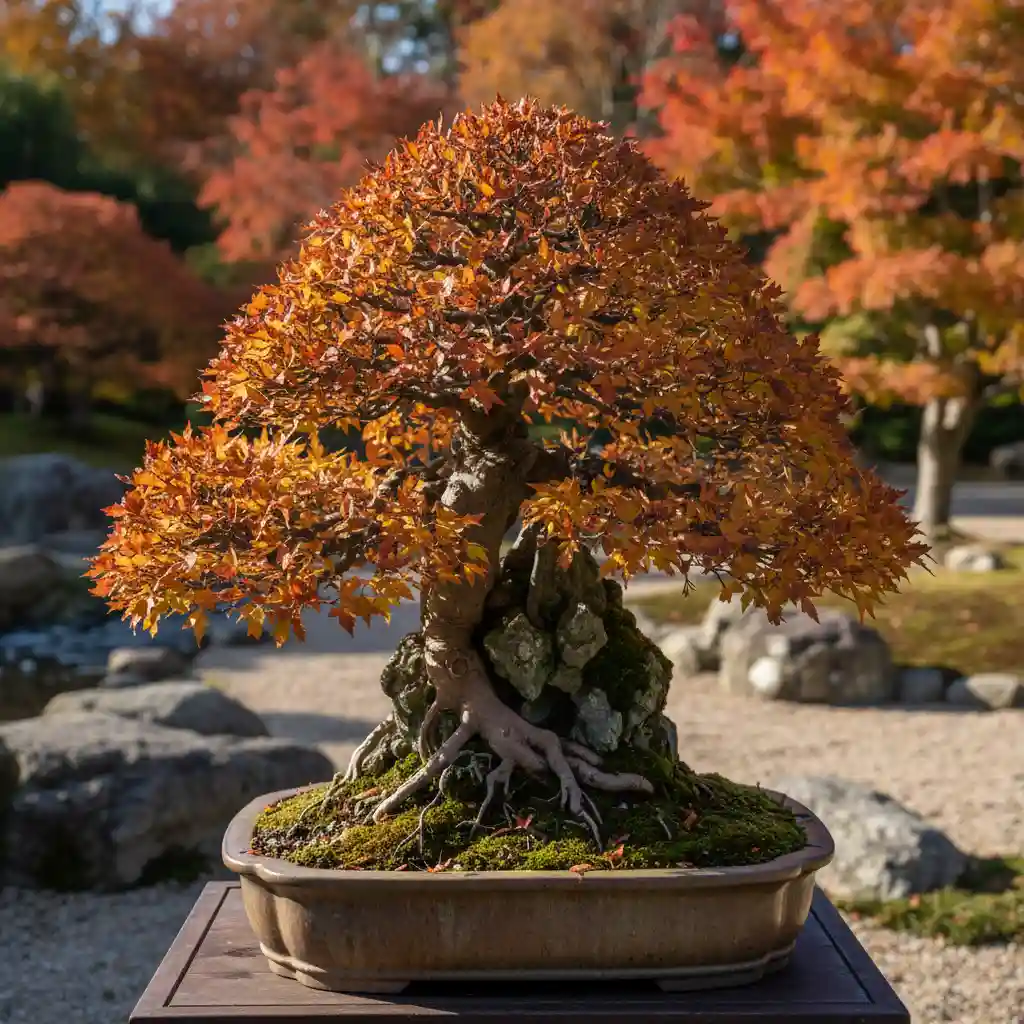
Advanced Tips for a Thriving Elm Bonsai
Once you’ve mastered the basics of elm bonsai care, you can explore more advanced techniques to refine your tree’s aesthetic and health. These methods help create a truly remarkable and individualized living art piece.
Styling and Aesthetic Refinement
Elm bonsai are versatile for various styling forms, including informal upright, slanting, and semi-cascade. Focus on developing a strong nebari (root flare) and a tapering trunk for a sense of age and stability. Continuously refine branch placement and pad development through careful pruning and wiring. Aim for a harmonious balance that reflects natural tree forms.
Trunk Thickening and Maturation
To achieve a thicker trunk, some growers cultivate their elm bonsai in larger pots or even in the ground for several years before transferring them back to a bonsai pot. Allowing the tree to grow freely for a period, with minimal pruning, can accelerate trunk development. Once the desired thickness is achieved, the intensive training and miniaturization process can resume.
Continuous Observation
The most advanced tip for any bonsai enthusiast is continuous, attentive observation. Your tree communicates its needs through its leaves, bark, and growth patterns. Learning to ‘read’ your tree—noticing subtle changes in color, texture, or vigor—will enable you to anticipate problems and adjust your care routine proactively. This deep connection makes the bonsai journey truly rewarding.

Conclusion
Mastering elm bonsai care, whether for indoor elegance or outdoor hardiness, is a journey of continuous learning and deep satisfaction. By diligently applying proper watering, lighting, feeding, and pruning techniques, you can ensure your elm bonsai flourishes. Embrace the nuances of both indoor and outdoor cultivation, and watch your miniature tree evolve into a stunning testament to nature’s beauty and your dedication.