Southern Hemisphere Bonsai Care
Master Southern Hemisphere bonsai care with our expert guide. Learn seasonal watering, feeding, pest control, and environmental protection tailored for our unique climates.
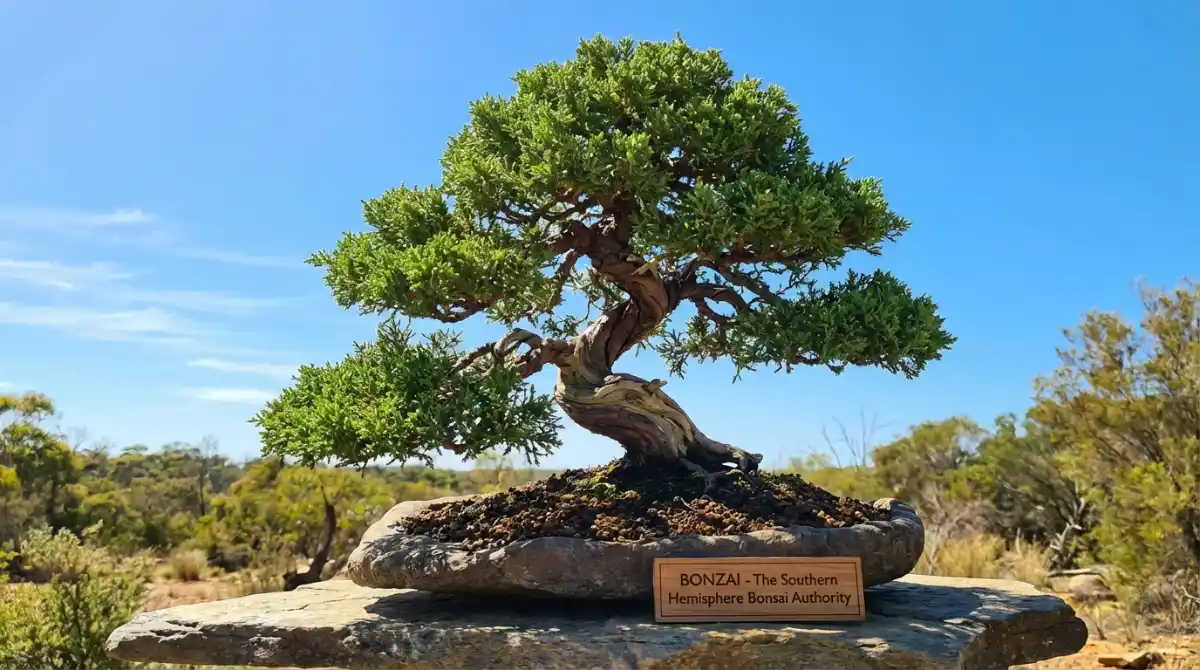
bonzai.co.nz
What You Will Learn
Master Southern Hemisphere bonsai care with our expert guide. Learn seasonal watering, feeding, pest control, and environmental protection tailored for our unique climates.
For too long, bonsai enthusiasts in the Southern Hemisphere have had to adapt care guides written for their Northern counterparts. This often leads to confusion and suboptimal results, as our seasons are fundamentally reversed. At Bonzai, we understand these unique challenges. This comprehensive Southern Hemisphere bonsai care guide is specifically crafted to help you cultivate thriving miniature trees, aligning your practices with our distinct seasonal rhythms. Whether you’re battling scorching summers or mild winters, mastering these nuances is key to your bonsai’s health and longevity.
Forget everything you thought you knew about traditional spring-to-winter care; it’s time to recalibrate your approach to suit our sun-drenched summers and often gentle winters. We’ll delve into the specific requirements for watering, feeding, pest management, and environmental protection, all tailored for our unique climate. Prepare to empower your bonsai journey with expert knowledge from the Southern Hemisphere’s leading authority.
Table of Contents
- Understanding Southern Hemisphere Seasons for Bonsai
- Watering & Feeding: The Lifeblood of Your SH Bonsai
- Pest & Disease Management: Localised Solutions
- Environmental Factors & Protection: Nurturing Your Bonsai
- Southern Hemisphere Bonsai Care Action Checklist
- Frequently Asked Questions (FAQ)
- References & Sources
Understanding Southern Hemisphere Seasons for Bonsai
The most crucial difference for Southern Hemisphere bonsai enthusiasts is the seasonal reversal. While Northern growers are preparing for dormancy in autumn, we are gearing up for the vigorous growth of spring. This reversal impacts every aspect of bonsai care, from pruning schedules to fertilisation regimens and pest susceptibility.
Our summer, from December to February, can be intensely hot and dry in many regions, demanding vigilant watering and protection from extreme sun. Conversely, our winters (June-August) are often milder, which can mean a less profound dormancy for some species, yet still requires protection from cold snaps and frosts. Understanding these fundamental shifts is the bedrock of successful Southern Hemisphere bonsai care.
Watering & Feeding: The Lifeblood of Your SH Bonsai
Water and nutrients are the pillars of bonsai health. The quantity and frequency depend entirely on the season, the species, the pot size, and even the local microclimate. Always remember the mantra: check your soil before you water. Feel the top inch of the soil; if it’s dry, it’s likely time to water.
Spring (September – November)
Spring is a period of explosive growth. As temperatures rise and daylight hours extend, your bonsai will emerge from its winter slumber.
Watering in Spring:
Increase watering frequency as the days warm up. The goal is to keep the soil consistently moist but never waterlogged. You might find yourself watering daily, or even twice a day, on warmer, windy days.
Feeding in Spring (Step-by-Step):
- Start Gradual: Begin feeding with a diluted liquid fertiliser (e.g., half-strength) as new growth appears.
- Increase Strength: Over a few weeks, increase to full strength as the tree shows robust growth.
- Choose Balanced Fertiliser: Opt for a balanced NPK fertiliser (e.g., 20-20-20) or one slightly higher in nitrogen for foliage growth.
- Frequency: Apply liquid fertiliser every 1-2 weeks, or use slow-release organic pellets that break down over time.
- Monitor Response: Observe your tree’s reaction. If leaves yellow or growth seems weak, adjust feeding.
Summer (December – February)
Our summers can be brutal. Intense heat and strong sunlight demand meticulous attention to watering to prevent dehydration.
Watering in Summer:
This is when your watering vigilance peaks. Many bonsai will require watering once, or even multiple times, daily. In extreme heatwaves, consider misting foliage (early morning or late evening) or placing pots on humidity trays. Never let your bonsai’s soil dry out completely in summer.
Feeding in Summer:
Continue with a balanced fertiliser. You may reduce the frequency slightly during the hottest periods to avoid stressing the roots, but don’t stop entirely, especially for actively growing species. Apply early morning or late evening to prevent leaf burn from fertilisers.

Autumn (March – May)
Autumn is a time of preparation. Deciduous trees will begin to colour, and all species slow their growth in anticipation of winter.
Watering in Autumn:
Gradually reduce watering frequency as temperatures cool. The soil will retain moisture for longer. Continue to check soil moisture, but expect to water less often than in summer.
Feeding in Autumn:
Transition to a fertiliser lower in nitrogen and higher in phosphorus and potassium (e.g., 5-10-10 or ‘bloom’ fertiliser). This promotes root development and hardens the tree for winter. Stop feeding completely for deciduous species once their leaves begin to drop. For evergreens, continue a reduced feeding schedule.
Winter (June – August)
Many Southern Hemisphere winters are mild, but protection from frost is paramount.
Watering in Winter:
Water sparingly. Your bonsai needs just enough water to prevent the soil from drying out completely. Overwatering in winter, especially when trees are dormant, is a leading cause of root rot. Water only on warmer days, allowing the soil to dry significantly between waterings.
Feeding in Winter:
Cease all feeding for deciduous trees and most evergreens. Fertilising a dormant tree can be detrimental. Only cold-hardy evergreens that show active winter growth in very mild climates might receive a very diluted, low-nitrogen feed, but this is generally not recommended for the average enthusiast.
Pest & Disease Management: Localised Solutions
Bonsai, like any plant, are susceptible to pests and diseases. Regular inspection is your best defence. Early detection makes control much easier. The Southern Hemisphere has its own array of common pests, though many are global.
Common Southern Hemisphere Bonsai Pests:
- Aphids: Small, soft-bodied insects clustering on new growth, causing distorted leaves. Treat with insecticidal soap or neem oil.
- Scale Insects: Tiny, immobile bumps on stems and leaves, sucking sap. Scrape off or treat with horticultural oil.
- Spider Mites: Microscopic pests thriving in hot, dry conditions, causing fine webbing and speckled leaves. Increase humidity and use miticides.
- Mealybugs: White, cottony masses found in crevices. Dab with alcohol or use insecticidal soap.
- Caterpillars/Leaf Rollers: Chewing insects. Hand-pick or use biological controls like Bt (Bacillus thuringiensis).
Disease Prevention:
Good air circulation, proper watering, and healthy soil are your best preventative measures against fungal diseases. If fungal spots or root rot appear, isolate the tree, prune affected parts, and apply appropriate fungicides if necessary. Always sterilise tools between uses.

Environmental Factors & Protection: Nurturing Your Bonsai
Beyond watering and feeding, ambient conditions play a critical role in your bonsai’s health, particularly in the diverse climates of the Southern Hemisphere.
Sunlight Requirements:
Most bonsai thrive in direct sunlight for at least 4-6 hours daily, especially during spring and autumn. However, in the intense Southern Hemisphere summer sun, some species (especially maples and azaleas) may benefit from partial shade during the hottest part of the day to prevent leaf scorch. Deciduous trees preparing for dormancy also appreciate full sun in autumn to develop vibrant colours.
Wind Protection:
Strong winds can quickly dehydrate a bonsai, especially those in shallow pots. They can also cause physical damage to delicate branches. Position your bonsai in a sheltered location or use windbreaks, particularly during windy spring growth spurts or dry summer periods.
Frost Protection (Winter):
Even in generally mild Southern Hemisphere winters, unexpected cold snaps and frosts can occur. Protect temperate species by moving them to an unheated garage, shed, or under a veranda overnight when frost is predicted. Tropical and sub-tropical species must be brought indoors to a well-lit location, away from drafts and heating vents.
Heat Stress (Summer):
The intense Southern Hemisphere summer heat can cause significant stress. Ensure adequate airflow, place heat-sensitive species in afternoon shade, and consider placing pots on a layer of gravel that you keep moist to increase local humidity. Never let the pot or root ball overheat.