Advanced Bonsai Carving & Shaping Methods
Unlock the secrets of exquisite bonsai carving to transform ordinary trees into living masterpieces. This guide explores advanced techniques for shaping your bonsai with precision and artistry.
Whether you’re new to the art or an experienced enthusiast, mastering bonsai carving can elevate your trees to new levels of beauty. Dive into the world of creative design and intricate detailing.
Advanced Bonsai Carving & Shaping Methods are intricate techniques to sculpt deadwood elements like jins (stripped branches) and sharis (barkless trunks). This art transforms trees into artistic masterpieces, enhancing their apparent age and natural beauty through precise tool use and an artistic vision for compelling aesthetics.
Table of Contents
Bonsai carving is an ancient and revered art form, allowing enthusiasts to sculpt and define the deadwood elements of their trees. This intricate process creates the appearance of age, weathering, and dramatic natural events, adding immense character and story to each specimen. It’s a key technique for achieving the desired aesthetic in many styles of bonsai. To understand more about the history and philosophy of this art, visit the Wikipedia page on Bonsai.
Our experts have gathered the latest insights and techniques to help you master these essential methods, ensuring your trees stand out in any collection. For those eager to connect with fellow enthusiasts and stay updated on local happenings, exploring the Bonsai Community & Events is a great next step.

Exploring Power Carving Techniques for Bonsai
Power carving tools have revolutionized the way bonsai artists approach deadwood creation. These tools, such as high-speed rotary tools with specialized bits, allow for efficient removal of wood, intricate detailing, and the creation of deep, dramatic features that would be difficult or impossible with hand tools alone. They are indispensable for large projects and initial shaping.
When using power tools for bonsai carving, safety is paramount. Always wear eye protection, a dust mask, and gloves. Start with lower speeds and gradually increase as you gain control. Experiment on practice wood before working on your precious bonsai. Different bits offer various textures and cutting capabilities, from coarse removal to fine sanding.
Consider the natural flow of the wood grain and the overall design you envision for your tree. Power tools help create the illusion of natural damage, like lightning strikes or harsh winds, giving your bonsai an ancient, weathered appearance. This aggressive yet precise approach sets the foundation for detailed refinement later on.
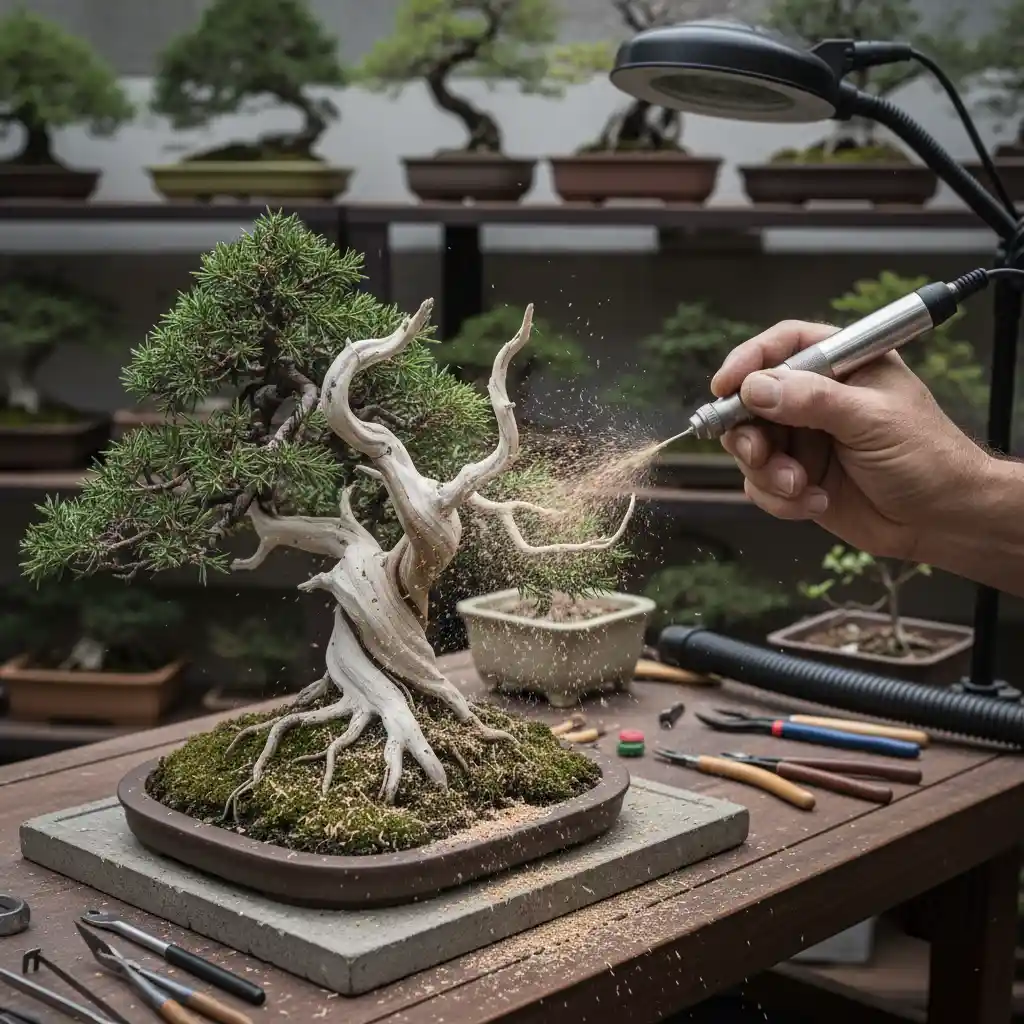
Key Power Carving Tips
- Choose the Right Bits: Utilize various burrs (e.g., carbide, diamond, steel) for different cutting actions and finishes.
- Work in Layers: Gradually remove wood, constantly assessing the shape and depth. Avoid removing too much too quickly.
- Mimic Nature: Observe deadwood in nature for inspiration on patterns, splits, and erosion.
- Ventilation is Crucial: Ensure good airflow to minimize dust inhalation.
Mastering Hand Tools for Precise Bonsai Shaping
While power tools are excellent for initial work, hand tools are indispensable for the delicate, precise, and artistic refinement of bonsai deadwood. For a deeper dive into selecting the right equipment for all your styling needs, explore Choosing the Best Bonsai Tools for Styling. Chisels, gouges, knob cutters, and specialized jin pliers allow artists to add fine details, smooth transitions, and create natural-looking textures that power tools often cannot achieve. This meticulous approach defines the true artistry of bonsai carving.
Hand tools are perfect for shaping smaller jins, refining the edges of sharis, and creating subtle nuances in the wood. They allow for a more intuitive and controlled feel, enabling the artist to respond to the natural characteristics of the wood. The goal is to make the carved areas look as if they were sculpted by nature itself, not by human hands.
Proper sharpening and maintenance of your hand tools are vital. Sharp tools make clean cuts, reduce splintering, and are safer to use. Learning to use various angles and pressures will open up a world of textural possibilities, from smooth, weathered surfaces to jagged, broken edges. This careful attention to detail is what separates good bonsai from truly exceptional ones.
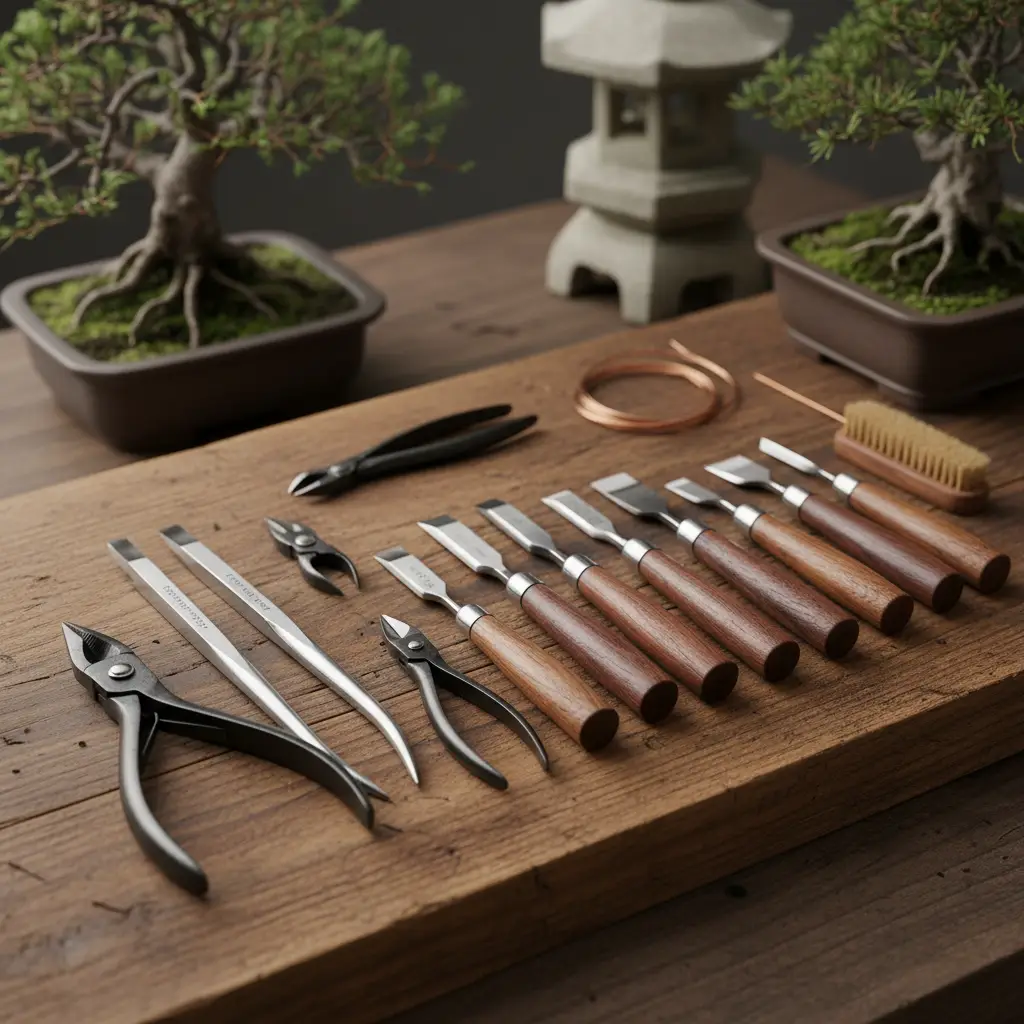
Essential Hand Tools for Carving
- Chisels and Gouges: For removing wood, creating defined edges, and sculpting concave areas.
- Jin Pliers: Specifically designed for stripping bark to create jins and manipulating deadwood.
- Knob Cutters: Useful for removing small branches cleanly, which can then be carved.
- Wire Brushes: For cleaning carved areas and revealing grain after initial carving.
- Detail Files and Sandpaper: For fine-tuning surfaces and smoothing edges.
Refining Your Bonsai Tree’s Overall Structure
Bonsai carving is not just about the deadwood; it’s about integrating these elements harmoniously with the living parts of the tree. The goal is to create a cohesive design where the living veins flow naturally alongside the carved features, telling a story of endurance and beauty. This holistic approach ensures the tree has balance and visual appeal from every angle. For those looking to present their masterpieces, discovering Inspirational Bonsai Display Ideas & Setups can further enhance their trees’ presentation. Complementing these display ideas, the Bonsai Pot Selection Guide: Material, Size, Drainage offers crucial insights into choosing the perfect vessel.
After the initial carving and shaping, the refinement stage focuses on bringing out the character and depth of your design. This includes applying liming sulfur to whiten and preserve deadwood, treating cuts to prevent decay, and making final adjustments to branch placement and foliage pads. The interaction between living and dead elements is crucial for a compelling bonsai.
Consider the long-term health and aesthetics of your tree. Early detection and resolution of common issues, such as those addressed in Yellow Leaves Bonsai Fix, are vital. For general care practices, particularly during critical seasons, explore Spring Care for Bonsai SH. Proper sealing and preservation of deadwood are essential to prevent rot and maintain its beauty for years to come.
Beyond carving and shaping, the overall health of your bonsai is paramount. A healthy root system supported by the right growing medium is crucial for the tree’s vitality and ability to recover from styling. To learn more about optimizing your tree’s foundation, consider exploring Bonsai Soil Reviews: Akadama, Pumice, Lava Rock. For a comprehensive guide on nurturing your tree’s foundation and long-term vitality, including details on optimizing your Bonsai Fertilization Schedule, delve into Bonsai Soil, Fertilization & Nutrition.
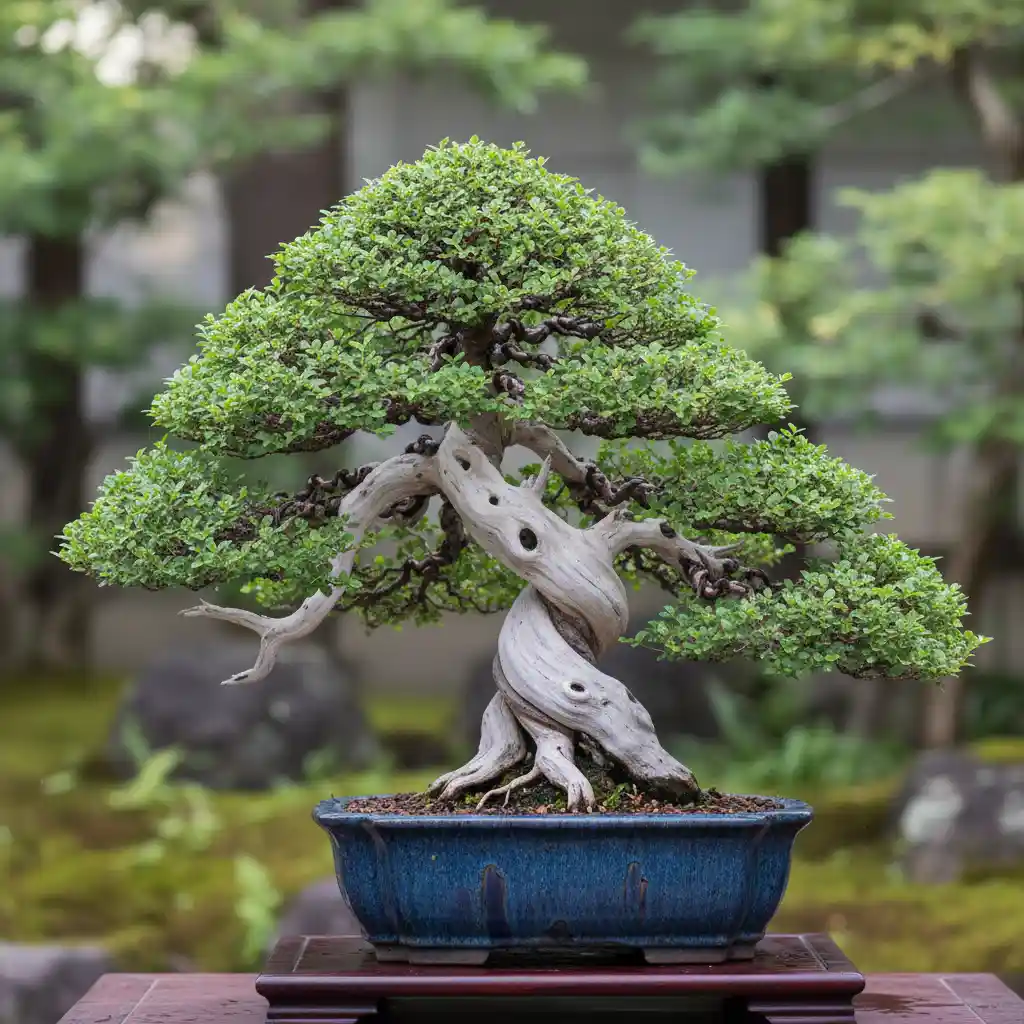
The journey of bonsai carving and shaping is a continuous one. Trees evolve, and so too should your artistic approach. Regular observation, Bonsai Pruning for Shape and Health, and thoughtful adjustments to Wiring Techniques for Bonsai Branches (for example, learning How To Wire Totara Bonsai) or carving will ensure your bonsai continues to mature gracefully.
Ultimately, the goal is to create a bonsai that tells a story—a narrative of resilience, age, and natural beauty. Whether through the dramatic sweep of a jin, the stark contrast of shari, or the delicate interplay of foliage, every element contributes to the overall masterpiece. Dedication to these advanced methods not only transforms your trees but also deepens your connection to this ancient and rewarding art form.
Continuous Learning in Bonsai Art
- Study Nature: Continuously observe trees in their natural environment to draw inspiration for your designs and carving techniques.
- Attend Workshops: Learn from experienced bonsai masters to refine your skills and discover new approaches to carving and styling.
- Document Your Progress: Keep records and photos of your bonsai’s development. This helps track changes and informs future design decisions.
- Join a Community: Engage with other bonsai enthusiasts. Sharing experiences and insights can greatly accelerate your learning and artistic growth.