New Zealand Native Bonsai Species
Discover specific NZ native bonsai species care in this comprehensive guide. Learn about unique flora, ethical collection, styling, and community engagement for thriving Aotearoa bonsai.

bonzai.co.nz
What You Will Learn
Discover specific NZ native bonsai species care in this comprehensive guide. Learn about unique flora, ethical collection, styling, and community engagement for thriving Aotearoa bonsai.
Guide to NZ Native Bonsai Species Care: Unlocking Aotearoa’s Arboreal Art
Step into the fascinating world of NZ native bonsai, where the ancient art of miniature tree cultivation meets the unique biodiversity of New Zealand. Aotearoa’s distinctive flora offers a rich tapestry of species perfect for bonsai, each with its own character and story. This guide delves into specific New Zealand native bonsai species, offering insights into their potential, care, and the unique challenges and rewards of working with these remarkable trees. Whether you’re a seasoned enthusiast or a curious beginner, prepare to discover the exquisite beauty and intricate care required to transform a piece of New Zealand’s natural heritage into a living sculpture.
Table of Contents
- Introduction to New Zealand Native Bonsai
- New Zealand’s Unique Flora and Bonsai Potential
- Popular NZ Native Bonsai Species: A Comparative Guide
- Ethical Collection of Wild Stock (Yamadori)
- Cultural Significance of NZ Native Bonsai
- Specific Training & Styling for NZ Native Trees
- Climate Zones & Microclimates for NZ Native Bonsai
- The NZ Bonsai Community & Events
- Frequently Asked Questions (FAQ)
- References & Further Reading
Introduction to New Zealand Native Bonsai
The practice of bonsai in New Zealand is gaining significant traction, with a growing appreciation for the country’s indigenous plant life. Unlike traditional Japanese or Chinese species, NZ native bonsai offers a distinct aesthetic rooted in the land’s geological history and unique evolutionary path. These trees, often slow-growing and naturally compact, possess qualities that translate beautifully into the bonsai art form, from gnarled trunks to delicate foliage.
This article serves as your definitive guide to cultivating specific New Zealand native bonsai species, focusing on practical care techniques, ethical considerations, and how to harness their inherent beauty. We aim to equip you with the knowledge to grow thriving native bonsai, respecting both the art and the environment.
New Zealand’s Unique Flora and Bonsai Potential
New Zealand’s isolation has resulted in a flora largely endemic to its shores, with around 80% of its native plants found nowhere else on Earth. This botanical distinctiveness is a goldmine for bonsai enthusiasts. Many native species exhibit naturally small leaves, dense branching, and incredible resilience, making them ideal candidates for miniaturisation.
Species like Pohutukawa, Totara, and Kawakawa possess characteristics such as interesting bark textures, vibrant flowers, or unique leaf structures that bring a truly ‘Kiwi’ character to bonsai. Their adaptability to various climatic conditions, often reflecting their natural habitat, makes specific NZ native bonsai care both rewarding and challenging.
Popular NZ Native Bonsai Species: A Comparative Guide
Choosing the right species is crucial for successful NZ native bonsai. Here’s a comparative overview of some popular choices:
| Species | Botanical Name | Key Characteristics | Bonsai Suitability | Care Level |
|---|---|---|---|---|
| Pohutukawa | Metrosideros excelsa | Evergreen, vibrant red flowers, gnarled trunks, aerial roots. | Excellent; compact growth, responds well to pruning, iconic look. | Moderate; needs good light, frost tender. |
| Totara | Podocarpus totara | Large conifer, reddish-brown bark, small needle-like leaves, extremely long-lived. | Very Good; fine foliage, good ramification, classic upright forms. | Easy; hardy, adaptable, prefers consistent moisture. |
| Kawakawa | Macropiper excelsa | Shrub, heart-shaped leaves, distinctive holes from insects, medicinal. | Good; unique leaf shape, responds well to leaf reduction and wiring. | Easy; prefers shaded, moist conditions. |
| Manuka / Kanuka | Leptospermum scoparium / Kunzea ericoides | Small tree/shrub, tiny leaves, profuse white/pink flowers, rugged bark. | Excellent; natural miniature appearance, great flowering potential. | Moderate; susceptible to root rot if overwatered, good drainage essential. |
Ethical Collection of Wild Stock (Yamadori)
While collecting wild stock (Yamadori) can provide incredibly characterful material for NZ native bonsai, it is paramount to adhere to strict ethical and legal guidelines. Unauthorised or irresponsible collection can devastate fragile ecosystems and is often illegal.
“True stewardship of nature involves respecting its integrity, even when engaging in an art form that transforms its elements.” – Aotearoa Bonsai Society Statement
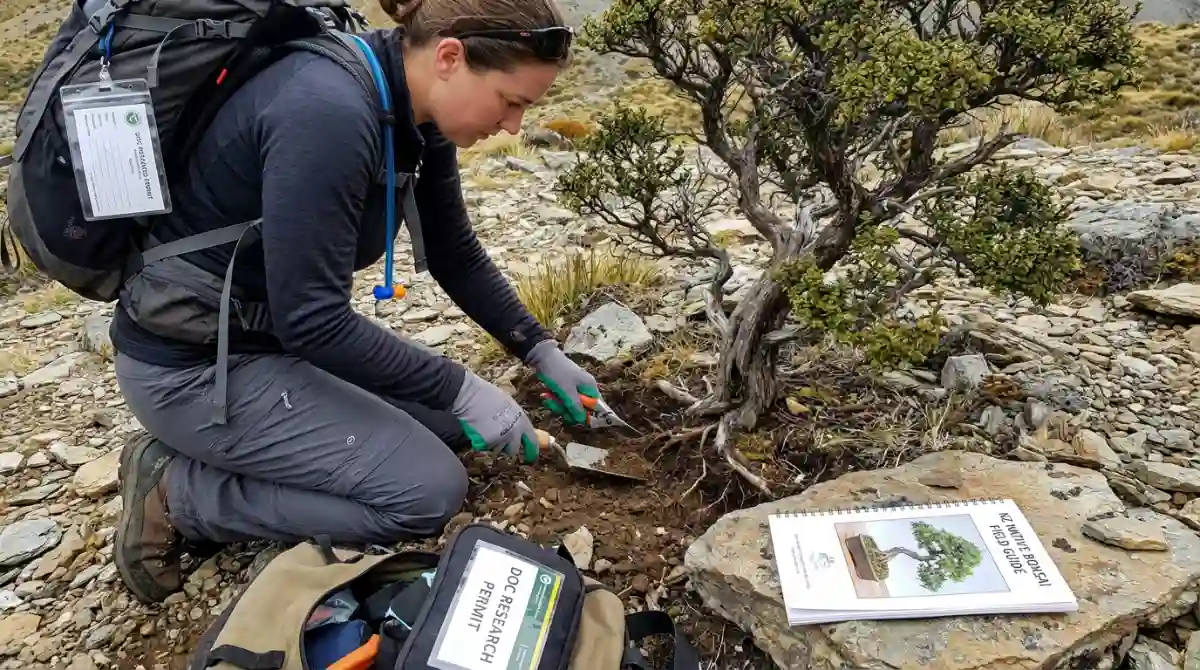
Action Checklist for Ethical Yamadori:
- Seek Permission: Always obtain explicit permission from the landowner (private or governmental) before entering any property or collecting plant material. Public conservation land usually prohibits collection.
- Identify Correctly: Be absolutely certain of the species to avoid collecting protected or endangered plants.
- Sustainable Harvesting: Never take all available plants from one area. Leave ample stock for regeneration. Only collect what you can realistically care for.
- Minimise Impact: Dig carefully to preserve the roots and surrounding environment. Backfill any holes to prevent erosion.
- Tools & Preparation: Use appropriate tools to ensure clean cuts and root preservation. Prepare your pots and soil for immediate repotting upon return.
- Prioritise Survival: Choose specimens that have the best chance of survival after collection, often those growing in harsh, exposed conditions.
Cultural Significance of NZ Native Bonsai
For many in New Zealand, the art of bonsai takes on an added layer of meaning when working with native species. It’s a way to connect with the land, known as ‘whenua’, and to celebrate the unique heritage of Aotearoa. Incorporating NZ native bonsai into one’s practice can be a deeply personal journey, reflecting themes of guardianship (kaitiakitanga) and respect for the natural world.
The gnarled forms of ancient Totara or the resilient character of a Manuka can evoke stories of endurance and adaptation, resonating with Māori cultural narratives. Displaying a native bonsai often feels like showcasing a living piece of New Zealand’s soul.
Specific Training & Styling for NZ Native Trees
Training NZ native bonsai requires an understanding of each species’ growth habits. While general bonsai principles apply, natives often benefit from specific approaches tailored to their unique characteristics.

Step-by-Step: Mastering Seasonal Pruning for NZ Natives
- Understand Species-Specific Growth: Research your chosen species. Some natives, like Pohutukawa, respond well to hard pruning, while others, like delicate Hebes, prefer light trimming.
- Structural Pruning (Winter Dormancy for Deciduous, Late Winter for Evergreens): For broadleaf evergreens (most NZ natives), late winter/early spring, just before new growth, is ideal. Remove unwanted branches, crossing branches, or those growing inwards. Aim to establish the primary branch structure.
- Maintenance Pruning (Throughout Growing Season): Once new shoots extend, prune them back to 1-2 sets of leaves to encourage ramification (finer branching). This is crucial for dense foliage pads.
- Pinching (Spring/Summer): For very vigorous species, pinch out the tips of new shoots to redirect energy and promote back-budding.
- Defoliation (Rarely for Natives): Full defoliation is generally not recommended for many NZ natives as it can stress them unduly. Partial defoliation or leaf reduction techniques may be considered for specific broadleaf species if necessary for ramification or to reduce leaf size, but proceed with caution.
- Post-Pruning Care: Ensure adequate watering and protection from extreme weather after pruning. Consider applying a weak liquid fertiliser to encourage recovery and new growth.
Climate Zones & Microclimates for NZ Native Bonsai
New Zealand’s diverse geography creates a wide range of climate zones, from subtropical Northland to alpine regions. When cultivating NZ native bonsai, understanding these zones and your local microclimate is essential for optimal health.
Many coastal natives, like Pohutukawa, are frost-tender and thrive in warmer, humid conditions. Inland or mountain species, such as some Totara varieties, are more tolerant of colder temperatures. Assess your specific location’s sunlight, wind exposure, humidity, and temperature extremes. Creating a sheltered microclimate, even in a small backyard, can make a significant difference to the health and vigour of your native bonsai, protecting them from harsh winds or unexpected frosts.

The NZ Bonsai Community & Events
The bonsai community in New Zealand is vibrant and welcoming, offering invaluable resources for those passionate about NZ native bonsai. Local clubs provide opportunities to learn from experienced practitioners, share knowledge, and participate in workshops and exhibitions.
The New Zealand National Bonsai Convention, held biennially, is a highlight, attracting international artists and showcasing stunning examples of native and exotic bonsai. Engaging with the community is one of the best ways to deepen your understanding of specific NZ native bonsai care and find inspiration for your own living art.

Frequently Asked Questions (FAQ) About NZ Native Bonsai
What are the best NZ native species for beginners?
For beginners, species like Totara (Podocarpus totara), Kanuka (Kunzea ericoides), and Five Finger (Pseudopanax arboreus) are excellent choices. They are generally hardy, adaptable, and respond well to basic bonsai techniques, making specific NZ native bonsai care more manageable.
Do NZ native bonsai require special soil?
Most NZ native bonsai thrive in a free-draining, aerated bonsai soil mix. While the exact composition can vary, a typical mix might include akadama, pumice, and a small amount of organic material. Good drainage is critical to prevent root rot, especially for species sensitive to wet feet.
Can I keep NZ native bonsai indoors?
Generally, NZ native bonsai are outdoor plants. They require ample sunlight, air circulation, and seasonal temperature fluctuations to thrive. Keeping them indoors usually leads to weakening and eventual decline due to insufficient light and unsuitable humidity levels. Some species might tolerate short periods indoors for display.
What is the best time to repot NZ native bonsai?
The ideal time for repotting most NZ native bonsai is in late winter to early spring, just as the buds begin to swell but before significant new growth emerges. This timing allows the tree to recover quickly as it enters its active growing season. Always consider the specific species and local climate.
Where can I buy NZ native bonsai stock?
You can purchase NZ native bonsai stock from specialist bonsai nurseries, some general garden centres, online retailers focusing on native plants, or by attending local bonsai club sales and conventions. Look for reputable suppliers to ensure you get healthy, well-established material suitable for bonsai.
References & Further Reading
- Dawson, J. W., & Lucas, R. (2012). New Zealand’s Native Trees. Craig Potton Publishing.
- New Zealand Bonsai Association. (n.d.). Official Website & Resources. www.nzba.org.nz
- Simpson, P. (2007). Bonsai in New Zealand: A Guide to Local Species. Self-Published.
- Te Papa (Museum of New Zealand). (n.d.). New Zealand Flora & Fauna. www.tepapa.govt.nz
- Tāne’s Tree Trust. (n.d.). Native Trees & Forest Management Resources. www.tanestrees.org.nz